
Tomato Bear In the North, it is intended for cultivation in open ground and greenhouses. This variety is characterized by high productivity, rich flavor, and versatile culinary use. It is resistant to diseases and temperature fluctuations.
Main characteristics of the variety
The early, cold-hardy Mishka tomato, grown in the North, forms a compact, determinate bush, 40-50 cm tall. The fruits are bright red, large, round, and smooth. They have fleshy flesh and a sweet flavor. They weigh up to 100-150 g.
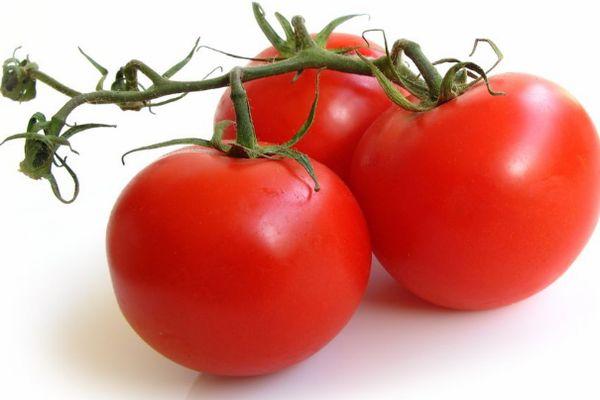
Thanks to its early ripening time (90 days), the crop is resistant to late blight. Reviews from vegetable growers attest to the popularity of this tomato variety, valued for its generous yield, excellent taste, and marketability.
The Mishka tomato is resistant to temperature fluctuations, pests, and nightshade diseases. The variety yields up to 7-8 kg per square meter. Ripe fruits are suitable for canning and salads.
Features of greenhouse tomato cultivation
The Mishka tomato can be grown in the North in a garden or greenhouse, using seedlings or sowing seeds directly into the ground in a permanent location. To achieve high yield per unit area when grown in a greenhouse, it's important to consider the specific characteristics of the greenhouse.

Greenhouses have high humidity and temperatures, which can negatively impact tomato plants. Therefore, the room should be regularly ventilated or completely opened to protect the crop from excess moisture, which can cause rot and other fungal diseases.
In the North, the Mishka tomato is grown primarily from seedlings, with mandatory transplanting at the stage of 1-2 true leaves. It is not recommended to keep seedlings indoors for more than 55 days. They outgrow their roots and adapt less well to a new location.
Take a look Also

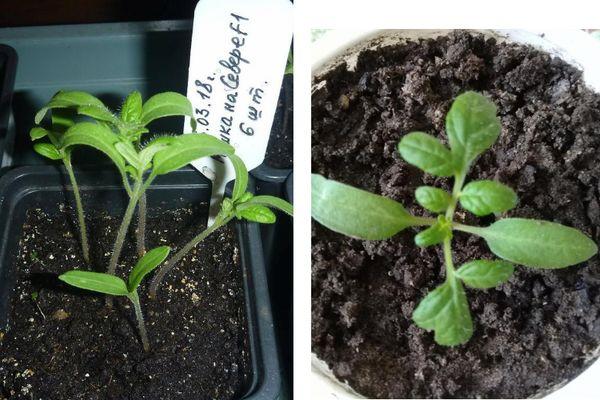
Plants are planted in the ground at 45-55 days of age, with 4-5 plants per square meter. To achieve this, the soil must be warmed to a depth of 15 cm, reaching 15°C. The greenhouse should be set up in advance to allow the soil to warm up before planting.
During the flowering period, the air temperature should not exceed 35°C or fall below 12°C. Pollination will not occur if the temperature is above or below the norm. When growing tomatoes in a private garden, the greenhouse should not be placed in the same location.
Infections accumulate in the soil, and to achieve a high yield, tomatoes need to be planted in different locations, taking crop rotation into account. Tomatoes grow well after cucumbers and legumes.
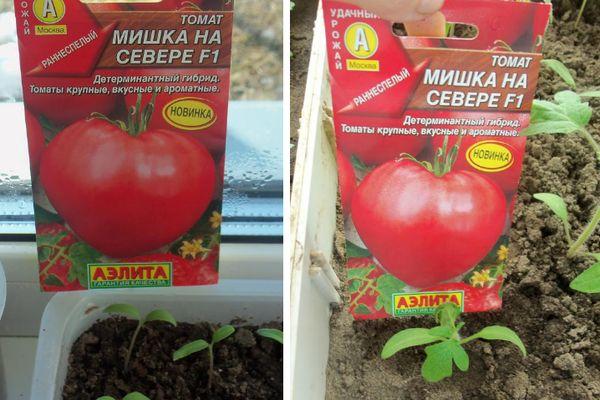
Before planting, prepare the soil, check its quality, and add organic fertilizers (compost, humus, wood ash). After watering, cover the soil surface with plastic wrap for several days.
Dig holes at intervals, water with a potassium permanganate solution, and plant the plants. The plant is sensitive to moisture, so it's important to maintain a consistent watering schedule and apply water at the roots.
Ways to increase yield
To significantly increase tomato plant productivity, vegetable growers recommend implementing a few tips. During flowering, tomatoes are sprayed with a weak solution of boric alcohol.
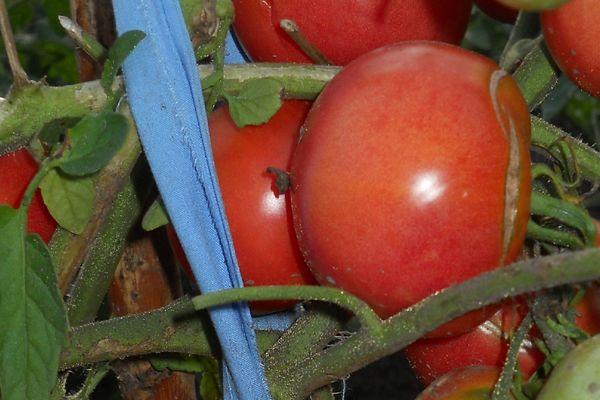
This treatment promotes fruit set and improves their quality. This simple method increases yield by 20%. When growing tomatoes on an industrial scale, insects are released into the greenhouse for pollination.
At home, it's recommended to shake the flowers every few days. After this, the plants are watered and covered with plastic wrap.
Tomatoes should be hilled when pimples appear at the base of the stem. A second hilling is necessary when the base of the stem turns blue.

This procedure strengthens the root system, which supplies the plant with nutrients. This leads to an increased yield. Mulching the soil with straw, pine needles, and hay increases tomato plant yield by 20-30%.

Last year's tomato tops can be added to the soil. As the plants grow, remove excess shoots and lower leaves down to the first tomato cluster. This will increase the nutritional availability of the fruit.
Fertilizers should be applied not only to the roots. The upper part of the plant also needs nutrition. It is recommended to spray the crop once a week with an aqueous solution of microelements. During the fruiting period, yeast or ash is added to the soil.
Related posts:
 Description and characteristics of the Mishka Kosolapy tomato variety, yield and cultivation
 The best eggplant varieties for growing in a polycarbonate greenhouse: planting and care
 Description of the best varieties of black tomatoes for open ground and greenhouses
 Description of the best Dutch tomato varieties for greenhouses and open ground
 Description of blight-resistant tomato varieties for open ground and greenhouses
 Methods for planting and propagating cherries at home
 Description of the best tomato varieties for pickling and canning
 Characteristics and description of the Sprut tomato variety, yield and cultivation