
- Characteristics of the variety
- Description of the bush and fruit
- Productivity
- Resistance to diseases and pests
- Application of fruits
- Advantages and disadvantages of the variety
- Varieties
- Yellow Teddy Bear Clubfoot
- Tomato Mishka orange
- Pink Teddy Bear Clubfoot
- Red Bear Clubfoot
- Features of cultivation
- Timing of sowing for seedlings
- Soil requirements and preparation
- Growing seedlings
- Planting tomatoes in the ground
- Bush formation
- How to care for tomatoes
- Watering
- Top dressing
- Hilling
- Pinching out stepsons
- How to tie up tomatoes
- Protection from pests and diseases
- Reviews
Gardeners dream of acquiring a tomato variety suitable for both fresh consumption and canning. After studying the description and characteristics of the Mishka Kosolapyi tomato variety, gardeners will be pleased with its positive attributes, including its ability to be grown in any region of Russia and its high yield.
Characteristics of the variety
Information about the species will help gardeners understand the care required, how to arrange them on the plot, and much more. It is recommended to read the detailed description before planting.
Description of the bush and fruit
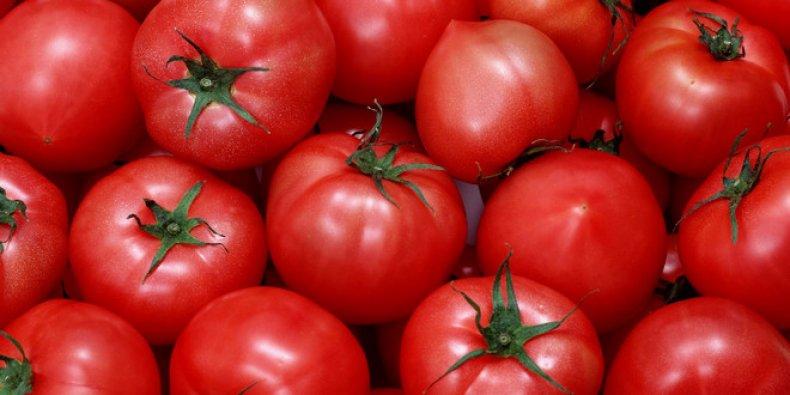
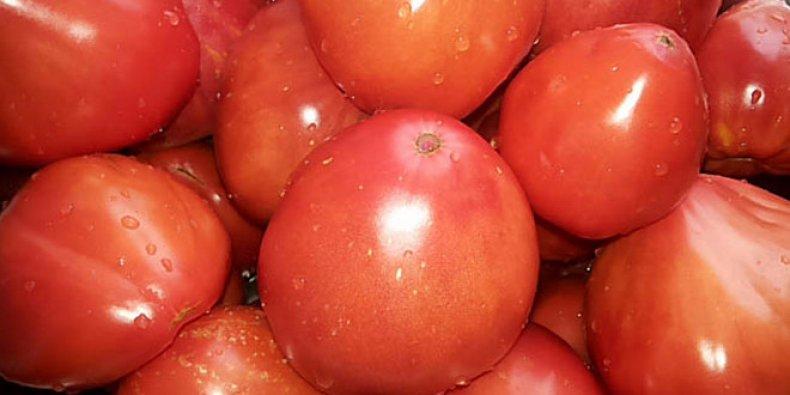
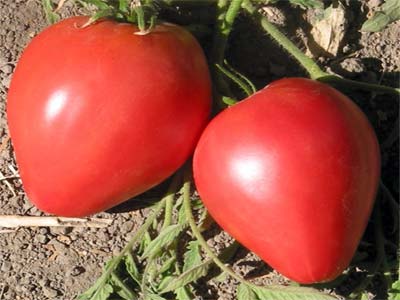
The plant is indeterminate, so it requires staking and training. The fruits are large and heart-shaped.
The fruit's color varies depending on the variety. They are roughly the same size and, with proper care, grow quite large. Flavors vary only slightly.
Productivity
The yield is high, with a single plant yielding up to 6 kg of tomatoes. Each tomato weighs 0.9-1 kg.
Resistance to diseases and pests
Plants have high immunity to diseases typical for the crop. The variety is resistant to:
- late blight;
- fusarium;
- tobacco mosaic.
In addition to these diseases, there are others that can spread to neighboring plants. Prevention and strict adherence to agricultural practices are paramount. Treatments are carried out in advance. If signs of disease are present, it is recommended to destroy the affected plant.
Application of fruits
The uses of tomatoes are limited by the imagination and whims of housewives. The fruits are used to make juices, preserves, and salads and assorted dishes. Mishka Kosolapy tomatoes are eaten fresh.
Advantages and disadvantages of the variety
The species has positive and negative characteristics, having studied which the gardener makes the final decision when choosing a variety.
Pros:
- high yield;
- excellent taste characteristics;
- the taste does not change during ripening;
- transport well;
- the fruits do not crack;
- tomatoes are stored for a long time;
- used for any purpose except whole fruit canning;
- high immunity.
Cons:
- demanding soil nutritional requirements;
- mandatory bush formation;
- large-fruited.
By following planting requirements and agricultural practices, gardeners will receive tasty, large fruits.
Varieties
There are several different varieties of the Kosolapy Teddy Bear. They differ from each other in certain characteristics and properties.
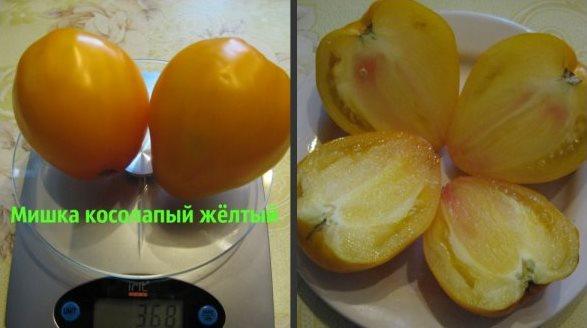
Yellow Teddy Bear Clubfoot
As the name suggests, the tomatoes are yellow. The flavor is standard, but lacks acidity. The tomatoes are large, weighing 0.6-0.8 kg. Plants reach 2 m in height. They are resistant to common diseases typical of the nightshade family. They are used fresh, in salads, and for canning for the winter.
Tomato Mishka orange
A variety of the Mishka Kosolapy variety with orange fruits, ranging in size from 0.7-0.9 kg. Depending on care, a single plant can yield up to 5.5-6 kg of fruit. Pruning and staking are required. Tall plants require support for the tomato clusters, as heavy fruits can break off.
Otherwise, plant care is identical to other tomato varieties. They have a high immunity.
Pink Teddy Bear Clubfoot
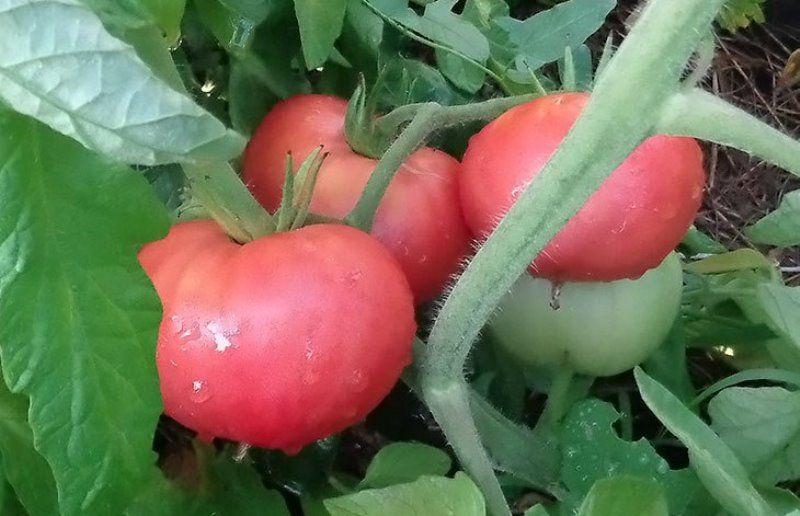
The bushes grow to 1.5 m tall and require staking and pinching. The fruits are light pink and teardrop-shaped. The flavor is sweet, and the flesh is firm. Suitable for all types of applications. The yield is high: with proper cultivation practices, up to 6 kg of fruit can be harvested from a single bush. Each tomato weighs 0.8-0.9 kg.
Red Bear Clubfoot
The standard and most common tomato of this variety. The fruits are red. Individual tomatoes weigh between 0.6 and 0.9 kg. The plants are tall and require staking and training. They thrive in the field. When planting recommendations and agronomic requirements are followed, they require virtually no treatment.
Features of cultivation
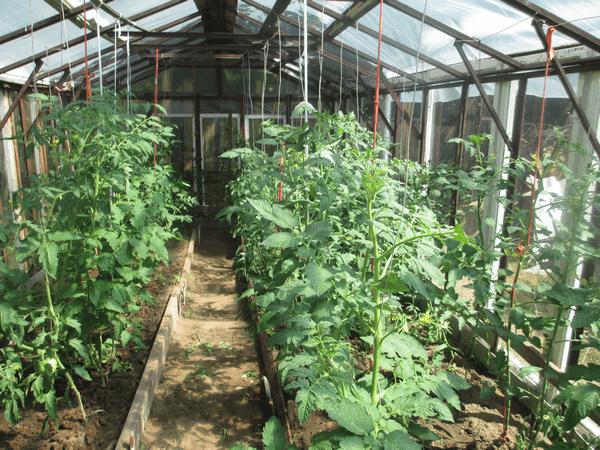
Mishka Kosolapy tomatoes have no special growing requirements. Planting and care are the same as other tomato varieties.
Timing of sowing for seedlings
The specific planting date is chosen by the gardener, as planting times vary depending on the growing region. The estimated date is calculated using the reverse method. Seedlings are transplanted to their permanent location at two months of age.
It is recommended to grow Mishka Kosolapy tomatoes using seedlings.If a gardener plans to plant seedlings at the end of May, the seeds should be sown for seedlings at the end of March. This is how the planting date is calculated.
Soil requirements and preparation
This variety is demanding when it comes to soil composition. It prefers fertile, well-drained, and permeable soil. Before planting, add humus, wood ash, and minerals to improve soil fertility.
Take a look Also


For seedlings, it is recommended to prepare the following soil composition:
- 1 part turf soil;
- 2 parts humus;
- 1 part river sand;
- wood ash.
The mixture is poured into planting containers and watered with a weak solution of potassium permanganate. This is done to disinfect the soil.
Growing seedlings
After soil preparation is complete, the seeds are planted. The furrows are spaced 5 cm apart, and the seeds are planted 2-3 cm deep. The soil is then moistened, covered with plastic, and stored in a warm, dark place until germination occurs. This lasts approximately 5 days. The plastic is removed and the containers are placed on a sunny windowsill, preferably facing south.
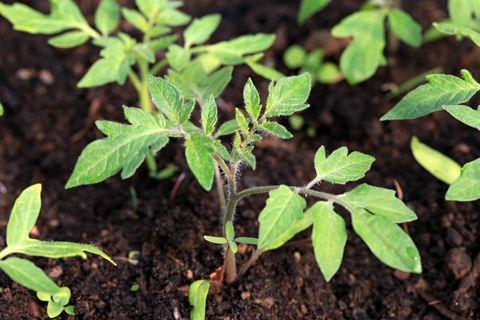 Daylight hours are 12-14 hours. If sunlight is insufficient, supplemental lighting is provided using special lamps.Water as needed, avoiding overwatering. Don't allow the soil to dry out. Water with a complex fertilizer 10-15 days after germination.
When the second true leaf emerges, the seedlings are pricked out. This helps develop a well-branched, strong root system and a sturdy stem, the foundation for a future harvest. Don't neglect hardening off the seedlings. This procedure is carried out 10-15 days before planting. The seedlings are acclimated to outdoor temperatures. The first day, 15-20 minutes is sufficient. On the last day, they are left overnight.
Planting tomatoes in the ground
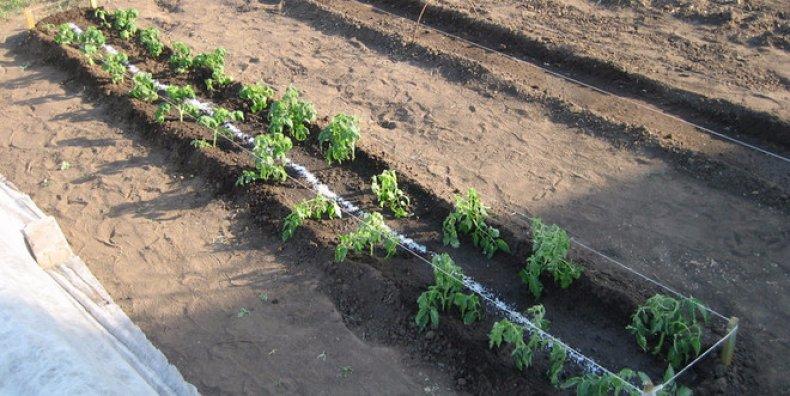
The holes are made at a distance of 40-50 cm from each other. The row spacing is also 50 cm. For 1 m2 4 plants are placed in a space. The soil is watered and mulched.According to gardeners, mulching the soil increases crop yields by 20%.Half the job is done, all that remains is to properly care for the bushes.
Bush formation
Much time and attention is devoted to this process, as proper shaping increases the yield. This is done with sharp, disinfected gardening tools.
How to care for tomatoes
The Kosolapy Teddy Bear requires as much care as other plants in the garden. By following proper agricultural practices, you can achieve a high yield and high disease resistance.
Watering
Plants are watered promptly, thoroughly, and infrequently. They are moistened after the top layer of soil has dried out. Mulching or loosening the soil is used to retain moisture.

Top dressing
The Mishka Kosolapyi tomato, which requires rich soil, requires fertilization at least 3-4 times during the growing season.
- 14 days after transplantation;
- before flowering;
- during ovary formation;
- during ripening.
Mineral fertilizers are alternated with organic ones.
Hilling
This process stimulates the growth of additional roots. The loosened topsoil also allows oxygen to reach the root system.


Pinching out stepsons
Remove all side shoots that form above the first cluster. Train the bushes with two stems to achieve maximum yield.
How to tie up tomatoes
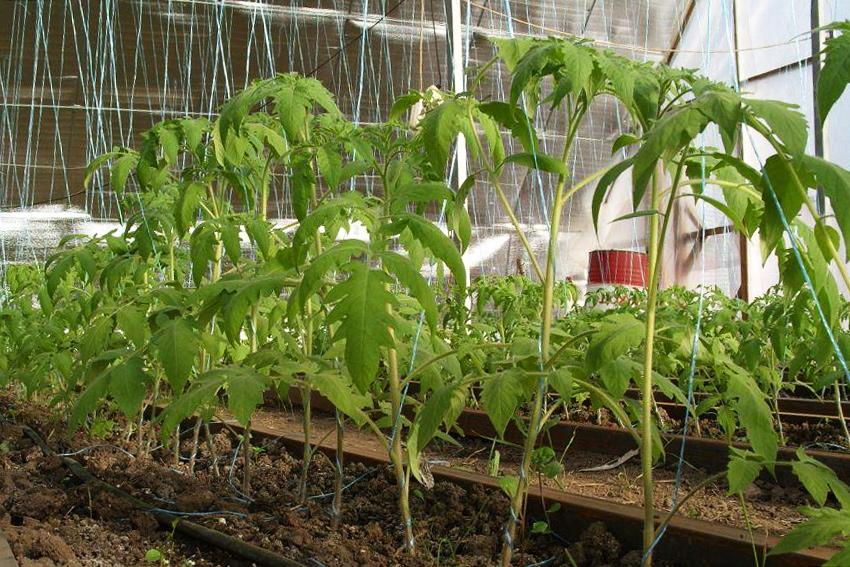
The supports must be strong and stable; stakes or trellises are used. Tomatoes are tied up so that the plants have room to grow.
A tightly and securely tied stem grows to a certain point, then the tying material (rope, twine, or pieces of fabric) cuts into the stem. The over-tied shoot bends and stops receiving water and nutrients. The bush dies.
Protection from pests and diseases
The best defense is prevention. Gardeners recommend following proper planting practices, fertilizing and watering the plants promptly, and loosening, hilling, and mulching the soil around the tomatoes.
If signs of disease or insects appear, treat with chemicals or folk methods of control.
Reviews
A gardener judges a variety based on comments from experienced gardeners. They offer growing advice and opinions on tomatoes:
- Masha: "I grow tomatoes in a greenhouse. The climate doesn't allow it any other way. The first time I planted them, the results were negative. I decided to plant them a second time after seeing a neighbor's 'Kosolapiy' (Clubfoot). I carefully tended the seedlings. I protected the young plants from the sun's rays. I watered and fed them simultaneously. The fruits turned out large, tasty, and fleshy. My efforts finally paid off."
- Alexandrina: “An unsuccessful experience, perhaps due to inexperience and ignorance of the nuances.”
- Nikita: "I don't recommend planting tomatoes for beginners, only experienced gardeners. Tomatoes are demanding. They require a lot of time to care for."
Mishka Kosolapy tomatoes are grown by gardeners who enjoy fresh tomatoes. Following proper care will result in abundant, tasty and healthy fruits.
Related posts:
 Characteristics of the Mishka tomato in the North and tips for growing the variety
 Description of the best varieties of black tomatoes for open ground and greenhouses
 The best eggplant varieties for growing in a polycarbonate greenhouse: planting and care
 Description of the best tomato varieties for open ground in the central zone
 The best tomato varieties for growing in the Leningrad region for greenhouses and open ground
 What varieties of tomatoes are best to plant in a polycarbonate greenhouse?
 What are standard tomatoes, description of varieties and cultivation
 Description of varieties of sowing peas and cultivation, to which family they belong