
- Description of the Anyuta F1 tomato
- Characteristics of the variety
- History of selection and growing region
- Advantages and disadvantages of a hybrid
- Growing the Anyuta tomato
- Planting seeds
- Growing and caring for seedlings
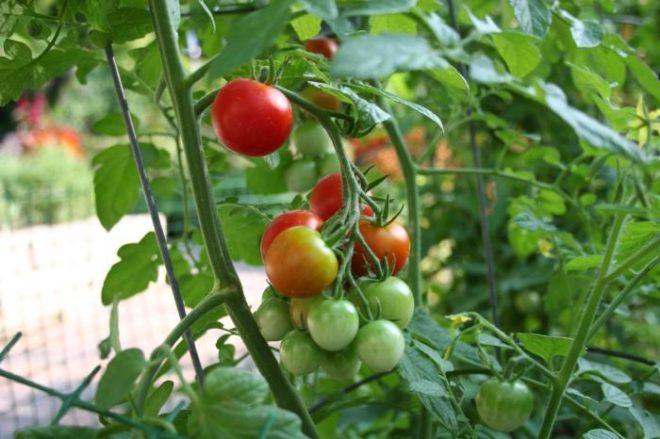
- Transplanting seedlings into open ground
- Plant care rules
- Watering
- Top dressing
- Pest control
- Diseases and their prevention
- Collection and storage
- Feedback from those who planted
Tomatoes grow well in greenhouses, but their flavor is inferior to tomatoes ripened in the ground under the hot sun. The Anyuta variety thrives in open ground. This hybrid thrives in any soil, but is demanding of light. It delivers a stable harvest of flavorful tomatoes rich in organic acids and vitamins. Gardeners enjoy the first fruits of the Anyuta tomato in early summer. The hybrid is grown using seedlings, sowing seeds several times to ensure the tomatoes ripen before fall.
Description of the Anyuta F1 tomato
The determinate plant's bush is robust, but barely reaches 70 cm in height. It has strong shoots that need to be tied to prevent them from bending under the weight of the fruit. The Anyuta F1 hybrid has few branches, covered in leaves of a typical green hue.
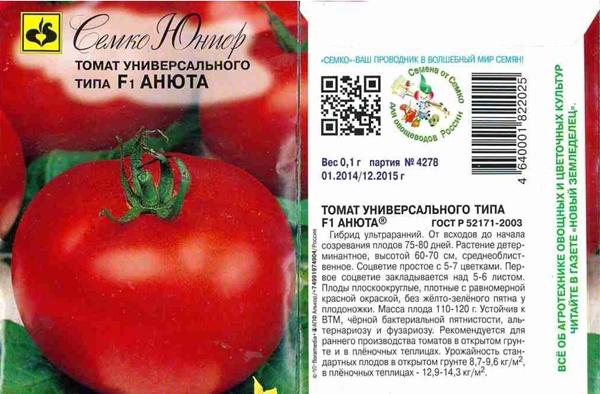
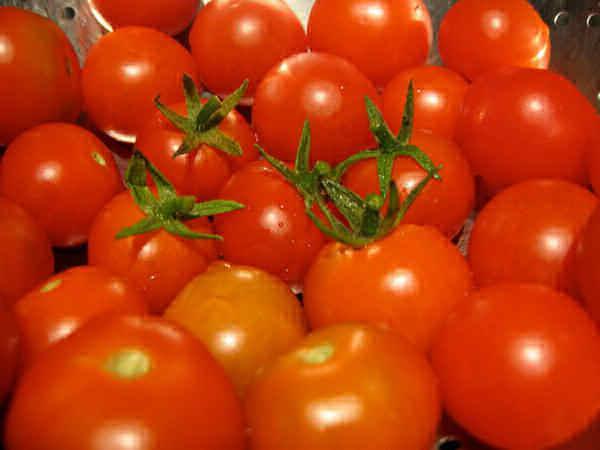
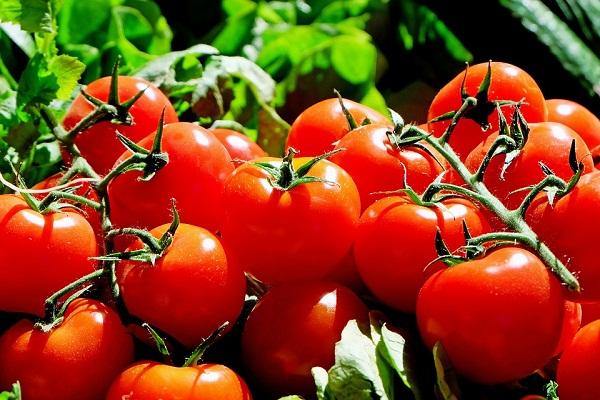
Ripe fruits differ in:
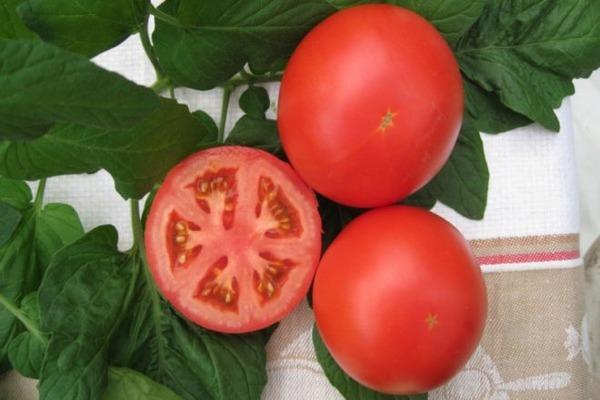
- bright red color;
- dense skin;
- rounded shape;
Tomatoes weigh at least 100 g, do not crack when canned, are suitable for making juice, pickling, used in salads, and added to borscht.
The bush produces 5 clusters, each bearing up to 6 fruits.
Characteristics of the variety
Anya, as gardeners affectionately call the tomato, grows in black soil, loam, and sandy loam. The hybrid has good immunity to fungi and viruses and is virtually unaffected by:
- from late blight;
- tobacco mosaic;
- fruit cracking;
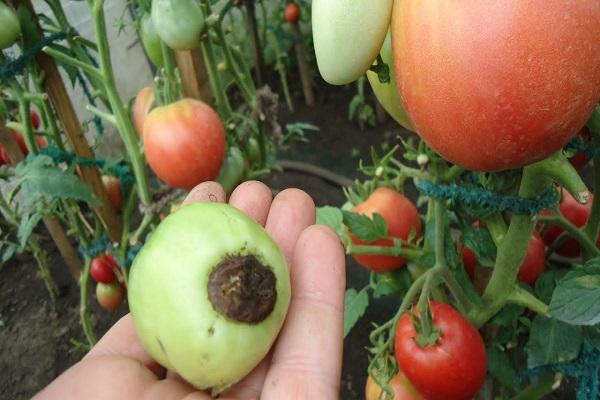
- blossom-end rot.
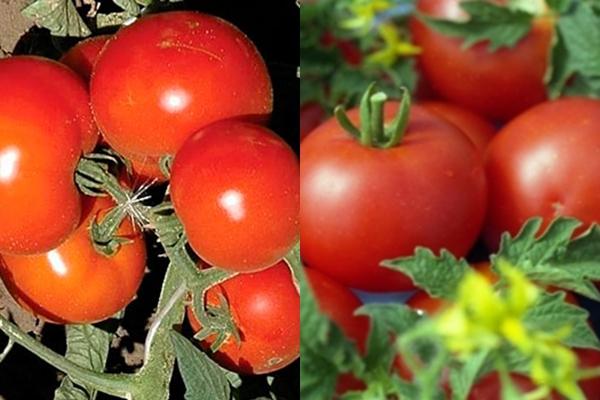
Tomatoes ripen 80 days after planting. Their thick skins ensure they remain marketable during transportation and can be stored for up to a month without processing. The yield is 2 to 3 kg per plant.
History of selection and growing region
This early-ripening hybrid was developed by the Russian private company Semko Junior. The tomato is adapted to the climate of the North Caucasus, but thrives and produces fruit in the Krasnodar, Volgograd, and Astrakhan regions. Greenhouse tomatoes are also grown in the Moscow region. The early variety, Anneta, is also cultivated in Belarus.
Advantages and disadvantages of a hybrid
Tomato gardeners only regret that they can't collect seeds from the fruits, and have to buy them every time. But this is perhaps the hybrid's only drawback, while it has many advantages, including:
- Unpretentiousness to care and soil.
- Fast ripening of fruits.
- Presence of immunity to diseases.
- Long shelf life of tomatoes.
Some gardeners say the Anna tomato is a bit too tart for them, so they add sugar when juicing it. However, after heat treatment, the skin doesn't crack, and the fruits are perfect for canning.
Growing the Anyuta tomato
To get up to three tomato harvests per summer, sow hybrid seeds from February to May. If the weather is favorable, you can enjoy the first fruits in June and harvest them until October.
Planting seeds
Add a drainage layer to the container or box and fill it with a substrate made from peat, garden soil, sand, and humus, with added perlite. Make furrows in the soil and plant the Anyuta tomato seeds at a depth of up to 8 mm, spacing each seed no more than 2 cm apart. Cover the box with plastic wrap and keep it in a warm, regularly ventilated place.
Growing and caring for seedlings
The seedlings are watered and fed with an ash solution. When sprouts appear, the container is moved to a window in a room with a temperature of 18 to 20°C, and the plastic film is removed. When two leaves appear, the seedlings are transplanted into separate pots, two plants per pot, spaced 10 mm apart.
Once the young plants have established themselves, make a small cut in the stems, tie them together, and wrap them with plastic wrap or bandage at the damaged point. Before moving them to the garden, harden off the tomatoes by placing them outside in the fresh air.
Transplanting seedlings into open ground
Tomato plots should not be planted where eggplants or potatoes were grown last season. Nightshade crops attract Colorado potato beetles and are susceptible to the same disease.
When digging the soil in the fall, add organic matter, and in the spring, add mineral fertilizers such as superphosphate, potassium salt, and ammonium sulfate to each hole. Six tomatoes are planted per square meter.
When planting double bushes, remove the weak tops. These tomatoes grow better and produce more fruit.
Take a look Also

Plant care rules
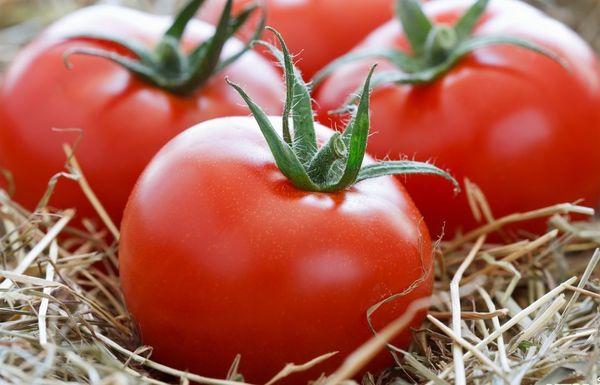
Caring for the compact Anyuta hybrid in the garden is easier than for tall tomatoes. Care involves:
- moisturizing;
- fertilizer;
- loosening the soil;
- weeding.
To ensure that tomatoes produce fruit longer, the bushes are sprayed with a solution made from a liter of milk and 30 drops of iodine.

Watering
In southern regions, where summers are dry and hot, tomatoes require irrigation. Once or twice a week, pour about 5 liters of sun-warmed water under each plant, loosen the soil, and hill up the plants.
Top dressing
Fertilize tomatoes 10-14 days after planting. Use 1 kg of mullein, 20 g of superphosphate, and a bucket of liquid. Tomatoes respond well to mineral fertilizers, ash, and fermented grass solutions.
Fertilize the bushes several times during the summer, always before flowering and fruit set. Although the tomatoes are short, the stems are secured to a support, and when side shoots appear, they are pinched out. In the south, these shoots are planted in the ground, where they grow into full-fledged bushes.

Pest control
Tomato leaves attract whiteflies, spider mites, aphids, and Colorado potato beetles. To prevent these moth-like insects from destroying tomatoes, sprinkle the soil around the bushes with ash and tobacco dust, and spray the plants with quicklime. If pests appear, treat the tomatoes with Confidor or Fitoverm.
To combat spider mites, use "Karbofos" or prepare an infusion of dandelion and garlic. To combat Colorado potato beetles and aphids, use insecticides such as "Iskra" and "Aktara."
Diseases and their prevention
The Anyuta hybrid tomato is resistant to root rot and mosaic disease, and is resistant to cladosporiosis. To prevent other diseases, follow proper cultivation practices and spray the bushes with Bordeaux mixture or commercial fungicides.
Collection and storage
The first tomatoes are picked in June and added to salads or eaten fresh. The fruits that ripen in the fall are used for canning, making juice, sauces, pickling, and salting. Stored in a cool place, they will keep for a month.

Feedback from those who planted
The Anyuta hybrid is popular among farms; gardeners grow this variety and are happy with their choice; reviews of the tomato are generally positive.
Elena Stanislavovna, 52, Belorechensk: "I didn't plant early tomatoes for a long time because I was wary of them. A neighbor at my dacha grows the Anyuta hybrid, so I decided to give it a try. I didn't even tie up the low bushes; I didn't expect to see so many fruits. I picked my first tomatoes in June, and I liked the taste."
Sergey Vasilyevich, 48, Ryazan: "I grow tomatoes in a greenhouse and really enjoy experimenting. After reading reviews of the hybrid variety Anyuta, I planted 10 plants. The fruit set wasn't very high, but they ripened really early."
Related posts:
 Description and characteristics of the Anyuta grape variety, planting and care
 Description of the best varieties of black tomatoes for open ground and greenhouses
 Description of blight-resistant tomato varieties for open ground and greenhouses
 Description of the best Dutch tomato varieties for greenhouses and open ground
 TOP 17 recipes for pickled sweet tomatoes for the winter
 Recipes for amazing tomatoes in jelly for the winter, with and without sterilization, you'll lick your fingers
 Description and characteristics of the Puzata Khata tomato variety, yield and cultivation
 The best eggplant varieties for growing in a polycarbonate greenhouse: planting and care