
- Characteristics and description of Puzata Khata tomatoes
- Fruit
- Productivity
- Taste qualities of tomato
- Uses of tomatoes
- Advantages and disadvantages of the variety
- How to Properly Sow and Grow Unique Tomatoes
- Growing in open ground
- Greenhouse cultivation
- Further care
- Watering
- Fertilizers
- Bush formation
- Pinching out stepsons
- Diseases and pests
- Collection and storage
- Summer residents about the Puzata Khata variety
The Puzata Khata tomato variety can be grown anywhere, both outdoors and in protected ground. Gardeners highly value its yield and fruit size. In 2013, the variety was added to the State Register. Breeding work was conducted at the Agrofirm "Aelita" and was supervised by V.G. Kachainik.
Characteristics and description of Puzata Khata tomatoes
An indeterminate bush should have unlimited growth vigor. In practice, the central stem does not exceed 1.7 m in a greenhouse and 1.5 m in the open ground. The branches are medium-thick, and the leaves are small and dark green.
The bushes require staking and shaping. The variety is advertised as early ripening (100 days), but experience has shown that the fruits ripen later. Gardeners in the central part of the country prefer to grow Puzata Khata tomatoes in greenhouses, as they don't have time to ripen in open ground. In southern regions, tomatoes ripen well in open ground, where the bushes receive ample warmth and sunlight.
Fruit
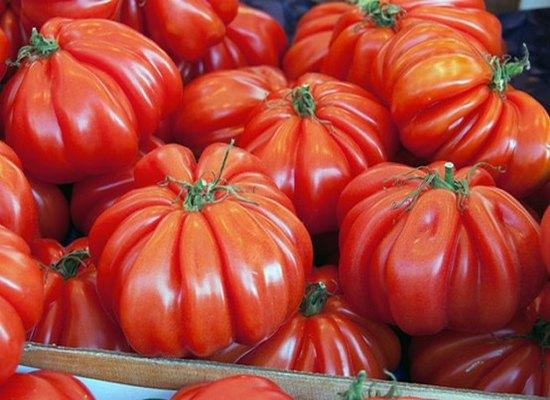
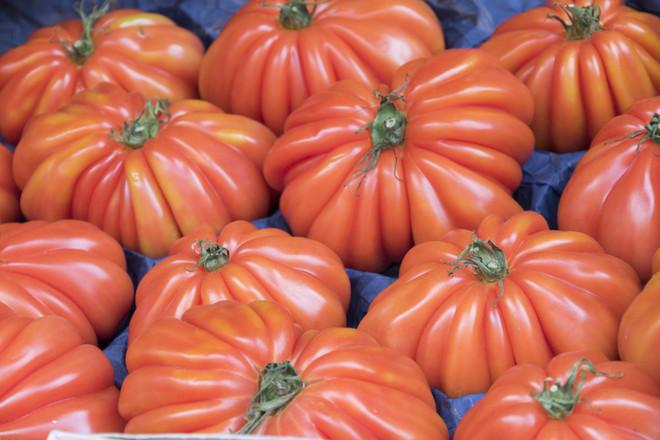
The fruit has an unusual, distinctive shape. It's pear-shaped and heavily ribbed. Unripe tomatoes are light green. As they ripen, they turn red-orange. This variety belongs to the large-fruited group. Most fruits weigh no more than 300 g. The largest specimens weigh around 800 g. They form at the base of the bush.
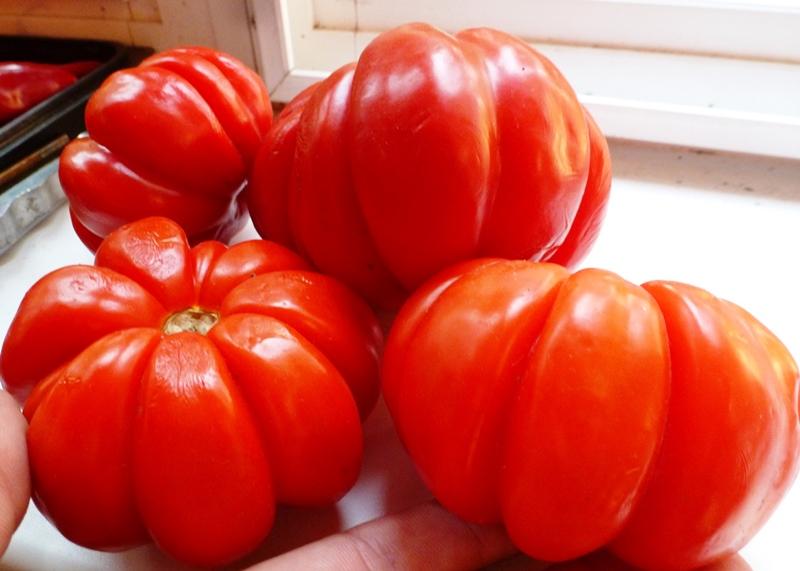
The quality of fruits (taste, size) is influenced by the following factors:
- weather;
- landing scheme;
- quality and quantity of fertilizers.
Tomatoes have a long shelf life. They are often picked green and ripened on a windowsill or in a storage room. This doesn't affect their flavor. Thanks to their tough skin, they withstand transportation well.
Productivity
The Puzata Khata variety has a long fruiting period. When grown in a greenhouse, the tomatoes ripen before the first frost. This variety surpasses other large-fruited tomatoes in yield. Gardeners harvest 9-11 kg per square meter.
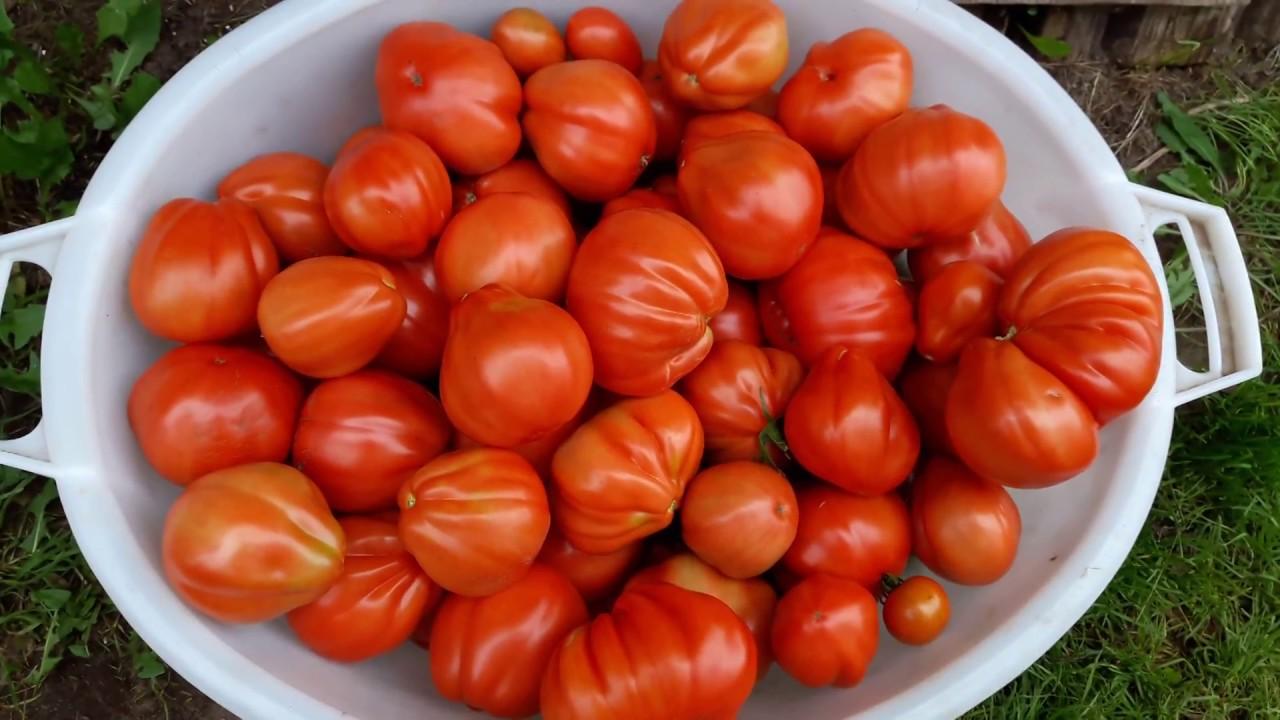
The yield is influenced by:
- fertility and mechanical composition of the soil;
- bush formation scheme;
- top dressing.
Take a look Also

Taste qualities of tomato
Many find the fruit's flavor bland. It lacks acidity. This allows Puzata Khata fruits to be used in baby food and dietary supplements. Experts rate the flavor at 4 stars.
Uses of tomatoes
Tomatoes are not suitable for canning. The fruits tend to have hollow parts. However, their juice is tasty and thick. It can be preserved for the winter or drunk immediately after preparation. Tomatoes make delicious summer salads; they can be frozen or stuffed.
Advantages and disadvantages of the variety
The variety has its pros and cons. The latter include the dependence of fruit yield and flavor on soil fertility and the fragility of the branches, which may not support the heavy weight of the fruit. Gardeners list the following advantages of the Puzata Khata:
- long shelf life of the harvest;
- transportability of fruits;
- high productivity;
- large-fruited;
- original form;
- useful composition of the pulp, a large amount of sugars;
- resistance to infections.
How to Properly Sow and Grow Unique Tomatoes
Puzata Khata tomatoes can be grown using standard farming techniques. Due to the variety's characteristics, they require minor adjustments. You can propagate Puzata Khata with your own seeds; it is not a hybrid form.
Growing in open ground
For outdoor cultivation, seedlings are sown in late March. Seedlings emerge in early April. By the end of May, the seedlings are ready for transplanting into the open ground. They are planted in the garden once the danger of frost has passed.
The optimal age of seedlings at the time of transplantation is 55-60 days.
Tomatoes are planted in rows, leaving 60-70 cm between rows. Holes are dug 40 cm apart. Overgrown seedlings are planted at an angle. Stake them immediately. Stake the seedlings at planting or a week later. The tomato beds are watered well and mulched with compost.

Greenhouse cultivation
By mid-April, the soil in the greenhouse warms up. Therefore, Puzata Khata seeds for seedlings are sown in late February, or by March 8-10 at the latest. In early April, soil preparation begins. Add humus, sand, vermicompost, and mineral fertilizers during digging.
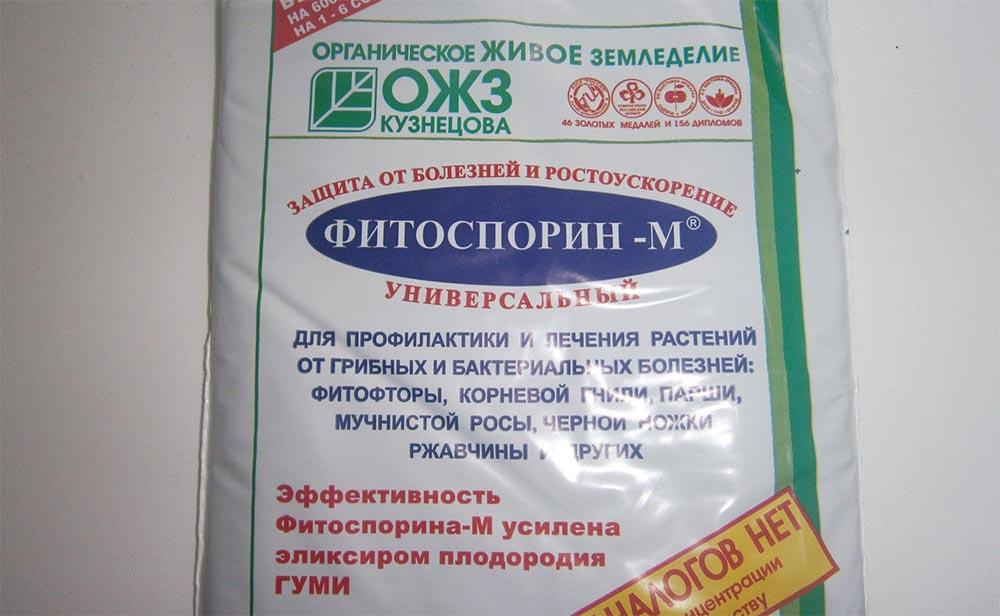
To prevent fungal infections, the soil is treated with a solution of Fitosporin.
Choose a cloudy day to transplant the seedlings. Plant them 3-4 times per square meter and water them. Cover the beds with a covering material. Remove it after a week. By this time, the seedlings will have adapted to the new conditions. Place a stake next to each seedling and tie up the trunk.

Further care
Care for plants in open ground and in a greenhouse is not fundamentally different. The only difference is the frequency of watering.
Watering
The frequency of watering in the garden depends on the weather. If the soil is moist at a depth of 30 cm, the beds do not require watering. If there is no rain, tomato beds are watered weekly. In a greenhouse, the soil dries faster. In hot weather, tomatoes are watered once every 3-4 days; in cool weather, once every 7 days.
The bushes are watered at the roots. To reduce the amount of physical work:
- equip drip irrigation;
- mulch the beds.
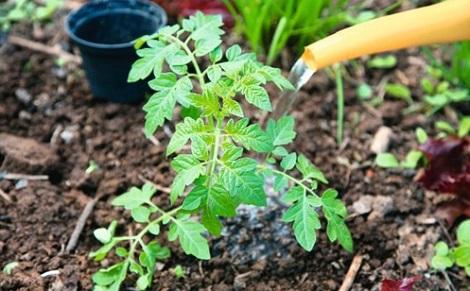
Use settled water for irrigation. Its temperature should be close to the outside air temperature.
Fertilizers
The yield and large-fruitedness of Puzata Khata depend on the quantity and quality of fertilizers applied.In the first half of summer (until July 10-15), the bushes are fed with fertilizers containing nitrogen (ammonium nitrate, urea).The application scheme is as follows:
- 2 weeks after transplantation;
- when the first buds appear;
- after the first ovaries have formed.
Starting in the second half of July, switch to two-component fertilizers containing potassium and phosphorus. Don't forget about foliar feeding (boric acid, ash, yeast).

Bush formation
Two bush training schemes are acceptable for the Puzata Khata variety. When planting four plants per square meter, the bushes are trained into a single stem, with all side shoots removed. If three plants are planted per square meter, the bush is trained into two stems, leaving only one side shoot located at the bottom of the first flower cluster.
Pinching out stepsons
Remove side shoots regularly. They grow quickly and sap the plant's energy. Don't allow them to grow longer than 5-7 cm. Pinch them off by hand. In open ground (late July, early August), remove the growing point—the crown of the central shoot. Limiting the height of the bush accelerates fruit ripening.

Diseases and pests
High resistance to infections doesn't negate preventative measures. These include treating the soil with fungicides and disinfecting seeds before planting. Moisture levels in the root zone are regulated with mulch.
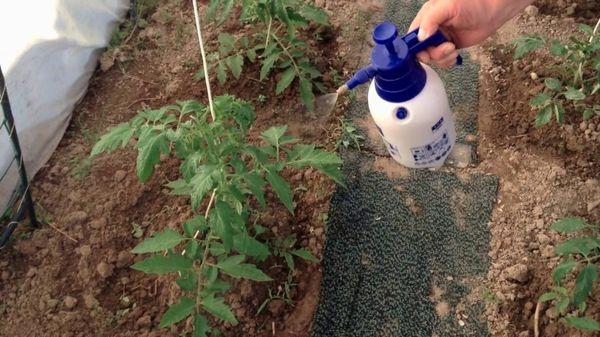
Cover the soil under the bushes with organic materials (dry grass, straw, rotted sawdust) or artificial materials (black covering material, cardboard). If pests (aphids, Colorado potato beetles, whiteflies, thrips) appear on the leaves, resort to folk remedies (infusions of wormwood, celandine, or garlic) or treat the bushes with chemicals:
- "Akarin";
- "Golden Spark";
- Inta-Vir.
Collection and storage
The fruits have a long shelf life. They are picked when ripe, brown, or green. They are laid out in boxes to ripen, layered with paper. Puzata Khata tomatoes ripen right after being picked, without affecting their flavor.
Summer residents about the Puzata Khata variety
Kristina, 33, Volgograd: "I love large-fruited tomatoes. This season I grew Sto Pudov and Puzata Khata. With the same care, the Puzata Khata tomatoes produced a higher yield and larger fruits."
Evgeniya, 47, Saratov Oblast: "I planted this variety in open ground. The harvest was late. There were no small fruits, the largest ones weighed 700-800 g. The flesh is orange-red, meaty, not watery, but I didn't like the taste. Perhaps it was due to the cold summer. There were some empty spaces in the seed chambers, which I didn't like at all."
Galina, 37, Samara: "The Puzata Khata tomatoes weren't very large this season. The largest ones weighed maybe 300 grams. They were a bit disappointing, but I'll plant them again next year. I'm happy with the flavor and shelf life. The fruits are pear-shaped, and the ripening time is probably mid-season."
Real reviews from those who have planted this tomato variety will help you make the right choice.
Related posts:
 Description of the best varieties of black tomatoes for open ground and greenhouses
 Characteristics and description of the Bogata Khata tomato variety, growing conditions
 Characteristics and cultivation of the best varieties of pear-shaped tomatoes
 Which tomato varieties are best for open ground?
 Description of the best Dutch tomato varieties for greenhouses and open ground
 TOP 17 recipes for pickled sweet tomatoes for the winter
 Description of the best tomato varieties for open ground in the Moscow region
 The best eggplant varieties for growing in a polycarbonate greenhouse: planting and care