
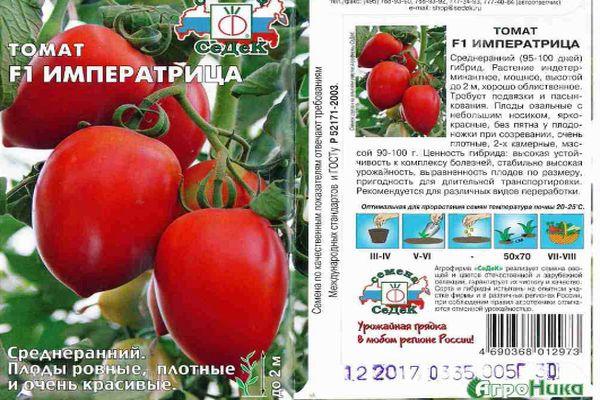
The Empress F1 tomato is a relatively new hybrid, introduced to the Russian market in 2011. The variety was bred for cultivation in any climate zone. Its yield is quite good.
Features of the variety
Characteristics and description of the variety:
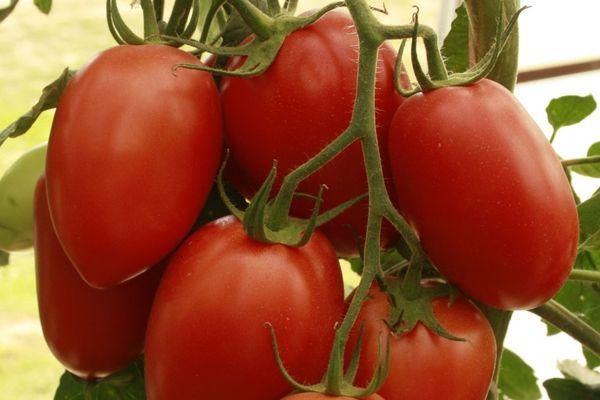
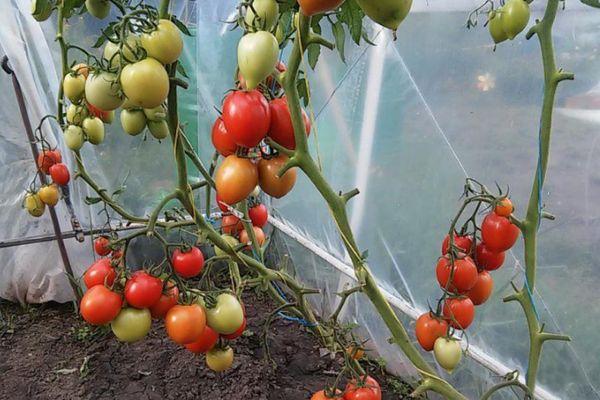
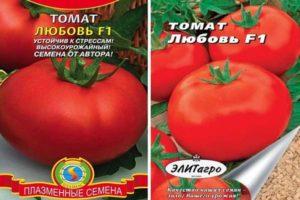
- Tomatoes have a classic oval shape, dense, firm skin and flesh.
- The average weight of the fruits is 100 g, the largest ones are about 150 g, all tomatoes on 1 bush are approximately the same size.
- Ripe fruits are bright red, unripe ones are greenish.
- When you cut a tomato, you can see only 2 chambers with seeds.
- Reviews from those who have planted this variety are positive: gardeners note the good taste and high yield.
- The plant bush is not very tall, approximately 50-70 cm.
- It is highly resistant to diseases and can be grown without the use of mineral supplements and antiviral agents.
- It's best grown in warmer climates. However, since this variety was bred specifically for regions with unstable climates, it's also suitable for growing in northern regions.
Three and a half months after germination, the fruits begin to ripen. Although the bush is short, it should still be tied to a support: tomato plants produce very well, and the stem may not be able to support the weight of the fruit. Staking the bushes also prevents damage from strong winds.
Tomatoes planted in a greenhouse can reach a height of 2 m. To stop growth, pinch the top of the central shoot. The leaves on these plants have a brighter color. Also, timely removal of side shoots and tying to a support (trellis) are essential. One bed (2 x 1 m) in a greenhouse or hothouse yields a harvest of 20-21 kg.
How are tomatoes grown?
First, prepare the soil in the greenhouse for planting the seedlings. You can test the soil's acidity with litmus paper. If it's outside the acceptable range of 6-6.5, it needs to be lowered by liming (a method of fertilizing the soil to normalize its acidity).
For this procedure, you may find the following useful:
- powdered chalk;
- stove ash;
- slag from open-hearth furnaces;
- lime;
- marl minerals;
- dolomite flour.
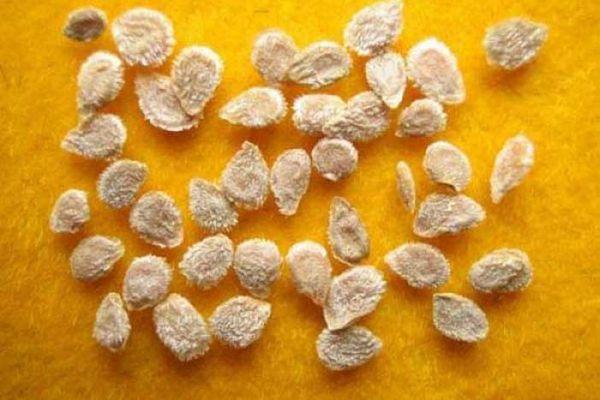
First, disinfect the seedling trays. Before planting the seeds, prepare the soil in advance: fertilize with minerals and moisten it immediately before planting. Seed holes can be made with any thin branch; 1-2 cm deep is sufficient. Cover the tray with plastic wrap and place it in a warm, bright place. Remove the plastic wrap gradually to ensure fresh air evenly nourishes all the seedlings.
Once the seedlings have developed 5-6 leaves, they can begin transplanting. After two months, the now-strong seedlings are planted in the garden beds. To ensure rapid establishment, the roots should be dipped in a heteroauxin solution before planting.

Two tablets are sufficient for one full watering can of water. After all the Tsaritsa tomato seedlings have been planted, it is recommended to create a hole around each seedling and water generously. Don't forget to water the plants regularly and thoroughly. During flowering, double the watering frequency.
Every year, plants take up many nutrients from the soil, essential for good fertility. During fall tillage, all lost nutrients must be replenished. Ash, humus, and mineral supplements are used as fertilizers.
Advantages and disadvantages of the variety
Benefits of tomato:
- the possibility of obtaining a high yield;
- small fruits of regular shape;
- During storage and transportation, tomatoes are not crushed, thereby remaining fresh longer;
- The hybrid has immunity against a number of dangerous diseases.
 The disadvantages include the rather dense structure of the fruit and weak taste.
The Empress F1 variety was bred for productive cultivation in regions with a predominantly cold climate. Its dense fruit withstands transportation and long-term storage in fresh form well. However, most gardeners grow these tomatoes for winter preserves: various salads, sauces, and pastas.
Related posts:
 How to plant grapes step by step, with a description of the process and care
 How to properly plant peas in a greenhouse and open ground
 How to propagate and grow peas, cultivation technology, and care in open ground
 How to control onion flies using natural and chemical methods
 Description of varieties of sowing peas and cultivation, to which family they belong
 How to feed and what fertilizers are best for blueberries, soil acidification
 The best eggplant varieties for growing in a polycarbonate greenhouse: planting and care
 How to combat powdery mildew on onions using folk and chemical remedies
I will never plant this variety again. The flaw mentioned in the article is particularly pronounced: the fruit's rather dense structure and very poor flavor.