
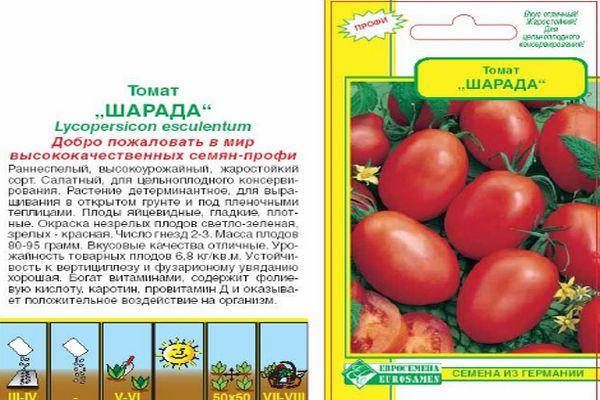
The Sharada tomato is adapted to the climate of northern regions. This variety was developed by German breeders. It is intended for propagation in greenhouses and open ground. In Russia, gardeners can buy seeds in St. Petersburg.
Technical data of tomatoes and their fruits
The characteristics and description of the Sharada variety are as follows:
- From the emergence of seedlings to the production of ripe fruits, it takes 90-100 days.
- Tomato bushes of this variety grow up to 100 cm in height. The average plant height does not exceed 65-70 cm, so there is no need for such maintenance as removing side shoots or tying them to trellises or supports. The plant's branches can support the weight of the mature fruit.
- Sharada tomatoes are a variety that can survive drought.
- The leaves on the bushes are small and green in color.
- Farmer reviews indicate the ability of this type of plant to resist some tomato diseases.
- The fruits are shaped like an elongated plum and are red in color. They weigh between 80 and 95 grams. The tomato flesh is firm, and the skin is quite thin.
- There are 2-3 seed chambers inside.
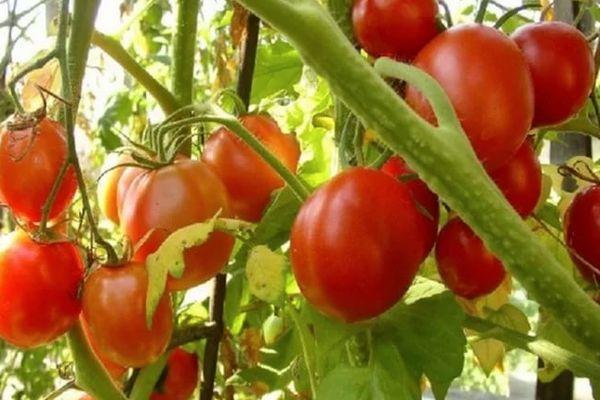
The Sharada tomato yields 6-7 kg of fruit per square meter of garden bed. They are used for canning, with whole berries placed in jars. If the harvest is harvested and the unripe tomatoes are stored in a cool place, they will ripen by late autumn without losing their flavor.
Tomatoes can be grown throughout Russia. In the southern regions, seeds are planted directly in open ground. In the central part of the country, northern regions for the cultivation of the described tomato It is recommended to use film greenhouses or greenhouse blocks.
How to grow tomatoes yourself?
To grow the Sharada tomato, both seedling cultivation and cultivation using seeds are used.
If you decide to grow tomatoes using seedlings, then sowing the seeds and planting them in open ground is done in the third ten days of March.
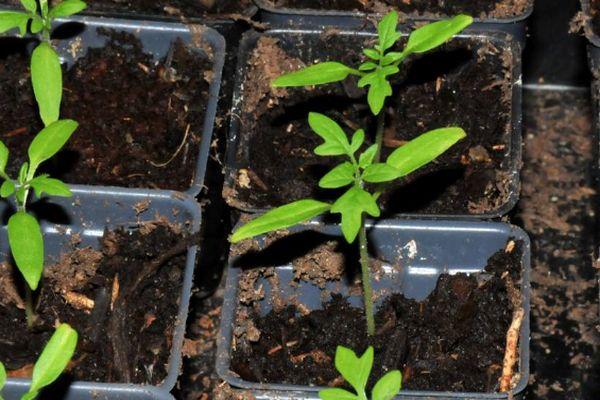
If you have a greenhouse or plastic hotbed, you can move the planting dates to the first ten days of March. Sow the seeds in special tomato soil to a depth of 20 mm. Each seed should be planted in 8.0 x 8.0 or 10 x 10 cm (3.9 x 3.9 in) or 10 x 10 cm (4.9 x 4.9 in) spacings. Once the sprouts emerge, they are pricked out when they have 1-2 leaves.
While the seedlings are growing in the boxes, they are fed with humic fertilizer. This procedure should be repeated two or three times during the entire growing season. When the seedlings reach 8-10 cm, they are hardened off and then transferred to their permanent soil. This procedure is performed in the last ten days of May or the first week of June.
If there is a threat of a sharp drop in temperature, then it is necessary to provide measures to protect plants from the cold.
When growing tomatoes without seedlings, sow the seeds in the soil of a greenhouse or hothouse in late April or the first week of May. Sow the seeds in rows measuring 30 x 15 cm. If cold weather is expected, it is recommended to protect them from the cold with plastic film.
When 2-3 leaves appear on the seedlings, the rows of plants are thinned out to a 30x30 cm format. Most often, every other seedling has to be removed.
Growing tomatoes without seedlings produces disease-resistant plants, as they develop a deep taproot, allowing the plant to absorb more nutrients and moisture.
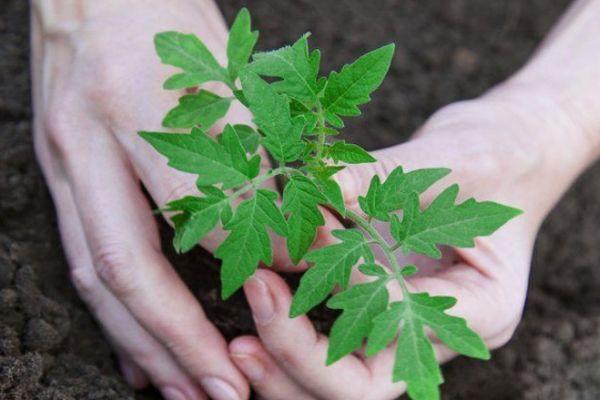 Tomato bushes need to be loosened and hilled in a timely manner. As the plants grow, the soil under them is mulched using straw, mown grass or sawdust.
Before each watering (done once a week with warm water) and loosening, the soil is enriched with complex mineral fertilizers.
At the beginning of the growing season, it is recommended to add more nitrogen fertilizer to the soil. After fruit set, increase the proportion of phosphorus and potassium mixtures.
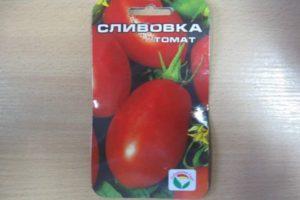
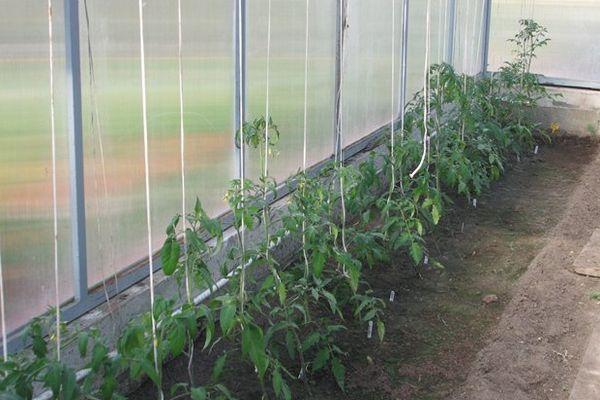
As the fruit ripens, the amount of potassium fertilizer applied to the soil is doubled. You can also feed the plants with mullein infusion or chicken manure.
The fruits appear and ripen almost simultaneously. The bushes are not only disease-resistant but also resistant to various garden pests.
Related posts:
 Description of the best varieties of black tomatoes for open ground and greenhouses
 80 Best Eggplant Varieties for Different Regions with Descriptions and Characteristics
 The best eggplant varieties for growing in a polycarbonate greenhouse: planting and care
 The best grape varieties for growing in the Urals, planting and care rules in summer
 Description of the Talalikhin 186 tomato, technical data and growing instructions
 Methods for planting and propagating cherries at home
 Carrot care guidelines for outdoor cultivation to ensure a good harvest
 When and how to properly transplant tomato seedlings, the best days in 2025