
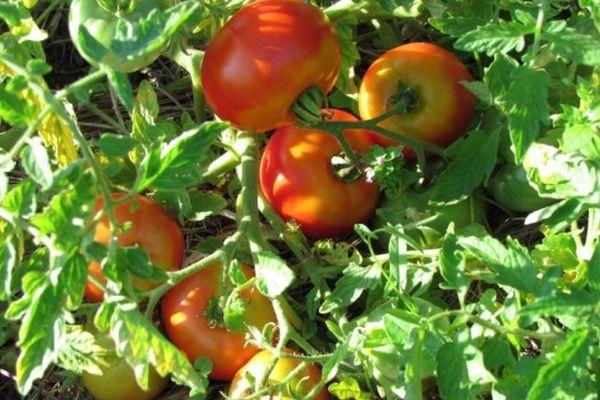
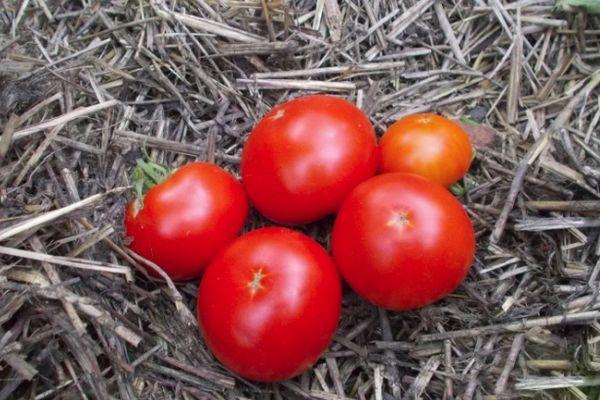
The Skorospelka tomato is suitable for cultivation in greenhouses and open fields. This variety was developed by Russian breeders. Skorospelka tomatoes are used fresh and for pickling. These tomatoes withstand high temperatures well, and their red skin does not crack during canning. Tomato juice is also produced commercially from the berries.
Briefly about the technical data of the plant
The characteristics and description of the variety are as follows:
- After planting the seedlings in the beds, the fruit harvest takes 85 days to ripen. From the first shoots to the full harvest, it takes 95 days.
- The plant's bushes reach a height of 0.5-0.7 m. In greenhouses, it grows up to 1.0 m. The stems bear a medium number of green leaves. To grow this tomato variety, the bushes must be tied to sturdy supports, and excess shoots must be regularly removed.
- The plant has simple inflorescences, each bearing 6 to 7 fruits.
- The berries are spherical in shape, flattened at the top and bottom. They are medium-sized and weigh between 0.13 and 0.15 kg.
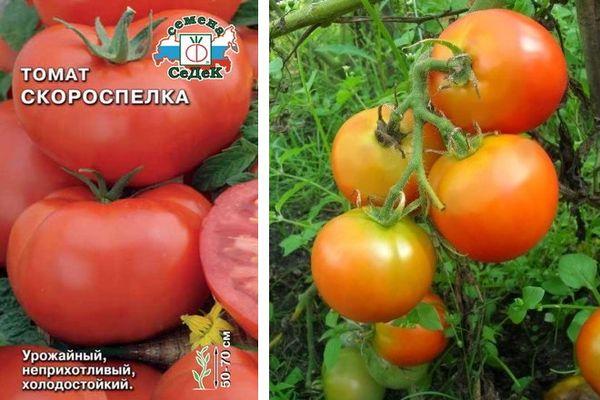
A full description of Skorospelka can be found in specialized agricultural reference books. Reviews from farmers growing this variety indicate that the tomato yield reaches 5-7 kg of berries per square meter of beds. The fruits can be transported over any distance, as they withstand mechanical stress well.
The plant has good immunity to various nightshade diseases. This is due to the early flowering and fruiting of the tomato. At this time, late blight does not yet attack the plants. The variety can produce fruit at relatively cool temperatures.
This early-ripening variety is grown outdoors in the southern regions of Russia. In the central part of the country, unheated plastic greenhouses are suitable for growing the hybrid. When growing this variety in Siberia and the Far North, it is recommended to use hotbeds and well-heated greenhouse complexes.
Take a look Also
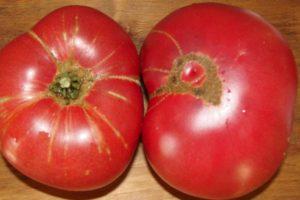
Growing seedlings and caring for bushes
After purchasing, tomato seeds are poured into a container of water. After a while, some of the seeds will float to the surface. These should be caught and destroyed. The remaining seeds are disinfected with hydrogen peroxide or potassium permanganate (a weak pink solution).
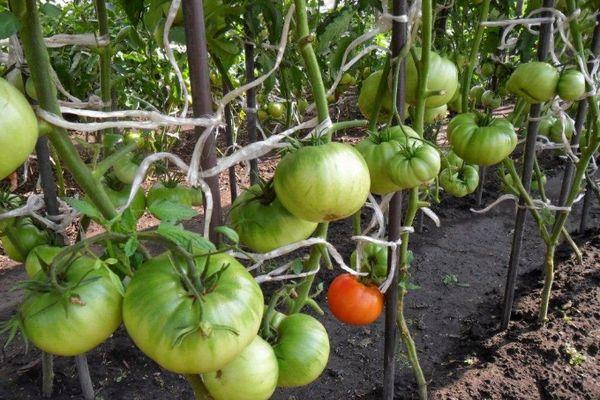
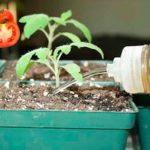
Next, prepare the soil using a mixture of soil, peat, and sand. Each component is taken in equal volumes. The resulting soil is placed in boxes and manure is added. The seeds are sown to a depth of 15 mm and watered with warm water. The first shoots will appear in 6-7 days. They are fed with nitrogen and organic fertilizers. Once the seedlings have developed two leaves, they are pricked out. The seedlings should be transplanted to permanent soil when they are 55-60 days old. Harden them off 12 days before transplanting.
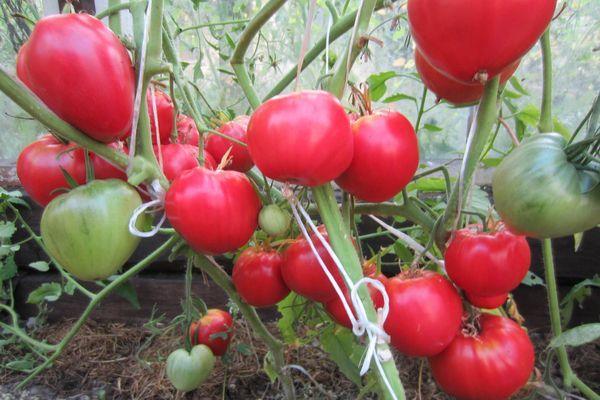
Before planting, prepare the soil in the bed. To do this, loosen the soil, disinfect it with potassium permanganate, and add manure and nitrogen fertilizer. Plant 5 to 6 plants per square meter of the bed, spaced 0.3 x 0.5 meters apart. Immediately tie the branches of the bushes to a trellis or provide supports. Remove side shoots weekly to prevent the bushes from becoming overgrown.
Loosen the soil 3-4 times a week. If the plants are housed in a greenhouse, monitor the humidity and temperature. Regular ventilation is recommended.
Water the bushes in the evening or morning. Use warm, sun-settled water. Weeding helps prevent fungal or bacterial diseases and eliminates parasites that infest the tomato plant's root system.
Plants are fertilized four times per season. Initially, organic and nitrogen fertilizers are used, and during flowering and fruit development, potassium and phosphorus mixtures are recommended.
If the garden is attacked by pests (aphids, Colorado potato beetles, caterpillars, etc.), they are controlled using various chemicals. If none are present, copper sulfate or a soap solution is sprayed on the leaves and stems of the tomato plants.
Slugs are repelled by adding wood ash under the roots of plants.
Although the tomato described has good immunity, it should be sprayed with Fitosporin for preventive purposes.
Related posts:
 What fertilizers and when to use for feeding tomatoes in a greenhouse
 Description of the best varieties of seedless tomatoes and cultivation technology
 Description of the best varieties of black tomatoes for open ground and greenhouses
 Onion disease control measures, description and treatment with medications and folk remedies
 Description of the Syzranskaya Pipochka tomato and tips for growing seedlings yourself
 Planting and caring for arugula in open ground, description of the best varieties and their cultivation
 Characteristics of the Siberian Miracle tomato and tips for growing it in your garden
 What is the best way to feed tomato seedlings to make them plump?