
The Syzranskaya Pipochka tomato is grown by farmers in the Volga region. This variety was developed by breeders living in the city of Syzran. It is heat- and drought-resistant and can grow in humus-poor soils. In Kazakhstan, breeders have developed a similar variety, called Kustanaiskaya Pipochka. The technical characteristics of both varieties are virtually identical. The plants grow in open fields and unheated greenhouses. The tomatoes are eaten fresh, salted, and pickled.
Some information about the plant and its fruits
The characteristics and description of the variety are as follows:
- This is a mid-season tomato that produces a harvest 120 days after the first shoots appear.
- The height of the Pipochka bush is 120-180 cm. The stem develops a medium number of leaves. The foliage is colored in dark shades of green.
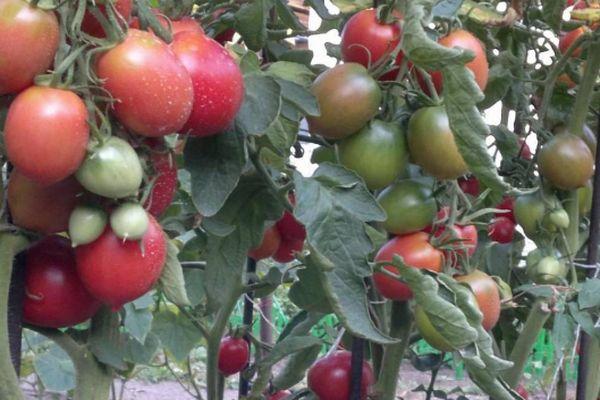
- The tomato is a cluster type, with up to 5 fruits forming in 1 cluster.
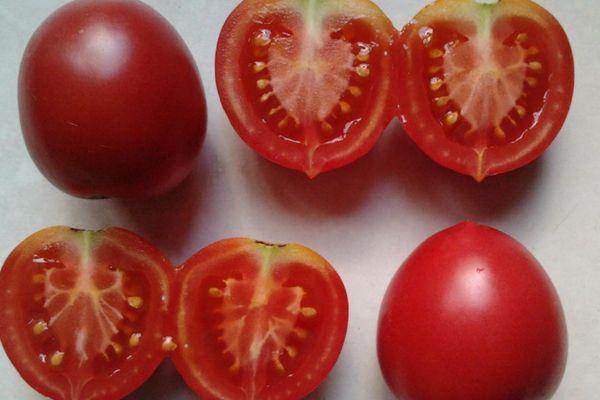
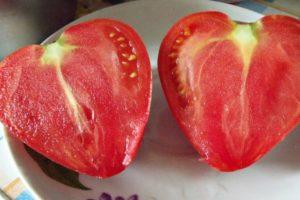
- The berries from all harvests are almost identical in size. Pipochka tomatoes are egg-shaped with a pointed tip.
- The berries are pink and red. The flesh contains six seed chambers. The tomato skin is thick, allowing for long-distance transport. Ribbing is not visible on the berries.
- The fruits of the Pipochka tomato weigh from 60 to 120 g. The Kazakh version of the tomato (called Kostanay) has berries that weigh between 0.14 and 0.16 kg.
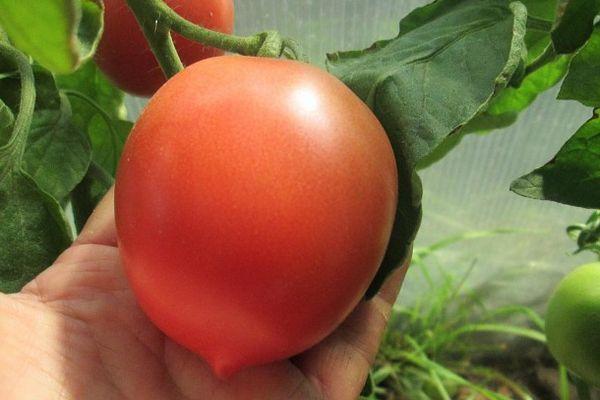
Reviews from farmers growing this variety indicate that Pipochka yields up to 5 kg of berries per bush. The plant is overloaded with fruit, requiring sturdy support. To obtain larger fruits, train the bushes into 1-2 stems and remove all side shoots.
The plant is resistant to many diseases and garden pests. Only grape snails can damage it. The tomato skin doesn't crack during sudden precipitation, and ripe berries don't fall off the bushes. The Pipochka produces a harvest in 2-3 flushes. The first harvest is at the end of July, and then 1-2 more flushes are harvested until September.
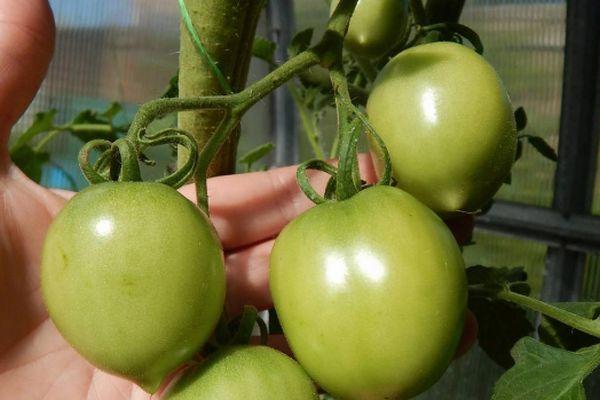
If the gardener didn't manage to harvest the fruit before the cold weather hit, the green ones should be placed in a dark place where they will fully ripen.
Pipochka is grown not only in the Volga region but throughout Russia. In the central part of Russia, plastic greenhouses are used, while in Siberia and the Far North, heated hotbeds and greenhouse complexes are recommended.
How to grow seedlings yourself?
After purchasing seeds, it's recommended to test them for germination. Pipochka should be grown using seedlings. To do this, the seeds are first disinfected with potassium permanganate, soaked in a growth stimulator for two hours, and then sown in trays filled with soil consisting of equal parts peat, compost, and sand. Mineral fertilizers are added to this soil.
The first shoots appear within a week. They are watered with warm water once every four days. When one or two leaves appear on the seedlings, they are pricked out. It is recommended to transplant the grown bushes to their permanent location after the spring frosts have passed.
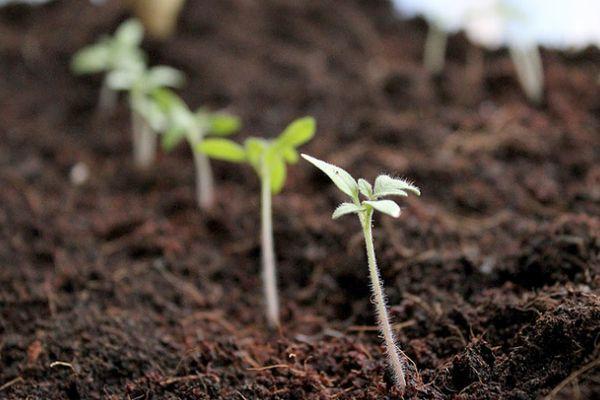
To do this, loosen the beds and disinfect the soil with a solution of potassium permanganate. Dig holes and add wood ash and organic or mineral fertilizer. Plant the bushes in a 0.5 x 0.5 m pattern. Water the plants with warm water. If there is a risk of sudden cold snaps at night, cover the seedlings with a warm cloth or film.
Caring for bushes
Water tomatoes once a week. This procedure is performed early in the morning, before the sun rises. If the gardener doesn't manage to water the plants at the appointed time, then the procedure is postponed until late evening. In hot or dry weather, increase the frequency of watering. Avoid allowing puddles to form under the bushes or moisture to get on the leaves. Excess water in the soil can cause tomato roots to rot, and drops of moisture on leaf blades in sunny weather can cause tomato burns.
It's recommended to fertilize Pipochka three times per season. Initially, use a mixture high in nitrogen. This helps the bushes gain foliage. After flowering, the plants are given fertilizers with equal amounts of nitrogen and potassium. When fruit begins to form, phosphorus and potassium fertilizers are used to fertilize the bushes.
Loosening the soil is done immediately after watering. This procedure improves aeration of the tomato plant's root system, which leads to accelerated growth. Loosening also helps eliminate root parasites that can damage the plant.
Weed the beds every two weeks. Weeds carry fungal and bacterial infections. Weeds harbor various insects that can damage growing tomato plants. Weeding destroys both the weeds and the pests that live on them. Snails can be controlled by incorporating wood ash into the soil under the plant roots.
Related posts:
 80 Best Eggplant Varieties for Different Regions with Descriptions and Characteristics
 What varieties of tomatoes are best to plant in a polycarbonate greenhouse?
 Description and characteristics of the best indeterminate tomato varieties for greenhouses
 Description of the Lyubov f1 tomato and tips for growing it yourself
 Description of the best varieties of black tomatoes for open ground and greenhouses
 The best grape varieties for growing in the Urals, planting and care rules in summer
 Description of the San Marzano tomato variety and tips for growing seedlings
 Description of the Skorospelka tomato variety and tips for growing seedlings
If you grow this variety in open ground, be sure to use the bioactivator "BioGrow"This remedy not only has a beneficial effect on the growth of seedlings, but also strengthens them well.