
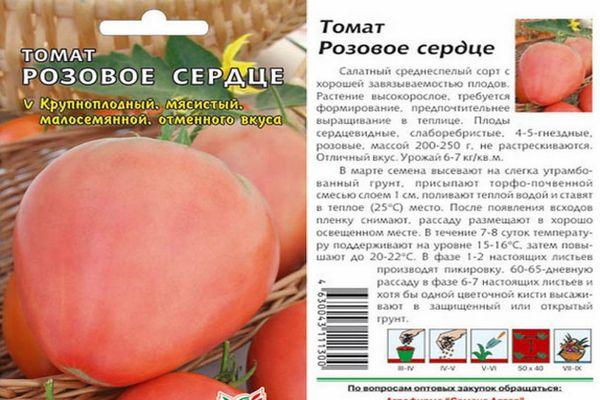
Tomato Pink Heart is a variety of the variety Bull's heartHowever, it differs from this variety in its pink fruit. The Pink Heart tomato was developed by Russian breeders in 2002. It was registered with the Russian Register in 2003. Planting seeds for seedlings follows specific guidelines. In the south of our country, seedlings are planted in open beds. In the northern regions, tomatoes are grown in greenhouses. In central regions, tomatoes are grown in hothouses under plastic film.
Characteristics of fruits
Characteristics and description of the variety:
- The variety is mid-early.
- After planting the seedlings in the ground, it takes 100-105 days for the harvest to ripen. The plant is indeterminate.
- The bushes have unlimited growth after the formation of inflorescences.
- The plant needs to be shaped and the side shoots removed.
- The bush needs support.
- Standard tomato.
- The plant height reaches 1.6-1.8 m.
- In the south the bush grows up to 2 m.
- The leaves are large and dark green.
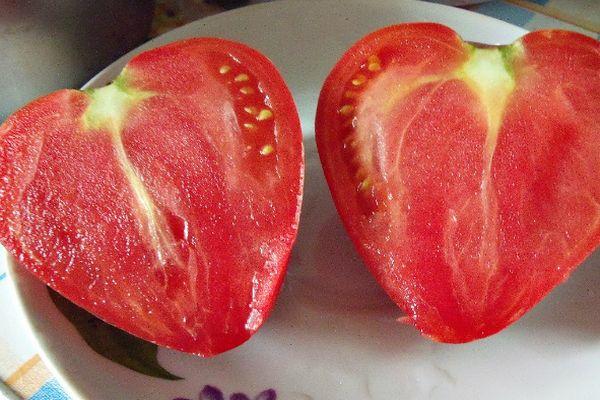
Ripe fruits are pink and heart-shaped, hence the variety's name. Early tomatoes weigh up to 450 g, while later ripening ones weigh 250–300 g. The flesh is firm and juicy. The fruits contain up to 5–6% dry matter. The skin does not crack. The fruits contain vitamins B and C, and a high glucose content, which is beneficial for strengthening the immune system. Even people with digestive ailments can eat tomatoes.
Tomatoes can be eaten fresh, used in salads, appetizers, sauces, ketchups, side dishes, and gravies. The fruits are large, so they are pickled in barrels. Many housewives use tomatoes to make juice and tomato puree. Due to their high sugar content, they are very tasty. A single bush yields up to 2.5-3 kg. Gardeners plant 2-3 bushes per square meter. Many obtain a yield of up to 9 kg per square meter.
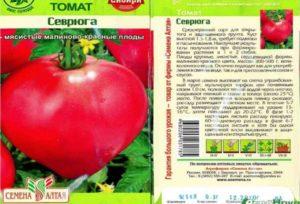
On websites on the Internet, you can read descriptions of the variety and reviews from gardeners about it, and learn about its pros and cons.
Advantages:
- excellent immunity;
- disease resistance;
- excellent sweet taste.
Flaws:
- the yield is small;
- the plant requires care;
- poor transportability;
- The branches are thin and require garters.
Features of cultivation
Sow the seeds in March. Lightly compact the soil before sowing. After sowing, cover the seeds with a layer of soil containing peat and black soil, water with warm water, and cover with plastic wrap. Leave the containers in a room with a temperature of up to 25ºC. Once the seedlings emerge, remove the plastic wrap and place them in a bright location.
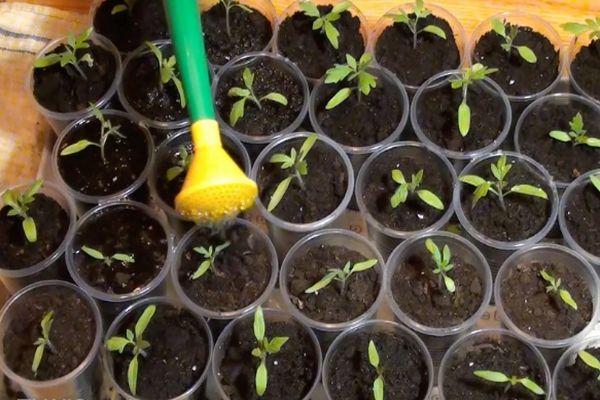
During the first 7 days of seedling growth, the temperature should be between 15 and 16ºC, then 25ºC. The seedlings should be transplanted after two leaves have formed. They are transplanted into a greenhouse or open garden bed after 60-65 days. By this time, the seedlings should have 6-7 leaves and one ovary.
The soil should be fertile and rich in nutrients. Plants should be fertilized with organic and mineral fertilizers every two weeks. The bushes should be watered, pruned, side shoots removed, and weeded. To prevent diseases and control insects, plants can be treated with insecticides.
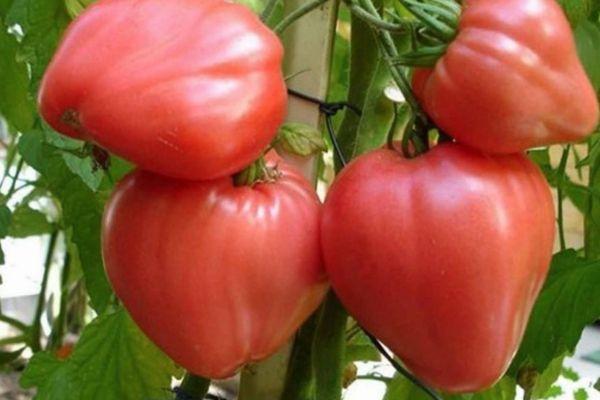
The plant has a tall stem, so it needs to be tied to a support. Stake the branches to prevent them from sagging under the weight of the harvest. When pinching out side shoots, leave 1-2 stems to increase the yield. This variety requires care, watering and other agricultural practices, so its cultivation requires experience.
Related posts:
 Description of the Velika grape variety, cultivation and care tips
 How to propagate and grow peas, cultivation technology, and care in open ground
 Description of 30 varieties and types of Muscat grapes, planting, cultivation and care
 Description and characteristics of the Syrah grape variety, where it grows
 Description of the best, most productive and new varieties of cucumbers for 2025
 80 Best Eggplant Varieties for Different Regions with Descriptions and Characteristics
 How to properly grow a peach tree from a seed at home, planting and care
 Description of the best potato varieties of domestic and foreign selection

A good variety, the tomato is firm and juicy. It can be stored for quite a long time. The yield is excellent; I only used a growth activator. BioGrow, it is natural, so it will not harm the seedlings.