
- Descriptions of cultures
- History of selection
- Key similarities and differences
- Comparative characteristics of Ivan da Marya and Ivan da Shura
- Which is better: key advantages and disadvantages
- Technology of planting and caring for varieties
- Timeframe for completion of works
- Preparing the site and tubers
- Planting methods
- By no-till planting
- After planting under straw
- Watering
- Loosening and hilling
- Fertilizing: What and when to feed your plants
- Protection from diseases and insects
- The nuances of harvesting
- Vegetable growers' reviews of varieties
In the modern world, numerous potato varieties have been developed by crossing different cultivars. Hybrid vegetable crops are typically expected to possess unique characteristics that reduce cultivation and maintenance costs. And the more modern potato breeding is, the more resilient and easy-to-grow this crop becomes.
The Ivan da Marya potato, described below, is not a new development, but it has been proven over the years to be a high-yielding, unique-looking, and excellent-tasting potato.
Descriptions of cultures
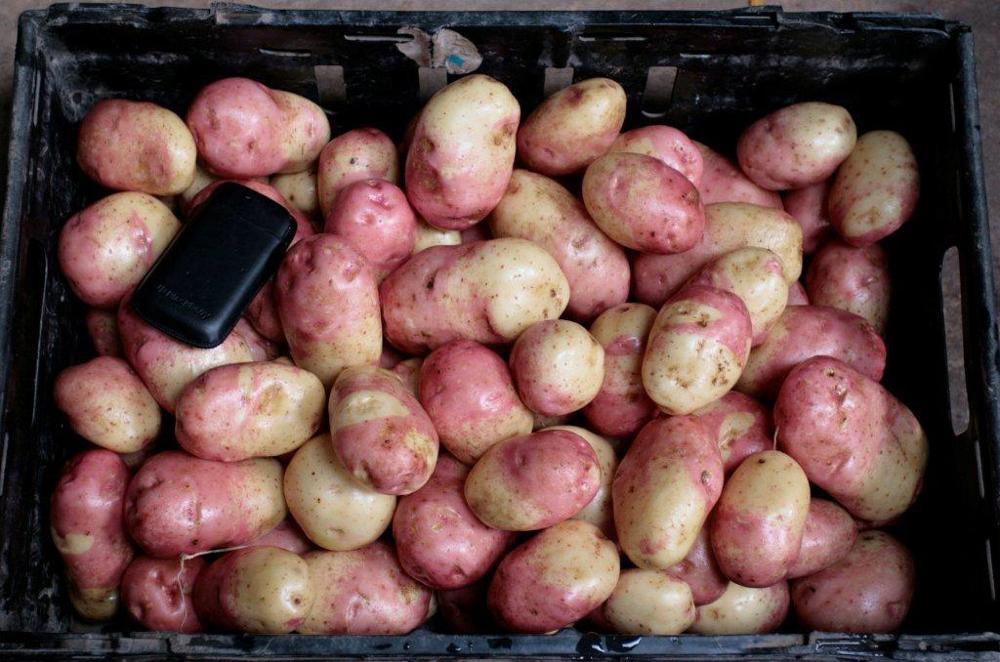
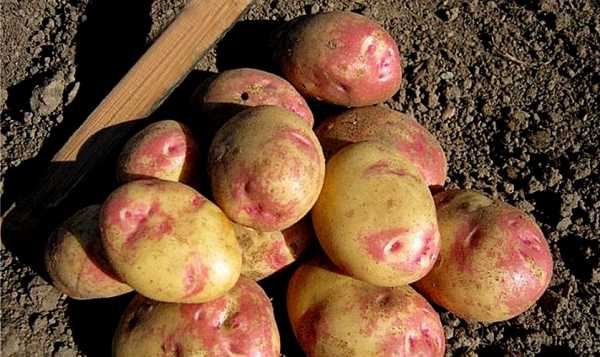
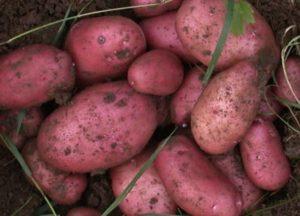
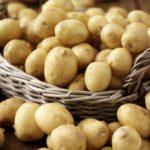
This vegetable crop ripens late, 120 to 150 days after planting in open ground. The bushes are upright and tall, with little branching and abundant, large, green foliage. During flowering, inflorescences emerge, revealing white or cream-colored flowers. The plants' rhizomes are robust, with 12 to 25 large root vegetables maturing under each bush. The tubers are uniform, weighing 70 to 160 grams, with smooth skin and yellow-red spots, and a starch content of 8-13%.
History of selection
The Ivan da Marya potato variety, like the Ivan da Shura variety, was developed by amateur breeders in the mid-1980s. Scottish and Dutch potato varieties served as the basis. The result is a new variety, Ivan da Marya, highly unusual in both appearance and taste. While rarely planted commercially today, it is actively grown by gardeners and vegetable growers.
Key similarities and differences
The main difference between the varieties potatoes are ripening and harvesting times harvest. While the Ivan da Shura potato is ready for harvesting within 70-75 days after planting, the Ivan da Marya variety will require about four months to fully mature. Otherwise, these potato varieties are comparable.
Comparative characteristics of Ivan da Marya and Ivan da Shura
Each type of vegetable crop has distinctive characteristics that make it popular and well-known.
Main features and characteristics of Ivan da Marya:
- The planting material degenerates quickly, so potatoes of this variety need to be constantly bred.
- Excellent taste qualities allow using potatoes for preparing any dish.
- The variety is universal and can be planted both in industrial quantities and in garden plots and vegetable gardens.
- The variety is resistant to nematodes and cancer diseases.
- Long-term storage of ripe root crops and the possibility of long-distance transportation.
- It does not require much care.

Main characteristics of Ivan da Shura.
- High taste characteristics.
- Early ripening of root crops.
- Possibility of long-term storage.
- Resistant to drought and high temperatures.
- With proper care, the variety produces a large harvest.
- Natural immunity to most diseases.
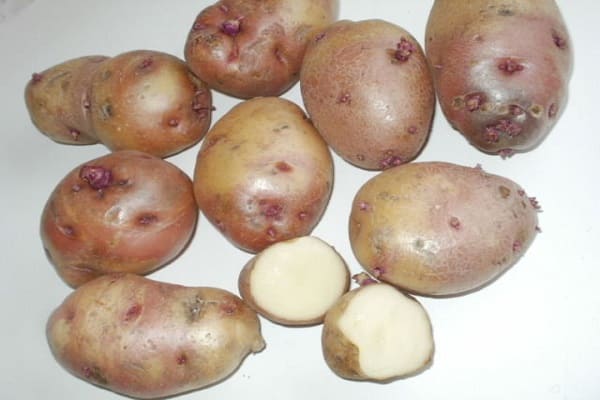
Based on comparative characteristics, it becomes clear that the Ivan da Marya and Ivan da Shura varieties are practically indistinguishable from each other, with the exception of the ripening time of the root crops.
Which is better: key advantages and disadvantages
Although these potato varieties are not included in the state register, they are popular among farmers and gardeners. Like any vegetable crop, these potato varieties have their advantages and disadvantages. Both varieties require no special agricultural care. However, Ivan da Shura prefers moderate moisture and fertilization and tolerates drought well.
Ivan da Marya requires careful adherence to irrigation works, especially in the absence of precipitation and extreme heat.
Without sufficient soil moisture, plants wilt and stop developing, which negatively impacts the harvest.
The Ivan da Marya variety is also considered more susceptible to certain diseases and pests. The main difference between the varieties is the harvest time. If you haven't yet grown these vegetables, try planting both varieties and choose the one you like best based on the harvest results.
Technology of planting and caring for varieties
The main requirement for vegetable crops is their productivity. Without proper planting and agricultural practices, a good harvest is impossible. Therefore, to grow potatoes, you need to follow certain rules.
Timeframe for completion of works
The timing of planting depends on the weather conditions in the region where the potatoes are grown. In the south, planting begins as early as April, in the central region in early May, and in northern latitudes, as soon as the soil warms to 8-10 degrees Celsius.
Preparing the site and tubers
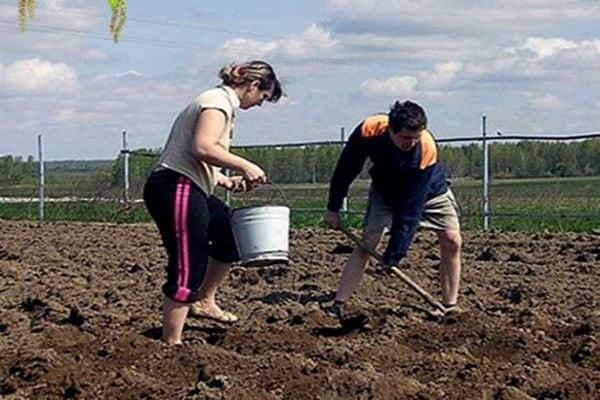
Potatoes are planted in open, well-ventilated, and well-lit areas. Soil preparation begins in the fall. The soil intended for planting is dug to a depth of 3-40 cm and mixed with compost. The soil is then thoroughly loosened and left until spring.
In the spring, the beds are re-dug, and the soil is mixed with organic fertilizer. Tubers for planting in open ground are prepared in advance. Planting material is selected from previous harvests or purchased from nurseries. The planting material is carefully inspected for severe damage and signs of mold or rot. Damaged tubers are discarded.
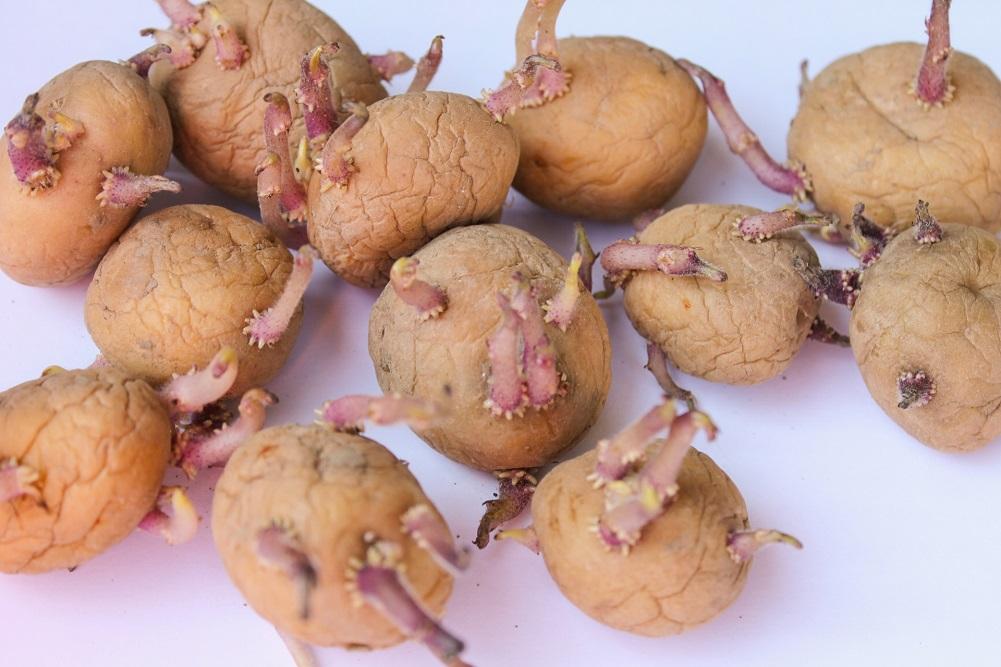
Fifteen to 20 days before planting, place the potatoes in a warm, bright location to germinate. If the tubers dry out significantly during germination, mist them with a humidifier. As soon as sprouts of 1 to 3 cm appear, the seedlings are ready for transplanting into the ground. Before planting, it's advisable to treat the tubers with an antibacterial agent. This will increase the plants' resistance to various diseases.
Important! Each root vegetable should have at least 5-7 shoots. If the root vegetable is cut for planting, each piece should have 2-3 shoots.
Planting methods
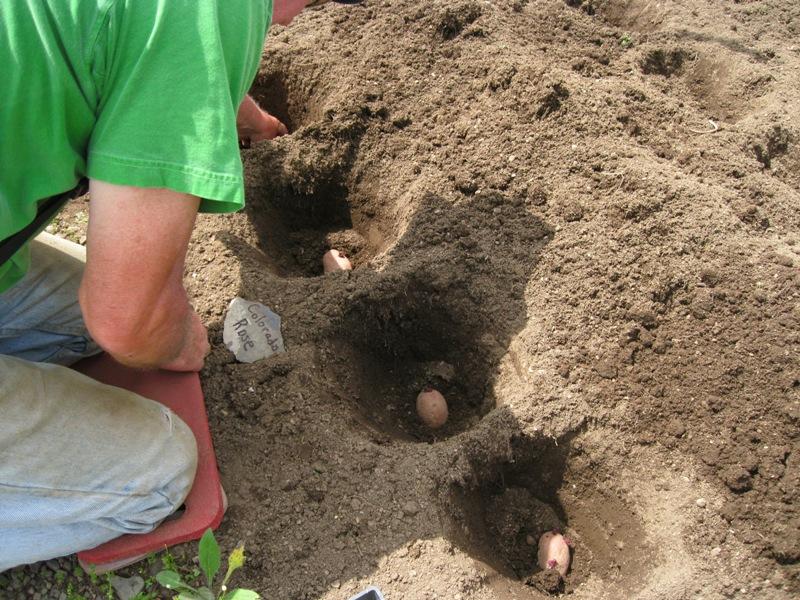
The standard method for planting potatoes is to place the prepared, sprouted tubers in dug holes or a harrow 10-12 cm deep. The distance between holes is at least 30-35 cm, and between rows, 60 to 80 cm. The planting material is buried 5-8 cm deep and covered with soil. There are also other methods. methods of planting potatoes.
By no-till planting
Potatoes are laid out on the ground at a distance of 25-35 cm between tubers and 60-70 cm between the proposed beds. Next, a trench is dug between the beds, and this soil is used to cover the tubers laid out for planting. It is desirable that the covering soil be fertile. The resulting beds should then be loosened and hilled.
After planting under straw
When planting potatoes in open ground, the method of planting tubers under straw is used. Many gardeners and vegetable growers claim that this method of planting potatoes ensures a higher yield.
- The soil is thoroughly loosened and all lumps are removed.
- The soil is very moist.
- Sprouted planting material is laid out in holes or harrows.
- The holes are covered with a thick layer of straw.
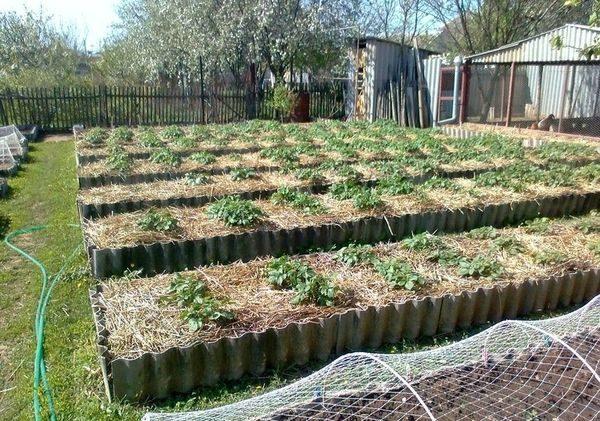 Important! When planting vegetables under straw, do not water or hill them.
Watering
The Ivan da Marya and Ivan da Shura varieties don't require any special watering conditions. While Ivan da Shura is drought-tolerant, Ivan da Marya struggles with water shortages during droughts. On average, careful watering is necessary. watering potatoes Irrigation is performed three times throughout the season. Irrigation is especially important during flowering.
Loosening and hilling
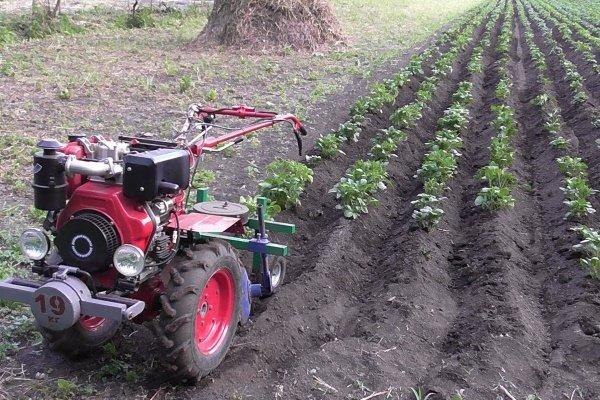
Soil loosening is usually timed to coincide with watering and fertilizing. Loosening removes weeds and helps retain moisture. Hilling potato beds is performed several times throughout the growing season.
The first time, they hill up the beds with young shoots that have just emerged from the ground.
The next hilling process occurs during the potato flowering period. The final hilling is performed after the plants have finished flowering. Hilling is carried out in well-moistened soil. This enriches the plant's root system with oxygen and moisture.
Fertilizing: What and when to feed your plants
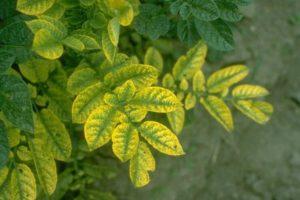
To ensure a good and abundant harvest, vegetable crops need to be fed and fertilized. Twenty-five to 30 days after planting in open ground, potatoes are fed with potassium and phosphate fertilizers. Further feeding is given during bud formation and after flowering.
Protection from diseases and insects
If planting procedures are carried out correctly, these potato varieties are resistant to diseases and pests. To avoid exposure to viral and fungal diseases, planting material is replaced every 3-4 years. While the Ivan da Shura variety has natural immunity to diseases and pests, the Ivan da Marya variety is often susceptible to late blight. In this case, the plants are treated with professional copper-based products.
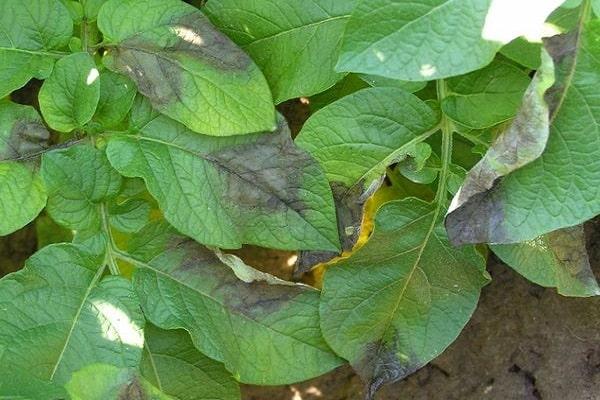 Important! Proper and timely potato care will help minimize the risk of plant diseases.
The nuances of harvesting
Potato varieties vary in ripening time, but the harvesting and storage process is the same. As soon as the tops begin to dry out and wilt, the roots are ripe. Seven to 10 days before harvesting, the tops are cut off. The potatoes are dug with a pitchfork, thus reducing the risk of damage to the tubers. The roots are then dried for 10-14 days, and only then are they packed into bags or boxes and stored in a cool, well-ventilated area.
Vegetable growers' reviews of varieties
Inga Sergeevna, Moscow region
I first saw and tried the Ivan da Marya potato at a neighbor's dacha. She shared her seeds with me, and for three years now, my whole family has been harvesting this colorful wonder. The only drawback is that this potato is susceptible to various pests, but we manage.
Svetlana Pavlovna, Ulyanovsk
We've been growing the Ivan da Marya variety for many years and have no plans to change. We constantly update our seed stock and have learned how to care for it. It's susceptible to various bugs and requires treatment against late blight. But that doesn't bother me because the potatoes are delicious.
Nikolay, Perm
I'm very pleased with the Ivan da Shura variety. Beautiful, even tubers, early ripening, and a unique flavor. What else do you need for a good potato?
Related posts:
 Description of the Ivan da Marya tomato variety, reviews
 Description of the best potato varieties of domestic and foreign selection
 Description and characteristics of the Rodrigo potato variety, cultivation and care
 Description and characteristics of the Krasavchik potato variety, planting and care
 Why potatoes aren't growing well in the garden, and what to do to ensure a bountiful harvest
 Description and characteristics of the Picasso potato variety, planting rules and care
 Description of the best potato varieties for 2025, selection for regions
 Description and characteristics of the Gulliver potato variety, planting and care