
- Variety selection
- Picasso Potato: Characteristics and Description
- Appearance of the bush and root crop
- Potato yield and taste
- Where is the culture used?
- Necessary growing conditions
- Planting rules for a good harvest
- We determine and prepare the site for planting
- The best and worst neighbors
- Timing and technology of planting
- Proper care for excellent quality
- Watering and fertilizing
- Loosening and weeding the beds
- Hilling potato bushes
- Prevention and control of insects and diseases
- Harvesting and storage
- Reviews
Potatoes are the most common vegetable in gardens. Gardeners tend to plant varieties with different ripening times. Picasso potatoes are in high demand. They are attractive, store well over winter, and have excellent flavor. A description, photos, and reviews of the Picasso potato variety are provided below.
Variety selection
Dutch breeders have developed numerous potato varieties, including the Picasso. It was introduced to Russia in 1995, and since then, the vegetable has been successfully cultivated across its vast expanses. The Picasso potato has many popular names: Pyanichka, Little Red Riding Hood, Ivan-da-Marya, Matryoshka, and Ryabukha.
Picasso Potato: Characteristics and Description
The potato was named after the artist Picasso, who spent a period of his career painting exclusively in pink. The variety has gained popularity for its excellent taste, good shelf life, adaptability to various climates, and transportability.
Appearance of the bush and root crop
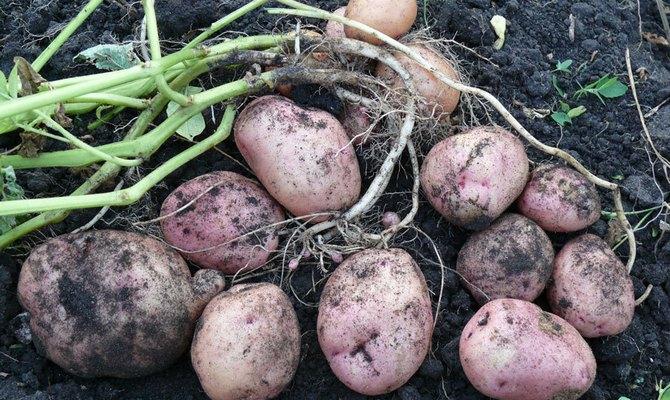
The Picasso potato grows vigorous bushes composed of upright shoots with dark green leaves. By the end of July, the lower stems bend slightly toward the ground. The inflorescences are white. The root system develops well, with up to 20 potatoes growing from a single root.
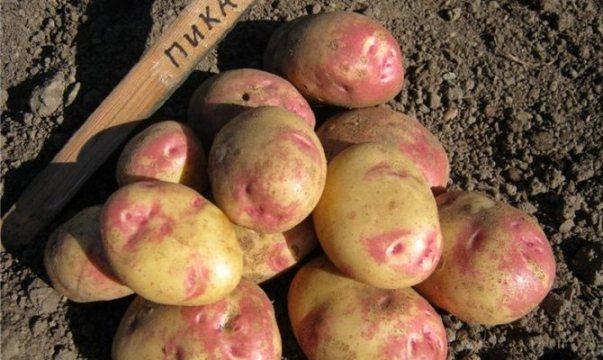
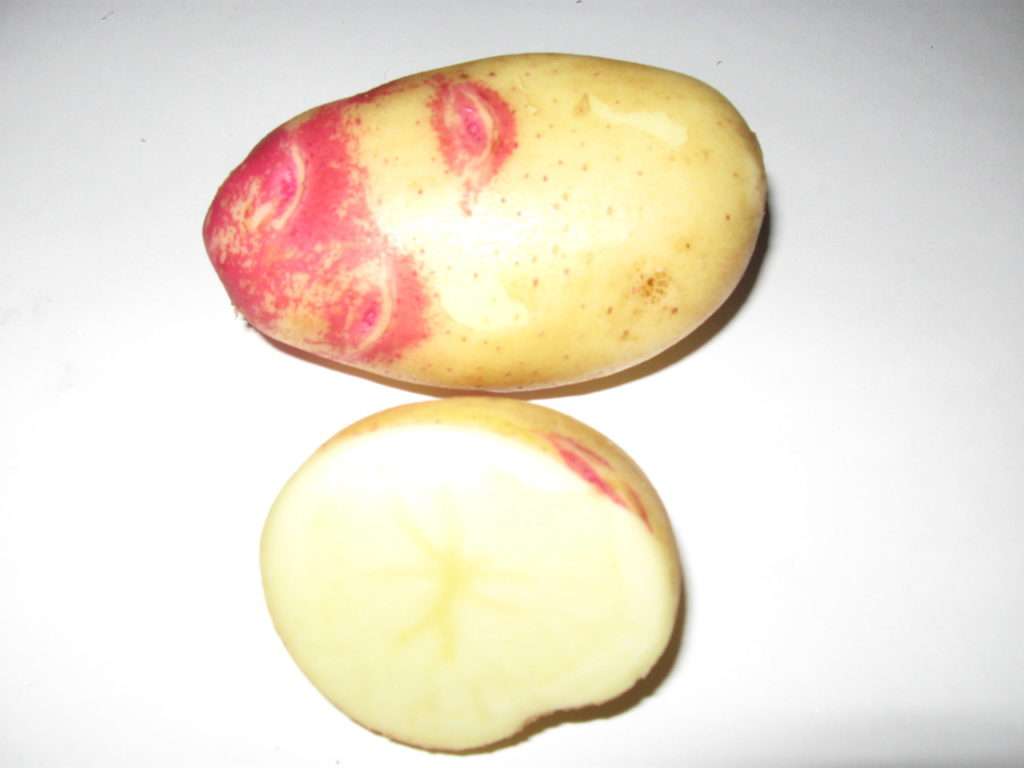
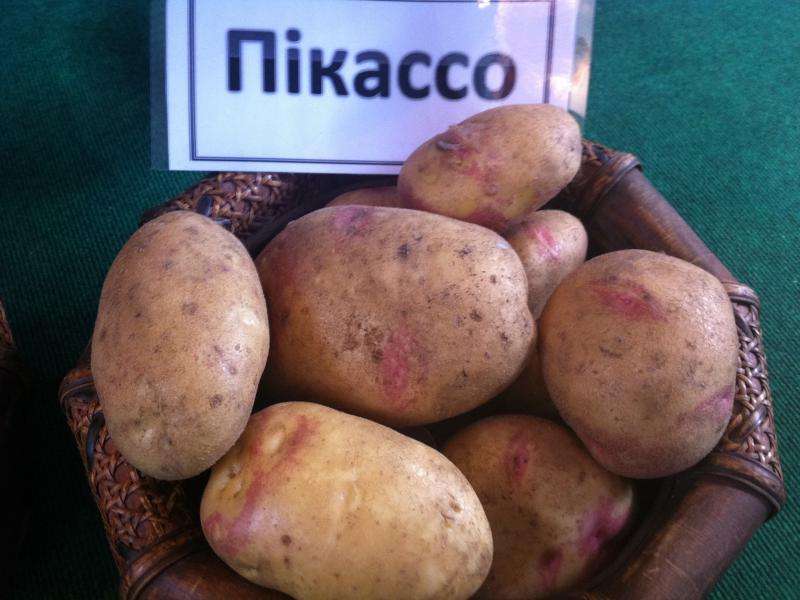
The fruits are oval in shape, with shallow eyes, and yellow with pink flecks. They weigh between 80 and 120 grams. The flesh is beige.
Potato yield and taste
With proper care, a gardener can harvest an average of 200-300 kilograms of potatoes from one hundred square meters. Picasso potatoes have a shelf life of 90-95%, making them suitable for winter storage. Their excellent taste is one of the reasons consumers choose this variety.
Where is the culture used?
Picasso potatoes contain only 10-12% starch, so they don't fall apart when cooked. Cut potatoes don't darken. They can be used in soups, mashed potatoes, salads, and even deep-fried.

Necessary growing conditions
To obtain a bountiful harvest, the following conditions must be met:
- A month before planting, the potatoes are raised from the cellar to germinate. In the warmth and light, thick, short sprouts form, which will quickly develop into above-ground and then underground parts in the open ground.
- Before planting, the tubers are dipped in a solution of insectofungicides to protect the seedlings from diseases and pests.
- Observe crop rotation and do not plant potatoes after related crops of the nightshade family.
Planting rules for a good harvest
To grow high-quality potatoes, proper procedures are followed from the planting stage. These include: site preparation, selecting potato neighbors, and timely planting. By following proper agricultural practices, gardeners will reap a bountiful harvest of delicious potatoes in the fall.
We determine and prepare the site for planting
A well-lit site with no groundwater close to the surface is chosen for planting potatoes. The site is prepared in the fall by digging it over and adding manure, compost, and ash.
If you were unable to process the area in the fall, you can do it in the spring, but the manure added must be well-rotted.
The best and worst neighbors
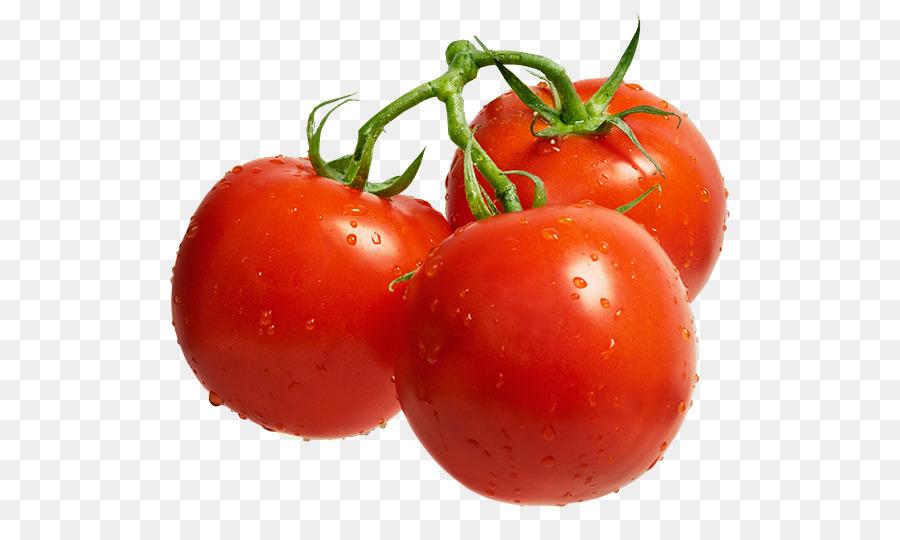
To prevent potatoes from becoming infected with pathogenic microflora, it's important to practice crop rotation: avoid planting potatoes after related crops like tomatoes, eggplants, and peppers. They are susceptible to the same diseases, which negatively impacts the quality of the harvest. Experienced gardeners recommend rotating potato planting locations each year. If this isn't possible, at least plant different varieties.
To improve the soil, green manure crops (alfalfa, rye, mustard, oats) are sown in the fall. As they rot over the winter, they fertilize the soil and kill pathogens. The best predecessors to potatoes are cabbage, legumes, and cucumbers. Garlic and onions planted nearby will protect the vegetable from pests.
Timing and technology of planting
Potatoes are planted in the ground after the soil has warmed up well. Since Picasso is a mid-late variety, there is no need to plant them early.
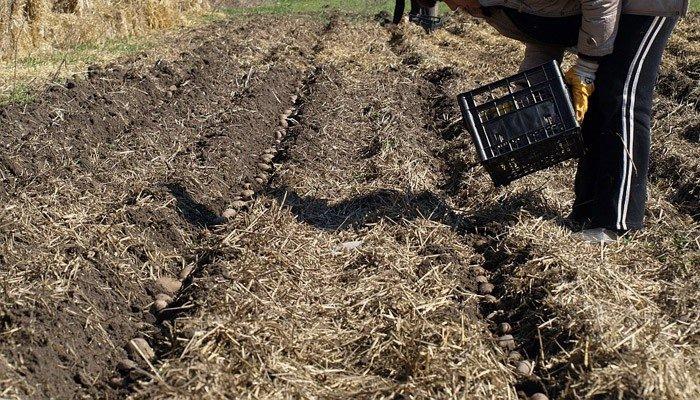
There are several ways to plant tubers: in holes, under straw, in furrows, in trenches.
Please note! Since the Picasso potato variety produces vigorous plants, the distance between the root crops should beplanted in the range of 40-50 centimeters, between rows - 70 centimeters.
Proper care for excellent quality
Once the first shoots appear, the crop will require constant care, including watering, hilling, fertilizing, and protecting the plantings from diseases and pests.

Watering and fertilizing
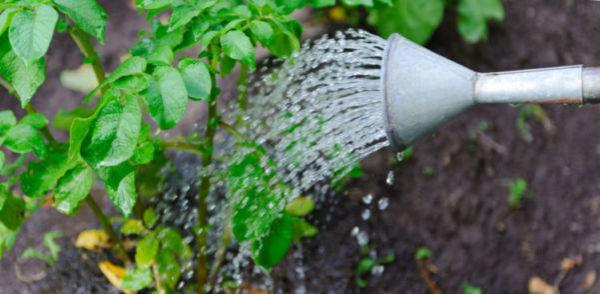
The first watering after planting occurs when the shoots reach a height of 6-10 centimeters. The soil is then watered during flowering, and again after flowering to promote active root development. The larger the stems, the more water is required.
Before budding, the bushes are fed with a solution consisting of 1 part manure and 15 parts water. Once flowers appear, the plant is fertilized with a potassium-phosphorus mixture, such as ash and superphosphate. The fertilizer is prepared by mixing 2-3 tablespoons of each substance and dissolving them in a bucket of water.
Loosening and weeding the beds
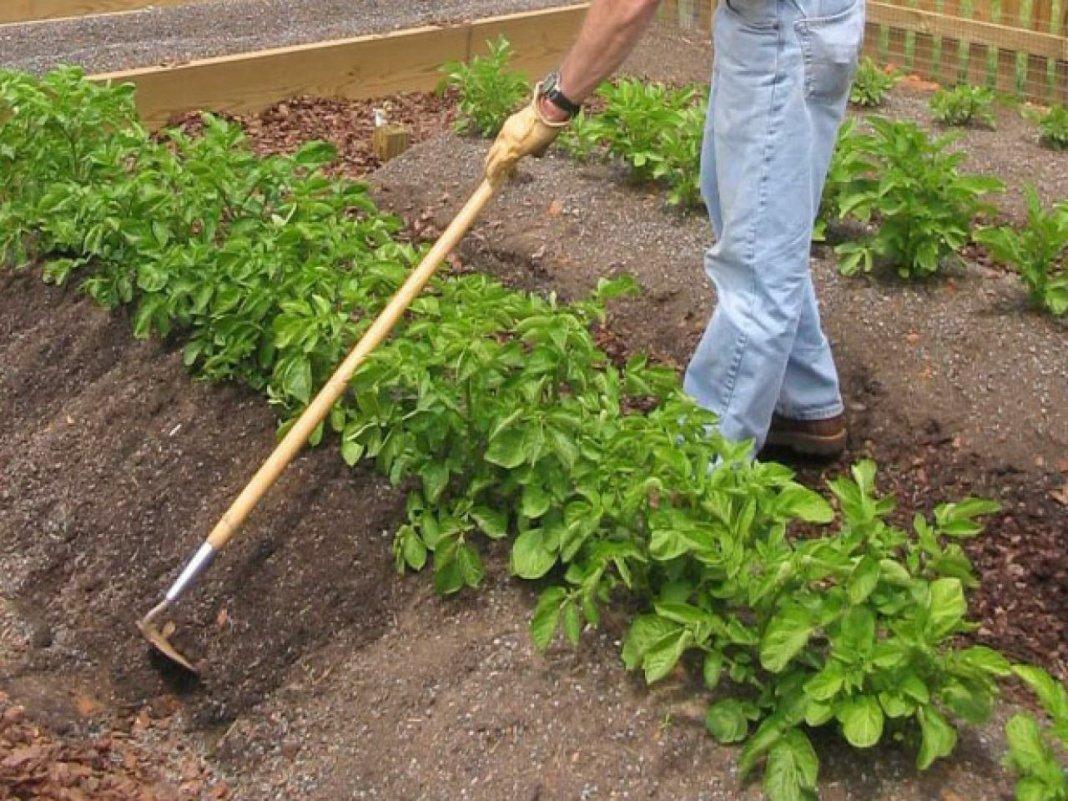
After each watering or rain, the soil should be loosened. This agricultural technique promotes air access to the roots. At the same time, loosening the soil removes weeds that hinder the development of young plants and can carry pests and pathogens.
Hilling potato bushes
A characteristic of potato plant development is that the young tubers that form don't penetrate deeply into the soil, but rather are concentrated just below the surface. If hilling is not done, after watering or heavy rainfall, some of the roots may be exposed to the surface. In the sun, they quickly develop solanine, turning green and becoming unfit for consumption.
Prevention and control of insects and diseases
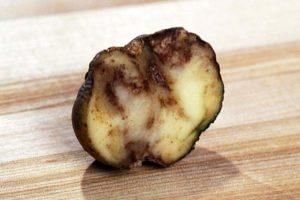
The Picasso potato variety is resistant to many diseases. The only problem it struggles with is late blight. This disease can quickly spread to other plants and ruin the entire crop. To prevent the spread of pathogens, plants are treated with antifungal agents.
The following measures are used to prevent the disease:
- there should be a distance of at least 40 centimeters between bushes to allow free air circulation;
- Before planting, treat the tubers with special preparations to prevent disease;
- do not plant vegetables after plants of the nightshade family;
- weed out weeds that may carry the disease.
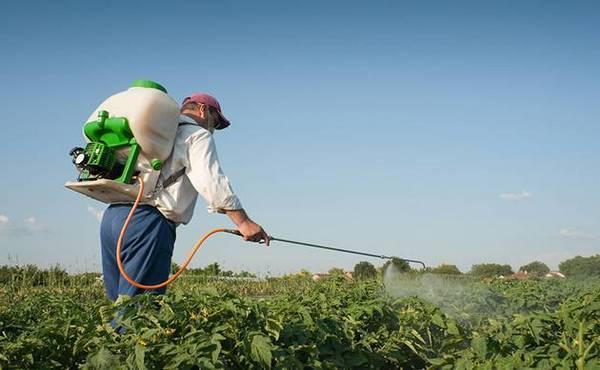
Picasso potatoes can be damaged above ground by leafhoppers and Colorado potato beetles, while the underground parts can be damaged by mole crickets, wireworms, and cutworms. To prevent significant damage, the tubers are sprayed with an insecticide solution before planting. Colorado potato beetles are collected by hand, and when they become too numerous, they are treated with chemicals. Some pests can be controlled by removing weeds and hilling the beds.
Important! When treating bushes with chemicals, protect exposed areas of your body to prevent splashes.
Harvesting and storage
The harvest begins in early autumn. The dug-up tubers aren't removed immediately, but left to dry in the sun for several hours. The potatoes are then sorted and culled. Any roots with cuts or blemishes are discarded, as they will rot and soon contaminate the entire crop.
Vegetables are stored at a temperature of +4°C. For best preservation, use small bags and nets. When stored in bulk, the root vegetables should be no more than 1 meter thick. During the winter, they should be sorted, and any vegetables that are beginning to spoil should be discarded. Ventilation is essential in the storage area.
Reviews
According to gardeners, Picasso potatoes have an excellent flavor and can be used to prepare any dish. Their positive qualities also include good shelf life and easy transportation. With proper agricultural practices, they are virtually immune to diseases and pests.
Lena Moldova
We've been growing this potato variety for a long time, but only recently learned it's called Picasso. In our region, it's known as "Pyanichka" (drunkard) because of the red spots on its nose. It's delicious; I use it in soups, mashed potatoes, and fried with onions and mushrooms.
Nina Petrovna 63 years old. Mardarovka Ukraine
I planted two-colored potatoes after the peas. I got a big harvest, which is typical. I didn't treat them with anything before planting, but my potatoes grew healthy and weren't affected by any diseases. Perhaps the peas helped improve the soil.
Igor Petrovich, 57 years old. Stavropol Territory
I recommend Picasso potatoes for planting. They're tasty, easy to care for, and have a strong immune system. I place them in a warm, bright room for three weeks to germinate. Just before planting, I spray the tubers with an antifungal agent, and I haven't had any problems for the rest of the season.
Related posts:
 Description of the best potato varieties of domestic and foreign selection
 Description and characteristics of the Rodrigo potato variety, cultivation and care
 Why potatoes aren't growing well in the garden, and what to do to ensure a bountiful harvest
 Description and treatment of potato diseases, methods of control using folk and chemical means
 Description and characteristics of the Gulliver potato variety, planting and care
 Description and characteristics of the Krasavchik potato variety, planting and care
 Description of the best potato varieties for 2025, selection for regions
 Description and characteristics of the Sante potato variety, planting rules and care