
- Description of the variety, characteristics
- Appearance of plants
- Productivity
- Disease resistance
- Advantages and disadvantages of Impala potatoes
- The subtleties of growing crops
- Optimal timing and choice of location
- Preparing the site for planting
- Preparing tubers
- Planting in the ground, planting pattern and depth
- Further care of the variety
- Watering and fertilizing
- Loosening and weeding
- Hilling
- Protecting potatoes from diseases and pests
- Assembling and storing the Impala
- Reviews from experienced gardeners
The Impala potato variety has been popular with experienced gardeners for over twenty years. Its popularity stems from its positive characteristics and high yields. This variety is the result of Dutch selection and became widespread throughout Russia in the late 1990s. Let's take a closer look at the variety's advantages and disadvantages.
Description of the variety, characteristics
The Impala variety is characterized by high yield, attractive appearance and excellent taste.
Appearance of plants
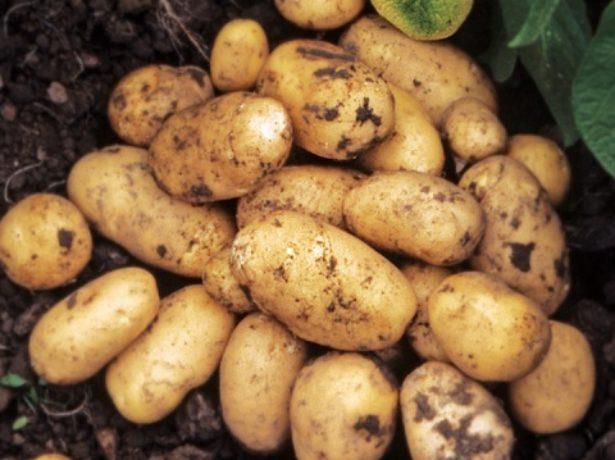
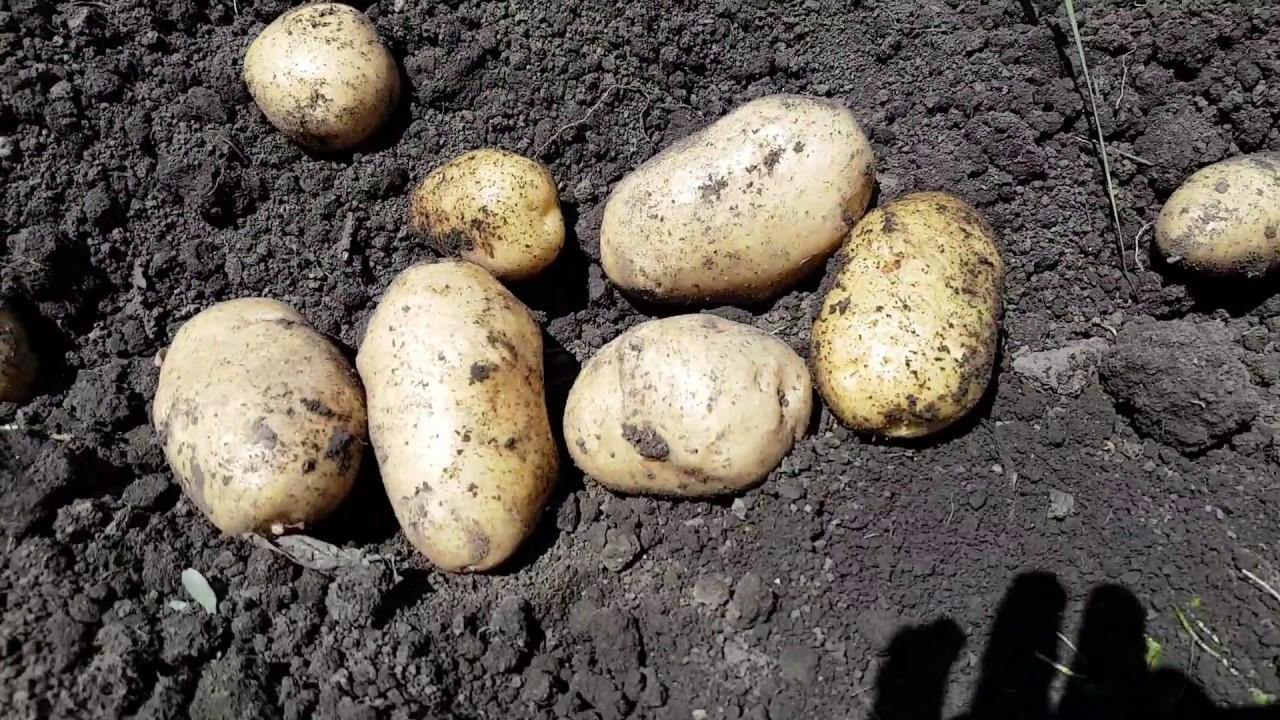
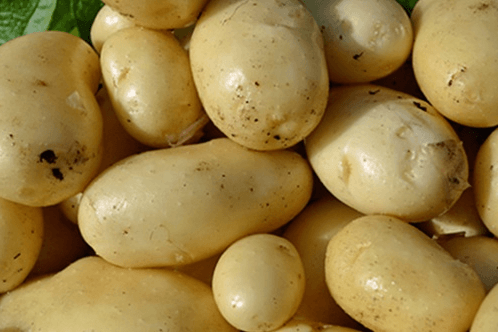
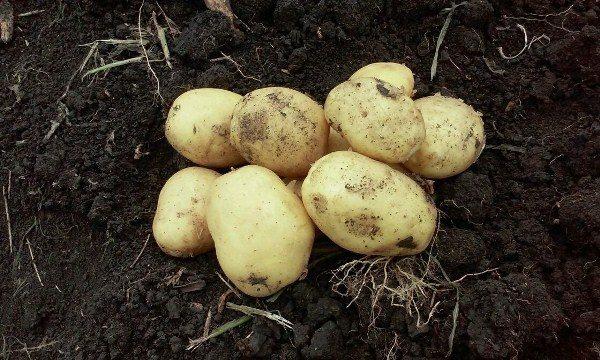
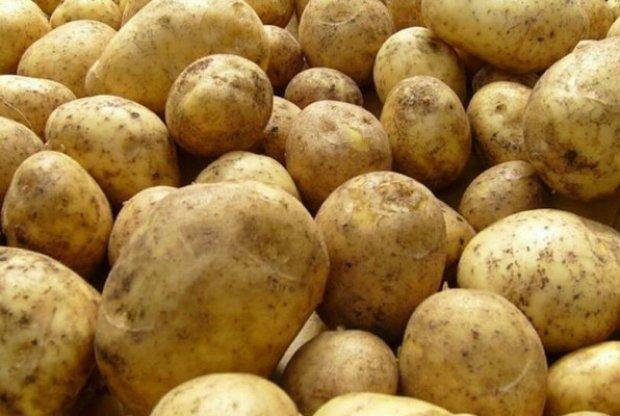
The bush of this crop reaches almost 0.80 meters. It is dense and well-foliated, forming up to five stems. The leaves are small and richly green. The white flowers have yellow spots. The roots themselves are oval, have a thin, dense skin, and small eyes. Each fruit typically weighs 130 grams. The starch content is low – only 15%.
Productivity
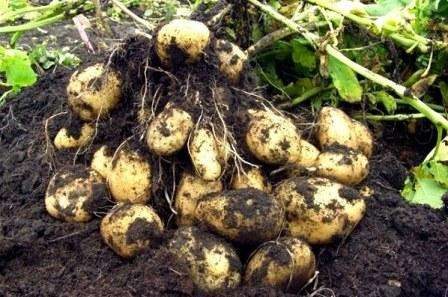
The Impala variety is early, meaning it ripens in just six weeks. The yield is at least twenty tubers per plant. Overall, the yield is approximately 400 centners per hectare, or 50-60 tons of root vegetables per season. In some regions, this variety is used for multiple harvests.
Disease resistance
Impala potatoes are resistant to canker and nematodes, and are rarely affected by fungal and viral diseases, as well as scab. However, the plant is often susceptible to late blight and rhizoctonia. When the initial signs of the disease appear, the crop stops growing, so prompt treatment with fungicides is essential.

Advantages and disadvantages of Impala potatoes
The crop has both strengths and weaknesses. The advantages of growing the Impala potato variety include the following characteristics:
- the fruits are resistant to mechanical damage, and therefore, after harvesting, almost all of them retain their marketable appearance;
- the presence of a dense peel ensures good storage;
- designed for growing on any type of soil;
- high yield;
- high taste characteristics;
- adaptability to diseases, drought and bad weather.
However, potatoes also have their drawbacks: the variety does not tolerate excessive moisture and frequent rains well, as it is susceptible to certain diseases.
The subtleties of growing crops
To achieve optimal yield and healthy tubers, it is necessary to follow the basic principles of growing the Impala variety.
Optimal timing and choice of location
The plant prefers sunny sites and light to medium soil that is not too waterlogged and has moderate acidity. Planting is recommended in mid-April or early May, when the soil has warmed up sufficiently.
Preparing the site for planting
Before planting, loosen the soil and add organic matter. Dig holes for planting, spacing them at least thirty centimeters apart. It's recommended to sprinkle a cup of wood ash into each hole.

Preparing tubers
The tubers should be germinated twenty days before planting. To do this, bring them into a warm room. Immediately before planting, treat the roots with fungicides or insecticides.
Planting in the ground, planting pattern and depth
Impala plants are planted in the following ways: in open ground, using a ridge, or using a spade. The scheme is as follows:
- A hole is dug 15 centimeters deep, or 7 centimeters deep in heavy soil.
- Next, the sprouted planting material is laid out on both sides of the hole.
- And then add organic fertilizers and sprinkle with soil.
Watering is not required at this stage.
Further care of the variety
Further care doesn't require any particular difficulties or painstaking labor. Infrequent watering, loosening the space between the rows, and weeding will suffice.
Watering and fertilizing
This variety requires infrequent watering, as it does not tolerate excess moisture, but is also sensitive to drought. During periods of heavy rainfall, avoid watering. Three waterings over the summer season are sufficient: one week after germination, during bud formation, and after flowering.
Watering is done in the morning. Fertilizer mixtures are applied in early May or June: bird droppings and nitrogen-containing mixtures are suitable.
Loosening and weeding
The first loosening is required after two weeks to ensure adequate airflow. It's important to perform this procedure carefully, being careful not to damage the fragile seedlings. During periods of drought, loosen the soil after each watering.
Hilling
If the ridge method was used, the top layer of soil is loosened. However, when using the other method, hilling is performed once the seedlings have grown to twenty centimeters. This requires hilling on all sides with a mound. The procedure is repeated after a couple of weeks.

Protecting potatoes from diseases and pests
This variety rarely gets sick, but occasionally the plant is affected by late blight, especially during periods of heavy rainfall. Since this is an early variety, it is not recommended to use chemicals to protect the crop from pests. Hand-picking insects is often used if there are not many. In other cases, folk remedies are used, such as treating the planting material with manganese.
In severe cases and when fungal infections (black spots) appear, insecticides and fungicides are used. Scab is extremely rare. To prevent such infections, bleach is added to the soil and copper sulfate is applied. Colorado potato beetles can be controlled with Tiran or Prestige.
Take a look Also

Assembling and storing the Impala
The harvest takes place in mid-June. It is not recommended to leave the harvested fruits in direct sunlight. Immediately after harvesting, they should be spread out in a thin layer to dry.
If root vegetables are left in an open area, they will turn green under the influence of ultraviolet light, and their subsequent consumption may adversely affect human health.
It is recommended to store the harvested crop in a room with a temperature no higher than five degrees and moderate humidity.
Reviews from experienced gardeners
Reviews from people who have planted this variety are mostly positive: gardeners are pleased with the harvest, the lack of need for complex care, and the marketability.
Alexander
"I've been growing this variety for several years now. Its main advantages are that it's an early potato and large in size. However, in extremely dry seasons, the fruits are small and often crack—their only drawback."
Valentina
"This year, we tried growing the Impala variety for the first time, as other potato varieties often spoiled or got sick. But with this crop, we had no such problems – the roots are large, have a good appearance, and store well. The taste is also impressive – it can't compare to other potatoes."
Related posts:
 Description of the best potato varieties of domestic and foreign selection
 Why potatoes aren't growing well in the garden, and what to do to ensure a bountiful harvest
 Characteristics and description of the Impala tomato variety
 The best grape varieties for growing in the Urals, planting and care rules in summer
 80 Best Eggplant Varieties for Different Regions with Descriptions and Characteristics
 Description and characteristics of the Lorkh potato variety, planting and care
 Description of 30 varieties and types of Muscat grapes, planting, cultivation and care
 Descriptions of the 20 best cherry varieties for the Moscow region, their planting and care