
- History of the variety's development
- Characteristics of the bush and potatoes
- Crop yield
- Growing conditions
- Required soil composition
- Optimal site for planting
- Suitable climate for growing root crops
- Advantages and disadvantages: is it worth planting?
- How to plant potatoes in a garden
- Deadlines
- Compatibility with other cultures
- Step-by-step landing algorithm
- Caring for potato plantings
- How often to water
- Loosening, weeding and fertilizing bushes
- Hilling
- Protection from insects and diseases
- Scab
- Late blight
- Harvesting and storage
- Vegetable growers' reviews of the Queen Anna potato
The Queen Anna potato variety boasts excellent flavor and high yields. This crop is disease-resistant and virtually unaffected by pests. This German-bred variety is adapted to adverse conditions and climate fluctuations, resulting in consistently good yields. All these characteristics make this potato very popular among experienced gardeners.
History of the variety's development
The Queen Anne variety was developed by German breeders from the Hamburg-based company SaKa Pflanzenzucht Gbr. This company is part of the international organization Solana GmbH & CoKG.
This potato variety was included in the State Registers of the Russian Federation, Ukraine, and Belarus in 2015. Since then, it has gained popularity and earned high marks from experienced gardeners.
Characteristics of the bush and potatoes
This potato variety is versatile and characterized by early ripening. From planting to harvest, it takes 80-90 days. It is recommended to dig up the roots before the end of the growing season.
The potato plant has spreading shoots. Mature plants are erect or semi-erect and medium-sized. The leaves have a typical shape. Their surface is wrinkled and covered with a fine fuzz. The leaves are dark green. The bushes produce numerous inflorescences, distinguished by a large corolla and white petals.
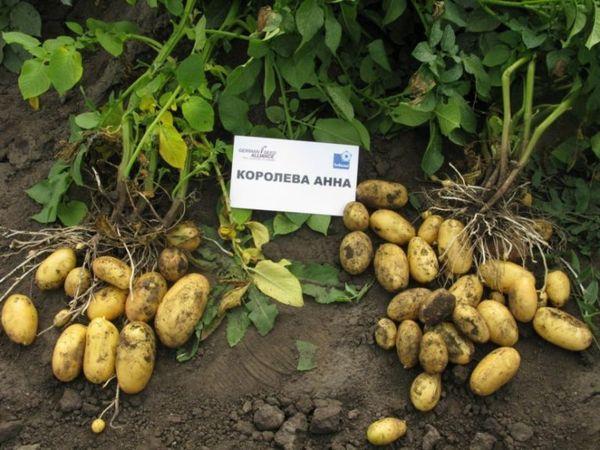
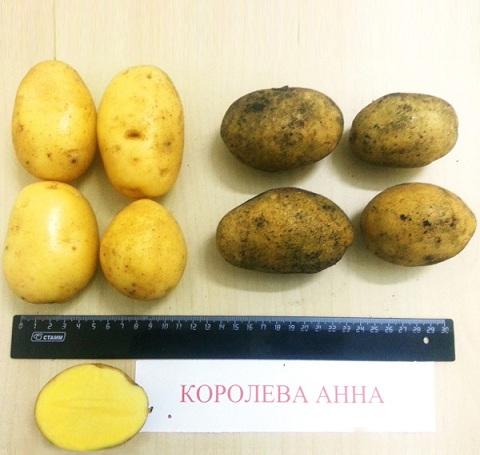
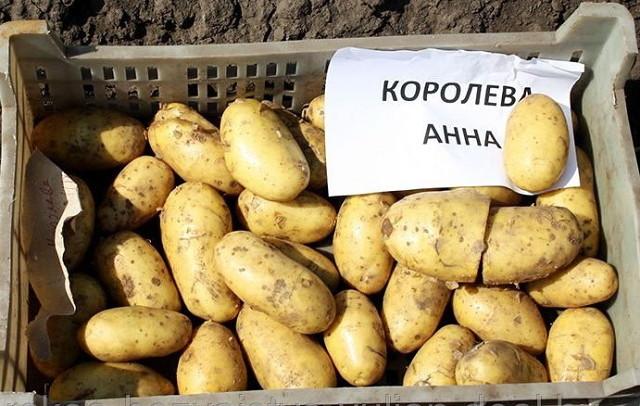
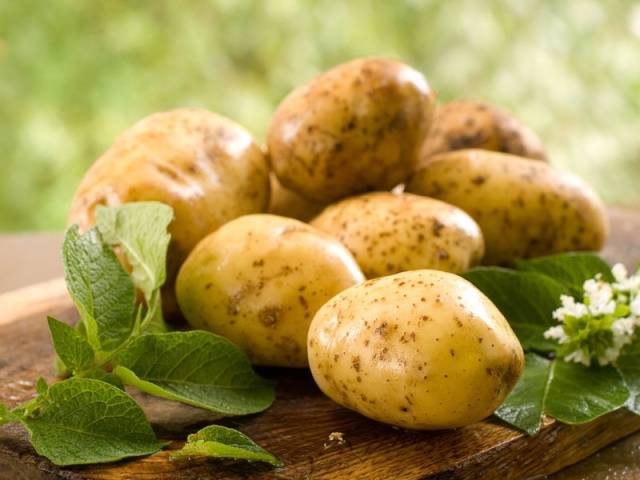
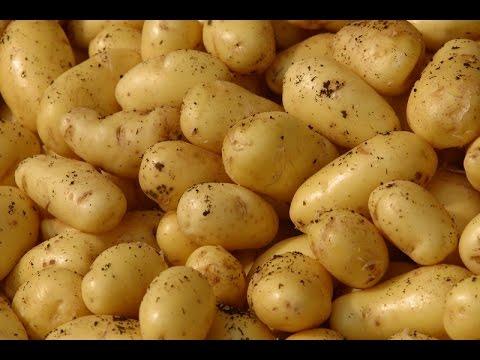
The root vegetables are characterized by yellow flesh and skin. Young tubers have thin skin, but after harvest, the skin hardens. Potatoes have a small number of eyes, which are located on the surface.
The tubers also have good commercial characteristics and are suitable for sale.
The potato is distinguished by its oval and slightly elongated shape. Each potato averages 85-115 grams in weight. The tubers reach 110 centimeters in length. The fruits of this variety contain 13-20% starch. Moreover, the highest amount of this element accumulates in dry weather.
Crop yield
This variety is considered high-yielding. Each hectare yields 400-450 kilograms of potatoes. Small roots are very rare when ripe. They are distinguished by their pleasant taste and distinct aroma.
Growing conditions
To get a good harvest, it's important to grow this crop correctly. This requires proper soil composition and planting site selection.
Required soil composition
To ensure a high yield, plant the crop in loamy or sandy loam soil. Black soil is also a good option. It's important that the soil is loose and well-drained. It should also contain the required amount of chemical elements.
Potatoes should be planted in warm soil. Otherwise, the seedlings may quickly rot, resulting in crop loss.
Optimal site for planting
Potatoes of this variety prefer sunny locations. It's important to avoid standing water in the garden bed. It's best to choose locations protected from strong gusts of wind.
Suitable climate for growing root crops
This potato variety can be grown in a variety of regions. It easily tolerates any climate. However, in areas with dry, hot summers, it is recommended to water the plants well.
Advantages and disadvantages: is it worth planting?
This potato has many advantages. These include the following:
- high yield rates;
- high vitamin content in root vegetables;
- great taste;
- rapid ripening;
- good presentation;
- long-term storage possibility;
- ease of care;
- resistance to diseases and pests.
The variety's drawbacks include low drought tolerance and susceptibility to a few diseases. When grown in dry regions, the plant requires ample watering.
How to plant potatoes in a garden
Queen Anne potatoes are characterized by their ease of care and excellent yield.
Deadlines
When planting, timing is crucial. Planting too early will not yield a harvest. The tubers also remain in the ground for a long time and do not germinate. This potato variety is best planted between April 20 and May 15. When choosing the timing, consider the trees. Gardeners often begin planting when the birch leaves emerge.
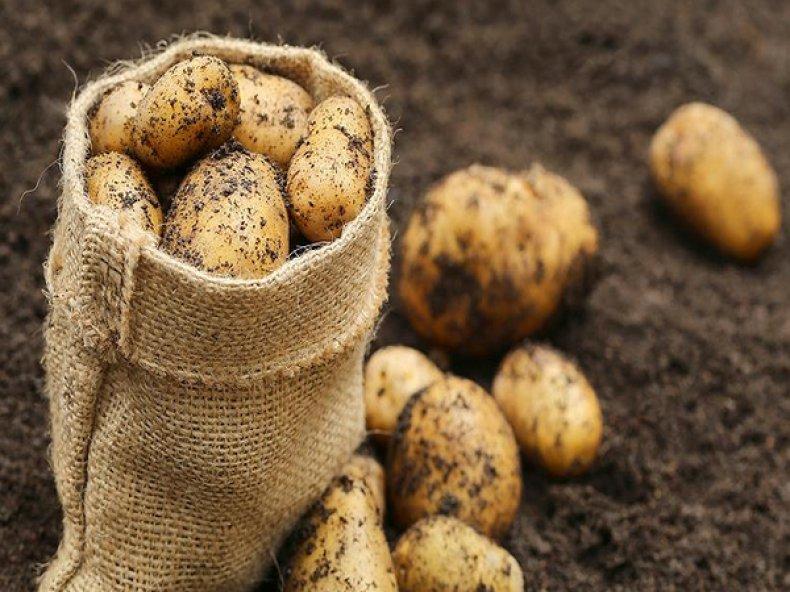
Potatoes should be planted in cool weather and slightly moist soil. The soil should be warm to a depth of 10 centimeters.
Compatibility with other cultures
Avoid planting crops in areas where nightshades grew last summer. Potatoes should only be grown after three years. These plants have special characteristics and absorb all the nutrients from the soil.
Take a look Also
Furthermore, it's forbidden to plant potatoes in the same spot every year. This will lead to tuber degeneration. Legumes, cabbage, and cucumbers are considered optimal precursors.
Step-by-step landing algorithm
To get a good harvest, it is recommended to do the following:
- In the fall, it's best to dig up the potato bed. First, cover the soil with manure or compost. In the spring, it's recommended to apply nitrogen fertilizer.
- Make holes or furrows. It's recommended to leave at least 40 centimeters between them. This potato variety is considered a prolific grower and is characterized by large tubers.
- Place no more than one potato per hole. Otherwise, there's a risk of too many tubers growing, which will result in small root vegetables.
- It's recommended to fill the holes immediately after planting. This will help prevent the soil from drying out.
- The top of the beds is mulched with peat. This layer should be 2-3 centimeters thick.
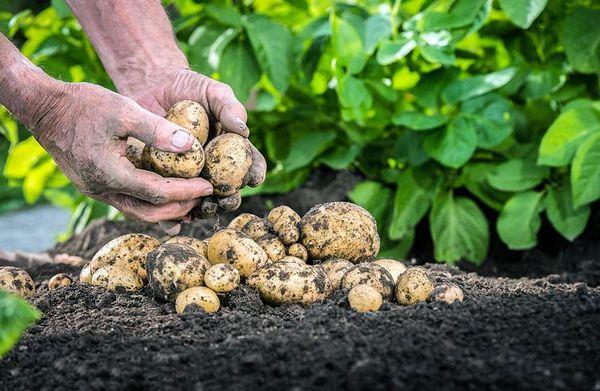
Don't plant the Queen Anne variety as cut tubers. The roots should remain intact.
Caring for potato plantings
To ensure a wonderful harvest, it's recommended to provide the plant with proper care. It should be watered, fertilized, and loosened regularly. Pest and disease control is also crucial.
How often to water
It's recommended to water the beds from the moment the tubers form. This is done during the bud formation stage. The most critical period lasts until the tops are fully developed. Water at least once a week.
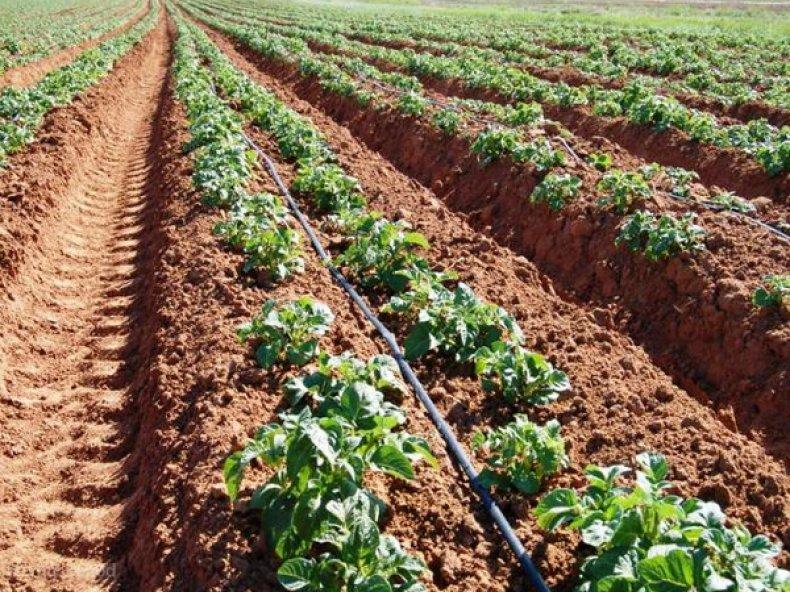
It's best to use a spray system. This helps prevent root erosion. The beds should be watered evenly. This procedure is recommended in the evenings. Avoid this in hot weather. Use 3 liters of water per bush.
Loosening, weeding and fertilizing bushes
The plant begins to emerge two weeks after planting. At this point, it's time to perform the first weeding. Loosening the soil improves oxygen flow and removes weeds. The next weeding is performed until the plant reaches 15 centimeters. During drought, it's recommended to loosen the soil after each watering.
Hilling
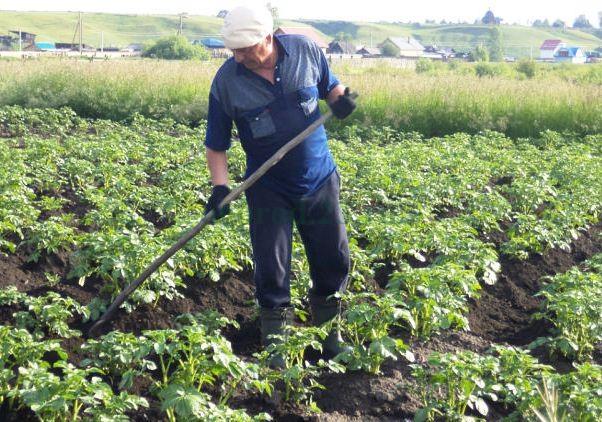
If the plant was covered with a raised bed of soil at planting time, the top layer should be loosened. It is recommended to hill the plant for the first time when the tops reach 25 centimeters. Cover the plant with soil up to the top leaves. This should be done on all sides. Repeat the same procedure after a couple of weeks.
Protection from insects and diseases
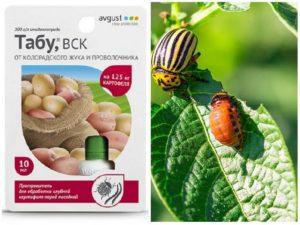
Potatoes of this variety are disease-resistant. The bushes are resistant to striped mosaic and cyst nematodes. However, the plant is sometimes susceptible to dangerous diseases.
Scab
There's a risk of powdery scab on potatoes. This infectious disease causes raised growths on tubers and leaves. After some time, these growths burst open, revealing brown, hollow areas.
Potatoes infected with scab are not suitable for long-term storage. Moreover, the fungal spores spread rapidly and can infect the seed.
To prevent disease, treat the soil with bleach. It's recommended to spray the bush itself with copper sulfate.
Late blight
Cold and damp weather increases the risk of late blight. This fungal infection affects the foliage and roots. To prevent this, treat the planting material with potassium permanganate and boric acid. At the first sign of blight, spray the bush with fungicides.
Harvesting and storage
Potatoes should be harvested 70 days after planting. It's important to consider the plant's appearance: the leaves will dry out, the tops will turn yellow, and the flowers will fall off. Given the planting time, it's recommended to harvest potatoes in early July or August.
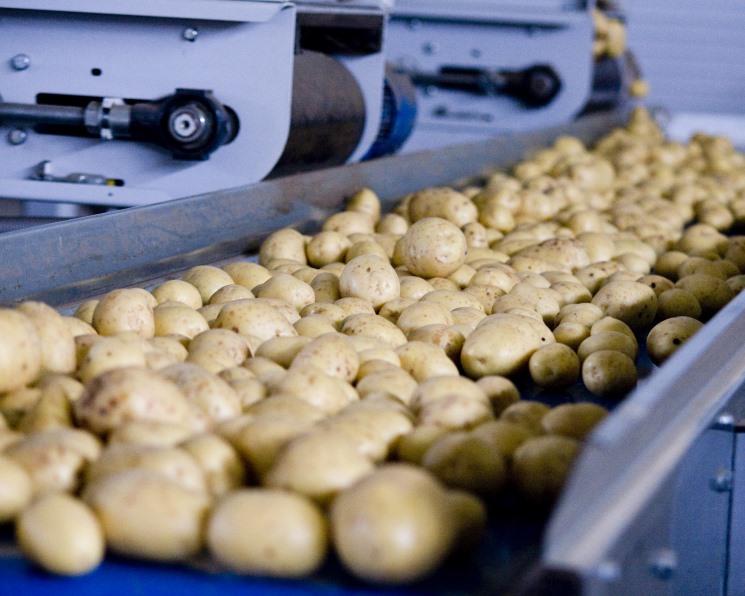 Root vegetables should be stored in a cellar. The minimum temperature should be 3 degrees Celsius. Before storing, dry the vegetables and remove any spoiled roots.
Vegetable growers' reviews of the Queen Anna potato
Numerous reviews confirm the excellent properties of potatoes:
- Marina: "I liked the ease of growing this crop. The potatoes grow quickly and have excellent flavor. Their disease resistance is a definite plus."
- Sergey: "I planted this potato variety for the first time last year. I was pleased with the results: the tubers are smooth, medium-sized, and don't overcook. They store well."
Queen Anne is a popular potato variety distinguished by its excellent flavor and high yield. The plant is disease-resistant and requires little care, making it a popular choice among gardeners.
Related posts:
 Methods for planting and propagating cherries at home
 The best grape varieties for growing in the Urals, planting and care rules in summer
 Description of the best potato varieties of domestic and foreign selection
 The best methods for growing grapes from seeds at home
 Conditions for growing mandarin at home and rules for caring for the tree
 Description and characteristics of the Rodrigo potato variety, cultivation and care
 Characteristics and description of the Manifest potato variety, planting and care
 Rules for planting and caring for pears in open ground, how to grow them correctly