
- Latona Potato: Characteristics and Description
- History of the Latona variety's development
- Description of the fruit, taste, and benefits of using potatoes in cooking
- Susceptibility to diseases
- What insects parasitize the plant?
- Necessary conditions for the growth and fruiting of Latona
- Landing
- Deadlines
- Preparing the plot and seedlings of Latona potatoes
- Depth and landing pattern
- Watering Latona potatoes
- Top dressing
- Hilling up Latona potatoes
- Preventive treatments
- Harvesting the Latona potato crop
- Do potatoes need to be washed before storing?
- Storage in the cellar
- Vegetable growers' reviews of potatoes
The Latona potato variety is a Dutch creation and is widely cultivated by Russian gardeners. It's an early-ripening vegetable that requires little care. It's grown commercially and for personal consumption. To successfully plant and care for these potatoes, please read the information below.
Latona Potato: Characteristics and Description
The Latona potato grows as tall, upright bushes with large, dark green foliage. The tops are lush, dense, and spreading. During flowering, small inflorescences with whitish corollas form on the bushes. The tops ripen and die back gradually, thereby conserving soil moisture for a long time. This variety is recommended for cultivation in the northern, central, and southern regions. After planting, the tubers begin to bear fruit in 65-80 days. One hectare can yield up to 460 centners of potatoes. The plants are resilient to droughts, dampness, and frosts down to -25 degrees Celsius.
History of the Latona variety's development
The Latona variety was developed by HZPC-Holland in the mid-20th century. Since 1996, the variety has been listed in the state register.
Scientists recommend growing potatoes in central Russia, Belarus, Moldova, and Ukraine.
Description of the fruit, taste, and benefits of using potatoes in cooking
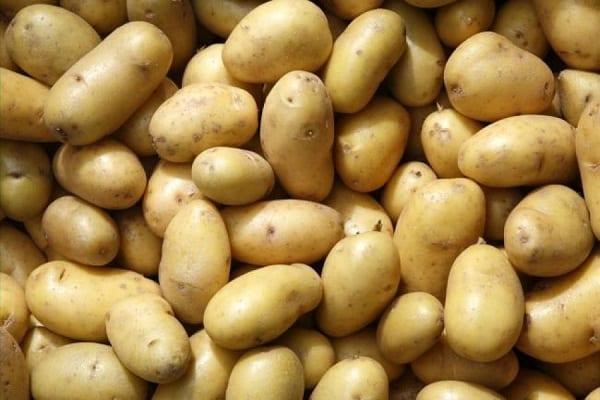
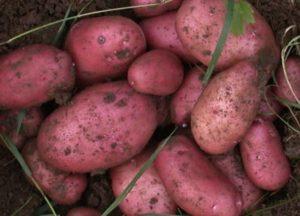
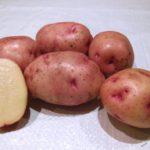
The tubers are yellowish in color, with beige flesh. The average fruit weight is about 100 grams, with some weighing as much as 140 grams. Each plant produces 9-11 tubers. These potatoes are renowned for their excellent flavor and are popular among professional and amateur cooks. The pulp contains a high starch content of 20%.
Tasters rated this variety, giving it a 4.9 rating for flavor. When cooked, the potatoes don't fall apart and retain their original shape. They are not suitable for frying due to their high starch content. This is a table variety with a high shelf life of 90%, provided there is no condensation in the storage area.
Susceptibility to diseases
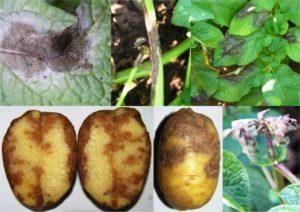
The Latona potato variety has average resistance to disease and is often susceptible to late blight, scab, and canker. With regular preventative treatments, disease resistance increases.
What insects parasitize the plant?
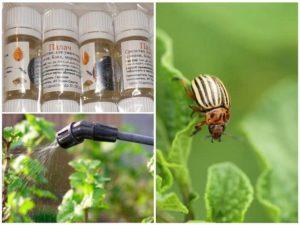
Among harmful insects, potatoes are sometimes attacked by the Colorado potato beetle. Less commonly, the tops are affected by nematodes and rot.
Necessary conditions for the growth and fruiting of Latona
Agricultural technology for growing potatoes It's easy to grow, even for beginners. Regular soil loosening, mulching, fertilizing, and watering are all that's required.
Landing
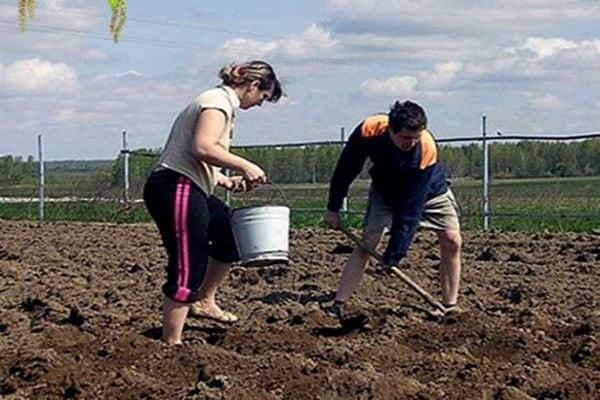
Potato seedlings should be planted in the garden at the appropriate time, following proper agricultural practices. Two weeks before planting, the soil should be tilled, holes dug, and nutrients added to the holes.
Deadlines
It's best to plant potatoes after the soil warms to 10 degrees Celsius or more. This is usually late March or early April. In cold climates, planting is postponed until late April or early May. Planting potatoes when there's still a risk of frost will slow down the development of the tubers or even cause them to die.
Preparing the plot and seedlings of Latona potatoes
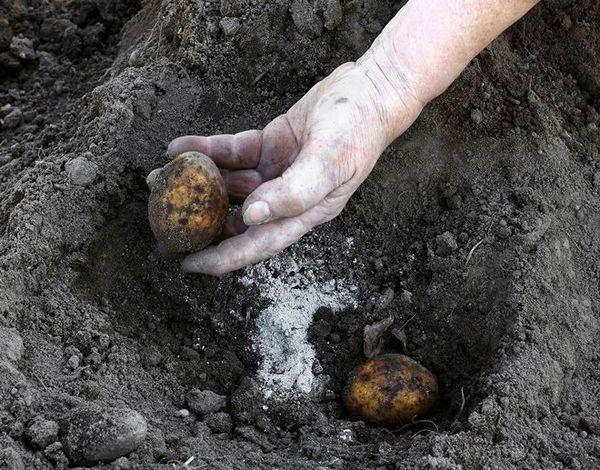
First, loosen the soil with a spade's width, removing weeds and enriching it with oxygen. If the soil is nutritious, you can skip the fertilizer. Otherwise, if the soil is heavy, add a handful of wood ash and compost to the holes. The tubers are pre-selected; they should be whole, free of external defects and blemishes. Plant roots weighing 60-70 grams.
Depth and landing pattern
Holes should be dug 10 cm deep, maintaining a distance of 40 cm between bushes and 65 cm between beds. The denser the planting, the higher the risk of disease and the more difficult the care.
Watering Latona potatoes
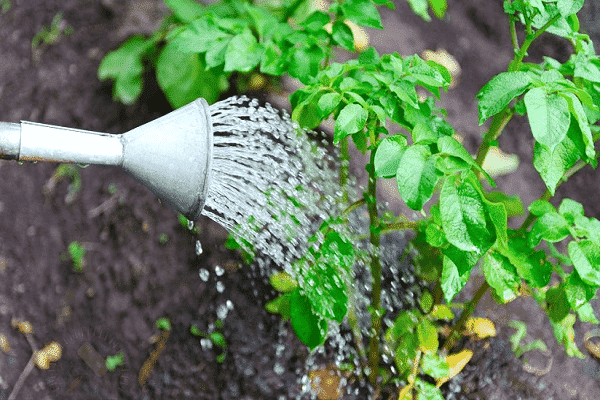
Potato plants should be irrigated during bud formation and flowering. At other times, watering is not necessary. Drip irrigation and sprinkler irrigation are widely used.
Top dressing
It's best to fertilize potatoes with a mixed fertilizer, alternating mineral and organic matter.
- When the plant begins to develop green mass, add semi-liquid mullein or 1 tablespoon of urea per bucket of water. The recommended amount per plant is 0.5 liters of the chosen substance.
- During budding, add potassium. You can use 3 tablespoons of wood ash and 1 tablespoon of sulfate per bucket of water.
- During flowering, the bushes are fed with granulated superphosphate.
If you fertilize potatoes regularly, the harvest will be abundant, and you can even get several per season.
Hilling up Latona potatoes
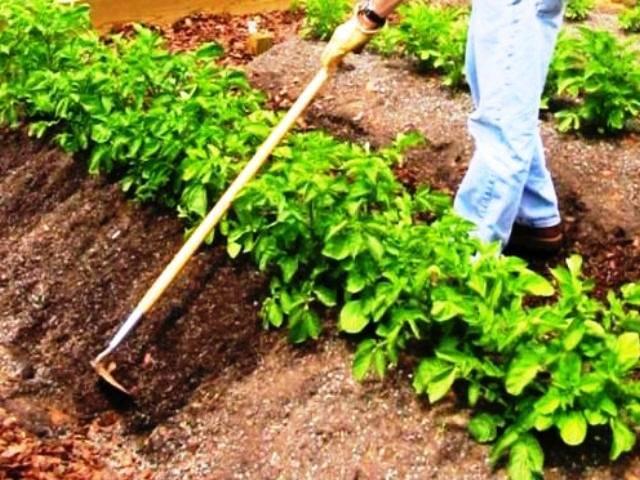
Some gardeners consider hilling useless, but according to the rules, it shouldn't be neglected. Afterwards, the soil is saturated with oxygen, and the plants feel more spacious. The potatoes are protected from stagnant moisture, top growth is stimulated, and yield increases. The first step is to hill the plants when they sprout. Then, after watering or heavy rainfall, the plants are also hilled before flowering.
Preventive treatments
Ash is used as a preventative measure. It protects potatoes from rotting. Water the plants with a solution containing this substance and sprinkle it on the tops. This method is also effective against Colorado potato beetles. The plants are also watered with a decoction of onion peels. This can be added to the planting holes or sprinkled around the potatoes in crushed form.
If you plant bushes in a place where legumes, mustard, and calendula previously grew, this will help protect them from wireworms.
Late blight can be combated with a garlic infusion. Take 200 g of garlic, crush it until it becomes a paste, and add half a glass of water. Let the mixture sit for two days. Then, stir and apply it to the plants 2-3 times, every 10 days.
Harvesting the Latona potato crop
Latona potatoes can be harvested in late June or early July. By then, the plants have finished flowering and the tops have wilted slightly.
First, dig up one potato bush. When the tubers have grown to a diameter of 3 cm, the harvest is ready. Once the tops begin to wilt, no new tubers will appear. In the North, the fruits are harvested in the third half of September. When digging up the potatoes, carefully pry the bushes from the side of the ridge with a pitchfork. Pull the plant up by the tops, collect the tubers, and place them in buckets.

Do potatoes need to be washed before storing?
Some gardeners believe that washing potatoes before storing them can lead to tuber rot. Others argue that this procedure is necessary to ensure the harvest survives the winter.
The second statement is probably true, but if you don't wash the fruit, nothing will happen. It's important to wait until it's completely dry. Only then will the harvest be preserved without loss. The vegetables should also be sorted beforehand, removing any rotten or damaged ones. The room temperature should be above 5°C, and the humidity should be 91%. Potatoes are usually stored in wooden boxes, bags, or nets in basements or cellars.
It's important to understand the advantages and disadvantages of washing vegetables before storing them, or not.
According to experts, washing potatoes is time-consuming and resource-intensive. It's best to only do this during rainy, muddy harvest seasons.
| Pros | Cons |
| More attractive appearance | Poorly dried specimens will quickly spoil during storage. |
| The cellar does not get dirty, and the soil does not crumble when harvesting. | It will require a lot of water and plenty of space to dry. |
| The ability to carefully inspect tubers before storing them |
Storage in the cellar
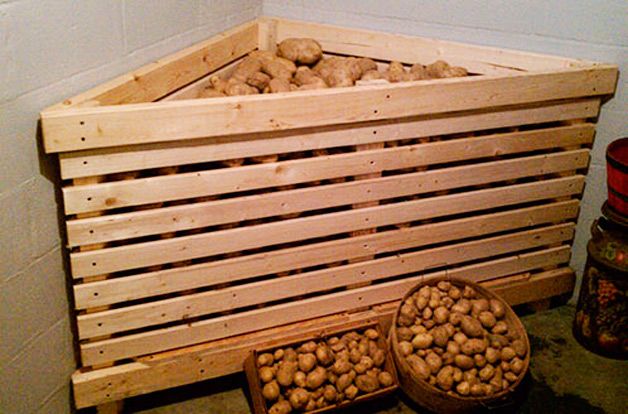
Storing potatoes in a cellar is the most common option. The tubers are placed in wooden boxes with small holes. The layer should be no more than 0.5 meters thick to allow the bottom potatoes to oxygenate and excess moisture to evaporate. It's best to place the boxes on wooden pallets, slightly indented from the wall. This will prevent the vegetables from rotting. You can add rowan, goutweed, fern, elderberry, or wormwood leaves to each layer.
Check the condition of the potatoes once a month and discard any spoiled ones promptly. Ventilate the room regularly, ensuring the temperature remains above +5°C. Buckets of lime can be placed near the potatoes.
Vegetable growers' reviews of potatoes
Gardeners' feedback on the Latona potato is positive, proving the variety's suitability for cultivation.
Alexey Levchenko, 60 years old, Kyiv
Hello! I've been growing Latona potatoes in my garden since 2010. The harvest is abundant, and I store them in the basement until spring. The plant has been attacked by Colorado potato beetles a couple of times, but I managed to get rid of them with insecticides. I highly recommend this potato to everyone; the fruits are incredibly tasty and beautiful!
Olga Silchenko, 45 years old, Krasnodar
Hello everyone! A friend recommended the Latona potato, and I decided to start growing it. I didn't have any potatoes in my garden before. I tended them on weekends because I had to work during the week. Colorado potato beetles occasionally attacked the plants, and one day, four bushes were severely infested with wireworms. I burned them and planted beans in the area.
Matvey Kupernik, 59 years old, Moscow
Hi! I have very positive reviews for the Latona potato. I've been growing it in my garden since 2011, and it always produces a reliable harvest of delicious fruit. I regularly fertilize the plants with minerals and organic matter. I sell vegetables, harvesting about 400 centners of potatoes on a 3-hectare plot. They sell out completely, and my customers rave about them. I highly recommend this variety for growing!
Related posts:
 Description and characteristics of the Rodrigo potato variety, cultivation and care
 Description and characteristics of the Krasavchik potato variety, planting and care
 Why potatoes aren't growing well in the garden, and what to do to ensure a bountiful harvest
 Description of the best potato varieties of domestic and foreign selection
 Description and treatment of potato pests, control measures
 Description and treatment of potato diseases, methods of control using folk and chemical means
 Description and characteristics of the Zhukovsky potato variety, planting and care
 Description of the Sorkodnevka potato variety, planting and care, when to dig