
Potatoes go through several stages of development throughout the season, including bud formation. Many gardeners question whether it's necessary to deadhead their potatoes during flowering. Some say yes, while others say absolutely not. To understand this, you need to understand the plant's developmental characteristics and listen to the advice of experienced gardeners.
Phases and time of potato bush development
The plant's life cycle is divided into several phases, each of which is important for the development of tubers:
- The emergence of seedlings above the ground surface approximately 3 weeks after planting.
- Bud formation – after 18-26 days.
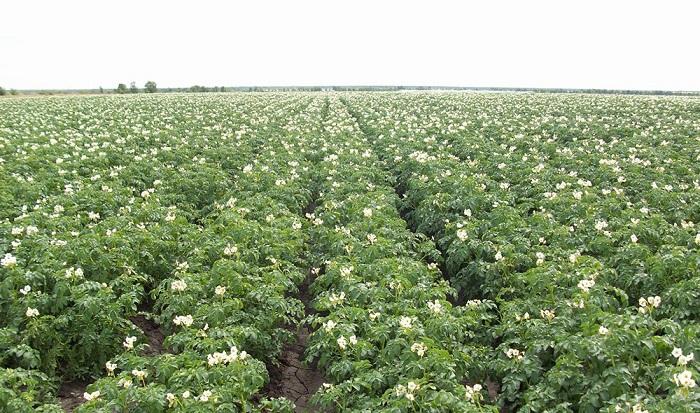
- The flowering phase begins 25-28 days after the first shoots appear.
- Over the next 1.5-2.5 months, the tubers grow.
- The dying off of the above-ground part occurs 3-3.5 months after the vegetable is planted.
When the tops wither, tuber development ceases. Growing conditions and care influence the duration of above-ground growth.
Should I remove the flowers from my potato plants?
There's no consensus among gardeners or experts. Some believe that since this stage is designed by nature, it shouldn't be disrupted. Others believe that flowering wastes energy from potatoes that could otherwise be used to produce fruit.
Whether plucking flowers will have a positive or negative impact on the harvest can be determined experimentally. To do this, divide the planting area in half, pluck flowers from one half, and leave flowers from the other. With continued consistent care, you'll see which part produces the largest and most abundant harvest.
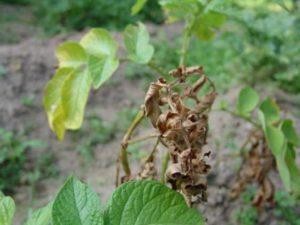
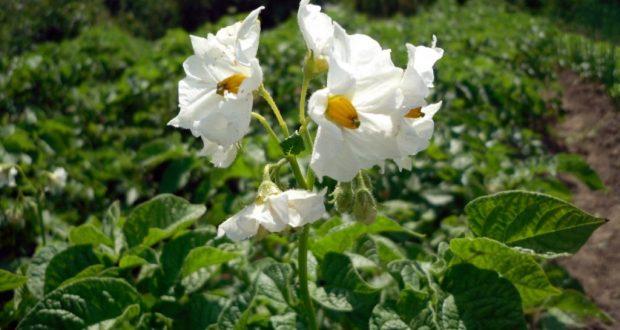
When the plant's flowers are removed, it begins to actively grow lateral shoots, which increases its lifespan.
For example, tubers should be dug up in August, while the above-ground portion can survive until mid-September. However, much depends on the potato variety and the planting region.
Additional information: In folk medicine, potato flowers are used to prepare healing recipes.
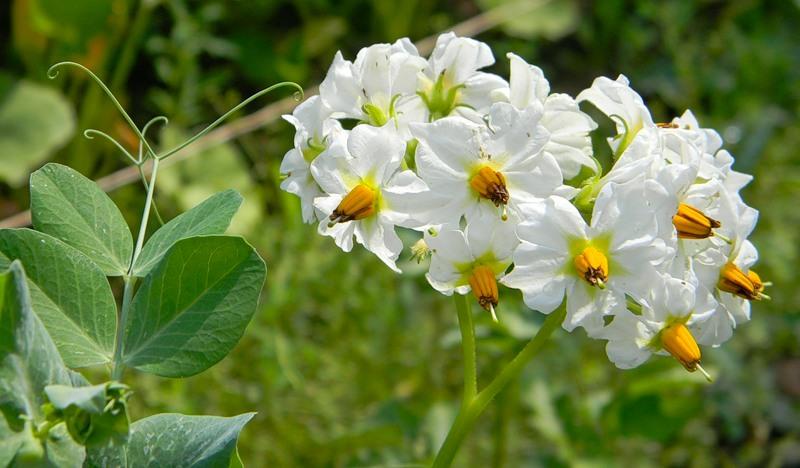
Why do you need to pick flowers?
Gardeners who advocate plucking potato blossoms explain the necessity of the procedure as follows:
- If you don't remove the petals during the flowering period of the potato, they will take away a lot of the energy the plant needs to grow tops and roots.
- When planting potatoes late, plucking flowers will help increase the vegetable yield.
- Flower bud removal is especially important if the vegetable is planted in infertile soil. This procedure is necessary to increase the yield; otherwise, it will decrease due to the flowers diverting nutrients intended for root development.
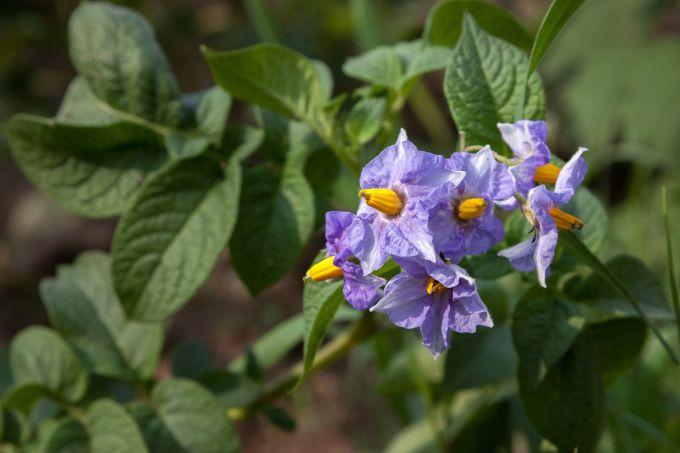
Moreover, experts believe that the presence of unplucked flowers reduces the starch content of the tubers. Whether this is a good or bad thing is up to the gardener to decide. Some prefer soft potatoes, while others believe that high starch content promotes disease.
When to do it?
When performing this procedure, it's important to monitor the bud formation phases. You can pick them off before they begin to open. Picking off blossoms can cause the lower leaves to dry out, which will reduce the potato yield.
Rules for conducting the procedure
If a gardener decides to start picking potato flowers, he should adhere to the following rules:
- You should not remove opened inflorescences, as this will cause the plant to spend a lot of energy on recovery.
- If time has passed, do not pick off a blossoming flower: this may contribute to the development of diseases.
- You need to move between the rows carefully so as not to damage the lower leaves and not to compact the soil.
Gardeners' Tips
Experienced gardeners and vegetable growers give the following advice:
- To avoid infecting plants with fungal diseases, use only sharp and disinfected tools for pruning.
- Cut flowers at the budding stage; if this time is missed, pick off the berries that are already forming. The plant needs them to produce seeds, which gardeners don't usually use to propagate potatoes.
- If a farmer doubts the necessity of carrying out the procedure, he can experiment: remove the inflorescences on one half of the plot, and not on the other.
Please note! Removing seeds, which take a lot of energy from the plant to develop, can increase yield.
What needs to be done before flowering begins?
In order for potatoes to grow numerous large tubers, they require care throughout the season.
Hilling
This procedure loosens the soil, increasing its air and moisture permeability. Potatoes grow tubers close to the soil surface, and if they are not hilled, they may end up on the ground after a few waterings. Potatoes that are not covered by soil will stunt their development and turn green. Potato tubers that have changed color should not be eaten, as they contain a toxic substance called solanine.
Watering
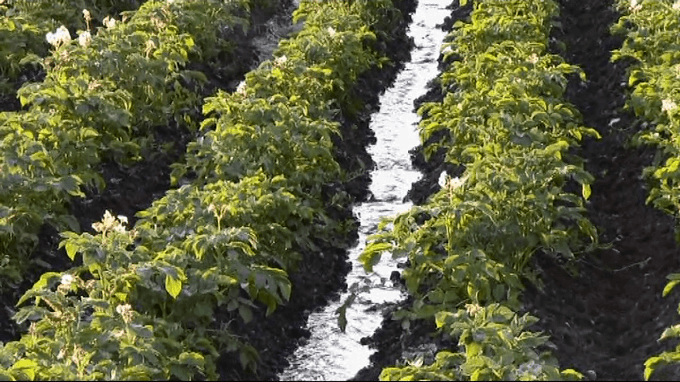
Potatoes won't develop without moisture. The first watering should be done after the first potato sprouts appear. The next time, water the soil when buds begin to form. To prevent a crust from forming, which would prevent air from reaching the roots, the soil should be loosened after watering.
Top dressing
To promote abundant tuber growth, the first feeding is done during sowing. A mixture of humus, wood ash, and superphosphate is sprinkled into the planting hole. When the sprouts reach 10 centimeters, the soil is fertilized with an aqueous solution of mullein and ammonium nitrate. When ovaries begin to form, the potato plants are fed with a potassium-phosphorus mixture.
Important! Before fertilizing plants, the soil underneath them must be thoroughly moistened.
Take a look Also

Whether or not to remove flowers from a plant is a personal decision for every gardener. Perhaps, to increase the potato yield, simply following the correct gardening practices, regardless of the presence or absence of flowers, is sufficient.
Related posts:
 Description of the best potato varieties of domestic and foreign selection
 Description and characteristics of the Rodrigo potato variety, cultivation and care
 Why potatoes aren't growing well in the garden, and what to do to ensure a bountiful harvest
 Description and treatment of potato diseases, methods of control using folk and chemical means
 Description and treatment of potato pests, control measures
 Description and characteristics of the Zhukovsky potato variety, planting and care
 Description and characteristics of the Gulliver potato variety, planting and care
 Description and characteristics of the Krasavchik potato variety, planting and care