
- Advantages and disadvantages of Dutch vegetables
- How is it different from other cultures?
- The nuances of growing and cultivating
- The most popular varieties of the Dutch variety: features and characteristics
- Parel
- Bronco
- Hurricane
- Krautman
- Pharaoh F1
- F1 adapter
- Mirror F1
- Kevin F1
- Ankoma F1
- Tiara F1
- Parel F1
- Ammon F1
- Larsia F1
- F1 Anniversary
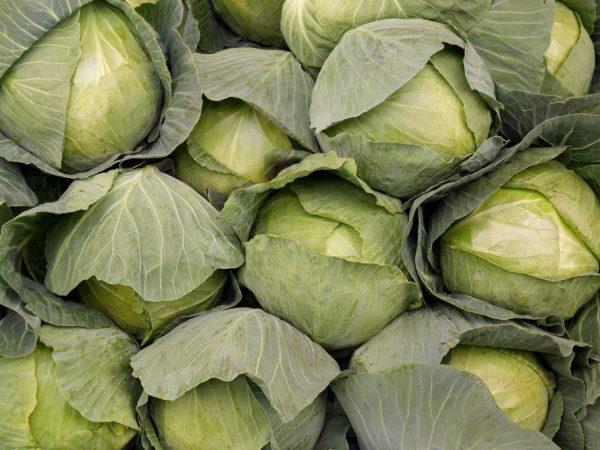
Dutch cabbage is considered a hybrid, and the varieties developed by breeders have excellent characteristics. Gardeners are particularly drawn to certain qualities. Hybrids are disease-resistant, produce a consistent harvest, and produce large heads. Another advantage of Dutch cabbage is its flavor, which makes it suitable for use in various preserves.
Advantages and disadvantages of Dutch vegetables
Varieties bred in Holland have a number of advantages, which is why they are in demand worldwide, including in our country. The popularity of hybrids is due to:
- The taste and texture of the leafy vegetable.
- The versatility of the plant in terms of its use.
- Dutch cabbage is considered a large-fruited variety, as the heads of cabbage can weigh up to 5 kilograms.
- The yield also plays a significant role; the hybrid produces excellent fruit – up to 10 kilograms of harvest can be collected from a meter of planting.
- The yield indicator depends weakly on soil characteristics; the varieties bear fruit on sandy soil, as well as on land that can hardly be called fertile.
- Relatively good immunity, resistance to diseases and pests.
- The vegetable has a long shelf life, which allows it to be transported without compromising its taste.
Dutch breeders managed to develop varieties with good properties, but they failed to take several points into account:
- despite the high yield, without fertilizing it is unlikely that you will be able to obtain large heads of cabbage that possess all the above qualities;
- Early-ripening varieties have another drawback: the heads of cabbage crack easily; only some hybrids have such problems.
Although gardeners generally prefer this crop due to its high yield, good results can only be achieved if you follow the basic rules and recommendations for plant care.
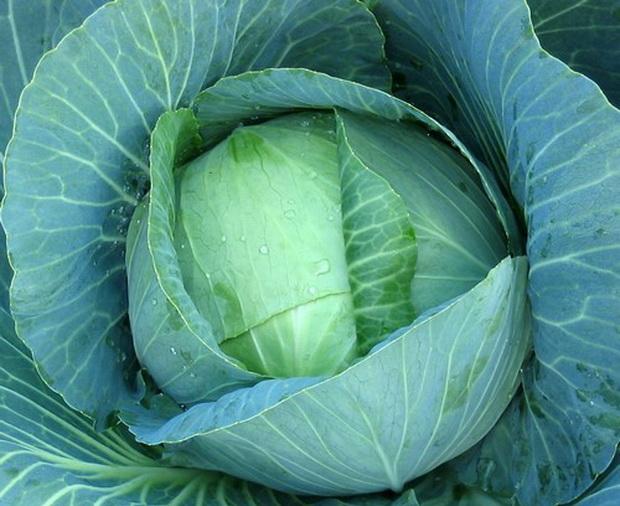 Another advantage worth noting is the hybrid's resistance to temperature fluctuations. This means that Dutch cabbage is unlikely to be affected by Russian frosts.
How is it different from other cultures?
Gardeners and horticulturists note that crops from Holland are different:
- Large fruits and high yields. Overall, this is the quality so valued by farmers and amateur gardeners.
- Choice. As we know, demand creates supply; if necessary, gardeners can independently select a plant that meets their requirements.
- Cabbage's flavor also appeals to gardeners. The leafy vegetable's soft texture makes it suitable for a variety of preserves.
- Resistance to frost and pests, good plant immunity and the ability to “resist” various diseases.
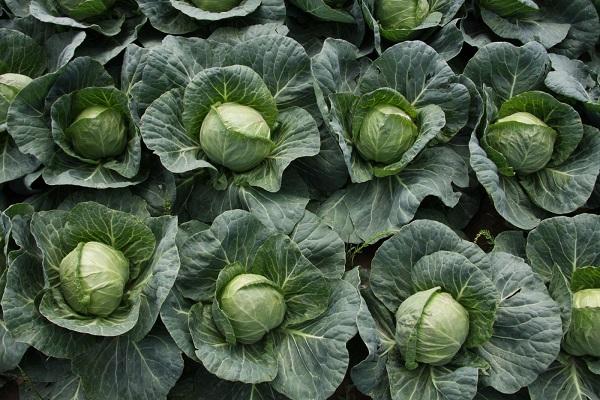
This doesn't mean that domestic breeders are incapable of offering gardeners an alternative. It's just that, in terms of the overall quality of their varieties, Dutch hybrids are superior to those developed by Russian breeders.
Caution! Insufficient watering, inadequate fertilizing, and failure to follow basic plant care guidelines will all result in Dutch cabbage varieties failing to produce the expected harvest and leaving the gardener disappointed.
Therefore, don't consider this cabbage a low-maintenance vegetable that doesn't require any care and still produces a good harvest. The plant will require care, regardless of its source. Seeds imported from Holland correspond to the labels. This means it's not possible for a gardener to buy and plant one crop, only to harvest a different one in late autumn.
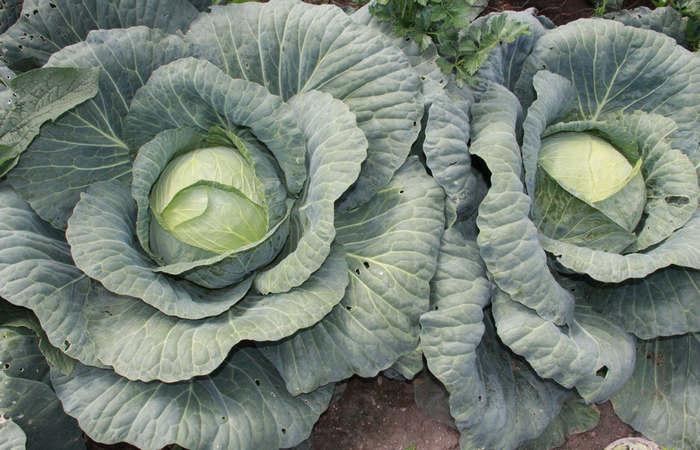
The nuances of growing and cultivating
Without proper care, only weeds can grow in your garden. Therefore, if you decide to plant this crop in the ground, you'll need to follow certain care guidelines. Here's what to do if you have Dutch cabbage growing in your garden:
- Water the plant regularly. It all depends on the climate, but on average, it's recommended to water cabbage once a week; in dry climates, increase the frequency.
- The plant requires fertilizing, which is done monthly, which helps increase crop yield and boost the plant's immunity.
- To “saturate” the soil with oxygen, it is loosened after each watering.
- Cabbage is not considered a fussy vegetable, but it should be planted in a formed bed that is well-lit from all sides by the sun's rays.
- The plant does not tolerate the presence of weeds, so regular weeding is recommended.

Care for the crop begins even before planting. It all begins with soil preparation. It's dug twice, removing large weed roots. Fertilizer is then applied. Before forming the cabbage bed, the soil will need to be dug and compacted. It's best to plant cruciferous vegetables in a spot where other crops, such as onions, carrots, or potatoes, were previously grown for two years.
The most popular varieties of the Dutch variety: features and characteristics
There are various cultivars considered to be the main representatives of the Dutch varieties. Generally, all representatives can be characterized as follows:
| Early ripening varieties | Allows you to get a harvest in a short time. |
| Mid-season crops | Gardeners will have to wait a little while before they can begin harvesting the fruit, approximately 2-4 months. |
| Late-ripening | Ideally, they are planted in the ground in regions with cool climates. |
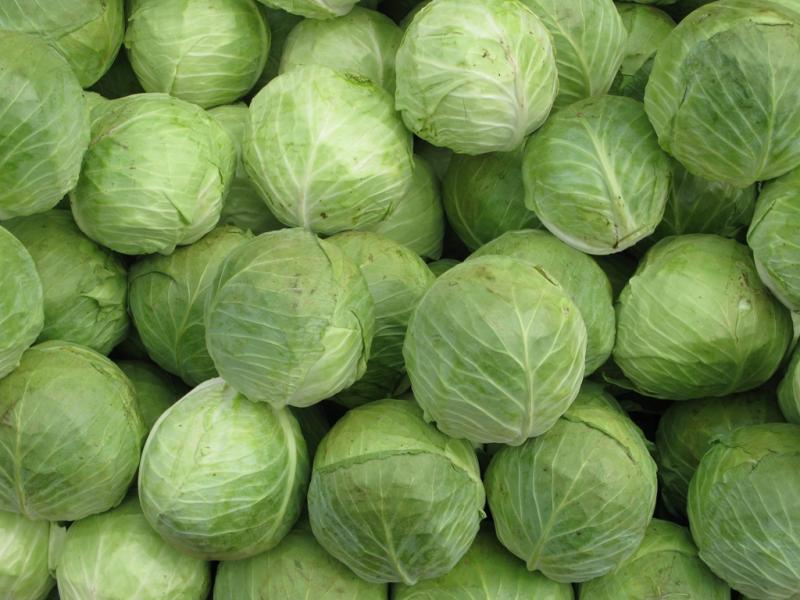
Let's look at the characteristics and features of vegetables that are in demand among gardeners and farmers growing crops on an industrial scale.

Parel
Gardeners are familiar with this hybrid, bred in Holland. It's attractive for its high yield and frost resistance. It's grown in the harsh climate of Western Siberia. Its versatility and ease of care are considered its defining characteristics.
Bronco
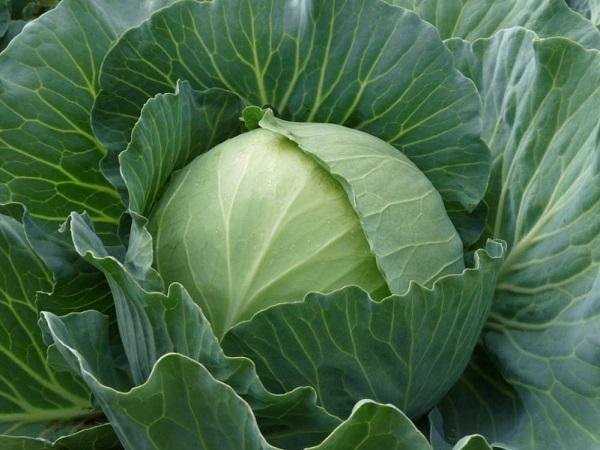
The ripening period of this crop depends on the climate zone. Cabbage is considered a mid-season variety and is incredibly popular among gardeners. This is due to the variety's characteristics:
- High yield.
- Large fruits and the ability to produce heads of cabbage weighing more than 3-4 kilograms.
- The vegetable is distinguished by its white leaves and is also resistant to various diseases and pests.
In addition to being resistant to temperature fluctuations, the variety tolerates heat well, allowing it to be grown in dry climates without fear of significant reductions in yield.
Hurricane
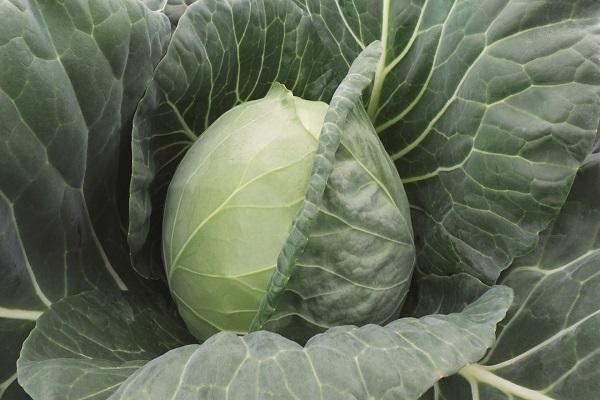
This hybrid has received positive reviews, yielding up to 650 kilograms of cabbage per hectare. This cabbage variety is considered high-yielding, but it takes 140 days from the first shoots to see the fruit in the garden.
Krautman
This variety's description is well known to experienced gardeners. It boasts high yields, producing sweet-tasting heads of cabbage that are used for preserves. If stored in a cool place, the heads can be enjoyed until March, as they retain their flavor.
Pharaoh F1
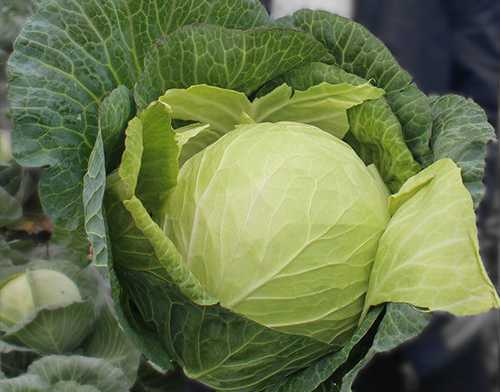
Fruiting begins 63 days after planting. This variety will surprise gardeners with its green heads, which weigh up to 3 kilograms. The following are considered to be the distinctive features of this cultivar:
- the ability to easily tolerate temperature fluctuations;
- resistance to cracking should also be considered an advantage;
- When fully ripe, the heads do not crack, even if they remain in the garden for 5 or more days.
But to get a decent harvest, you will have to work hard - the variety requires regular watering, and the plant will also need to be fed.
F1 adapter
Moderate watering will help increase the yield. It's also important to harvest the fruit promptly, as the heads are prone to cracking. They are not particularly large, weighing up to 2 kilograms.
Mirror F1
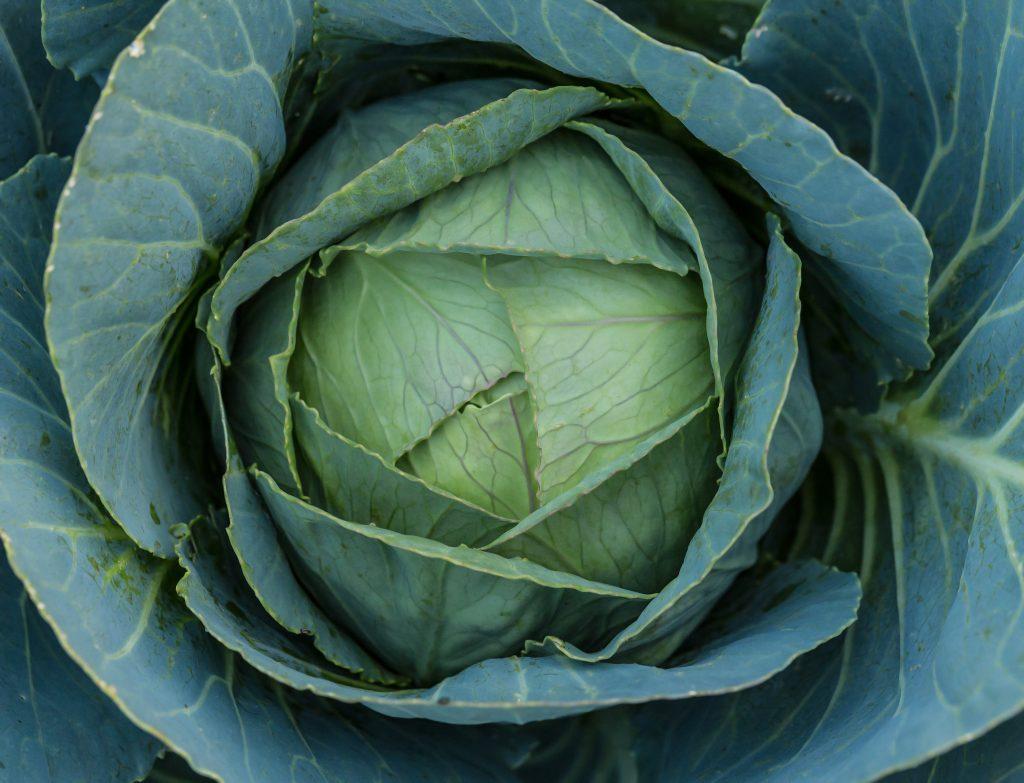
Another hybrid characterized by rapid maturity, harvesting in 40-50 days. It produces medium-sized heads of cabbage, weighing no more than 2 kilograms. The plant can be grown under plastic, in a greenhouse, or planted in the ground.
Kevin F1
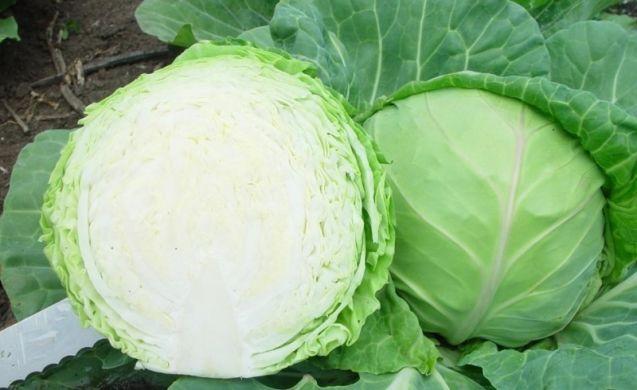
The flesh is white, and the heads are not very large. It's best to grow seedlings on a windowsill, then plant them in the ground or under plastic cover. The plant produces excellent fruit and has good stress tolerance.
Take a look Also
Ankoma F1
This cabbage variety is suitable for fresh consumption, freezing, or fermentation. It's best to grow seedlings; the fruits reach technical maturity in 120 days. The harvest ripens unevenly, allowing you to enjoy the sweet-tasting cabbage heads all summer long.
Tiara F1
This variety is suitable for all-purpose use, producing compact heads with a pleasant flavor. The fruits reach maturity in 60 days and are distinguished by a distinct green hue.
Parel F1
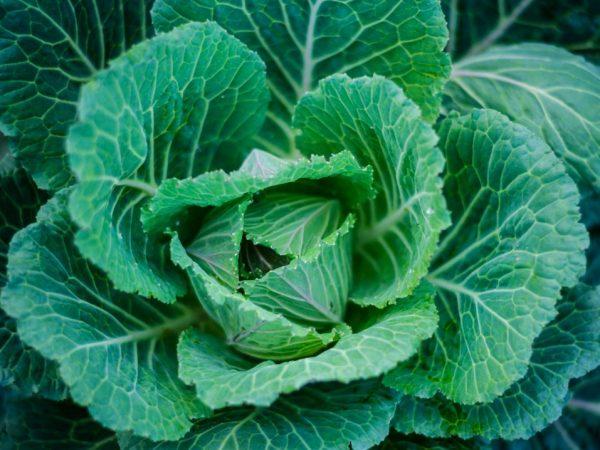
Known for its resistance to transportation, it retains its flavor for a long time. The fruits have a unique composition, making them ideal for children and dieters. This variety is considered mid-season, but under normal climate conditions, the heads can be harvested two months after planting.
Ammon F1
Rainwater is used for moderate watering. Fruit ripens 125-135 days after planting. This plant produces large heads weighing up to 6 kilograms, resistant to fusarium and thrips.
Larsia F1
The fruits can be stored all winter and eaten fresh. This vegetable is ideal for planting outdoors, where it produces fruit vigorously. The heads are firm and large, reaching 4-5 kilograms in weight. Harvesting can begin 120 days after planting the seedlings in the ground. It's best to prepare the planting material in advance by growing it in boxes or on a windowsill.
F1 Anniversary
This hybrid has interesting organoleptic properties. Its taste will surprise any gardener. When fully mature, the grayish-green heads do not split. They are best eaten fresh and can be stored well for long periods. You can expect to see cabbage in your garden 120 days after planting the seeds or seedlings.
If you decide to plant Dutch cabbage in your garden, remember that the plant requires support and care. This will significantly increase yields and help you enjoy the taste of your harvested fruits for a long time.
Related posts:
 Description and characteristics of the best varieties of late cabbage, planting and care technology
 Top 40 Best Cabbage Varieties with Descriptions and Characteristics
 Description of the best cabbage varieties for 2025 for different regions
 Description of the best early cabbage varieties, cultivation and care in open ground
 20 Best Varieties of Chinese Cabbage with Descriptions and Characteristics
 Description of the Zimovka cabbage variety, growing and caring for the hybrid
 50 Best Varieties and Types of Cauliflower with Names and Descriptions
 Planting and caring for red cabbage in open ground, description of varieties