
The Belorusskaya 455 cabbage, described on various websites, produces an excellent harvest of fruit. Belorusskaya was developed by Russian breeders in the 1930s. Since then, a huge number of diverse varieties of this vegetable crop have emerged. Not only has Belorusskaya retained its popularity among gardeners, but it has actually strengthened its position thanks to its positive characteristics.
Description of the variety
The Belorusskaya cabbage variety does not crack and has a good marketable appearance. New varieties have been developed, but 455 remains the most popular. It was added to the State Register of Plants of the Russian Federation back in 1943.
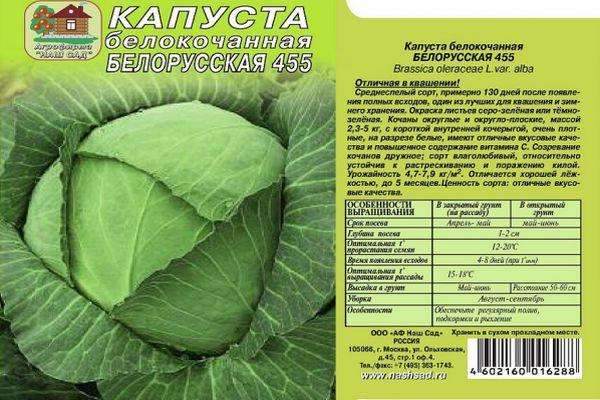
Description and characteristics of the variety:
- Mid-season. Sometimes seed packets indicate a mid-season ripening period. In warmer climates, cabbage yields earlier than in temperate regions.
- In central Russia and the northern regions, the harvest ripens 120 days after the first leaves of the seedlings appear.
- Belarusian is grown throughout our country.
- Can be found in private gardens, farms and industrial plantations.
- The species is undemanding to weather conditions.
- It easily tolerates cold summers and is not afraid of temperature changes.
The Belarusian 455 can become infected with vascular bacteriosis and is not immune to the parasitic fungi that cause clubroot disease.
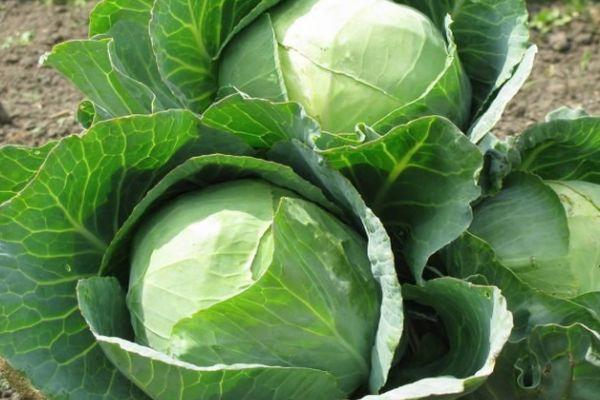
The head forms best when it's warm but not hot (around 20ºC) and the soil is sufficiently moist. This variety doesn't like heat. Hot weather is especially detrimental to head formation.
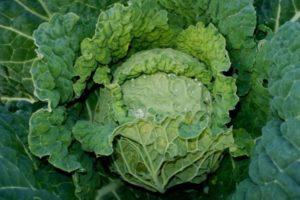
The rosette is semi-spreading, slightly elevated. Its diameter is approximately 80 cm. The leaves are mostly round, some flat. The leaves covering the head are light green, with wavy edges.
Reviews of the fruits from gardeners are mostly positive. The main positive characteristic of this cabbage is that it doesn't crack. Everyone who has planted Belorusskaya kale praises its excellent taste. The fruits are high in vitamin C (20-30 mg). Dry matter content is 10%, and sugar content is 4%.
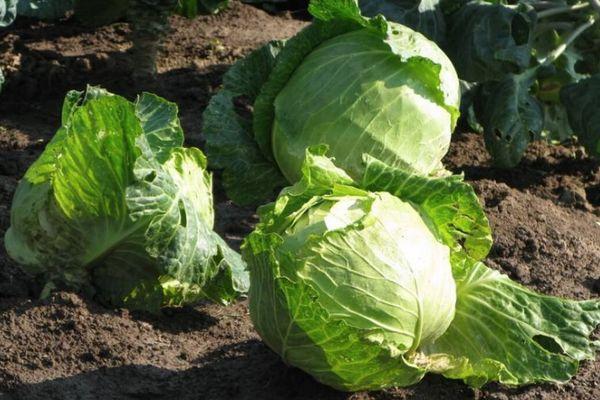
The head is round, with some fruits slightly flattened. Average weight is 2.5-4 kg.
Take a look Also

Some gardeners have managed to grow Belorusskaya cabbage weighing 4.5 to 5.5 kg. The cabbage is firm and white when cut. Inside is a small stalk, approximately 5 cm long. The outer stalk is about 10 cm.
Growing cabbage
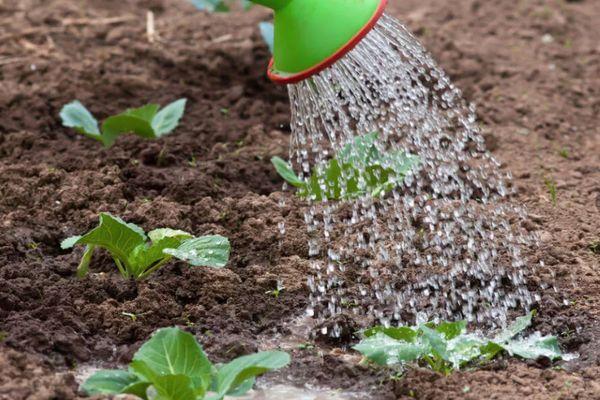
Cabbage is grown from seedlings. Planting takes place in March. The seeds are sown in fertile soil or potting mix. The seeds don't require much preparation. They can be planted dry, or you can soak them for half a day in a growth stimulant, which is available in stores. The seeds are placed in the soil to a depth of 1 cm. The soil is then watered.
To germinate the seeds, place the pots in a warm place. The air temperature there should be between 19 and 20ºC. When the first sprouts appear, the containers with seedlings are transferred to a cool room—around 14ºC during the day and 6ºC at night. In an overly warm room, the plants will stretch too much, which is best avoided. Belarusian rhododendron loves sunlight. Water the seedlings periodically, but not too frequently. Fertilize them several times. There is no need to transplant the plants.
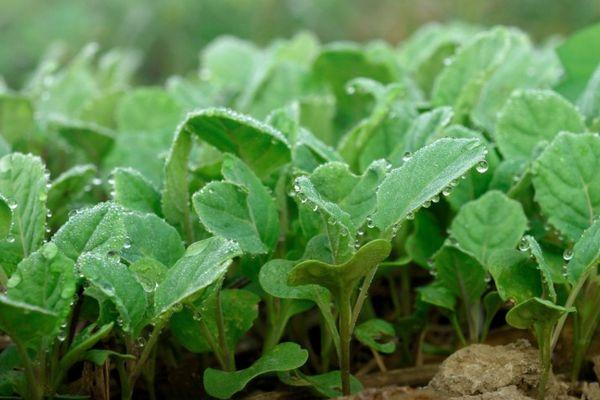
The seedlings are watered moderately. Before planting in their permanent location, the plants are hardened off. To do this, they are first placed outdoors for a short period of time, and then the time is extended. This is done to ensure that transplanting into the garden does not stress the plants and cause death.
Seedlings should be planted in the garden beds 55 days after germination—approximately in May, when the air temperature is above 10°C. In 55 days, the seedlings will grow to 20 cm and develop strong leaves. Soddy soil is best for planting. Belarusian soil does not produce a good harvest in soil with a high concentration of mineral fertilizers.
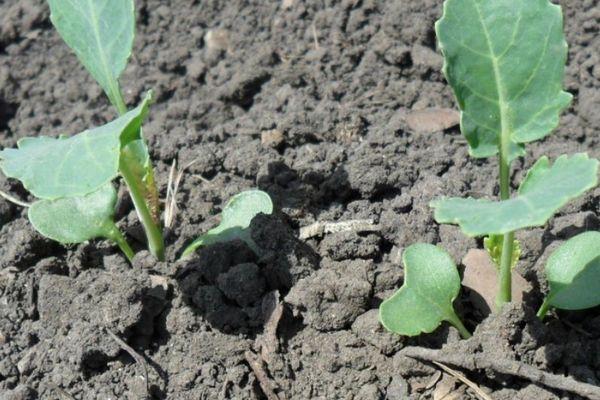
Preferred predecessors include peppers, tomatoes, potatoes, beans, and onions. Seedlings are planted in rows with 50 cm between plants and 60-70 cm between rows. It is recommended to transplant seedlings into the beds in the evening or on cloudy days. If frost is expected, cover the cabbage with film.
Caring for this variety is simple. It requires regular watering, loosening the soil, and removing weeds. Several fertilizing applications can be made throughout the season. Organic fertilizers, including humus and ash, are used. Nitrogen-phosphorus mineral fertilizers can also be used.
Yield and storage
The variety is highly productive, yielding up to 7 kg of fruit per square meter. This cabbage is resistant to long-distance transportation, making it popular with large producers.
The harvest takes place in early September. The heads are harvested using sharp knives. Part of the outer stalk is left in the ground. Pulling the cabbage up by the roots is permitted. The heads are sorted for eating and storage.
The healthiest, largest, undamaged cabbages are left in the barn to dry. They are later stored in a well-ventilated vegetable pit for long-term storage. Heads of cabbage that have been cut with a knife are stored on shelves or in boxes. Those pulled out by the roots are hung face down from the ceiling.
Advantages:
- High yield.
- Marketable appearance.
- Pleasant taste.
- The cabbage does not crack.
- Can be transported over long distances without damaging the fruit.
- Friendly ripening of heads of cabbage.
- Not afraid of low temperatures.
- Universal application.
Flaws:
- Susceptibility to diseases: vascular bacteriosis, clubroot.
- The variety may be affected by pests.
- Short shelf life.
- Doesn't tolerate heat well.
The fruits store easily for 3-4 months. They are suitable for fresh consumption, preparing a variety of dishes, pickling, and preserving for the winter.
Related posts:
 Description of the Belorusskaya Pozdnyaya pear variety, pollinators and cultivation details
 Top 40 Best Cabbage Varieties with Descriptions and Characteristics
 Description of the best cabbage varieties for 2025 for different regions
 22 delicious pickled cabbage recipes for the winter
 Description and characteristics of the best varieties of late cabbage, planting and care technology
 Recipes for pickled Chinese cabbage in quick-cooking jars and how to preserve it for the winter
 Descriptions and characteristics of the best varieties of cabbage, all types with names
 Quick recipes for pickled cabbage and beets for the winter, with and without vinegar
My parents grew this cabbage variety, and now I do too. I love its versatility—it makes excellent sauerkraut, never soft or simply tasteless. It's also perfect for fresh salads. It's juicy, not tough, and crisp. When stored properly, it keeps for quite a long time. The yield has always been good, but I've increased it further by using a bio-growth activator. BioGrowI always share seedlings of this variety with my friends, and everyone likes them.