
Cabbage is a delicate plant and should be protected from pests, diseases, and weeds. Various pesticides are available for this purpose. Some help control pests, others diseases. Let's look specifically at cabbage herbicides. These are chemicals designed to control weeds.
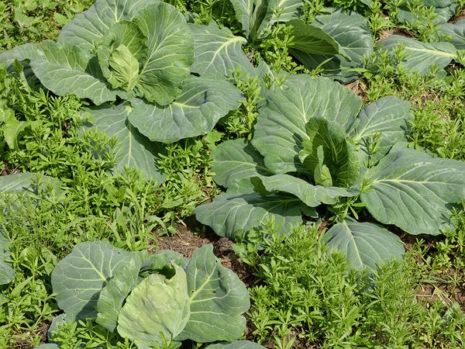
At the very beginning, cabbage seedlings grow slowly in open ground. This is when weeds can overwhelm them. They suppress the growth of vegetable sprouts by using up moisture and nutrients in the soil. Weeds also hinder the growth of vegetable crops by stealing sunlight. Furthermore, these plants harbor insect pests that pose a threat to cabbage.
Herbicides for cabbage don't protect plants from diseases or insects. Other substances are used for this purpose:
- fungicides (against diseases);
- insecticides (against insect pests).
Herbicides help eliminate all types of weeds. They are used on most garden crops, including cabbage. Choosing the right herbicide for cabbage is not difficult.
How are herbicides used on cabbage?
There are two types of herbicides:
- Internal action (pre-emergence).
- External influence (post-emergence).
Their effects are completely different. The first group of products has a detrimental effect on the root system of weeds, destroying it.
The second group of products affects the green parts of the plant. The amount of product used varies for each crop.
Pros and cons of use
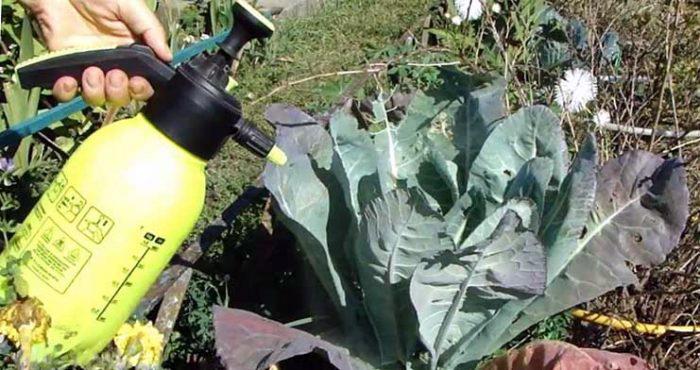
These chemicals are excellent at controlling weeds without damaging the cabbage itself. It's important to remember that excessive use of herbicides can lead to soil contamination, so they should be used only when necessary. Spraying with solutions is done in the morning during warm weather. Treatment is not recommended in the following cases:
- In the presence of dew.
- When cabbage is affected by cabbage fly.
Take a look Also
Irrigation should also be avoided on hot or rainy days. Some herbicides require watering, while others are less effective if watered immediately or if it rains.
It is not recommended to simultaneously treat with preparations that affect cereal weeds and other agents.
The best herbicides for cabbage
The chemical industry produces a wide variety of weed control products. They vary in composition and effectiveness. Below, we'll discuss the most well-known and effective ones.
Quizalofop-p-Tefuril
This herbicide is a post-emergence herbicide. Its main advantage is that it is effective against parasitic plants without harming the environment. It is effective at low concentrations and is highly resistant to water washout.
Metazachlor
A pre-emergence product. The main active ingredient is metazachlor. It is used to treat all varieties of white cabbage, except early-ripening varieties. Metazachlor effectively kills dicotyledonous weeds. The solution is sprayed on seedlings one week after planting in open ground. After spraying, follow-up watering is required.
Glyphosate isopropylamine salt
This herbicide is a leading weed control agent due to its comprehensive action. The area is sprayed with a solution of this substance. Glyphosate is destructive to most weeds. It is used both commercially and in garden plots against the following weeds:
- couch grass;
- bindweed;
- sow thistle;
- dandelions;
- bristle grass;
- Tatar Molokan;
- pig;
- milkweed;
- buttercups;
- daisies;
- Tribulus.

This product suppresses weed growth in irrigation systems. Applications are made after harvest and during periods of intense weed growth.
Semeron
This product effectively suppresses the growth of most grass weeds. Its application rate is 1.5 kg per hectare of land. Like other herbicides, it is diluted in a certain amount of water and then applied to the soil.
The effect of the preparation will be sharply reduced if you water immediately or if it rains.
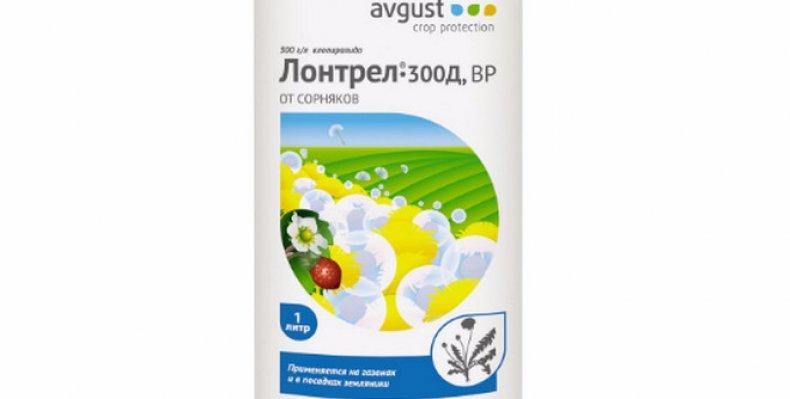
Lontrel-300
This product's main active ingredient is clopiralid. It is a unique post-emergence systemic herbicide for controlling annual and perennial weeds in cabbage crops. Spraying is performed 10-12 days after planting the seedlings in open ground.
Take a look Also
Butisan 400
A pre-emergent herbicide. Its main ingredient is metazachlor. This herbicide is suitable for protecting white cabbage (except early-ripening varieties) and is aggressive toward seedlings of annual dicotyledonous and grassy weeds.
Trier
A systemic herbicide. It effectively controls perennial weeds, including those that are difficult to eradicate. Its main active ingredient is clopyramide. Triera has a lethal effect on the entire weed within a few hours of application.
Consumption rate
To protect cabbage from weeds, the application rate of the working fluid varies for different products. Per hectare, it's approximately as follows:
- Lontrel-300: 0.2 -0.5 l per 300 l of water.
- Butisan: 1.5-2 l per 300 l of water.
- Trier: 0.3 l per 100 l of water.
- Semeron: 1-2 kg per 200 l of water.
- Glyphosate isopropylamine salt: 2-3 l per 300 l.
- Quizalofop p tefuryl: 2 kg per 300-400 l of water.
- Metazachlor: 2 liters per 200-300 liters of water.
Instructions for use
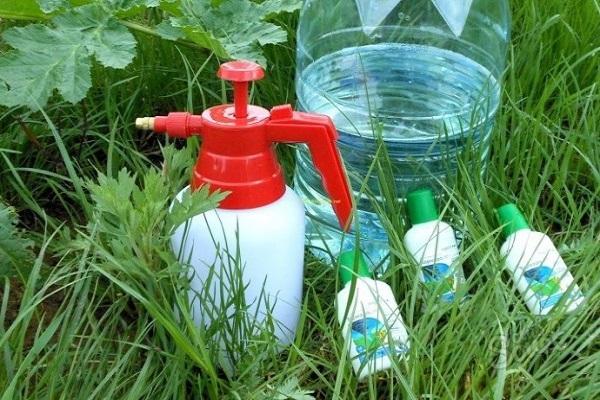
Weed control products are available as granules or suspensions stored in airtight containers. All are diluted with water. The ratio of the substance to the liquid is specified in the instructions.The use of herbicides must be carried out in strict accordance with the manufacturer's recommendations.
Safety precautions when working with drugs
Such products require special safety precautions. Working with herbicides is not recommended for people with chronic respiratory diseases or for individuals under 18 years of age. Pregnant and breastfeeding women should also not work with such substances.
When handling prepared solutions, wear rubber gloves and goggles to prevent contact with skin and eyes. Personal respiratory protection should also be used to prevent particles from entering the respiratory system. Protective clothing should be worn when spraying the solutions.
The manufacturer usually provides safety precautions in the instructions for the product, so it's important to read them before using. After handling the product, take a shower if possible or at least thoroughly wash your hands and face with soap.
Storage period and rules for funds
Herbicides must be stored only in special production containers in a designated area. The area must be dry and well-ventilated. Herbicides should never be stored near food.
The substances must be stored in special containers. Their condition must be monitored regularly. The shelf life of most undiluted products is approximately one and a half to two years under proper storage conditions. Years of experience have proven that the use of herbicides to protect vegetable crops, in reasonable doses, is entirely acceptable.
Related posts:
 Why does cabbage grow tall in the garden and what can be done about it?
 Description of the best cabbage varieties for 2025 for different regions
 Planting, growing, and caring for cauliflower in open ground and greenhouses
 Why do cabbage leaves turn purple and what can be done to treat them?
 Why cabbage leaves wilt in the garden and what to do
 Growing and caring for Chinese cabbage in open ground and greenhouses
 Can cabbage be sprayed with valerian to control pests and what are the treatment guidelines?
 Using calcium nitrate for cabbage, how to feed it and the application rate