
- What kind of soda is used in the garden?
- Benefits of using a solution with soda
- Areas of application
- How to prepare a solution
- General rules for processing cabbage
- Use as a seed disinfectant
- Fighting diseases
- Cabbage pest control
- Getting rid of caterpillars and slugs
- Fighting an aphid infestation on cabbage
- How to use the solution as a fertilizer
- Reviews of the product from experienced gardeners
Baking soda is often a powerful tool for gardeners in combating pests in their gardens. Solutions of varying concentrations are effective and safe for humans. Using baking soda on cabbage helps protect against pests and insects. Information about its beneficial properties will certainly be helpful before the start of the new gardening season.
What kind of soda is used in the garden?
There are several types of soda:
- Baking soda, or sodium bicarbonate, is found in almost every kitchen; it's an ingredient in baking powder and is used as an excellent cleaning agent.
- Washing soda, also known as washing soda, was more familiar to our grandmothers' generation. Today, it's rarely used for laundry because it's very harsh on fabrics.
- Caustic soda, a substance commonly used to clean drains, is extremely dangerous and can cause severe burns.
Caustic soda is not used in garden plots, but the other two varieties (food grade and calcined) are often used by gardeners to spray beds against pests and diseases.
Of course, baking soda is preferable for treating plants; it protects plantings in a summer cottage while remaining harmless to humans and pets.
It is used to soak seeds before planting, as the product has antibacterial properties, and is used to treat beds when the first signs of fungal diseases appear, and is used as a fertilizer.
Benefits of using a solution with soda
The first and foremost advantage of baking soda is its effectiveness in cabbage beds, other vegetables, and fruit trees. A second important factor that makes it popular is the safety of sodium bicarbonate solution for plants, animals, and humans.


Additional advantages of its use include the product's widespread availability (it's hard to find a grocery store that doesn't sell a package with the usual packaging) and its low cost.
Areas of application
Baking soda is used for a variety of crops, including cabbage, other vegetables, berries, and fruit trees.
Sodium bicarbonate solution is used in summer cottages:
- for treating seeds before planting - soda allows you to disinfect planting material no worse than potassium permanganate;
- for spraying plants against diseases and pests - allows you to combat various types of rot, destroys slugs and caterpillars, is effective against spider mites, aphids and ants in the area;
- for soil cultivation – helps reduce soil acidity;
- as a fertilizer – it improves the growth of tomatoes and cucumbers.

Spraying with a soda solution is especially effective for killing aphids, caterpillars and slugs, which affect cabbage.
Important: you don’t have to worry about a white coating remaining on the leaves after spraying.
Regularly treating cabbage beds helps prevent the spread of pests – they leave the “unpalatable” plantings.
How to prepare a solution
It's very easy to prepare: dissolve the recommended amount of baking soda in warm, clean water. For example, to treat cabbage beds against aphids, use 5 tablespoons of the dry mixture per 10 liters of water. Avoid using water warmer than 50°C.
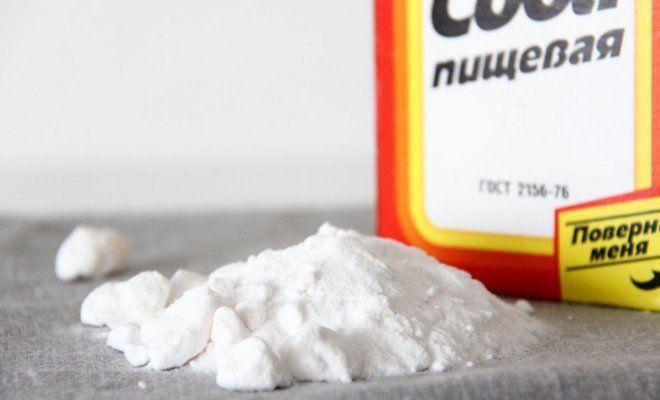
Important: do not prepare the solution in a metal container; a glass or plastic container will work just fine.
It should be used within 2-3 hours. Store the opened package in a dry place, using a dry spoon. If the room is humid, store the powder in a tightly sealed plastic or glass container—baking soda is hygroscopic (absorbs moisture from the air). Dry powder is also used for treating cabbage beds.
General rules for processing cabbage
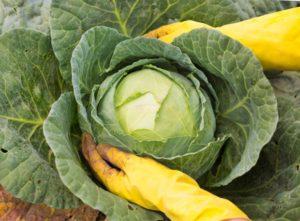
Preventative treatment of cabbage beds is especially effective. Spraying is done every 10 days, preferably in dry, cloudy weather, early in the morning (after dew) or after sunset.

To protect against ants and caterpillars, additionally sprinkle sodium bicarbonate powder around the perimeter - around the cabbage bed and between the plants.
Use as a seed disinfectant
Baking soda has antibacterial and antifungal properties and is an alternative to potassium permanganate. Soaking seeds in a baking soda solution helps protect seedlings from diseases and ensure uniform germination.
For soaking, use 5 grams of dry powder per 0.5 liters of water. Soak the seeds in the solution for 10 hours to 24 hours. Then, let the seeds dry slightly.

Fighting diseases
Cabbage can be protected from diseases by spraying it with a soda solution. This prevents fungal diseases (various types of rot, late blight). To do this, prepare a solution of 5 tablespoons of baking soda per 10 liters of clean water. Add 30-60 grams of laundry or liquid soap to help the solution adhere better to the leaves. Spray the solution every 1-1.5 weeks, and if necessary, continue until harvest.
Cabbage pest control
The crop is susceptible to cabbage white caterpillars and cutworms, and can be damaged by slugs. Young cabbage leaves are a delicacy for aphids. These pests disappear after treating the plants with dry sodium bicarbonate or a solution of the preparation.

Getting rid of caterpillars and slugs
Plants should be sprinkled with baking soda powder, applied to the morning dew. Alternatively, you can mix half sodium bicarbonate with flour and spray the mixture on the beds. Apply the mixture every 3-4 days until the pests disappear.
Additionally, the soil is treated: dry sodium bicarbonate powder is sprinkled around the perimeter of the cabbage bed; this protects the plants from caterpillars, slugs, aphids, and ants.
Fighting an aphid infestation on cabbage
Ants are the carriers of aphids in the garden. Aphids don't just destroy cabbage; other plants and flowers suffer greatly from their spread in the garden. Spraying cabbage beds with a soda solution protects them from the pest, and dry baking soda around the plants repels ants.
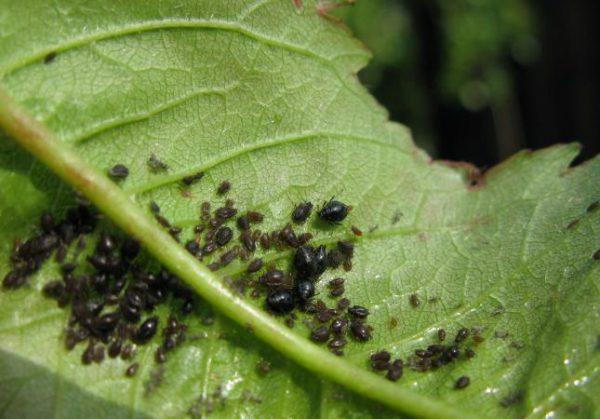
To spray cabbage, use 4-5 tablespoons of the dry solution per 10 liters of water, adding 2-4 tablespoons of liquid soap to the solution. Spray the plants with a spray bottle. While baking soda isn't an insecticide and only provides short-term protection, several applications can eliminate insects without harming the plants, which remain completely safe for humans after treatment, despite the white coating that appears on the leaves.
Take a look Also

How to use the solution as a fertilizer
The product is used to normalize highly acidic soils; most plants grow and bear fruit poorly in acidic soils. The soil is watered with a sodium bicarbonate solution and loosened with a rake. This is done in the spring, before planting outdoors, or in the fall, after harvesting.
 Using a baking soda solution as a fertilizer for cabbage (less than a teaspoon of baking soda, 10 grams per 5 liters of water) improves the harvest's shelf life and increases the shelf life of the cabbage heads. Water the plants several times per season, from planting until autumn.
Reviews of the product from experienced gardeners
Olga Nikolaevna
"Baking soda is an indispensable tool in the garden: aphids and all fungal diseases are afraid of it. I dust my cabbage beds with baking soda to keep caterpillars away, and I spray my tomatoes with it. It's a harmless and effective remedy."
Tatiana
"My cabbage always grows well, never had any problems with it, but last year, slugs really got the better of me. My mother-in-law advised sprinkling it with baking soda, so I went online to see what people were saying about this treatment. I read up on it and decided to give it a try. I sprinkled it three times, and the slugs kept decreasing, and after the third time, they completely disappeared."
Related posts:
 How to properly treat grapes with soda and potassium permanganate
 Using soda for cucumbers in the garden, spraying and fertilizing
 Top 40 DIY New Year's Baking Recipes for 2020
 What folk remedies are best for treating cabbage from pests to protect it?
 Is it possible to soak treated cucumber seeds before planting and how to do it correctly?
 A review of the best cultivators for inter-row tillage, and how to make them yourself
 Causes and treatment of eggplant pests and diseases, how to combat them at home
 The best grape varieties for growing in the Urals, planting and care rules in summer
Baking soda can only help at the initial stage; if there are numerous pests, I recommend using stronger solutions. I've saved my harvest many times thanks to baking soda; it's excellent at repelling insects.