
- The history of currant breeding Dar Smolyaninova
- Cultivation areas
- Main pros and cons
- Botanical information and characteristics of the variety
- Bush and root system
- Leaves
- Flowering and pollination
- Fruit ripening time
- Taste and yield
- Scope of application of berries
- Resistance to subzero temperatures and drought
- Immunity to diseases and pests
- How to plant on a plot
- Deadlines
- Selecting and preparing a site
- Seedling preparation and work procedure
- Further care of currants
- Watering mode
- Loosening and mulching the soil
- Fertilization
- Pruning: formative, sanitary, rejuvenating
- Pouring and hardening of bushes
- Preventive seasonal treatments
- How to cover plantings for the winter
- Methods of propagation of currants Dar Smolyaninova
- Tips and advice from experienced gardeners
- Reviews of the variety
The currant variety Dar Smolyaninova is a popular crop grown by many gardeners. This plant has many advantages, including its pleasant fruit flavor and high yield. To achieve success in growing this crop, proper care is essential. This includes watering, fertilizing, and pruning regularly. Disease and pest control are also crucial.
The history of currant breeding Dar Smolyaninova
This variety was developed by Russian breeders L. I. Zueva and A. I. Astakhov. They crossed the hybrids 4-15-90 and 42-7. In 2007, the plant was added to the State Register of Russia.
Cultivation areas
This very early variety is recommended for cultivation in the Central Region and the Volga-Vyatka Region.
Main pros and cons
The plant has many advantages:
- large fruits;
- high yield parameters;
- resistance to most diseases;
- resistance to low temperatures and dry weather;
- excellent taste;
- unpretentiousness;
- early ripening period.
The plant has no significant drawbacks. However, gardeners note that during a heavy harvest, the branches can become overloaded. Overripe fruits become soft and fall off. Furthermore, regular rejuvenation of the bushes is necessary.
Botanical information and characteristics of the variety
To achieve success in growing the plant, it is worth familiarizing yourself with the key characteristics of the variety.
Bush and root system
This plant is characterized by medium-sized bushes that spread moderately. The plant has straight, medium-thick shoots. It has fibrous roots located in the surface layer of the soil.
Take a look Also
Leaves
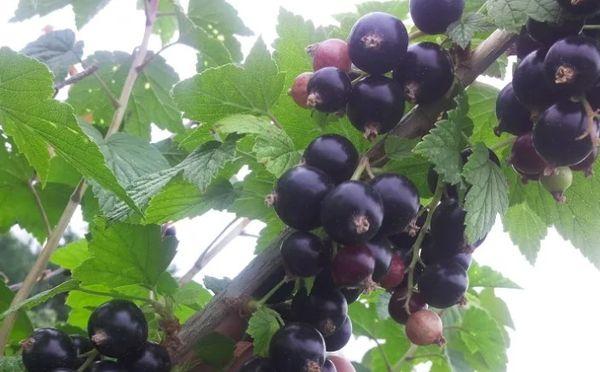
The leaves are large and wrinkled. They have a trilobed structure and are light green in color.
Flowering and pollination
The bush bears delicate purple flowers that form a cluster. They are arranged quite loosely. The plant requires pollinators. Therefore, it's a good idea to plant several bushes with similar bloom times in the same area.
Fruit ripening time
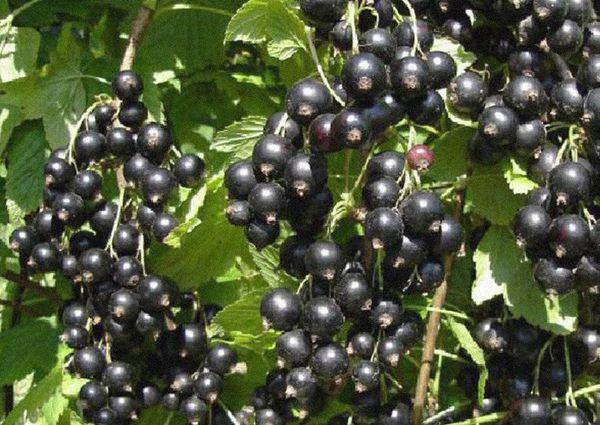
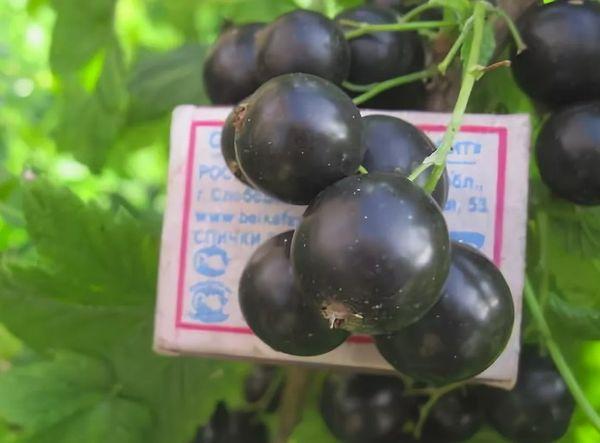
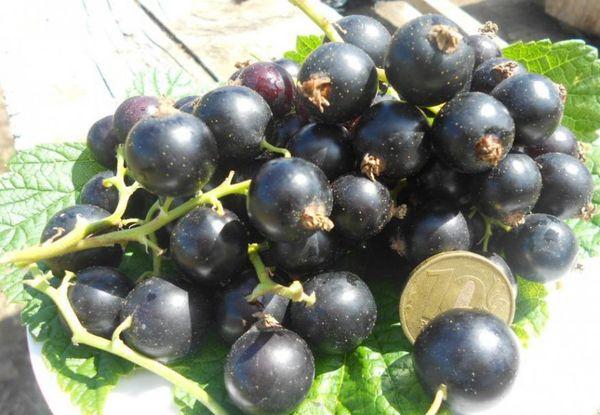
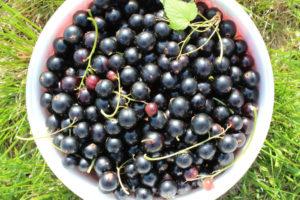
Smolyaninova's Dar is considered an extra-early variety. The berries are large, reaching 4.5 grams. Inside, the flesh is firm and juicy. Ripe fruits are a rich black color.
Taste and yield
This variety yields up to 13 tons per hectare. A single bush can produce 2 kilograms of berries. The fruits have a sweet and sour taste and contain a medium number of seeds.
Scope of application of berries
The fruits are versatile. They can be eaten fresh or used in desserts. They are also used in various preserves, such as jams, jellies, and compotes.
Resistance to subzero temperatures and drought
This variety is highly resistant to drought and low temperatures. The bushes can be left uncovered for the winter. They tolerate spring frosts well and recover easily after winter.
In dry weather, it is recommended to water and mulch currants frequently.
Immunity to diseases and pests
This variety is resistant to fungal infections. It is not susceptible to powdery mildew, septoria leaf spot, or anthracnose. The bush is also resistant to bud mites.
How to plant on a plot
To successfully grow a crop, it is important to choose the right location for it and carry out planting work correctly.
Deadlines
The best time to plant is late September or early October. This allows the plant time to adapt to the new conditions before the cold weather sets in. Planting currants in early spring is also acceptable.
Selecting and preparing a site
A sunny spot sheltered from north winds is ideal for planting. Experienced gardeners recommend planting currants along paths or fences.
The plant is suitable for any soil. An exception is considered to be marshy or saline soil with low air permeability. Also, avoid planting currants in areas with high groundwater levels. In this case, it's best to create raised beds.
Take a look Also
If the soil is too light or, conversely, too heavy, it is recommended to add humus or compost.
Seedling preparation and work procedure
A 2-year-old seedling is suitable for planting. It's important that it has well-developed roots. To plant, follow these steps:
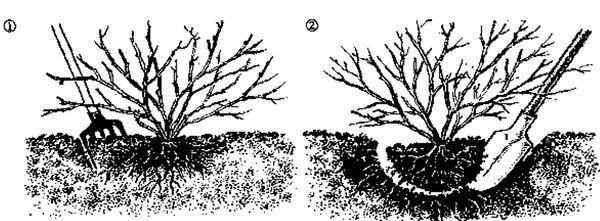
- Dig over and fertilize the soil.
- Make holes and fill them with nutrient substrate.
- Wait for the soil to settle and compact.
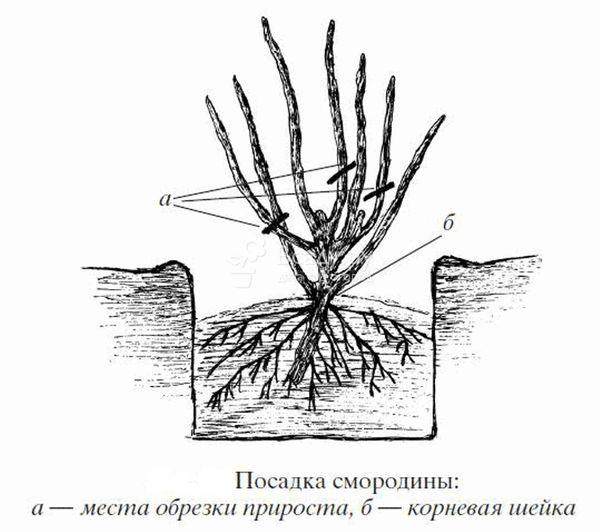
- Place the seedling in the hole at an angle of 45 degrees.
- Spread the roots, sprinkle with soil and press lightly with your hand.
- Pour out a bucket of water and trim the shoots.
Further care of currants
For a bush to thrive, it needs proper care. A number of recommendations should be followed.
Watering mode
The plant is considered moisture-loving and requires regular watering, 2-3 times a week. If water is insufficient, the berries become small and the yield decreases. Three to four buckets of water are poured under each bush.
Loosening and mulching the soil
Loosen the soil as needed. This will ensure oxygen reaches the roots.
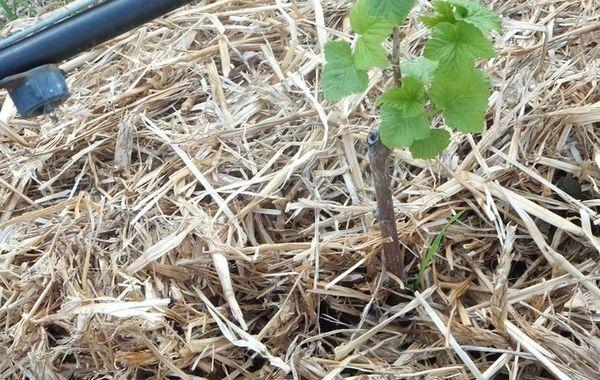
After watering, cover the soil with mulch. This will help prevent moisture loss.
Fertilization
Fertilizers should be applied actively starting at age three. It's recommended to apply supplemental fertilizer in the spring. Use mineral fertilizers, a solution of manure, or dung. In the fall, apply potassium- and phosphorus-based fertilizers.
Pruning: formative, sanitary, rejuvenating
This procedure promotes bush formation and improves yield. Pruning is performed at different times:
- After planting, only three shoots are left.
- Second year. You need to prune the young branches, leaving the five strongest ones.
- Third and fourth years. No more than six of the most vigorous young shoots are left.
- Fifth and subsequent years. During this period, rejuvenation pruning is performed. All shoots older than five years should be cut back to the root.
Pouring and hardening of bushes
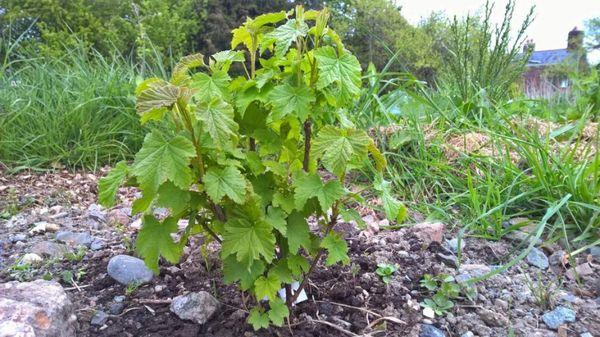
With the arrival of spring, bushes should be doused with hot water. This will help control pests and destroy the larvae of harmful insects.
Preventive seasonal treatments
To avoid the spread of parasites, you need to do the following:
- systematically inspect crops;
- maintain distance between plantings;
- buy plants only from trusted places;
- cut off branches and burn leaves;
- avoid fluid stagnation.
Take a look Also
How to cover plantings for the winter
This variety is considered frost-hardy. Therefore, it does not require winter cover. A layer of snow will act as natural insulation. The plant can withstand temperatures as low as -24 degrees Celsius.
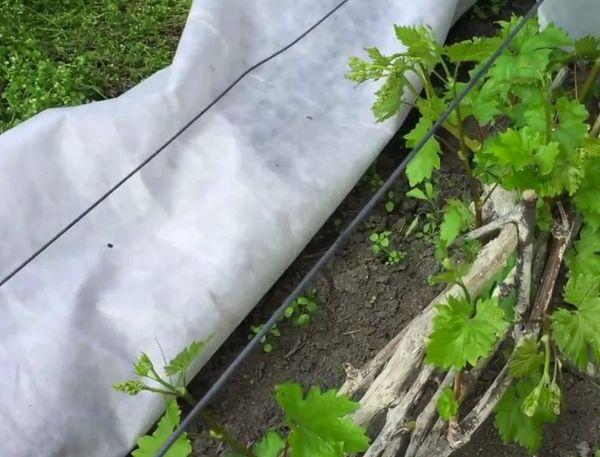
Before the arrival of winter, it is worth mulching the soil, covering it with organic materials or cardboard.
Methods of propagation of currants Dar Smolyaninova
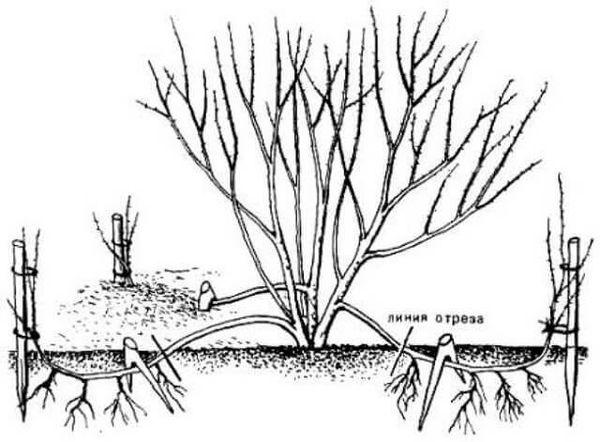
This currant variety can be propagated using various methods. Cuttings or division are used. Layering is also an option.
Tips and advice from experienced gardeners
To achieve success in growing the plant, it is worth following basic recommendations:
- water the plant on time;
- loosen and mulch the soil;
- apply fertilizers;
- carry out pruning;
- protect crops from diseases and pests.
Reviews of the variety
Numerous reviews of the culture confirm its popularity:
- Gennady: "I really like this variety because it produces delicious and aromatic fruits. I only eat currants fresh, as that's the fruit that contains the most vitamins."
- Alena: "I've been growing 'Dar Smolyaninova' currants in the Moscow region for over seven years. I really like the taste of the fruit. It's frost-resistant, so you don't need to cover the bush for the winter."
The Dar Smolyaninova variety is considered very popular. It is versatile and ripens early. The plant's fruits have excellent flavor and are rich in vitamins.
Related posts:
 The best grape varieties for growing in the Urals, planting and care rules in summer
 Descriptions of the 20 best cherry varieties for the Moscow region, their planting and care
 Description and cultivation of the 15 best cherry plum varieties for the Moscow region, planting and care rules
 Description of 30 varieties and types of Muscat grapes, planting, cultivation and care
 Methods for planting and propagating cherries at home
 Description and characteristics of the 27 best plum varieties for the Urals, planting and care
 80 Best Eggplant Varieties for Different Regions with Descriptions and Characteristics
 50 Best Pumpkin Varieties with Descriptions and Characteristics for Outdoor Planting