
- The history of the Ural Beauty currant breeding
- Cultivation areas
- Main advantages and disadvantages
- Botanical information and characteristics of the variety
- Bush and root system
- Flowering and pollination
- Fruit ripening time
- Taste and yield
- Scope of application of berries
- Resistance to subzero temperatures and drought
- Immunity to diseases and pests
- How to plant Ural Beauty in your garden
- Deadlines
- Selecting and preparing a site
- Seedling preparation and work procedure
- Further care of currants
- Watering mode
- Loosening and mulching the soil
- Fertilization
- Pruning: formative, sanitary, rejuvenating
- Pouring and hardening of bushes
- Preventive seasonal treatments
- Methods of reproduction
- Tips and advice from experienced gardeners
- Reviews of the variety
The Ural Beauty red currant variety is deservedly popular among gardeners. It's easy to care for and highly frost-resistant, making it popular even in regions with harsh climates. To achieve noticeable results, it's important to plant it carefully and provide the plant with proper care.
The history of the Ural Beauty currant breeding
Currants have a pleasant, refreshing flavor. They were developed from the Chulkovskaya and Faya varieties at the Research Institute of Fruit and Vegetable Growing. They are a wonderful Kuban crop. They can also be grown in other regions.
Cultivation areas
This variety boasts excellent frost resistance, making it suitable for cultivation in the Urals or Western Siberia. The plant is resistant to temperature fluctuations and boasts high yields.
Main advantages and disadvantages
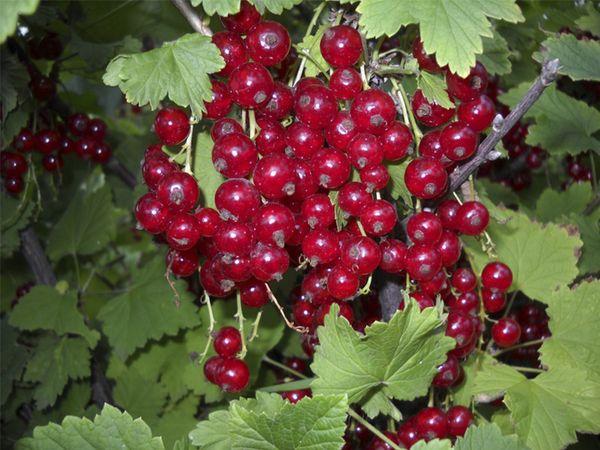
This variety of currant has many advantages:
- large fruits;
- excellent yield;
- mid-season ripening period;
- dessert purpose of berries;
- frost resistance;
- excellent transportability;
- resistance to pathologies and parasites.
The culture also has a significant drawback. Many note its low resistance to spider mites.
Botanical information and characteristics of the variety
Before carrying out planting work, it is worth familiarizing yourself with the key features of the crop.
Bush and root system
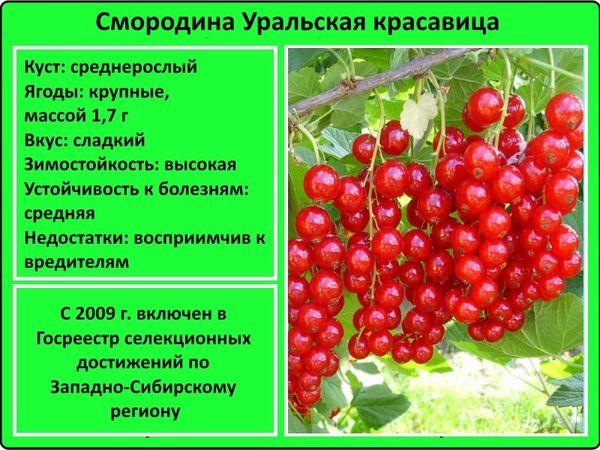
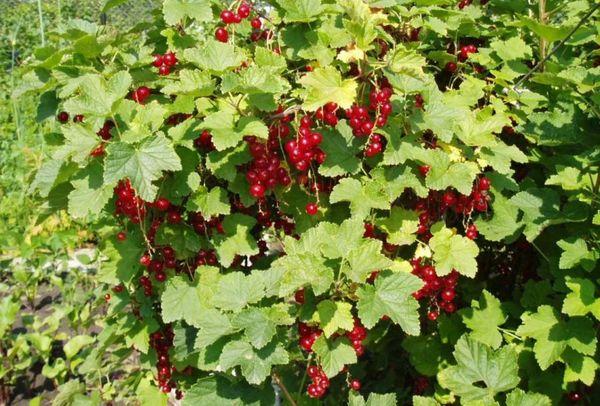
The plant is medium-sized and has strong shoots covered in light gray bark. The individual buds are medium-sized and elongated. The branches contain numerous leaves, which are large and have medium-sized petioles. The leaves have a wrinkled texture on the surface.
Flowering and pollination
The plant bears saucer-shaped flowers that bloom in May. They are light green and medium-sized.
The bush is considered self-fertile, meaning it doesn't need to be planted next to other currant varieties.
Self-pollination rates are 61.1%.
Fruit ripening time
Currant berries begin to form in mid-June. Harvesting can begin as early as July.
Taste and yield
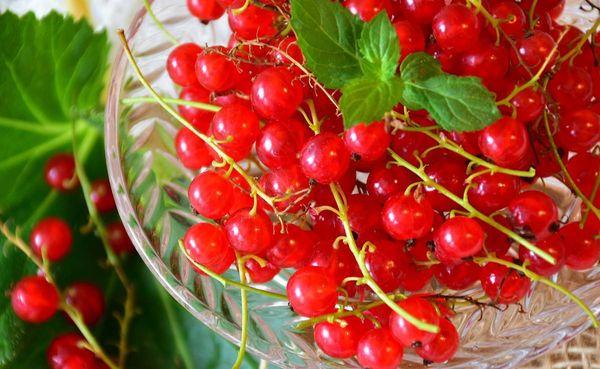
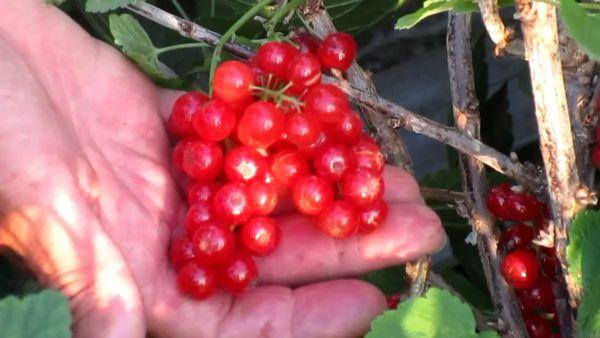
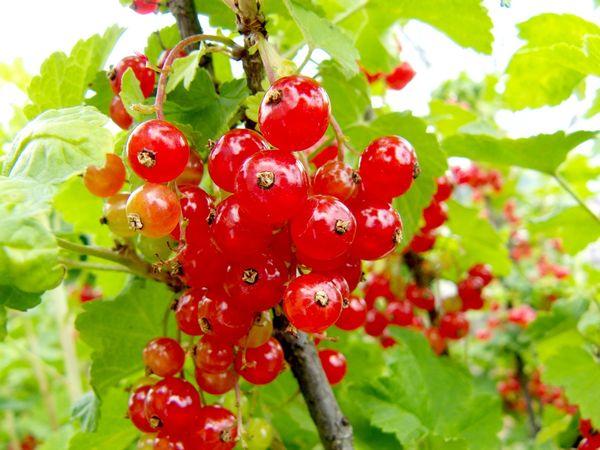
Currant clusters grow up to 7 centimeters. The fruits weigh 0.9 grams. They have a pleasant sweet taste with a noticeable tartness. Young plants can yield up to 3.5 kilograms of fruit.
With proper agricultural practices, yields can reach 15 kilograms. Ripe fruits hang on the bushes for a long time without falling off, retaining their flavor and firmness.
Scope of application of berries
The fruits are used for table purposes. They are versatile and can be used in desserts. Also you can make preparations from this currant – compotes, jams. They can be dried and frozen.
Resistance to subzero temperatures and drought
The variety is characterized by its tolerance to drought. Currants can withstand short periods of drought without losing their commercial qualities. The crop tolerates winter temperature fluctuations well. Without shelter, it can easily withstand temperatures down to -25 degrees Celsius.
Immunity to diseases and pests
Currants are virtually immune to powdery mildew and are not susceptible to attacks from moths or sawflies.
How to plant Ural Beauty in your garden
Strict adherence to planting recommendations will help you achieve success in growing crops.
Deadlines
It's best to plant this currant variety in September. This will give the bush time to establish roots before the cold weather sets in. If this isn't possible, planting should be done in April. However, it's best to deepen the soil in the fall.
Selecting and preparing a site
The plant requires a well-lit location. Slopes protected from cold winds are considered ideal. Avoid planting in low-lying areas, as these areas tend to accumulate moisture and cold air.
It's recommended to maintain a 3-meter distance from buildings to prevent the bush from being shaded. It's also a good idea to keep currants away from fruit trees. Otherwise, they won't receive sufficient nutrition.
Forest and loamy soils are suitable for this crop. It can also be planted in black soil. If the soil is highly acidic, lime is added.
Seedling preparation and work procedure
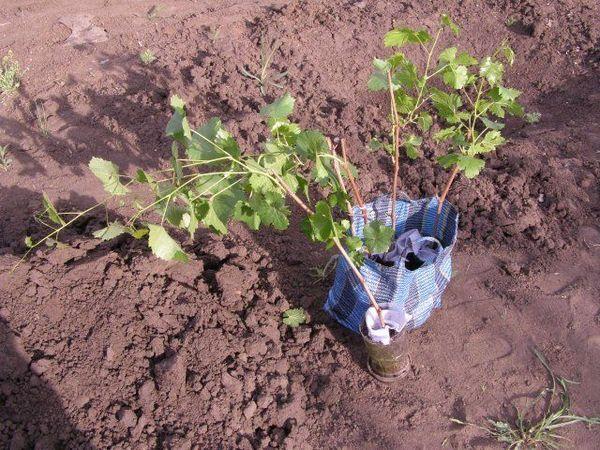
For cultivation, select strong, healthy plants, 30 centimeters in length. It is recommended to remove the leaves and soak the plant in water 24 hours before the procedure.
To carry out planting operations, perform the following actions:
- A month before planting, dig a 40x40 cm hole. The hole should be 50 cm deep. Leave 1.5 meters between the bushes.
- Add 3 liters of wood ash to the soil. Two buckets of compost are also used.
- Pour some of the mixture into the hole and wait for the soil to settle. This takes 2-4 weeks.
- Fill the hole with soil, place the bush and cover the roots.
- Trim branches to 20 centimeters. Each branch should have 2-3 buds.
- Pour 3 liters of water under the bush.
After planting, water the plant every 4 days. Top the soil with humus.
Further care of currants
The Ural Beauty requires minimal care. To ensure a good harvest, simply water the bushes and apply fertilizer.
Watering mode
The variety can tolerate short periods of drought. However, prolonged periods of soil deprivation will disrupt crop development. If dry weather occurs during fruit formation, there is a risk of crop loss.
Stagnant water is also harmful to the plant. Therefore, drainage must be provided when planting.
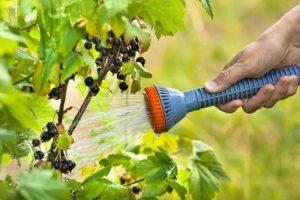
Pour 10-15 liters of water under the bush. It's important to keep the soil moist to a depth of 30 centimeters. A final watering should be done in the fall. It should be quite generous.
Loosening and mulching the soil
After watering, the soil is loosened and weeds are removed. This promotes better absorption of moisture and nutrients. To reduce the need for watering, the soil is mulched with manure or peat.
Fertilization
Correct Fertilizing stimulates the development of red currantsThis helps increase the plant's resistance to disease and boost its yield. The first fertilization is done in the spring, after the snow melts.
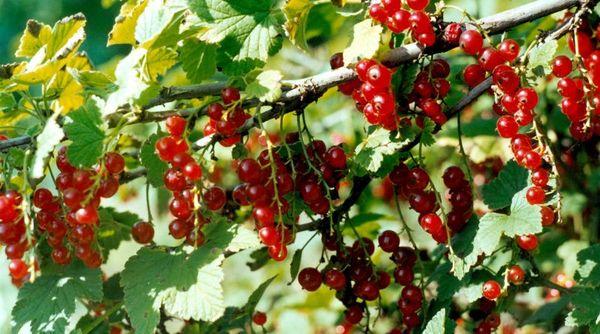
After winter, apply nitrogen-containing fertilizers. These are essential for leaf growth. Urea is used in April. In June, it's best to use organic matter. For this, use 600 milliliters of mullein per 10 liters of water.
Pruning: formative, sanitary, rejuvenating
Regular pruning increases the plant's yield. This is done in early spring and late fall. Since fruit appears on the upper parts of the shoots, there's no need to trim them. Old branches that have been bearing fruit for more than seven years are pruned. Diseased and damaged shoots should also be removed.

Pouring and hardening of bushes
With the arrival of spring, the bush should be doused with boiling water. This procedure is performed before buds form. This eliminates parasites that overwintered in the bark.
Preventive seasonal treatments
The variety is characterized by moderate resistance to diseases. With proper care, the risk of disease is minimal. For prevention, special formulations should be used. Fundazol is used before bud formation.
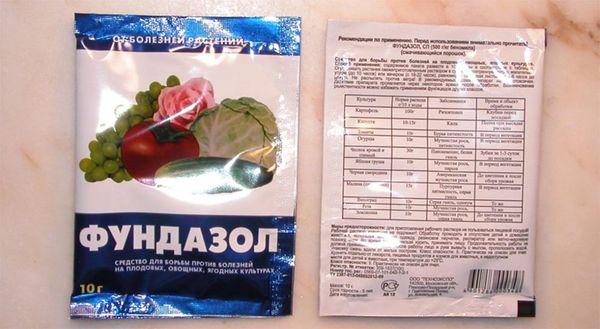
Red currants often encounter spider mites and aphids. During bud formation, insecticides such as Karbofos and Actellic are used.
Methods of reproduction
Currants are recommended to be propagated by layering. To do this, a strong shoot is secured in a special trench and covered with soil. In the fall, the plant is separated and moved to a new location. Cuttings can also be used for propagation.
Tips and advice from experienced gardeners
To achieve success in currant cultivation, it is worth following the advice of qualified specialists:
- carry out planting operations correctly;
- water the plant on time;
- apply fertilizers;
- perform formative and sanitary pruning;
- carry out treatments against pathologies and parasites.
Reviews of the variety
This variety is quite popular among gardeners, as confirmed by reviews:
- Irina: "I really like the hardiness of this variety. With proper care, I've managed to achieve quite a high yield—up to 7 kilograms per bush."
- Svetlana: "I've been growing Ural Beauty for five years now. It has small, compact bushes but produces a good harvest. In March, I water the beds with boiling water. This helps control pests."
Ural Beauty is a popular currant variety planted by many gardeners. To achieve good results and a bountiful harvest, it's important to provide the plant with proper care.
Related posts:
 Characteristics and descriptions of the 40 best red currant varieties
 The health benefits and contraindications of black currants
 20 Best Blackcurrant Winter Preserves Recipes
 Description and rules for growing black currant variety Veloy
 The health benefits and contraindications of white currants
 When and how to prune currants, the scheme and timing
 Step-by-step instructions for planting, caring for, and growing red currants
 Description of the 10 best currant varieties for the Moscow region, planting and care