
- Benefits of Using Potato Peelings
- Organic composition
- Safe to use
- The effect of fertilizing on the growth and fruiting of currants
- Methods of preparing the peel
- Freezing
- Drying
- Drying naturally
- In the oven
- In the microwave
- Application options
- Flour
- Gruel
- Infusion
- Rules and deadlines for contributions
- Efficiency and effectiveness of the product
- Gardeners' reviews of potato peels
Many people love potatoes, but not everyone knows about the beneficial properties of their peels. They are used to feed various garden crops. Potato peels as fertilizer for currants are an excellent way to nourish them, accelerate growth, and increase yield.
Rich in vitamins and beneficial compounds like phosphorus, fluorine, iron, potassium, and magnesium, the soil becomes more fertile, and the plant produces an abundant, delicious harvest. The skins are also rich in organic acids, fats, mineral salts, starch, and glucose. All this ensures normal flowering, juiciness, and sweetness in currants.
Benefits of Using Potato Peelings
Potato peelings are better than mineral fertilizers for the following reasons:
- They are affordable, do not require additional financial costs, and with the right storage technology, you can stock up on peelings for several feedings;
- Saturates the soil with essential macro- and microelements. Due to its natural origin, the fertilizer does not burn the plant even when applied at higher than recommended doses;
- increase soil fertility; after regular fertilization, it becomes loose, soft, and saturated with oxygen;
- Safety of use. Chemical mineral preparations can accumulate in currants, which can lead to growth problems and deterioration in fruit quality. This does not occur with potatoes;
- Organic mixtures encourage active growth of weeds, but with potatoes such problems practically do not arise.
Despite the many positive properties, the product also has some negative aspects:
- potato peelings spread over the garden bed attract mice, moles, and hares;
- Large volumes of cleaning are required to achieve good results. A one-time fertilization will improve the situation, but this is temporary;
- There's no way to control the soil saturation process. There's no danger of over-saturating the soil with potato peels, but it's difficult to determine the optimal amount.
Potato peels have more advantages than others, as during decomposition, all the beneficial compounds penetrate the roots, nourishing and saturating them. This process is accompanied by the release of heat, warming the soil. Potato peels give the soil their best, making it more fertile, and the harvest tastier and larger.
Organic composition
Potatoes and their skins are rich in many beneficial substances. These include micro- and macronutrients such as:
- vitamin;
- glucose;
- fats;
- starch;
- mineral salts;
- organic acids.
Potatoes are excellent as a fertilizer; they do not contaminate groundwater, soil or other plants.
Take a look Also
Safe to use
Potato peels, a fertilizer like this, are harmless, economical, and beneficial. The peels combat Colorado potato beetles, their larvae, slugs, and wireworms. Compared to modern chemicals, potato peels are clearly superior due to their organic nature, rapid decomposition, and absorption by plants and soil. This fertilizer ensures proper growth and development, and the rapid delivery of macronutrients to the roots.
The effect of fertilizing on the growth and fruiting of currants
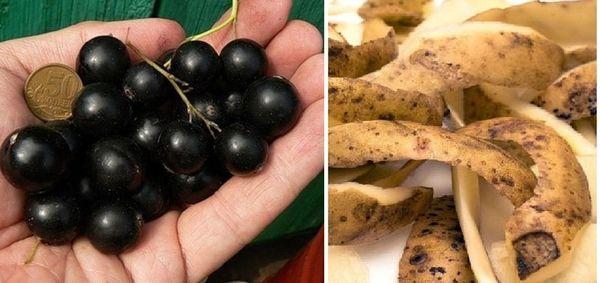
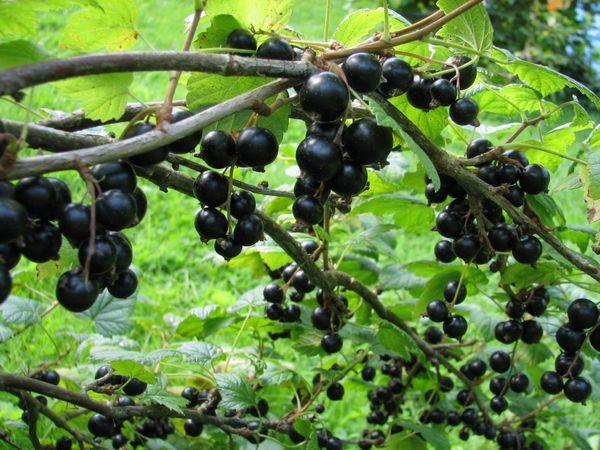
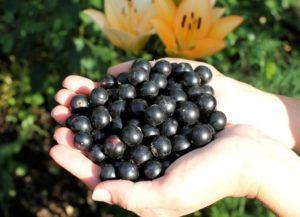
Potatoes have a positive effect on currants. After harvesting potato peels in the fall, the soil is dug up and fertilized with the peels in the spring. The potassium, glucose, and starch in potatoes will increase the fruit's production, and the berries will be similar in size to cherries.
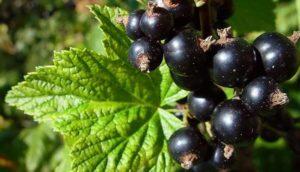
These components have a particularly positive effect on blackcurrant bushes – the berries become larger and sweeter.
Methods of preparing the peel
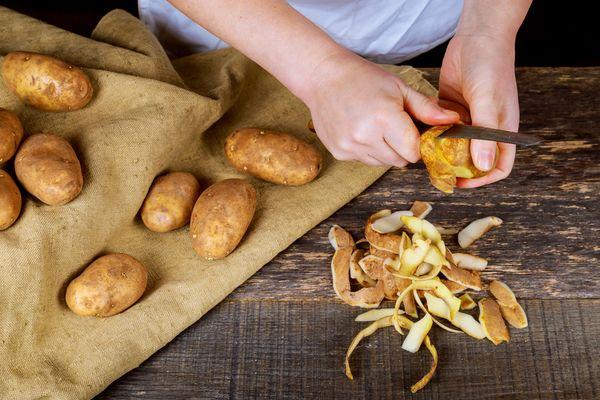
Preparing and storing the peels is an important step. Even a novice gardener can prepare the fertilizer. They can be buried directly in the soil, but this is not recommended, as they take a long time to decompose, causing them to rot and risking fungal infections. To avoid harming the plant, you need to understand how to properly prepare the fertilizer.
Freezing
Potato peelings freeze well. However, another method of preserving them is preferable, as the freezer is designed for storing meat, fish, and other foods. If your freezer is large enough, you can store washed and dried peelings there.
The second option is to store the peels on the balcony at subzero temperatures. Once the temperature returns to above freezing, the peels should be used immediately. Refreezing the product is not recommended, nor is using boiled potato peels, as heat treatment destroys all the beneficial properties.
Drying
Drying potatoes is simple, but not quick. Creating a high-quality natural fertilizer involves the following steps:
- First, the potato peelings are washed with cold water to remove any dirt;
- squeeze them out and wait for some of the moisture to evaporate;
- The drying process begins in natural conditions, on the balcony, in the oven or microwave.
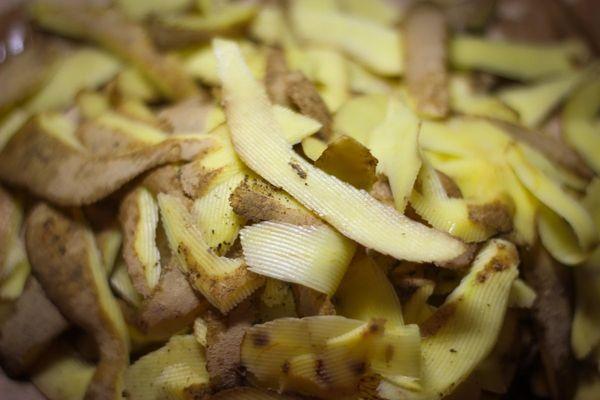
Dry the potato peelings on a paper or waffle towel. Place the prepared items in a well-ventilated room.
Drying naturally
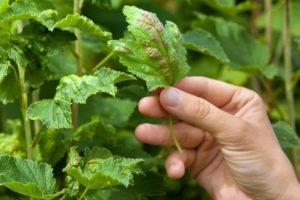
You can place the peelings on a balcony or windowsill, regularly ventilating the room. Fresh air will prevent rotting. When storing on the balcony, keep the peels away from the window and direct sunlight.
Complete drying takes 10-14 days, the quality of drying depends on how thick the peelings are, the air temperature and the humidity level.
In the oven
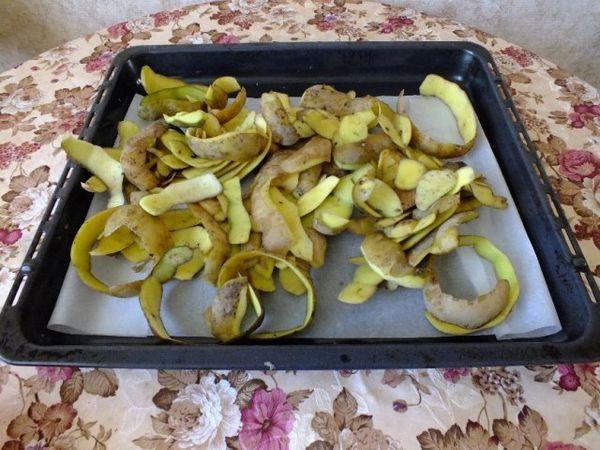
This method will reduce the time it takes to prepare fertilizers. Preheat the oven to 120OLine a baking sheet with parchment paper, thinly. Next, spread the washed and dried peelings evenly. It's best to leave the oven uncovered to allow oxygen to enter. Reduce the temperature to 90OC, potato peelings are dried for 4-4.5 hours.
In the microwave
Using a microwave oven significantly reduces the drying time for potato peelings. This requires a powerful oven, the right setting, and good quality and thickness of the peelings. They are ready when they are dry, crisp, and translucent.
After drying naturally, the finished potato peelings are distributed into cloth bags and stored in a cool place such as a garage, shed, cellar, or basement. If using an oven or microwave, the fertilizer can be stored in a pantry.
Application options
It's important not only to prepare the fertilizer but also to determine the correct application technique. Gardeners recommend fertilizing currants with infusions, pastes, and flour.
Flour
To grind the dried peel, use a blender, coffee grinder, or meat grinder. The product's versatility allows it to be stored in a cloth bag. It's important to store it promptly, as prolonged storage can lead to the development of pathogenic microorganisms, pests, and putrefaction.
Gruel
Dry peelings are poured with boiling water and stirred regularly. Heat treatment kills germs, pests, and fungi. After a week, the peels absorb moisture and easily turn into a paste. After grinding, the mixture should be stirred and strained. The solution can be applied to watering or buried in the soil around the tree trunk.
Infusion
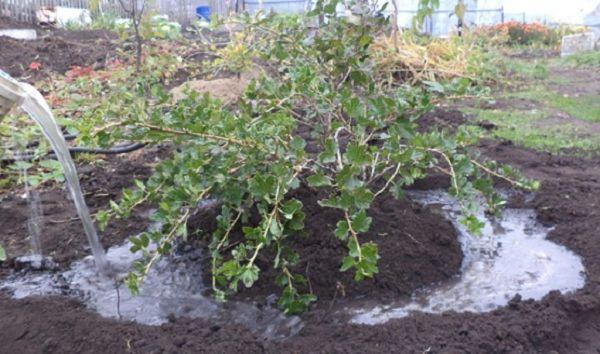
Frozen fertilizer should be thawed naturally. Then, the product (1.5-2 kg) should be combined with water (1 bucket), mixed thoroughly, and left to infuse for 24 hours. Pour 1 liter of the mixture under each currant bush. Water the plants with the solution in early April for 10-13 days. Re-fertilize when buds are forming, during the growing season, and a week before harvesting.
Rules and deadlines for contributions
Potato peelings can be used as fertilizer in spring, summer, and autumn. Before fertilizing the soil with the prepared solution, rake it from the area around the tree trunk to the circular zone of foliage—this is the root system growth line. Pour 10 liters of the mixture into the dug hole, and after a few hours, add three buckets of water. The infusion quickly penetrates the roots.
After the soil has absorbed, it's leveled and covered with organic mulch. Some gardeners use dry or frozen nutrient granules, burying them in moist, watered soil. This process is performed once a year, in the spring. After fertilizing with potato peelings, the soil becomes fertile, loose, and soft, and the fruit becomes juicy and sweet.
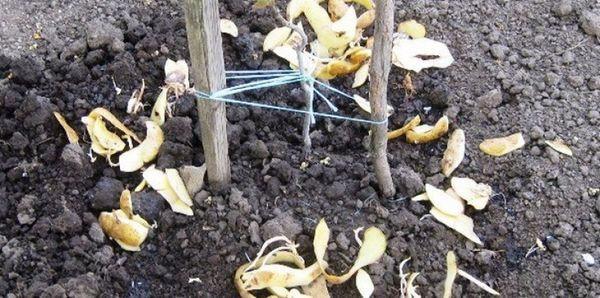
It's best not to use freshly cut cuttings, as they will take root and grow. In this case, you'll have to remove not only the grass but also the potato plants.
Efficiency and effectiveness of the product
Starch and glucose ensure the berries' full growth and development. Effective fertilizers come in the form of an infusion, paste, or dry powder. Fertilizing is most effective after removing fallen leaves, loosening, and digging the soil. Fertilizing improves soil properties, and is especially suitable for silty, clayey, and peaty soils.
Many gardeners love potato peelings as a fertilizer for their affordability and affordability. This product effectively improves the soil and currant bushes, prevents weed growth, and protects the plant from insect infestations.
Gardeners' reviews of potato peels
Lyudmila, 50 years old, Yekaterinburg
Two years ago, I heard from a friend about a good way to feed currants with potato peels. I was intrigued and decided to give it a try; it couldn't hurt. I dried the peels and blended them. I didn't see much of a difference the first year, but by the second year, the currants were looking much better. Since then, I've been using this method not only on this vegetable but also on cucumbers.
Ivan, 44 years old, Perm
I'm experimenting with fertilizer and have come up with a good recipe: I boil potato, carrot, and onion peelings, cool them, and water the plant and flowers. This nourishes, protects, and stimulates growth. I carefully distribute the remaining peelings under the currant bushes.
Ekaterina, 39 years old, Saratov
I prefer to chop potato peelings into small pieces, dry them, and store them in a bag. After the snow has completely melted, I scatter them under the bush and lightly dig them in.
Related posts:
 Description and rules for growing black currant variety Veloy
 20 Best Blackcurrant Winter Preserves Recipes
 Characteristics and descriptions of the 40 best red currant varieties
 TOP 10 recipes for red, black, and white currant sauce and ketchup for the winter, and how to store your preparations
 The health benefits and contraindications of white currants
 When is the best time to plant currants to get a good harvest?
 The health benefits and contraindications of black currants
 Description of green currant varieties, planting and care features