
- What is characteristic of the Dobrynya variety?
- History of selection
- Habitat
- Botanical description of the bush
- Flowering and fruiting
- Taste qualities of fruits and their further sale
- Resistance to diseases and frost
- Specifics of planting on the site
- Selecting a site
- Predecessors and neighboring cultures
- Illumination of the place
- Suitable soil composition
- Preparing the seedling and planting hole
- Planting dates and patterns
- Further care
- Regularity of watering
- Mulching and fertilization
- Formation of a variety
- Prevention of pests and diseases
- Winter protection
- Methods of reproduction
- Gardener reviews of the Dobrynya variety
Blackcurrant is rightfully considered the healthiest berry. The fruits of this garden crop contain a large amount of vitamins, amino acids, macro- and microelements. Thanks to the work of scientific breeders, numerous hybrid varieties of this healthy fruit have been created, all of which differ in taste, ripening time, and climatic resistance. The Dobrynya currant variety has appeared in gardens relatively recently, but its sweet, juicy, and healthy berries have already gained immense popularity among gardeners, farmers, and vegetable growers.
What is characteristic of the Dobrynya variety?
The creators of the Dobrynya variety incorporated the best characteristics and properties of blackcurrant into this new berry crop. The result is a high-yielding fruit variety that is resistant to low temperatures and drought.
History of selection
The Lupine Research Institute has developed many unique varieties and cultivars of fruit trees and shrubs. Most of the institute's best developments are attributed to the renowned Russian breeder Astakhov.
The black currant variety Dobrynya is also the result of many years of testing and work by the scientist.
To develop a new berry crop, the 42-7 variety and Blackcurrant Raisin.
It was the Izyumnaya currant that imparted the Dobrynya variety's unusual sweet flavor and aroma. After years of testing, in 2004, the Dobrynya blackcurrant was added to the state register and approved for commercial cultivation.
Habitat
The new currant variety quickly spread throughout the CIS countries and all regions of Russia. Thanks to its enhanced frost and drought resistance, Dobrynya is grown in the Urals, southern latitudes, Siberia, and the central regions of the country.

Botanical description of the bush
Depending on the growing region, the fruit bushes grow from 1.5 to 2 meters. The plant is compact, with spreading, straight branches forming an oval or round crown. The branches are brown with a smooth surface, and the shoots have greenish-purple hues.
Dark green, corrugated leaf blades with serrated edges densely cover the entire bush.
Flowering and fruiting
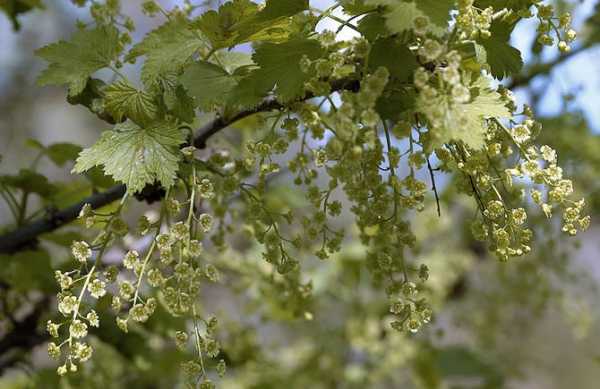
During the flowering period, cluster-shaped inflorescences appear on the surface and middle part of the bush, blooming into large beige flowers.
The variety is self-pollinating, so pollinators are not required for fruiting. After flowering, ovaries form on the clusters. Each inflorescence produces 6 to 10 berries.
 Important! Fruit crop ripening times directly depend on the cultivation region.
In southern latitudes, the berry harvest begins in mid-June. In temperate climates, the fruits ripen in late June or early July. In cold climates, the harvest takes place in August.
One bush yields between 1.5 and 2.4 kg of ripe berries. Yields may vary depending on climate conditions.
Taste qualities of fruits and their further sale
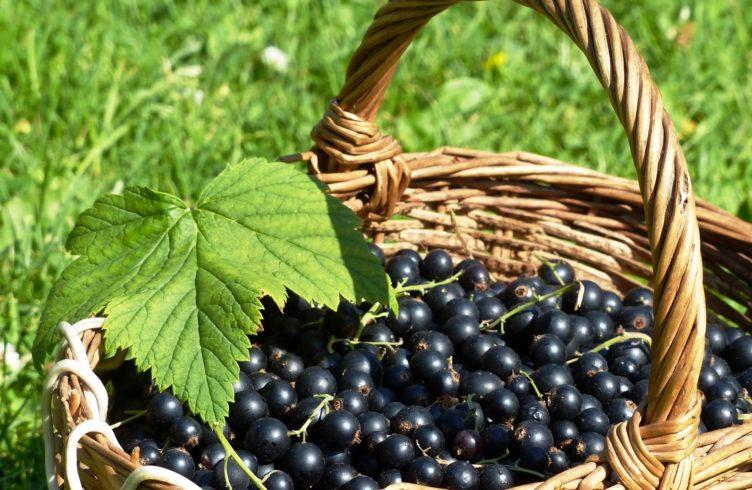
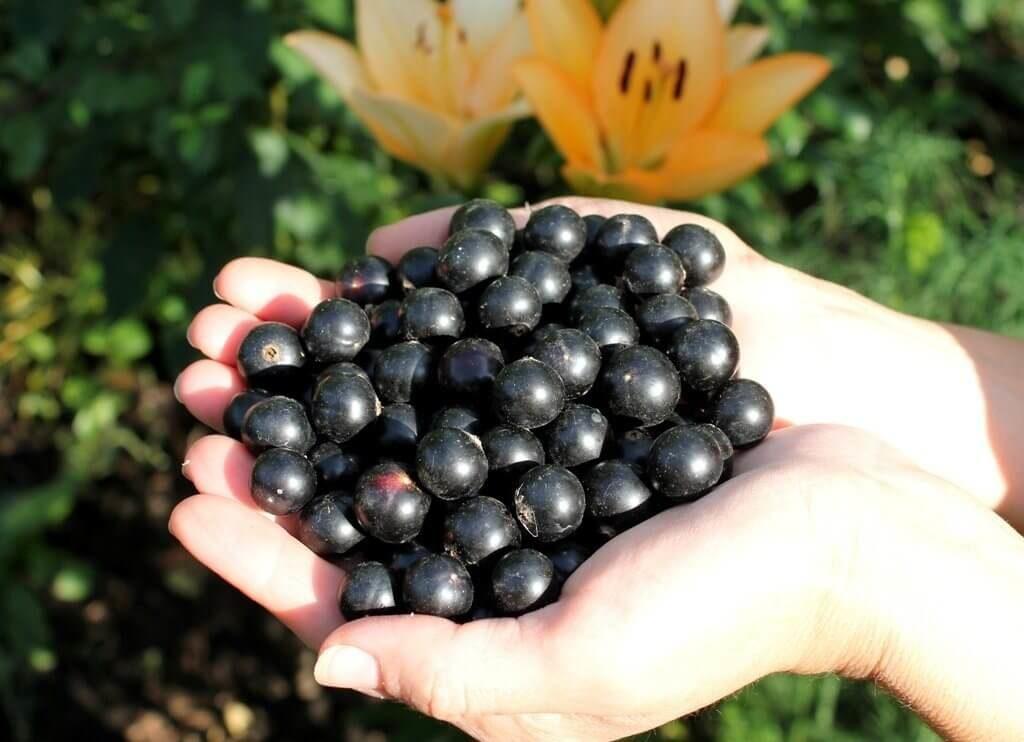
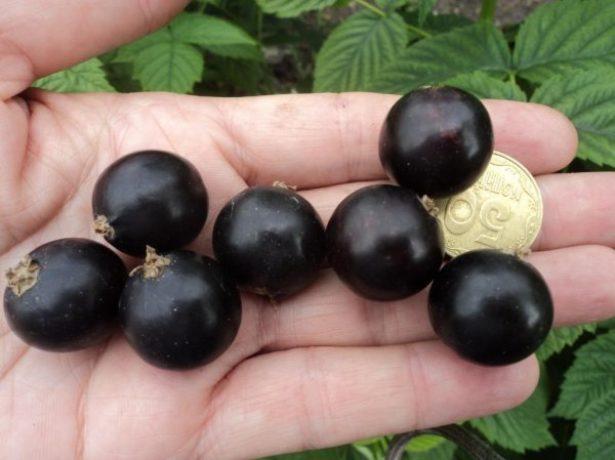
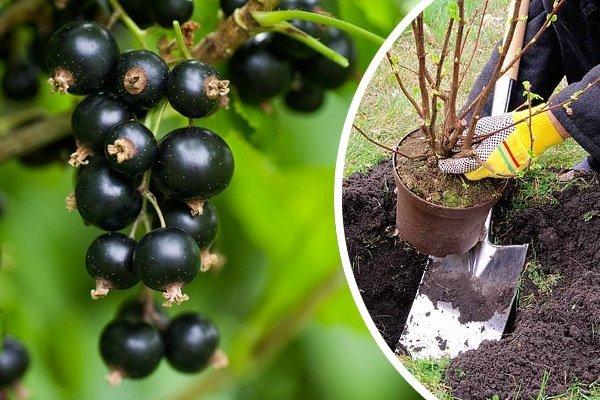
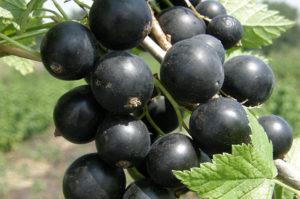
Blackcurrants of the Dobrynya variety are distinguished not only by their sweet taste but also by their enormous size for this fruit. Individual specimens reach 6-7 grams, comparable to a large cherry.

The berries are smooth, oval or round, black in color, and glossy. The flesh is firm, purple in color, with a distinct aroma and a sweet, slightly tart flavor.
The Dobrynya variety is considered versatile. The berries are recommended for fresh consumption. Ripe berries are used to make compotes, juices, nectars, preserves, and jellies, and are added to confectionery and dairy products. The berries freeze well without losing their nutritional value, and they can also be canned. Harvested at the right time, the berries are suitable for long-term storage and long-distance transportation.
 Note: 100 g of fresh Dobrynya blackcurrants contain up to 200 mg of ascorbic acid.
Resistance to diseases and frost
During development, the hybrid blackcurrant variety Dobrynya acquired high immunity to fungal and viral diseases. The berry bushes are well protected against powdery mildew, anthracnose, and rust.
In temperate climates, plants easily survive winters down to -30°C (-22°F), but in northern latitudes, berry bushes require additional insulation. This currant variety is drought-resistant. Long periods without watering or precipitation do not affect fruiting or the taste of the berries.
 Important! Spring frosts and sudden temperature changes are not harmful to flowering bushes.
Specifics of planting on the site
In addition to the basic requirements for growing the Dobrynya currant variety, it is necessary to take into account the complex rooting and survival rate of seedlings.
Selecting a site
The health of the fruit tree and its subsequent yield depend on the choice of land for planting seedlings. Areas with high groundwater levels are not suitable for currant planting. Also, the bushes will not thrive in low-lying areas or marshy soil.
Predecessors and neighboring cultures
The surrounding garden crops play an important role in the development and growth of the berry bush. The best neighbors for blackcurrants are onions, legumes, and honeysuckle. Gooseberries and greens are also acceptable. Any herbaceous annuals or grain crops can be used as predecessors. It is strictly forbidden to plant currants near nightshade plants, fruit trees, potatoes, and tomatoes.
 Important! Most of the plants on the prohibited list are potential carriers of pests and diseases that are dangerous to black currants.
Illumination of the place
Berry bushes are planted in well-lit areas. In southern regions, currants grow and thrive in shaded areas. Although the bushes require ventilation, they do not tolerate drafts. Therefore, the best location for planting seedlings is a short distance from buildings or fences.
Suitable soil composition
Black currant Dobrynya has difficulty planting. in open ground and is demanding of soil composition.
The soil for planting seedlings is prepared in advance.
- The land is carefully dug up, cleared of weeds and loosened.
- The soil is mixed with humus, manure and mineral fertilizers.
- For clayey, heavy soil, it is necessary to add river sand, manure and wood ash.
- Soil with high acidity is limed.
- Sandy soil is diluted with humus and peat.
 Important! Prepare the soil at least 3-4 weeks before planting. The soil should be enriched with nutrients and allowed to settle.
Preparing the seedling and planting hole
When selecting seedlings, special attention is paid to examining the rhizome and the appearance of the plant.
- The seedling should not have any obvious damage or lesions on the bark and branches.
- Each bush has at least 3-4 stems with fruit buds.
- Two-year-old plants take root and establish themselves best.
- The roots of the seedlings should not be overdried and should be free of broken or damaged shoots. There should also be no knots or unidentifiable growths on the roots.
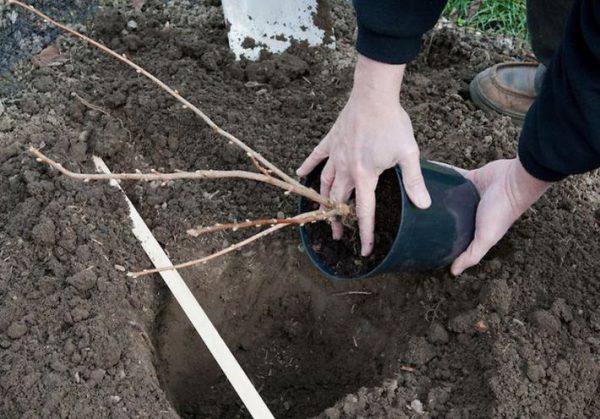
Before planting in open ground, seedlings are placed in a container with settled, warm water for 3-5 hours.
- Planting holes are dug on the prepared area.
- A drainage layer and a fertile mixture consisting of peat, urea and turf soil are placed at the bottom of the hole.
- The depth and width of the hole are 50 cm.
- The distance between seedlings is at least 50-70 cm, between rows 2 m.
Note: The greater the distance between plantings, the better air circulation will be between the plants.
Planting dates and patterns
The timing of planting berry bushes depends on the region's climate. In southern and temperate latitudes, currants are planted outdoors in the fall, 3-4 weeks before the onset of cold weather. In regions with early winters, planting occurs in the spring, as soon as the soil warms up.
- A seedling is placed in the prepared hole.
- The plant roots are evenly distributed in the hole and sprinkled with a fertile mixture.
- The soil under the bush is compacted and watered.
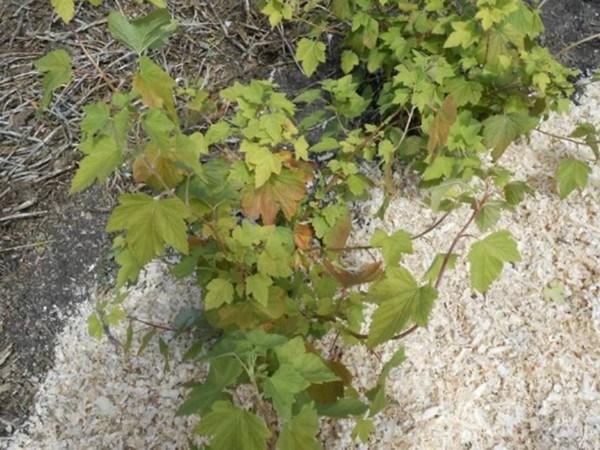
- After planting, the soil is mulched with compost or sawdust.
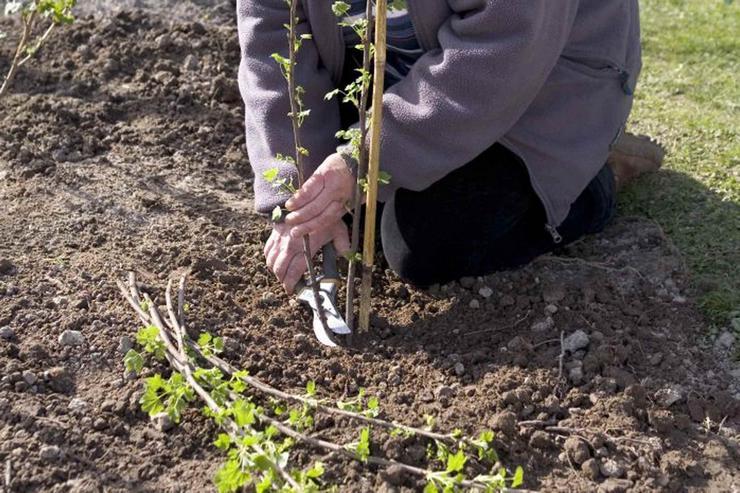
When planting, pay attention to the depth of the root collar, which should be no lower than 6-8 cm from the soil surface.
Further care
Caring for fruit crops includes timely watering, fertilizing, weeding, pruning, and preventative preparation for winter dormancy.
Regularity of watering
Water the fruit bush once every 2-3 weeks. Pour the settled, warm water into the area around the trunk. Each bush receives up to 20 liters of water.
Watering is especially important during the ripening period. A lack of moisture causes the fruit to become tough and tasteless. If the water gets too high, the berries will crack, and the delicate root system will rot.
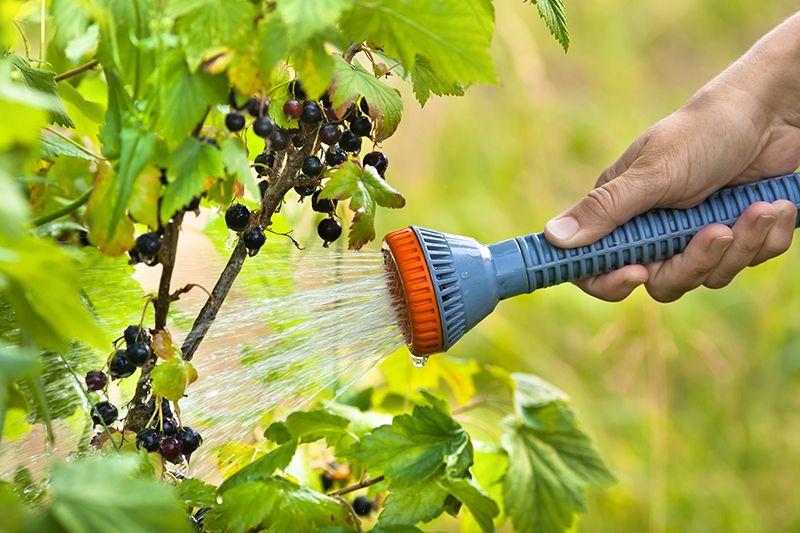
The last watering is carried out before the plants go into winter dormancy.
Note: Watering frequency may vary in different climate zones. Irrigation should also be adjusted during periods of heavy rainfall.
Mulching and fertilization
Fruit-bearing garden crops require additional fertilizers and feeding.
- In early spring, the bush is fed with urea.
- At the beginning of the growing season and during flowering, the fruit crop is fertilized with cow manure or bird droppings diluted in water.
- As soon as berries begin to form on the bushes, they are fed with a mineral complex.
To retain soil moisture and control weeds, mulch the tree trunk area. Dry grass, humus, peat, or sawdust can be used as mulch.
Formation of a variety
Currants undergo sanitary and formative pruning annually. Sanitary pruning is performed every spring and fall, removing old, dry, broken, and damaged branches.
Bush formation begins in the third year of growth. Currant shoots bear fruit for no more than five years, after which the yield drops sharply.
Therefore, in late autumn or early spring, all old branches are removed at the root. The berry bush should retain shoots of varying sizes and ages. To promote fruiting and the formation of new buds, one-year-old shoots are shortened by 15-20 cm.
Important! Pruning should be done in late fall or early spring, before the growing season begins. Treat the cuts with garden pitch.
Prevention of pests and diseases
The Dobrynya blackcurrant variety has natural immunity to fungal and viral infections, but often suffers from pest attacks.

In early spring, it is recommended to carry out preventative treatment of bushes with insecticide-based preparations.
Winter protection
Before winter dormancy, bushes are watered generously, and the area around the trunk is mulched with humus or dry leaves. In northern regions, bushes are additionally covered with dry grass and spruce branches, and at the first frost, they are wrapped in burlap or a special material.
Methods of reproduction
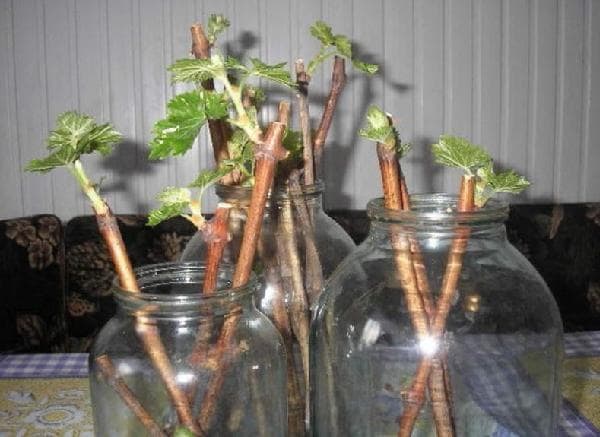
Due to the slow development of the root system, the Dobrynya currant variety is propagated only by division. To do this, select a mature, healthy plant and carefully dig it out of the ground. The roots are thoroughly cleaned of soil and divided into equal parts. Each new plant should have well-formed rhizomes and several young shoots with buds. Young plants are planted individually in pre-prepared holes filled with fertile soil.
Gardener reviews of the Dobrynya variety
Larisa Viktorovna 46 years old, Sevastopol
I've been growing the Dobrynya blackcurrant for about 10 years now. The bushes have taken root well and are bearing fruit vigorously. Every year, I harvest almost 5 kg of ripe, large, and sweet berries from two bushes. This variety doesn't require any special care, but it's also a real challenge. As soon as it senses a lack of moisture, it begins to wither. I also fertilize it with organic matter several times a year.
Kira Anatolyevna, 46 years old, Samara
My husband and I grow several varieties of blackcurrant, but the tastiest and largest is 'Dobrynya.' After planting, the seedlings were sick for a long time, but after a year they recovered and began bearing fruit. The peak yield came in the fourth year of growth, when we harvested almost 2.5 kg of berries from a single bush. What I like most about this variety is its low maintenance. It produces few shoots, and it doesn't require much watering or fertilizing, but the berries are large and sweet, suitable for both eating and making jam.
Grigory Petrovich 60 years old, Nizhnekamsk
Growing fruit in our climate is very challenging, but the Dobrynya blackcurrant has thrived. I cover the bushes with burlap and spruce branches for the winter, and they quickly recover and begin growing in the spring. The berries are large, incredibly sweet, and aromatic; we eat almost the entire harvest fresh.
Related posts:
 Characteristics and descriptions of the 40 best red currant varieties
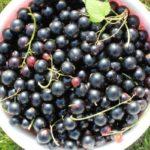 Description and characteristics of the 25 best blackcurrant varieties for Siberia
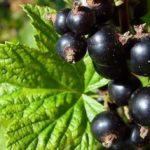 The health benefits and contraindications of black currants
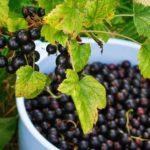 The best and new varieties of black currant for growing in the Urals, planting and care
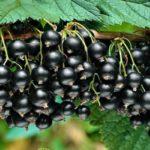 Description of the 50 best blackcurrant varieties for different regions
 Description of the red currant variety Sakharnaya, features of planting and care
 The health benefits and contraindications of white currants
 Red currant health benefits, properties, and contraindications