
- The History of the Origin of the Treasure Currant
- Characteristics of culture
- Bush and berries
- Taste properties of berries and further implementation
- Immunity to diseases
- Frost and drought resistance
- Advantages and disadvantages
- Specifics of planting work
- Selecting a location and preparing the site
- Timing and technology of planting
- Care instructions
- Watering
- Top dressing
- Soil cultivation
- Trimming
- Protecting currants from diseases and pests
- Harvesting and storing berries
- Gardeners' reviews of the variety
The Sokrovishche currant variety is an early-ripening variety. It's suitable for growing in northern and temperate regions. It easily withstands severe frosts, but is less tolerant of drought. The variety produces good berries and yields well. The taste of the fruit is highly rated. It's easy to care for and is suitable for first-time growers.
The History of the Origin of the Treasure Currant
The variety was developed at the Siberian Agricultural Institute by scientist L.N. Zabelina. The plant underwent five years of cultivation trials. In 1997, the variety was included in the state register and approved for cultivation in Siberia and the Urals.
Characteristics of culture
To determine whether it is worth growing a shrub on your own plot, you need to study all of its characteristics in advance.
Bush and berries
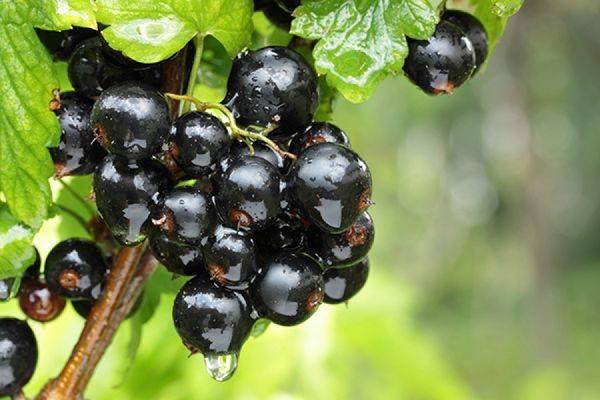
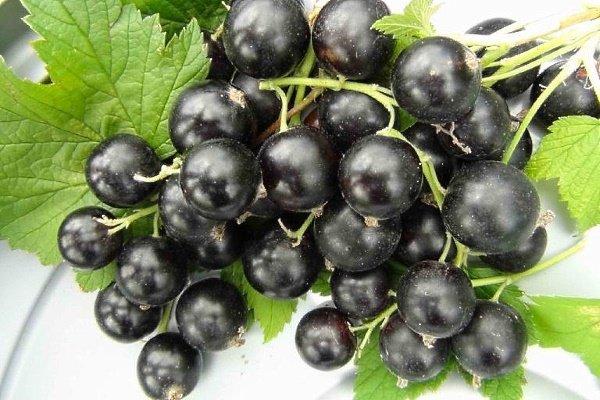
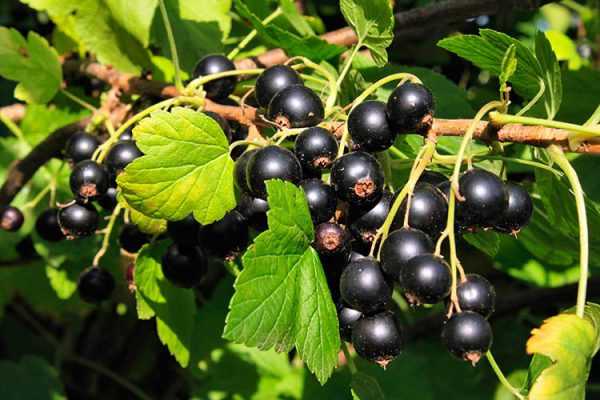
The berries are large, covered in black skin. Inside is green, gelatinous flesh. This variety produces large fruits, with an average berry weight of 2 g. Under favorable conditions, the weight can reach 6 g.
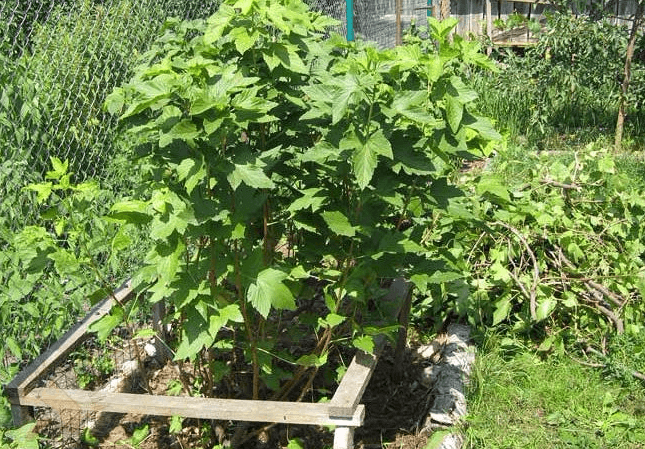
The bushes are compact, up to 1.5 m tall, with a spherical crown. The ovaries are positioned conveniently for harvesting. The fruits are collected in clusters of 5–7.
Taste properties of berries and further implementation
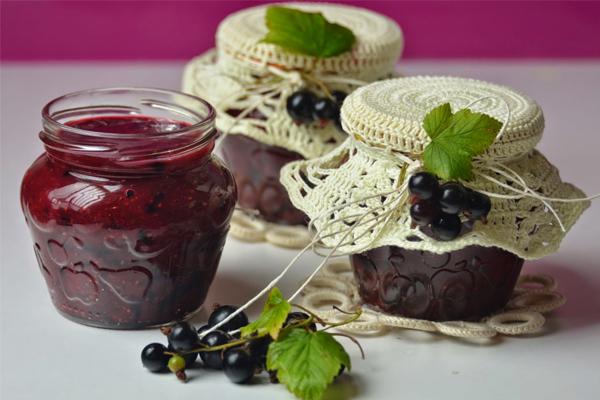
Tasters rate the Sokrovishche berries at 4.5 on a 5-point scale. The currants have a pleasant sweet and sour taste. They combine the ideal concentrations of sugar and ascorbic acid. They are suitable for fresh consumption and for processing into:
- compote;
- jam;
- jams;
- jelly;
- dried fruits.
Important! The berries are easy to transport and suitable for retail sale.
Immunity to diseases
The Sokrovishche currant has strong immunity to powdery mildew and rust, and partial resistance to anthracnose and septoria. Under adverse weather conditions, frequent flooding, and poor agricultural practices, the bush's immunity weakens and it becomes susceptible to disease.
Frost and drought resistance
This crop is suitable for cultivation in the northern regions of the country. It is characterized by good frost resistance. It has a well-developed root system, which allows it to obtain additional moisture from groundwater. However, prolonged drought will kill the plant.
Advantages and disadvantages
Currants have many positive qualities. These include:
- high productivity of the bush, more than 4 kg from each;
- the berries are the same size;
- pleasant taste;
- frost resistance;
- early ripening of berries;
- strong immunity to fungal infections.
Disadvantages include poor drought resistance and the need for regular pruning of the bush.
Specifics of planting work
To obtain a high-quality harvest and maintain the productivity of the bush, you need to choose the right location and follow the planting technique.
Selecting a location and preparing the site
Currants prefer locations with good sunlight, which should last at least 12 hours a day in summer. They prefer well-ventilated areas, but away from northerly winds.
 Important! Cold, gusty winds will kill the shrub.
It's preferable to use slightly acidic soil. If the soil is more acidic, lime it. Prepare the site in advance, no later than two weeks before planting. To do this, follow these steps:
- All large stones and weeds are removed from the garden bed.
- Dig a hole 50 cm deep and 30 cm in diameter.
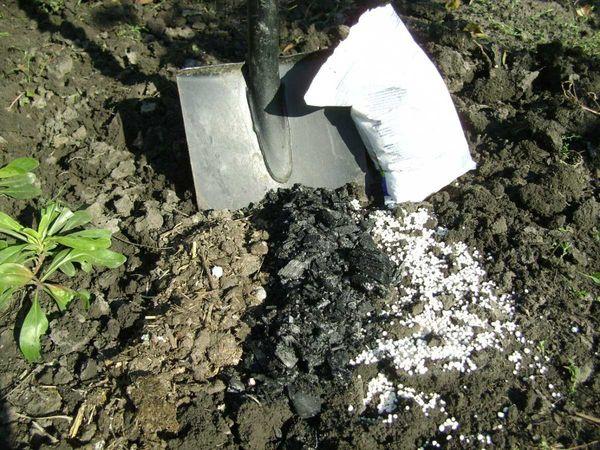
- The excavated soil is mixed with humus and a mineral complex containing nitrogen, phosphorus, and potassium.
- Half of the mixture is placed back into the hole.
- Leave for 2 weeks or until spring.
Timing and technology of planting
For temperate and northern climates, planting is recommended in early spring, once the snow has completely melted and the topsoil has thawed. Fall planting is also possible, but the survival rate is reduced.
Important! If the seedling was purchased in the fall, store it horizontally in a greenhouse with the roots slightly buried until spring.
The shrub planting procedure is the same as for other crops. Follow the following algorithm:
- The young plant is soaked in a solution of potassium permanganate for 24 hours.
- The plant is placed in a hole.
- All the roots are straightened out by hand.
- Seal the hole layer by layer.
- Each layer is tightly compacted.
- The penultimate layer is peat.
- Water the currants with 10 liters of water.

Care instructions
The Sokrovishche currant doesn't require any special care. Following simple farming guidelines will help you get a good harvest and maintain the bush's vitality.
Watering
Water the bush at least once a week. Use 10 liters for a young plant and 40 liters for a fruiting plant. Use settled water that has been warmed in the sun. Irrigate the area around the trunk.
During frequent heavy rains, reduce watering, taking into account the amount of precipitation. During dry summers, increase watering. Water as the soil around the tree trunk dries out.
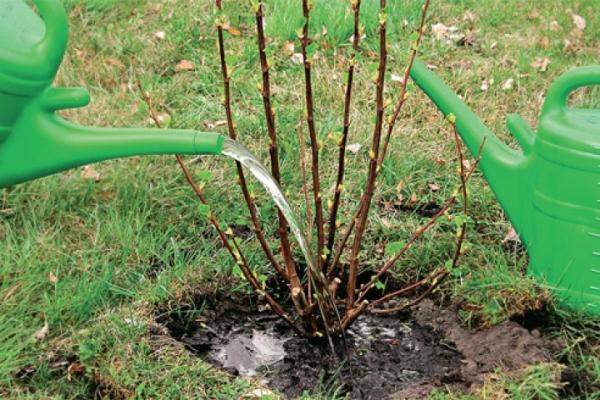 Important! Adding peat moss when planting will ensure moisture retention at the currant roots.
Top dressing
Fertilize the crop several times per season. At different stages of the growing season, the plant requires different micronutrients. Fertilize according to a specific schedule:
- Before the buds begin to open, add a solution of chicken manure, prepared at a rate of 100 g per 1 liter of water.
- During flowering and ovary formation, feed with potassium fertilizers.
- During the fruiting period, fertilize with compounds containing phosphorus.
- After harvesting, the plant needs nitrogen or manure.
Soil cultivation
Regular loosening of the soil around the tree trunk is recommended to increase aeration of the bush's roots. This procedure is combined with weed removal. Weeds absorb some of the nutrients, significantly depleting the soil. As a result, the currant bush will experience a deficiency of beneficial micronutrients.
Trimming
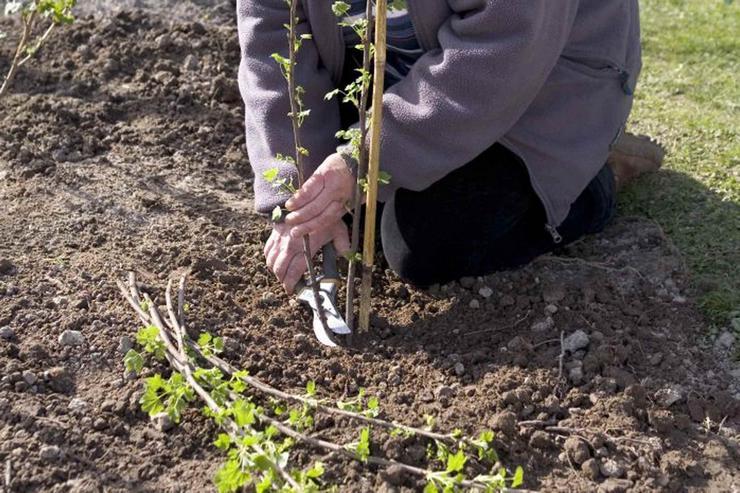
Treasure is a medium-sized shrub that naturally forms a spherical crown. During the first three years of its life, currants require branch training. After planting, select the main shoot and cut it back to 10 cm. All other branches are cut 5-7 cm shorter than the main branch.
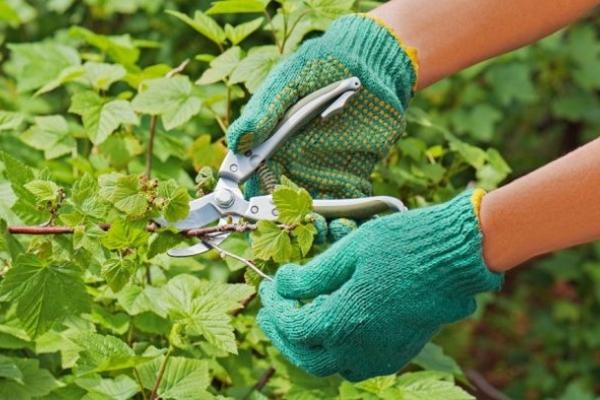
Important! Formative pruning should only be performed in the spring, allowing the plant more time to recover.Mature shrubs require sanitation at the end of each season. Remove all broken, dry, and damaged branches. Thin out shrubs in densely populated areas.
Protecting currants from diseases and pests
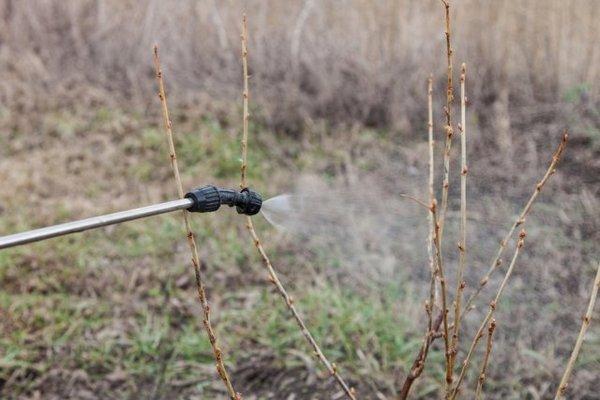
Currants are immune to powdery mildew. However, they are susceptible to other fungal diseases, such as anthracnose and septoria. These can be controlled using fungicides. Plants are sprayed as needed.
Among harmful insects the following are noted:
- aphids;
- spider mites;
- kidney mites;
- geometer moths.
To prevent insect attacks, insecticides designed for garden and berry crops are used. Spraying is carried out several times per season according to the instructions.
Important! Chemical spraying should be carried out no later than 20 days before harvest.
Harvesting and storing berries
The Sokrovishche currant is an early-ripening variety. The berries ripen in mid- to late July, depending on the growing region. The further south you grow, the earlier they ripen. The berries are collected in a plastic bucket, carefully picking the berries.
Store them in the refrigerator for no more than 4 days. It's best to process the harvest immediately. To extend the shelf life, regularly inspect the currant containers and remove any damaged or rotten berries.
Gardeners' reviews of the variety
Anastasia, 45 years old, Vladivostok
I've been growing the Sokrovishche currant variety for eight years now. It's a medium-sized bush that pleases us with a bountiful harvest every year. The berries have a sweet and sour taste. We eat part of the harvest fresh, and the other half is processed into compotes and jams.
Lyudmila, 56 years old, Arkhangelsk
Two years ago, I bought four "Sokrovishche" currant bushes at a nursery. The seller raved about them. They took root quickly and should bear fruit this year. I've heard reviews about high yields and large fruits. I hope the effort will be worth it.
Arkady, 58 years old, Kemerovo
The Sokrovishche currant is one of my favorite varieties in my garden. Compared to other varieties, it doesn't take up much space, produces a large quantity of berries, and doesn't require much attention. The fruits are tasty and large. They are easy to pick from the bush.
Related posts:
 The best and new varieties of black currant for growing in the Urals, planting and care
 Description of the 50 best blackcurrant varieties for different regions
 Characteristics and descriptions of the 40 best red currant varieties
 Description and characteristics of the 25 best blackcurrant varieties for Siberia
 The health benefits and contraindications of black currants
 Red currant health benefits, properties, and contraindications
 Description of the red currant variety Nenaglyadnaya, planting and care
 The health benefits and contraindications of white currants