
- The history of Ilyinka currant breeding
- Cultivation areas
- Varieties of the variety
- Red
- Black
- Main advantages and disadvantages
- Botanical description and characteristics
- Bush and root system
- Leaf blades
- Flowering and pollination
- Fruit ripening time
- Taste and yield
- Scope of application of berries
- Resistance to subzero temperatures and drought
- Immunity to diseases and pests
- How to plant Ilyinka in a garden
- The best timing
- Selecting and preparing a site
- Seedling preparation and work procedure
- Further care of currants
- Watering mode
- Loosening and mulching the soil
- Fertilization
- Pruning: formative, sanitary, rejuvenating
- Pouring and hardening of bushes
- Preventive seasonal treatments
- How to cover plantings for the winter
- Methods of reproduction
- Tips and advice from experienced gardeners
- Reviews of the variety
Nowadays, currants have become an essential part of any garden. The Ilyinka currant variety is particularly suitable for growing. The plant produces fruit in its second or third year, and it grows for about 15 years. Currants are characterized by large berries and early maturity.
The history of Ilyinka currant breeding
This currant variety was developed in the southern Urals. V. Ilyin was the creator of the hybrid. The currant was created for a region with a short summer. The plant was bred from Jonker van Tets currantsThe hybrid entered testing in 2004.
Cultivation areas
Currants are popular throughout the world, although they were originally bred for northern latitudes. They are grown throughout Russia, Ukraine, Belarus, and neighboring countries. They are known for their flavor and large fruits.
Varieties of the variety
Thanks to open pollination of the Jonker van Tets currant, breeders have obtained two varieties of Ilyinka: black and red. But there are differences between these hybrids, especially in taste and size.
Red
This hybrid is ideal for cold climates. It tolerates harsh winters and summer droughts. The bush has a dense, round, pyramidal crown. The branches are medium-sized. This variety bears fruit every year.
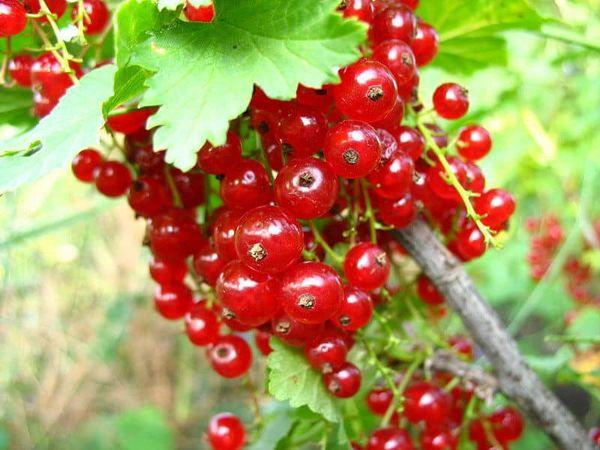
The fruits ripen in midsummer. The berries are large (1.5-1.6 grams). The fruit cluster is 4-6 centimeters long. The fruit color is dark red or burgundy. They have a sweet and sour taste with a characteristic pleasant aroma.
Black
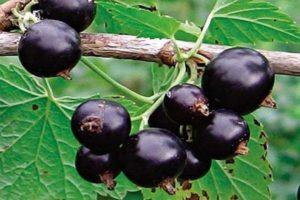
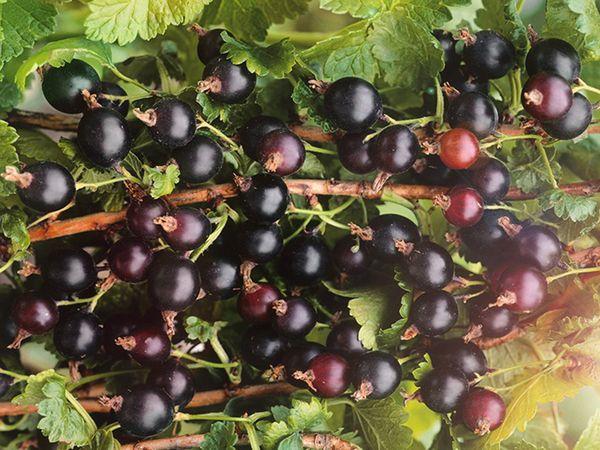
Cold-hardy. The bush is larger, with a dense, spreading crown. The branches are medium-sized and strong, so the currant does not require support. The fruit clusters are 4-6 centimeters long. The berries are larger, weighing 4-5 grams. Sweet, dessert-quality fruits, they have a distinct flavor and aroma. The berries are easy to pick and transport. The fruits are a deep black color.
Main advantages and disadvantages
Like all plants, currants have their pros and cons. Its positive attributes include:
- The berries are large and smooth.
- Good taste.
- Resistance to sub-zero temperatures and diseases.
- High yield.
- Early ripening.
- Storage during transportation.
However, if poorly cared for, its berries become small, so the plant requires constant feeding and fertilizer. The shoots also grow quickly.
Botanical description and characteristics
A plant from the Gooseberry family. In both cases, it's a low-growing plant, reaching 1.4 meters in height with medium-density foliage.
Bush and root system
The bush is spreading, with a pyramidal crown. The central branches point upward, while the lateral branches point outward. The bark is gray-brown. Small, young roots extend from the central roots.
Leaf blades
The bush has palmately lobed leaves, their color varying from bright green to a dull yellowish-green. Rounded teeth are usually located along the leaf edges.
Flowering and pollination
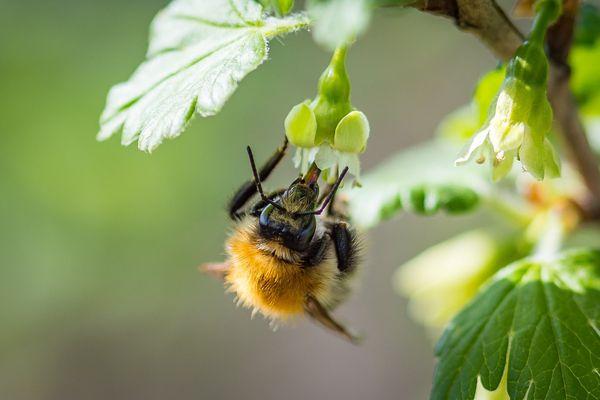
The flowers are borne in special racemes. There are five petals and the same number of stamens. The ovary is unilocular and multi-seeded. There are two styles. The flowers are cross-pollinated by insects. This process occurs in early spring.
Most often, pollination is carried out by bees and bumblebees.
Fruit ripening time
The fruits ripen in late June to mid-July. The plant produces fruit in its second year, and a full harvest is expected in the third. Currants bear fruit for up to 15 years.
Taste and yield
Red currant sour, but pleasant to the taste, the black hybrid is very sweet and aromatic. Therefore, this variety is often eaten fresh. The yield is high, with up to 5.5 kilograms of berries per tree. Since the Ilyinka variety is frost-resistant, the flowers have a greater chance of surviving frost.
Scope of application of berries
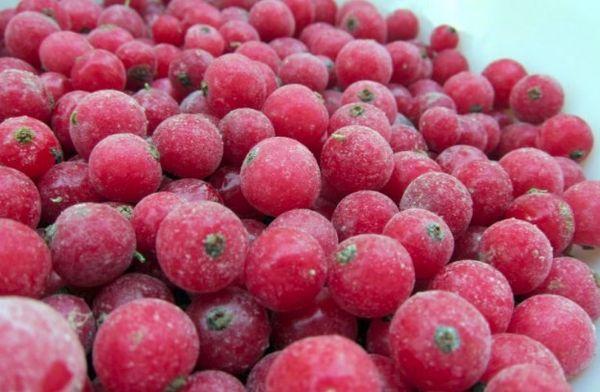
Because the berries contain a lot of pectin, they form a jelly when cooked. Currants are also used to make delicious compotes and are frozen for the winter. Tasting score: 4.4.
Resistance to subzero temperatures and drought
This winter-hardy variety is suitable for growing in northern latitudes. Droughts also won't harm the bush. The roots retain moisture well and are undemanding.
Immunity to diseases and pests
Currants are often susceptible to powdery mildew. Leaves and branches become covered with a white coating, causing young bushes to die. You also need to make sure that the soil is not oversaturated with nitrogen.This variety also often suffers from white spot, caused by fungi of the genus Septoria. High humidity is also a culprit here.

The hybrid can sometimes be affected by anthracnose, the most common fungal disease of currants among gardeners. All diseases can lead to foliage loss, reduced fruit size, and plant death.
How to plant Ilyinka in a garden
Growing this currant hybrid isn't easy. Soil composition is crucial for the plant. Planting follows these guidelines.
The best timing
Plant the bush in late summer or early fall. By this time, the roots are already quite strong. However, don't delay planting, otherwise the roots won't have time to develop and the plant will die. A sunny, windless day is best.
Selecting and preparing a site
Choose a sunny, wind-protected location. A site along fences or near house walls is suitable, preferably not facing north. The plant needs full sun to develop large, sweet fruits. In the shade, the fruits will shrink, and the currant will be prone to diseases.
Choose loose soil where water will not stagnate, as high humidity can lead to fungal diseases.
The bush is planted on light loamy, sandy and medium podzolic soil.
Seedling preparation and work procedure
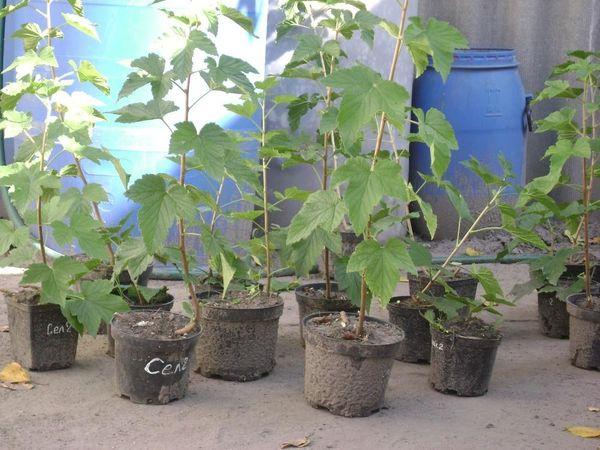
When planting, use two-year-old, well-developed plants. The number of shoots doesn't matter; they are usually pruned at planting. Make sure there are no black spots at the cut site, as this is a sign of glasswort.
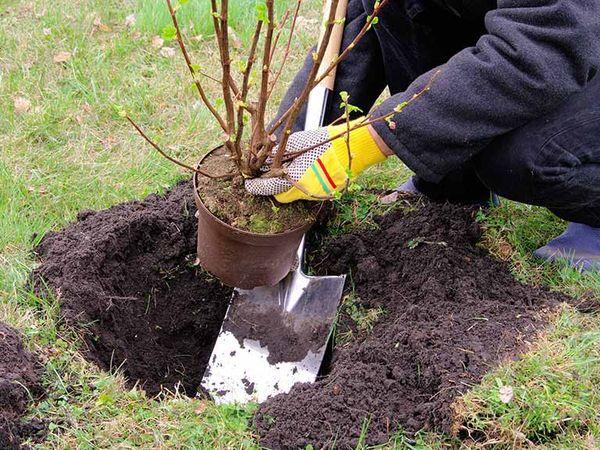
Currants are planted with fresh roots. If planting is delayed, the plant is placed in water or temporarily buried. The site is prepared 2-3 weeks before planting. The planting technique is simple:
- First, they dig a hole (half a meter wide and half a meter long).
- The soil from the hole is mixed with compost, superphosphate, potassium sulfate, and wood ash. After two weeks, planting resumes.
- The plant is placed in the hole and the roots are straightened.
- Then a mixture of soil is poured into the hole.
- They are watering.
- Afterwards, carefully mulch with sawdust.
The holes are usually made at a distance of 1.5-2 meters.
Further care of currants
Caring for currants is simple, but that doesn't mean you can leave things to chance. Failure to fertilize, water, or prune the plant will lead to reduced yields and disease.
Watering mode
Water 2-3 times a week, using 3-4 buckets of water per bush. Black currants require more frequent watering than red currants.
Loosening and mulching the soil
The soil around the bush is periodically loosened to prevent water stagnation. It is also mulched with sawdust to prevent a crust from forming on the soil.
Take a look Also
Fertilization
If fertilizer was used during planting, the plant is left undisturbed for two years. On the third year, fertilizers are added. Nitrogen-containing substances are added to these mixtures. Currants are fertilized twice a year.
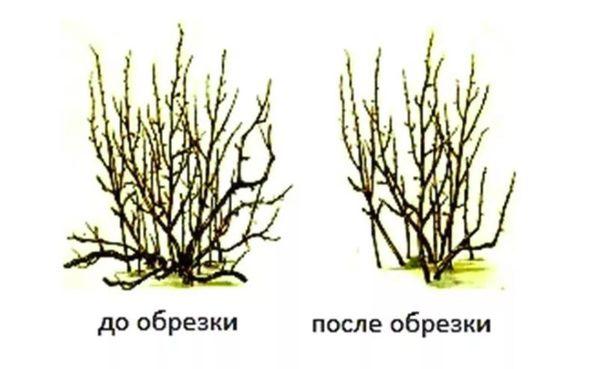
Pruning: formative, sanitary, rejuvenating
The first pruning is done after planting. Every year, excess and old shoots are trimmed. The center of the bush should not be dense, so it is regularly "cleaned." This will ensure uniform fruiting and a high yield. The bush is also rejuvenated by removing old, dry branches. Pruning is performed if the plant is diseased.
Pouring and hardening of bushes
In early spring, currants are doused with boiling water; this hardens the plant and helps fight pests and diseases.
Preventive seasonal treatments
If currants are affected by fungus, the damaged parts are cut off and burned. Spray with a 0.5% suspension 3-5 times per season at 7-10 day intervals. Thinning the crown will help protect currants from disease. Also, in early fall, treat with copper oxychloride or 1% Bordeaux mixture.
How to cover plantings for the winter
This variety does not require shelter, but it is important to prune in the fall, and at sub-zero temperatures, the branches are tied with rope and covered.
Methods of reproduction
There are several methods. The most well-known are propagation by cuttings, layering, and division.
Tips and advice from experienced gardeners
Plant in sunny areas, prune, and shape the crown. Disease prevention is essential.
Reviews of the variety
Alina Mulatova: "We planted a red Ilyinka berry. The berries are delicious, albeit sour. The kids love the compotes. We take regular care of the bush, so we haven't seen any diseases."
Denis Vilov: "This variety of blackcurrant is sweet, and the berries are large. It makes excellent jelly. With proper care, this plant won't disappoint."
Related posts:
 Characteristics and descriptions of the 40 best red currant varieties
 The health benefits and contraindications of black currants
 The best and new varieties of black currant for growing in the Urals, planting and care
 The health benefits and contraindications of white currants
 Red currant health benefits, properties, and contraindications
 Description and characteristics of the 25 best blackcurrant varieties for Siberia
 Description of the 50 best blackcurrant varieties for different regions
 20 Best Blackcurrant Winter Preserves Recipes