
- Chemical composition of currant leaves
- Where is it used?
- Traditional medicine
- Cosmetology
- Medicinal baths
- Body mix
- Anti-acne mask
- Skin whitening mask
- For hair growth
- How are the leaves beneficial for the human body?
- For men
- For women
- For children
- Can it be used during pregnancy and lactation?
- For what diseases is it recommended to use?
- To reduce the temperature
- For flu and colds
- For diabetics
- For rheumatism
- Include in a weight loss diet
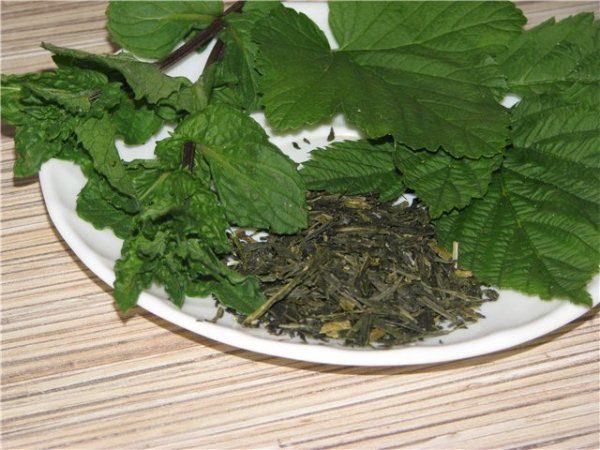
- Collection and preparation of natural products
- Drying
- Fermentation
- Duration and storage rules
- Benefits of combining with other components
- Folk remedies with currant leaves
- Decoction
- Healing tea from twigs and leaves
- Tincture
- A recipe for vitamin tea made from currant, raspberry, and strawberry leaves
- Tea made from twigs with green buds
- Existing contraindications and restrictions
Tea made from blackcurrant leaves and twigs contains a wealth of beneficial substances, improves overall health, and tones the skin. Recipes for this tea are varied, each with its own unique characteristics and distinctive flavor.
Chemical composition of currant leaves
Currant leaves have a rich composition. They contain:
- vitamins A, B, C, E;
- carbohydrates;
- proteins;
- fiber;
- copper;
- lead;
- silver;
- manganese;
- calcium;
- potassium;
- magnesium.
100 g of leaves contain 1 kcal. Currant leaves are used in folk medicine and as a tea. The herb can be harvested at home or purchased at a pharmacy.
Where is it used?
Currant leaves are used in folk medicine and cosmetology. The beneficial microelements not only help normalize the functioning of internal organs but also improve the condition of skin and hair.
Important! Dried herbs are sometimes used in cooking as a spice.
Traditional medicine
In alternative medicine, it is used to make decoctions, tinctures, infusions, teas, and healing baths. It is also used as a dietary supplement and as a seasoning for dishes. The leaves have numerous beneficial properties:
- anti-inflammatory;
- immunomodulatory;
- antioxidant;
- decongestant;
- improve vision;
- normalize heart function;
- cleanse blood vessels of cholesterol;
- acts as a preventative measure against cancer and Alzheimer's disease.
Cosmetology
In cosmetology, currant leaves are used to prepare medicinal baths, body mixtures, masks for acne and skin whitening, and masks to stimulate hair growth.
Take a look Also
Medicinal baths
Healing baths help improve the condition of the skin throughout the body. They tone the skin and saturate it with vitamins. To do this, pour water into the bath. First, steep 500 grams of the herb in boiling water. Then let it steep for 30 minutes and strain. Pour into the bath and soak for 20 minutes.
Body mix
Apply the body mixture to areas of skin or the entire body after showering, then shower again. Prepare according to the following recipe:
- fresh currant leaves, chopped - 100 g;
- honey 2 tbsp;
- olive oil 1 tbsp;
- high-fat milk 50 ml.
 Important! The mixture must be prepared fresh for each procedure.
Anti-acne mask
Due to their anti-inflammatory properties, currant leaves are used to treat acne. Here's the recipe:
- fresh currant leaves 50 g;
- yogurt 100 ml.
Mix the ingredients and whisk well. Then apply to the skin, leave for 15-30 minutes, and rinse. Repeat the procedure every 2-3 days.
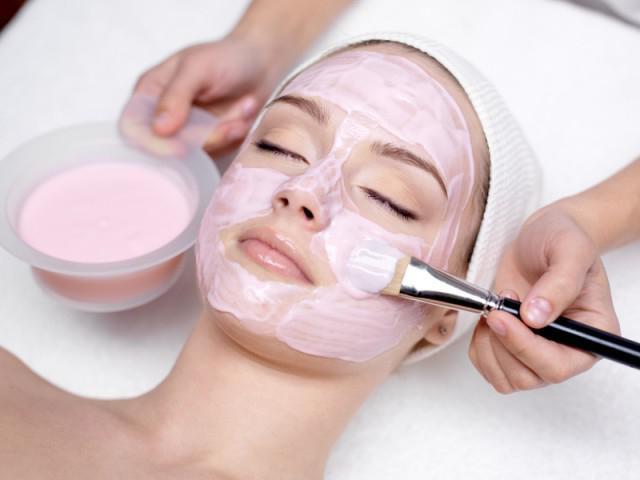
Skin whitening mask
Currants help lighten skin tone. An effective recipe is considered:
- lemon juice 1 tsp;
- currant leaves 6 pcs.;
- honey 1 tsp;
- olive or flaxseed oil 5-6 drops.
For hair growth
Masks made from these leaves help strengthen hair roots. They begin to grow faster, become stronger, and recover from damage. You can simply rinse your hair with the decoction after washing. Or use a mask:
- crushed currant leaves;
- burdock oil 2 tbsp;
- 0.5 tsp mustard;
- 0.5 tsp sugar.
Mix all ingredients, apply to hair after washing, then cover with a plastic cap. Leave on for 15 minutes. Rinse with water first, then shampoo.
How are the leaves beneficial for the human body?
Currants, both berries and leaves, are very beneficial for the human body. They contain a wealth of beneficial substances.
For men
Blackcurrant leaf tea stimulates the urinary system, strengthens vascular tone, and strengthens the bladder. It also improves sexual function and has a positive effect on heart function.
Important! It has been proven that men are more likely to suffer from cardiovascular diseases.
Take a look Also
For women
For women, these infusions not only help improve the functioning of internal organs but also improve the condition of their skin. They help get rid of pustules on the body, brighten and rejuvenate the skin. These teas also promote weight loss and cleanse the body of toxins.
For children
Children should be given these decoctions and infusions with caution, as they can cause an allergic reaction. However, in some cases, they can help relieve heat rash in children. The decoction is poured into the bathtub during bathing.
Can it be used during pregnancy and lactation?
During pregnancy and breastfeeding, it is recommended to drink blackcurrant tea in small doses, after consulting with a doctor. The leaves contain a lot of vitamin C, which is not always beneficial for this group.
For what diseases is it recommended to use?
Currant leaves are most effective for certain diseases.
To reduce the temperature
The decoction has anti-inflammatory properties, stimulates the work of inflammation mediators, eliminates the cause and lowers the temperature.
For flu and colds
Vitamin C kills bacteria and viruses that cause colds, and the leaves also have antioxidant properties.
For diabetics
Reduces blood sugar levels and is recommended in small doses for people with type 2 diabetes.
For rheumatism
Reduces inflammation, improves joint condition, and provides relief. Use as a compress on the lower back.
Include in a weight loss diet
It has antioxidant properties. Drinking this tea several times a day stimulates the body's metabolic processes.
Collection and preparation of natural products
There are two ways to preserve currant leaves: drying or fermentation. Fresh currant leaves only last for 7 days.
Drying
Rinse the leaves under water. Lay them out in an even layer on newspaper or another breathable material. Leave them to dry in the sun for 2 days.
Fermentation
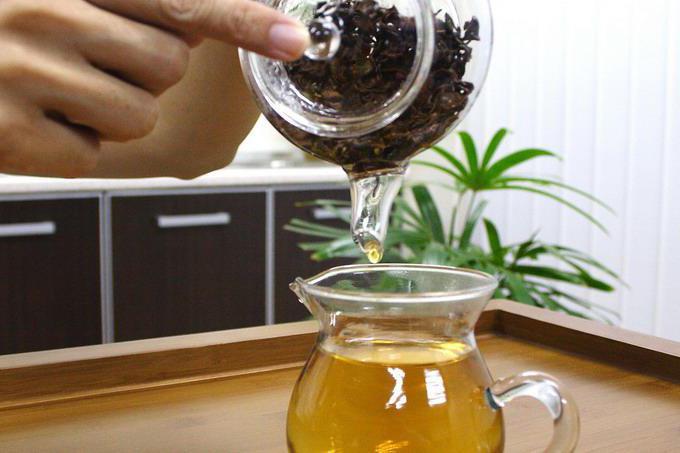
It's entirely possible to make this tea at home. The principle is to convert the insoluble substances in the herb into soluble and easily digestible ones.
Duration and storage rules
Fresh leaves can be stored in the refrigerator for up to 7 days. Dried herbs, stored in a dark place in a breathable bag, are good for 2 years. Fermented tea can be used within 1 year.
Take a look Also
Benefits of combining with other components
Currant leaves can be combined with other leaves. This has its advantages:
- improves the taste of tea;
- the therapeutic effect is enhanced;
- has a beneficial effect on immunity;
- helps you enjoy natural herbs.
Folk remedies with currant leaves
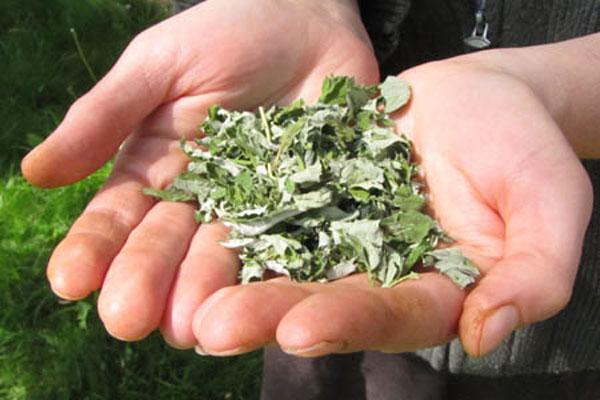
In folk medicine, currant leaves are used to prepare decoctions, teas, and tinctures.
Decoction
Dry grass is poured with boiling water, infused for 30 minutes, filtered and taken internally in the morning and evening.
Healing tea from twigs and leaves
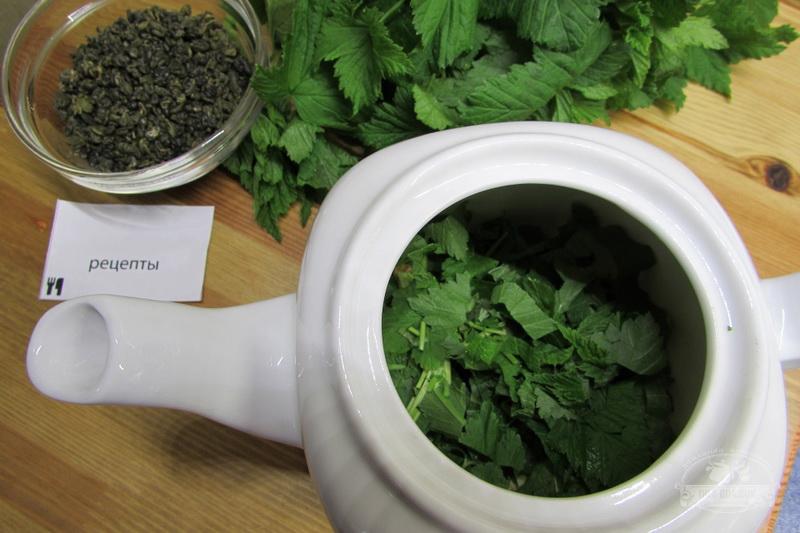
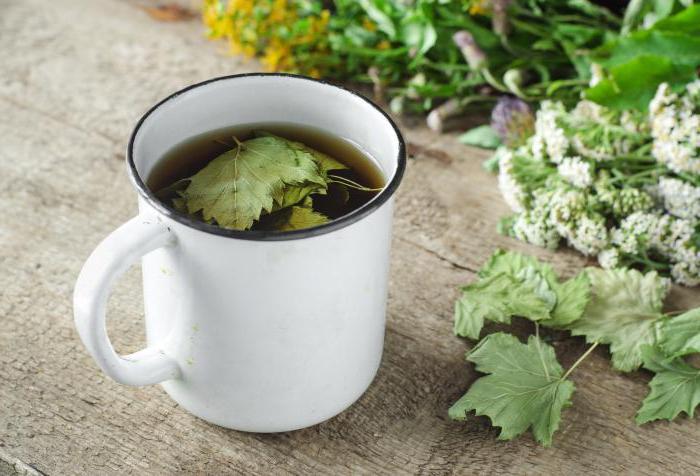
Place currant twigs and leaves in a saucepan, add boiling water, and let steep. Then strain and consume.
Important! Sweeteners can be added to teas.
Tincture
Place currant leaves in a thermos, pour boiling water over them, and let steep for 8-16 hours. Drain the liquid, strain, and mix with equal parts vodka. Then transfer to a dark place and let steep for 1 month.
A recipe for vitamin tea made from currant, raspberry, and strawberry leaves
Currant, raspberry, and strawberry leaves are mixed in equal proportions in a teapot, poured with boiling water, infused for 15 minutes, and taken orally.
Tea made from twigs with green buds
Branches with young buds can only be obtained in early spring. Several branches are cut into small pieces, poured with boiling water, and steeped for 15 minutes. Then drink.
Existing contraindications and restrictions
There are contraindications for taking currant tea and other remedies internally:
- allergic reaction to currants;
- individual intolerance to components;
- thrombophlebitis;
- children under 1 year;
- pregnancy.
Related posts:
 20 Best Blackcurrant Winter Preserves Recipes
 The health benefits and contraindications of white currants
 The health benefits and contraindications of black currants
 Description and rules for growing black currant variety Veloy
 Characteristics and descriptions of the 40 best red currant varieties
 Red currant health benefits, properties, and contraindications
 When is the best time to plant currants to get a good harvest?
 TOP 10 recipes for red, black, and white currant sauce and ketchup for the winter, and how to store your preparations