
- How to preserve vitamins in currants
- The nuances of harvesting and storing different varieties
- Black chokeberry
- White and red currants
- Options for harvesting
- How to properly store fresh
- Selecting a container
- Storage conditions and shelf life of fresh berries
- We store berries in the refrigerator
- How to preserve fruits for the winter
- Freezing
- Drying
- Grind with sugar
- Choosing the best way
- What to do if the preparations start to spoil?
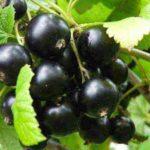
We always want to extend the shelf life of berries that appear in summer. What should we do when we're tempted to enjoy fruit during the winter cold? How can we preserve currants, including blackcurrants, fresh?
How to preserve vitamins in currants
Nutrients are lost during heat treatment. Therefore, the less heat treatment, the more vitamins will be preserved in currants.
The nuances of harvesting and storing different varieties
One important rule: it's not recommended to mix currant varieties. Red currants are harvested separately, as are white and black currants. Red and white currants are picked in bunches. Storing them on the vine will prolong their shelf life.
Blackcurrants, on the other hand, are individually picked. After harvesting, the berries are dried, as juice and residual moisture can cause spoilage. The berries are dried in a thin layer. Harvesting takes place in dry, precipitation-free weather.
Overripe fruits cannot be stored. After harvesting, vitamins and other beneficial substances disappear immediately.
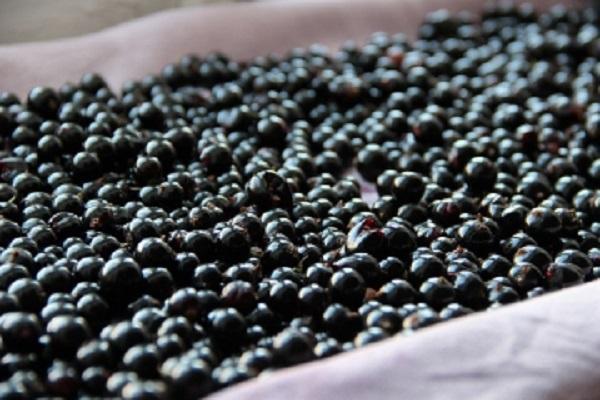
Black chokeberry
Why are blackcurrants harvested without branches? If the berries are picked from the bush with the bunch still attached, there's a chance the ripening process will continue. This negatively impacts their density and firmness.
Harvested currants can be stored in the refrigerator for 10-15 days from the time of harvest. This preserves their beneficial nutrients.
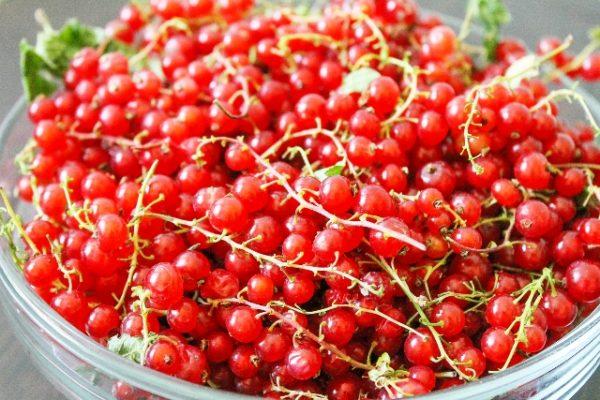
White and red currants
Ideal storage conditions are a temperature of 1°C and high humidity. If you ensure this, the berries will remain usable for two months. For those who prefer to keep the fruit longer, the following trick is recommended: The berries are picked when slightly unripe.
Options for harvesting
There are many options for storing fruit. Everyone chooses the one that suits them best.
How to properly store fresh
Such nuances as container and location are taken into account.
Selecting a container
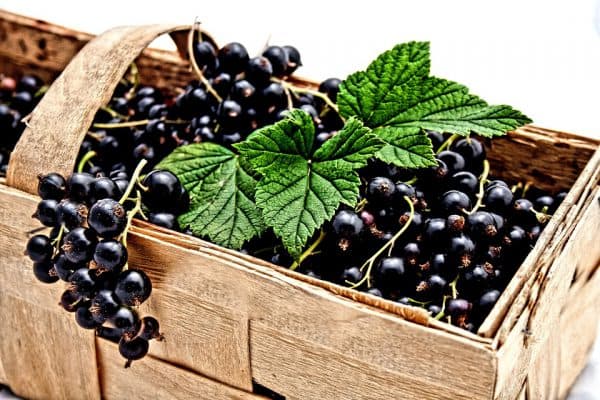
The fruit is stored in the same containers used for harvesting. These can be baskets, buckets, boxes, or racks. Ideally, the container should hold between 2 and 4 kg. If the container is wider than it is tall, the berries will not be crushed under their own weight.
Storage containers must be breathable. Small boxes with holes punched in them, open baskets, or containers covered with cling film are useful. Air exchange is crucial here.
Storage conditions and shelf life of fresh berries
Under natural conditions, they remain viable for 2 weeks. To achieve this, it's important to follow a few rules:
- The air temperature does not exceed 10-21°C.
- Air humidity is set closer to the optimal—medium. At low levels, the fruits dry out; at high levels, they rot.
Much also depends on the shrub variety. Store in the refrigerator for 2 weeks to a month. At room temperature, keep for 2-3 days.
We store berries in the refrigerator
Currants stored in the refrigerator require no pre-preparation. They should never be washed or removed from the vines. At a temperature of 10-13°C, they can be stored without problems for two weeks, if processing is planned. Modern refrigerators have a special freshness zone, where currants will thrive.
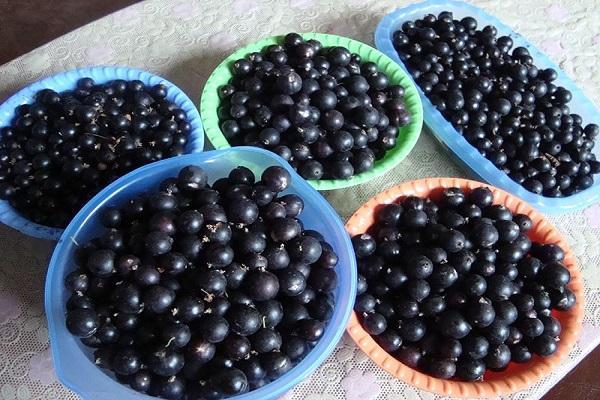
Berries are not transferred to another container after harvesting. They are covered with a lid, film, or newspaper. Providing adequate air circulation will prevent them from suffocating.
How to preserve fruits for the winter
Methods for storing collected berries:
- fresh in the refrigerator;
- frozen in the freezer;
- dried;
- ground with sugar;
- Canned food in water for the winter.
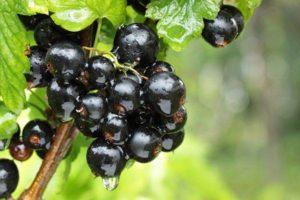
The bush produces only one harvest per season. Some varieties produce fruit twice. If there is frequent rainfall and harvesting in sunny weather is impossible, such berries are not suitable for long-term storage. Typically, such specimens are used for processing.
Freezing
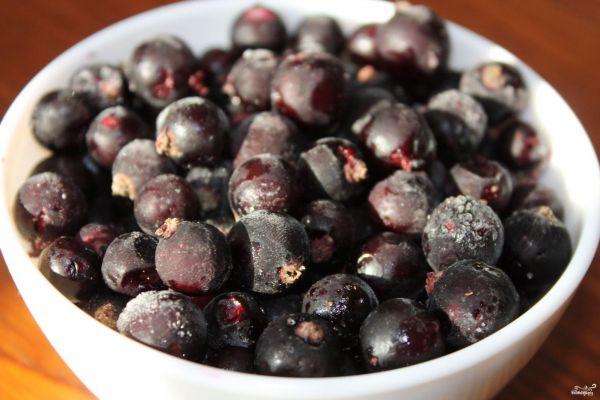
Storing currants at low temperatures is one of the best options. The berries will last not only until winter, but much longer. The shelf life depends on the temperature and preparation of the berries.
At this point, the fruit can already be washed. Afterward, however, they should be spread in a thin layer on a flat surface to allow all the moisture to drain. Partial drying is necessary.
If your refrigerator or freezer doesn't have a dedicated flat surface for storing such products, spread the currants in a thin layer on a cutting board. Wrap them in cling film and place them in the freezer for storage. After freezing for 4-5 hours, place the berries in a bag with the air removed and seal.
Vacuum storage increases the shelf life of currants. If you plan to store the berries for a year, the temperature should be set at -17°C. Higher temperatures will shorten the shelf life.
Drying
The final product should contain no more than 15% moisture. Dry the berries in an oven or a special device for fruits and vegetables. A canopy can also be used on particularly hot days. A well-ventilated area is preferable.
Dried berries are stored in glass jars, plastic containers, or cardboard boxes. Airtight sealing is also important in this case. Over the course of 3-4 months of storage, the berries become moist. Rather than discarding them, they are dried again.
Grind with sugar
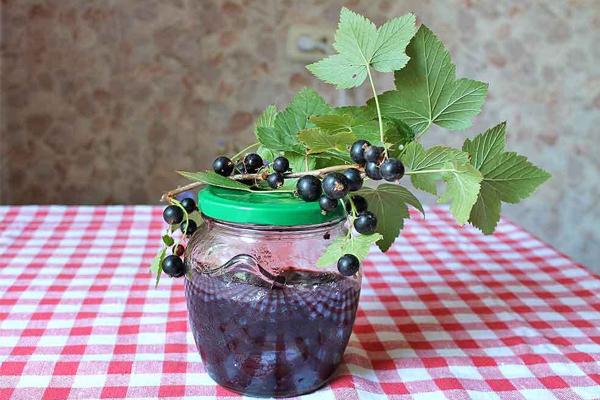
"Live" jam is made without cooking. Washed berries are mixed with sugar and mashed using any convenient method. The sweet mixture is stored under nylon lids in the refrigerator. It can also be poured into sterilized jars.
Take a look Also

Choosing the best way
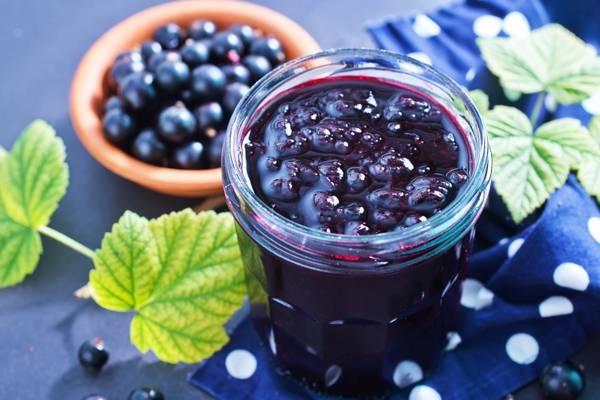
Each person chooses the option that best suits them. Individual preferences and storage options are taken into account. Importantly, these methods are designed to ensure long-term consumption of berries with maximum nutritional content. If you make jam or preserves from them, the result will not be as desired.
What to do if the preparations start to spoil?
Berries begin to lose freshness over time, whether stored indoors or in the refrigerator. Periodic inspection and removal of spoiled berries helps preserve the entire batch. Bad berries are always discarded, as they can cause the undamaged berries to spoil. Soft berries are also removed from the entire batch.
Related posts:
 20 Best Blackcurrant Winter Preserves Recipes
 Characteristics and descriptions of the 40 best red currant varieties
 The health benefits and contraindications of white currants
 Description and rules for growing black currant variety Veloy
 Description of 36 of the best sweet and large varieties of gooseberries
 The best and new varieties of black currant for growing in the Urals, planting and care
 TOP 10 recipes for red, black, and white currant sauce and ketchup for the winter, and how to store your preparations
 Description and characteristics of the 25 best blackcurrant varieties for Siberia