
- Is it possible to grow an avocado from a seed?
- What you will need
- Pot and soil
- Planting material
- Germinating seeds
- Closed method
- Open method
- Planting a sprouted seed
- Necessary conditions
- Temperature
- Air humidity
- Location and lighting
- Caring for the plant at home
- Irrigation
- Top dressing
- Pruning and shaping
- Transfer
- Pinching
- How to care for it in winter
- Diseases and pests: control and prevention
- Late blight
- Spider mite
- Scale insect
- Powdery mildew
- Will the tree bear fruit?
- Graft
- Basic mistakes when growing
Gardeners often try their hand at planting unusual flowers, shrubs, and even trees at home. Experimenters are tempted to try growing a real avocado from a seed in a regular seedling box. Surprisingly, this lengthy but not very complicated process is within the reach of even a novice. Simply follow these simple tips to ensure the seedling will flourish and brighten up your home.
Is it possible to grow an avocado from a seed?
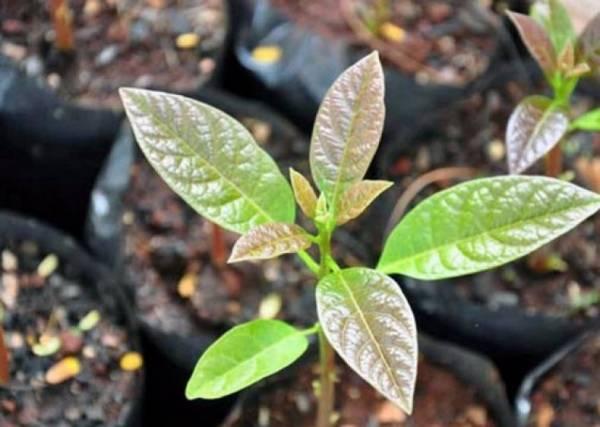
The alligator pear, also known as the avocado due to the crocodile-like skin of some varieties, grows beautifully in a standard flowerpot, whether indoors or outdoors. This easy-to-grow tree can even be grown from a slightly dried seed. While it won't reach its natural height in a flowerpot, it will still delight you with its green foliage year-round.
What you will need
To be able to admire your own grown avocado on your windowsill, you need a minimum set: a seed, soil, and a container in which to plant it. The stone is extracted from a store-bought fruit that is sufficiently ripe. The unripe fruit is left for some time to ripen.
Pot and soil
The tree is started in a small pot, gradually increasing its size. The plant prefers loose, non-acidic soil. You can prepare your own soil by mixing the following ingredients:
- coarse sand - 1 part;
- peat - 1 part;
- garden soil - 1 part;
- humus - 1 part;
- lime - ¼ part.

Planting material
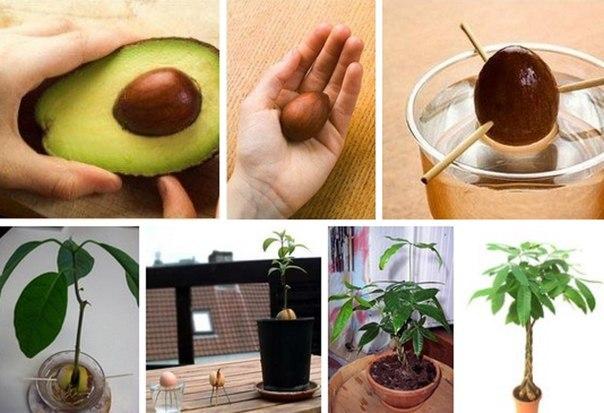
The seed intended for planting must be extracted from the fruit. To do this, first cut the fruit around the circumference with a knife, then break it in half. Then, remove the pit remaining in one of the halves.
Germinating seeds
There are several ways to sprout an avocado: by submerging the pit in water or by burying it in soil. The open method—using water—allows you to see the sprout with your own eyes. This method is fun to watch with your children as the avocado grows.
Closed method
Germinating an exotic seed using the closed method involves planting it directly in a pot filled with soil. This method is so named because the seedling is half-covered by soil at the blunt end, where roots will emerge. A green sprout will emerge from the pointed end in about a month. During this time, remember to keep the soil moist.

Open method
The open rooting method is a rooting technique that allows the entire process to be clearly visible, as water is used. Using a transparent container, such as a glass, allows you to monitor all the details and easily check the liquid level.
As part of the preparation, the seed skin is pierced from different sides with wooden sticks; toothpicks are the most convenient for this.
These will act as supports, preventing the seed from sinking completely. Dip the seed into the liquid with the blunt end, ensuring the toothpick holes remain above the liquid. The sprouting roots will become visible in about 20 days. When they reach 3 cm in length, the plant is potted.
Planting a sprouted seed
To plant a sprouted seed, place a 2-cm layer of drainage material in the bottom of a flowerpot and fill it with prepared soil. Plant the seed halfway into the soil. It's crucial not to damage the roots of the sprout, so plant carefully.
Necessary conditions
The seedlings will quickly grow tall and green if they are given the right conditions. This tropical plant prefers plenty of light and high humidity, and it's also important to maintain an optimal temperature.
Temperature
The first thing to pay attention to in the room where the plant is located is the air temperature. This exotic seedling, despite its southern origins, doesn't like extreme heat. The ideal temperature for the tree is between 16 and 20 degrees Celsius (60 and 68 degrees Fahrenheit). If the temperature drops sharply, the avocado will enter a state of winter dormancy, dropping its leaves.
Air humidity
Tropical roots require adequate humidity for the seedling. When humidity drops, the leaves dry out and fall off. How can you help the plant? You can humidify the air in the room where the potted plant is located as follows:
- buy a humidifier;
- use a spray bottle;
- Place the avocado near flowers that release moisture;
- Place the plant in a container with wet sand, sphagnum moss, expanded clay, or pebbles.
Location and lighting
The plant prefers good light; insufficient light causes the foliage to become limp and lose its vibrant color. Direct sunlight, however, is also harmful.
When choosing a location for an avocado pot, you should pay attention to the windowsills of all windows except those facing south.
If sunlight can still reach the shoots, the plant should be provided with some shade. Partial shade is also acceptable for the seedling. In winter, provide supplemental lighting with phytolamps.
Caring for the plant at home
An alligator pear placed on a windowsill will thrive and boast green foliage with proper care. The plant requires regular watering, feeding, and repotting. Crown shaping—pinching and pruning—will help the tree look luxurious and complement any interior.

Irrigation
Excess moisture is harmful to the tree, so avoid watering too frequently: moistening the soil once every ten days is sufficient. Use settled water at room temperature for watering.
Top dressing
Avocados need to be fed once a month. Use any complete fertilizer designed for citrus or tropical plants.
Pruning and shaping
The branches of a mature plant should be pruned after fruiting. In a mature tree, remove infected, damaged, and densely intertwined branches, as well as the upper portions of vertical shoots.
If you prune your avocado tree correctly, it will promote the formation of a more branched crown.
You can create an interesting arrangement from several avocado seedlings by growing them in a single pot. To do this, plant the young trees next to each other and braid their still-flexible trunks into a loose braid.
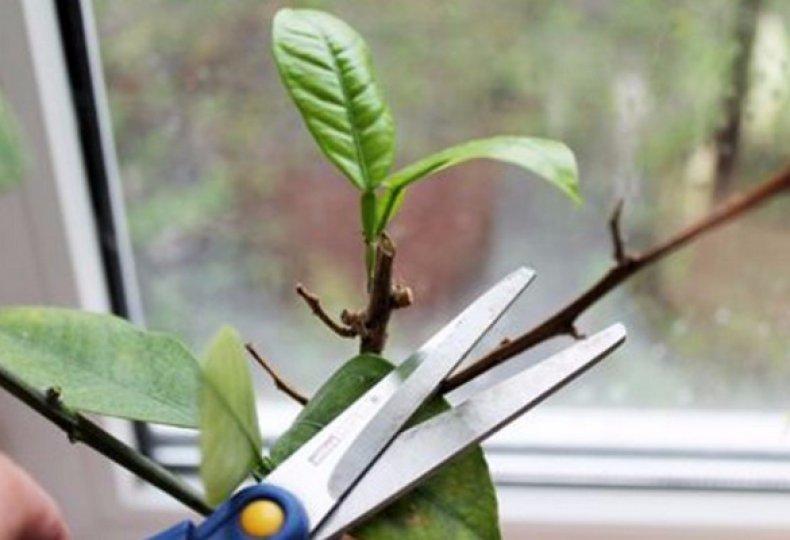
Transfer
Avocados grow quickly and require regular repotting. Young plants are best repotted annually in late February or early March, while mature plants should be repotted every three years. To do this, transfer the tree, including the root ball, to a larger pot.
Pinching
The plant quickly grows tall, so pinching is necessary to create a lush, beautiful, and branched crown. The crown of the seedling is first pinched when the avocado reaches 15-20 cm in height; this will encourage abundant lateral shoots. These, in turn, are pinched above the eighth leaf, and the branches of the next level are pinched above the fifth or sixth bud.
How to care for it in winter
Avocado is an evergreen plant, so with proper care, it will grow all winter. Supplemental lighting should be provided during dwindling daylight hours, and watering should be reduced slightly—the soil surface should remain dry for two days before watering again.
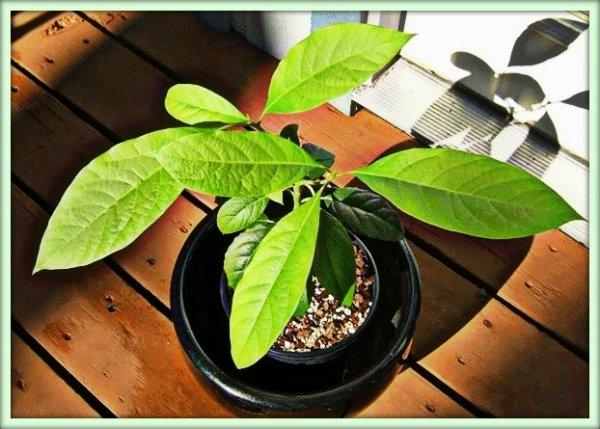
If the temperature drops to 12 degrees Celsius, the plant will enter a dormant state, going into "hibernation." It will also shed all its leaves, but don't worry: the avocado will turn green again in the spring.
Diseases and pests: control and prevention
When growing avocados, be aware of the diseases that can affect the plant. The tree can be susceptible to scale insects and spider mites, and symptoms of late blight and powdery mildew may also appear.
Like any plant, avocados suffer from weakened immunity in unfavorable conditions and, as a result, are at greater risk of being attacked by diseases and pests.
Thus, the main prevention is to create an optimal environment for the tree, namely: temperature, humidity, lighting.
Late blight
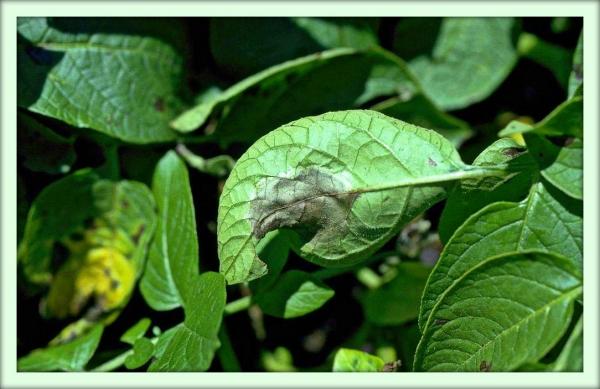
The disease is caused by the soil-dwelling fungus Phytophthora infestans. The roots are primarily affected, turning black and brittle. The disease spreads upward, causing ulcers to form on the trunk. Unfortunately, late blight is incurable; the plant must be destroyed.
Spider mite
Spider mites prefer softer, more delicate foliage than avocados, but tropical plants can also be affected. Biological and chemical pesticides are used to control the pest. The pest reproduces rapidly in dry air, so ventilation and humidification are important preventative measures.

Scale insect
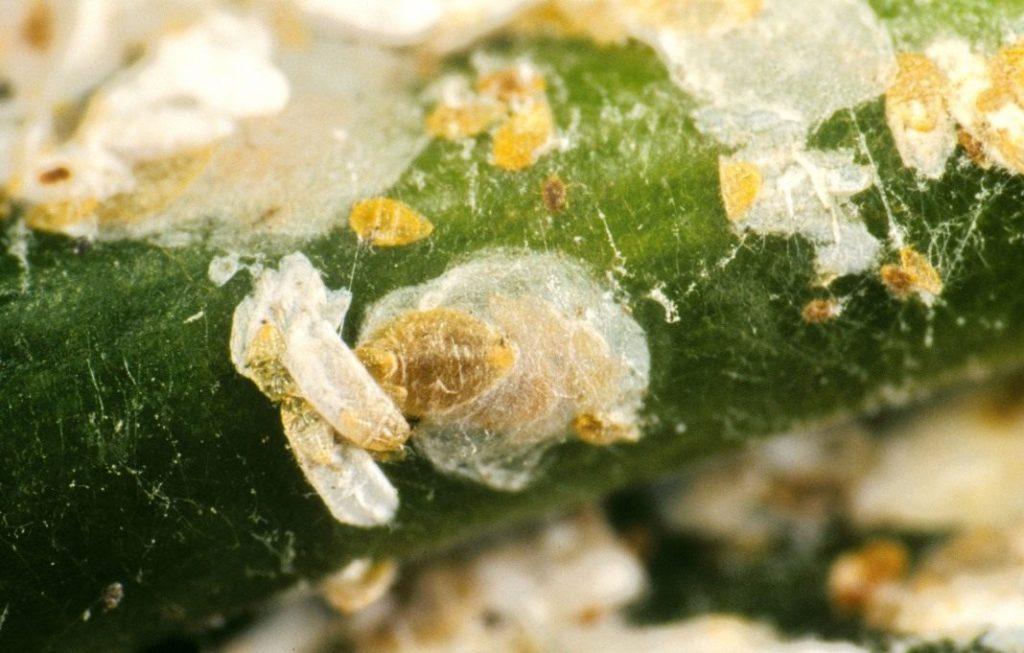
The scale insect earned its name from the shield-like shell covering it. This sucking insect is often seen on the leaves of tropical plants, including avocados. Scale insects are removed using a soap solution: shavings of laundry soap are dissolved in water and the mixture is wiped onto all leaves and stems. Insecticides are used for larger plants and in severe cases.
Powdery mildew
Powdery mildew initially appears as a white or grayish powdery coating on the trunk, resembling flour, hence the disease's name. Later, yellowish-greenish spots form on the foliage. The problem can be eliminated by spraying the plant with fungicides.
Will the tree bear fruit?
Avocados grown in a pot rarely produce fruit. The tree is ready to bloom in the sixth year after planting, but only under ideal growing conditions. If the plant does bloom, it may not produce fruit due to the physiological characteristics of the fruit tree. Therefore, it's best to initially consider the tree purely as an ornamental plant.
Graft
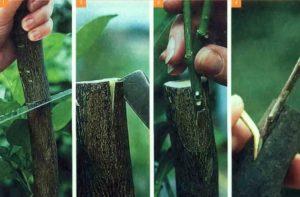
To obtain fruit, a seedling grown from a seed can be grafted with a cutting from a fruiting tree. A grafted avocado tree begins to bear fruit in its third or fourth year. The grafting technique is the same as for citrus fruits. If desired, pre-grafted trees can be purchased from nurseries.
Basic mistakes when growing
Avocados are fairly easy to grow and thrive in a flowerpot, but there are a number of common mistakes when growing this tropical plant:
- Choosing a pot. The container for the avocado must be deep enough, since the tree has a strong, long root system.
- Placement in a draft. The room where the flowerbed is located must be well-ventilated, but the plant itself should not be exposed to a draft, as this will cause the leaves to droop and fall off.
- Soil moisture balance. Under-watering will cause avocado leaf tips to dry out and fall off, while over-watering can lead to rot.
- Dry air. Insufficient air humidity causes leaves to dry out and drop.
- Insufficient light. If a plant doesn't have enough light, its foliage will lose color.
Growing an avocado tree at home isn't difficult. Provided you provide the right conditions, it will become a true gem in any flower garden.
Related posts:
 The benefits and harms of avocado for the male and female body, rules of consumption
 Properties and rules for using avocado oil, the benefits and harms of the product
 The best ways to quickly ripen avocados at home
 Description of the Haas avocado variety, how it differs from the regular one
 Recipes for cold, hot, and original appetizers for the New Year 2020
 The best eggplant varieties for growing in a polycarbonate greenhouse: planting and care
 Is it possible to grow an apricot tree from a seed in your garden? How to plant and care for it?
 How to properly plant peas in a greenhouse and open ground