
- Description and characteristics of the Nepas variety
- Varieties of tomato
- Nepas No. 2
- Nepas No. 3
- Nepas No. 4
- Nepas No. 5
- Nepas No. 6
- Nepas No. 7
- Nepas No. 8
- Nepas No. 9
- Nepas No. 10
- Nepas No. 11
- Nepas No. 12
- Nepas No. 13
- Nepas No. 14
- Advantages and disadvantages
- Selecting a variety
- Specifics of cultivation and care
- Feedback from those who planted
The main characteristic of the Nepas tomato variety is its low maintenance and low need for regular care. The variety is distinguished by several subspecies, each characterized by small-medium tomatoes in a variety of colors. The plant does not require side shoots.
Description and characteristics of the Nepas variety
This variety is resistant to late blight because it doesn't produce many side shoots and requires good ventilation. The average height of these tomatoes is 20-70 centimeters. When growing these tomatoes, their stems need to be secured to supporting structures.
The resulting harvest can be used to make winter preserves or tomato paste. The vegetables can also be eaten fresh. On average, a summer resident can harvest 5.5 kilograms of tomatoes from 1 square meter.
Varieties of tomato
The Nepas variety includes fourteen subspecies. Each has its own unique characteristics. Gardeners can choose a plant based on the flavor profile of ripe tomatoes, whether used in cooking, fresh, or canned, as well as their distinctive appearance.
Nepas No. 2
This mid-early variety delights gardeners with its first harvest on average after 105 days. This period can sometimes vary by up to 5 days. The bush does not form side shoots. The plant is determinate and grows up to 0.7 meters in height, producing its maximum yield in regions with high humidity and dry summers.
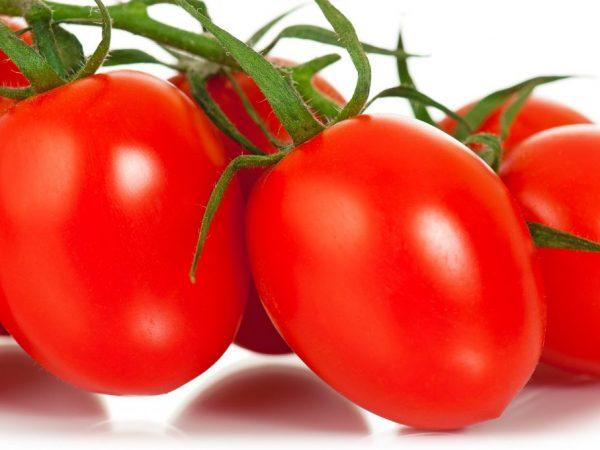
Ripe tomatoes of this variety have the following characteristics:
- raspberry-colored skin;
- round shape;
- the skin structure is smooth;
- Basically, the weight of 1 vegetable ranges from 50 to 100 g.
This subspecies exhibits resistance to adverse environmental factors. The average yield per planting ranges from 4-5 kg. Ripe vegetables are used to make pasta and preserves for the winter.
Nepas No. 3
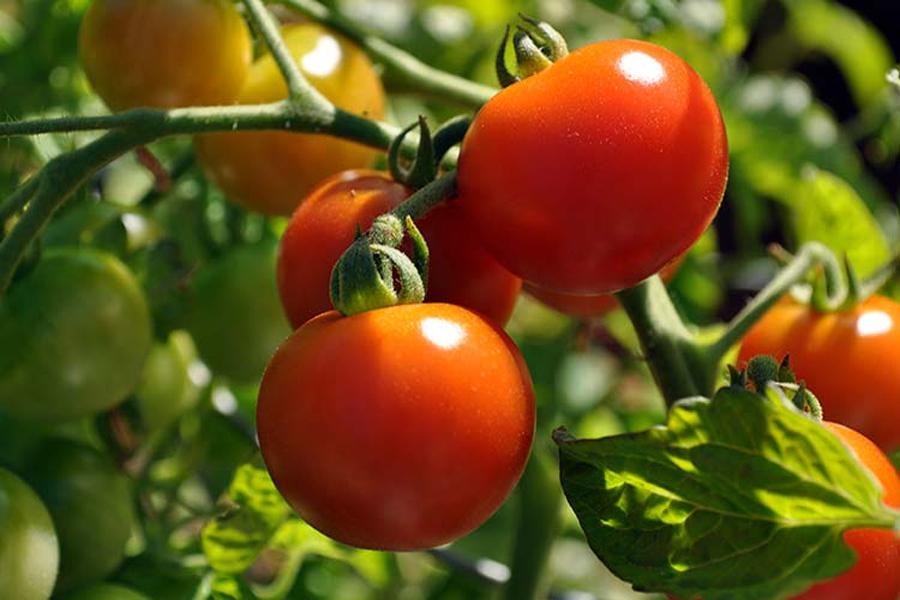
This subvariety is early maturing. The first harvest appears as early as 90 days. It is considered ideal for growing on unstable soils, as it is grown without seedlings. The average height of the plant is half a meter. The plant requires moderate side-sucking. The fruits are juicy, weighing up to 140 g.
Nepas No. 4
This subspecies is suitable for planting in open ground conditions as well as in greenhouses. It is a determinate variety and does not require side shoots. Ripe tomatoes are orange in color, weighing up to 70 g. The plant crop exhibits resistance to blossom-end and root rot.

Nepas No. 5
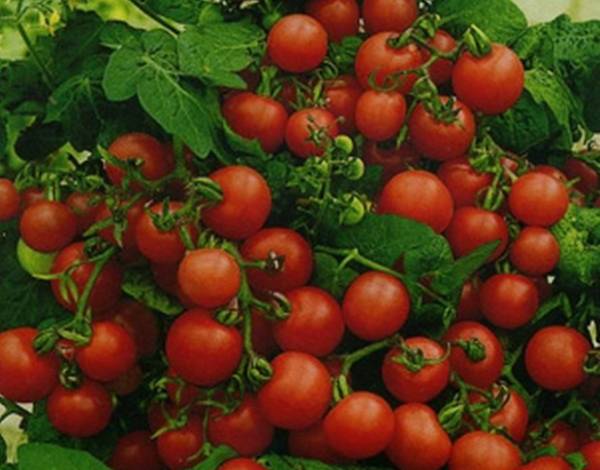
This subspecies is mid-early, producing fruit 105 days after planting. The standard variety grows to a height of 0.6 meters and produces fruit regularly. After harvest, the harvest can retain its freshness and attractive appearance for 14 days. The tomatoes of this subspecies are firm, with thickened skin, and are distinguished by an orange hue and a distinct beak.
Nepas No. 6
This subspecies is characterized by an average tomato weight of 80 grams; its flavor is rich and its flesh is firm. This varietal is grown in open ground or in greenhouses.
The bushy clusters produce 5-6 fruits. The average yield can reach 8 kg per square meter. The hybrid exhibits resistance to a wide variety of tomato diseases and adapts well to both high and low temperatures. Its main advantage is its good shelf life and ease of transportation.
Nepas No. 7
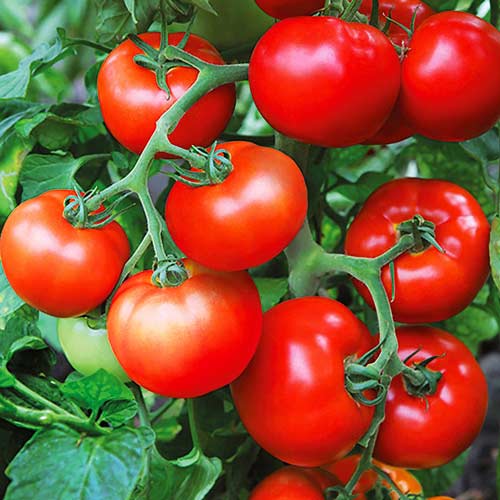
This variety is distinguished by its gigantic fruits. Its distinguishing feature is its mid-early ripening period. The harvest begins in late summer, 105 days after planting the seedlings in the soil or a greenhouse. It is a standard, determinate variety, and the bush can reach a height of 0.8 meters.
The plant requires regular removal of side shoots. This variety produces large tomatoes, weighing up to 150-200 g. The tomatoes are round in shape with smooth, reddish skin. They have a distinct sweet-tart flavor. The average yield per planting is 7 kg per square meter. The variety's advantages include resistance to fusarium.
Nepas No. 8
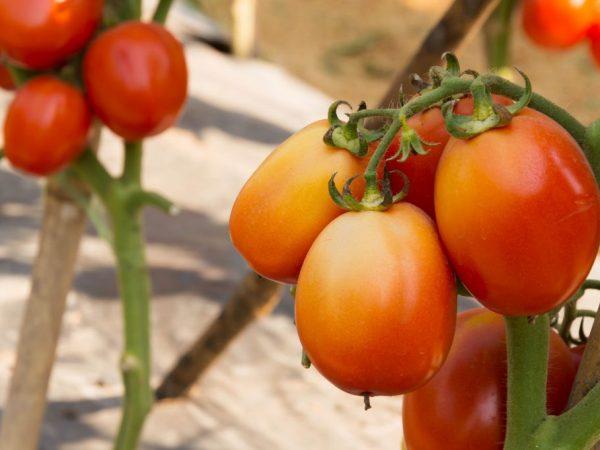
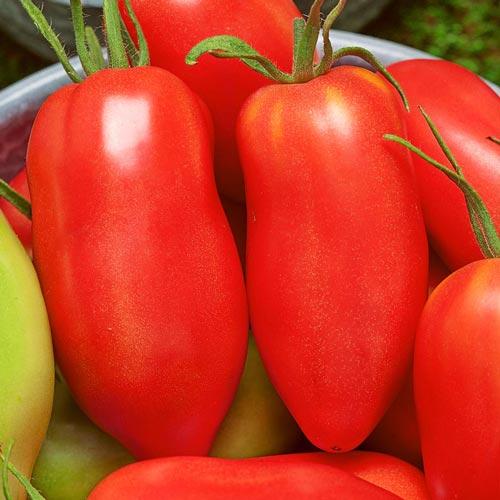
This subspecies is characterized by mid-season maturity and good growth when planted outdoors. This plant is limited in its growth and can reach 70 cm above the ground. It does not require the formation of side shoots. The clusters produce 5-6 fruits.
The tomatoes are plum-shaped, with a slightly pointed tip. The fruits are scarlet in color and weigh an average of 50-70 g. Yields per plant can range from 5 to 7 kg per square meter. This variety exhibits resistance to fungi and tolerates drought and rainy seasons.
Nepas No. 9
An elongated subspecies that does not form side shoots is called Nepas No. 9. It is an ideal choice for open ground.
Growing in regions with continental climate features is considered a good solution.
The determinate vegetable crop reaches 80 cm in height. Mature vegetables have the following characteristics:
- the shape feature is cylindrical, slightly elongated;
- the average weight of tomatoes is around 60 g;
- the core of the fruit is fleshy.
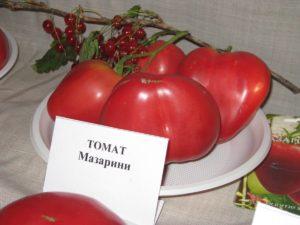
This subspecies exhibits resistance to most tomato diseases and pleases with a stable annual harvest.
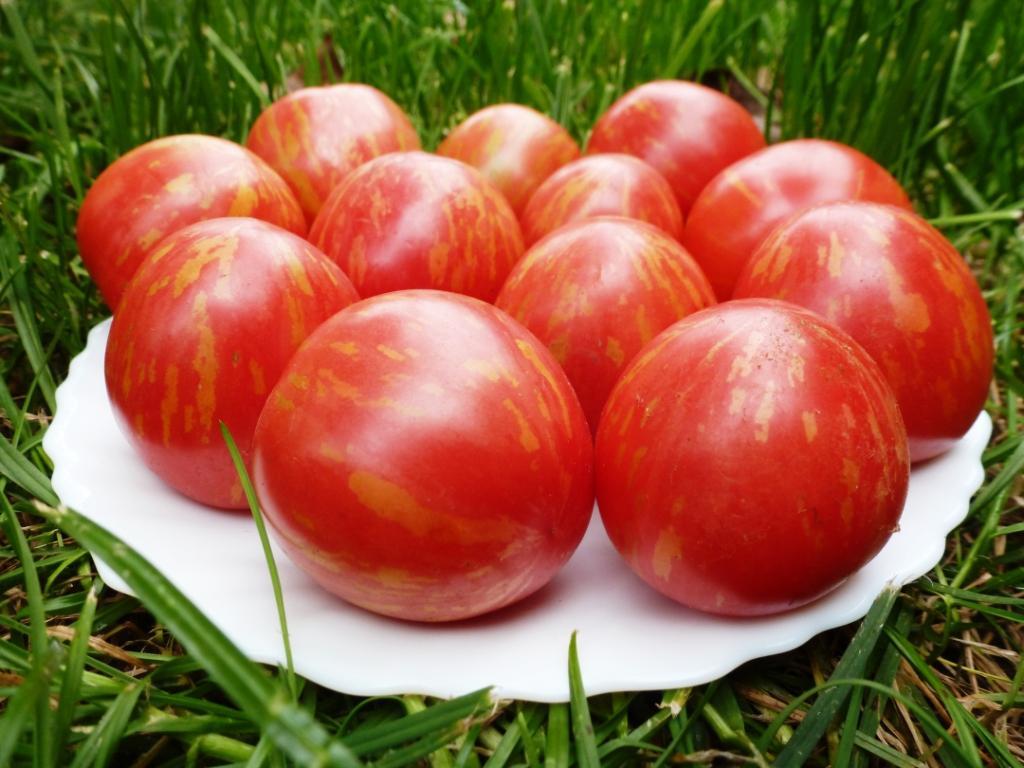
Nepas No. 10
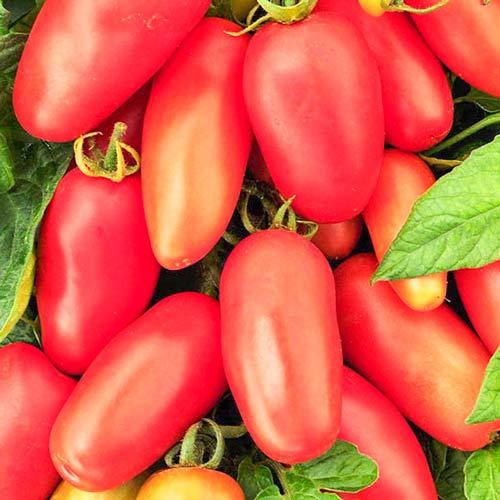
This variety is an early-ripening plant. It is a determinate, standard-type plant. The bush grows to a height of no more than 70 cm. There is no need to remove side shoots. The fruits of this variety have the following characteristics:
- rounded shape;
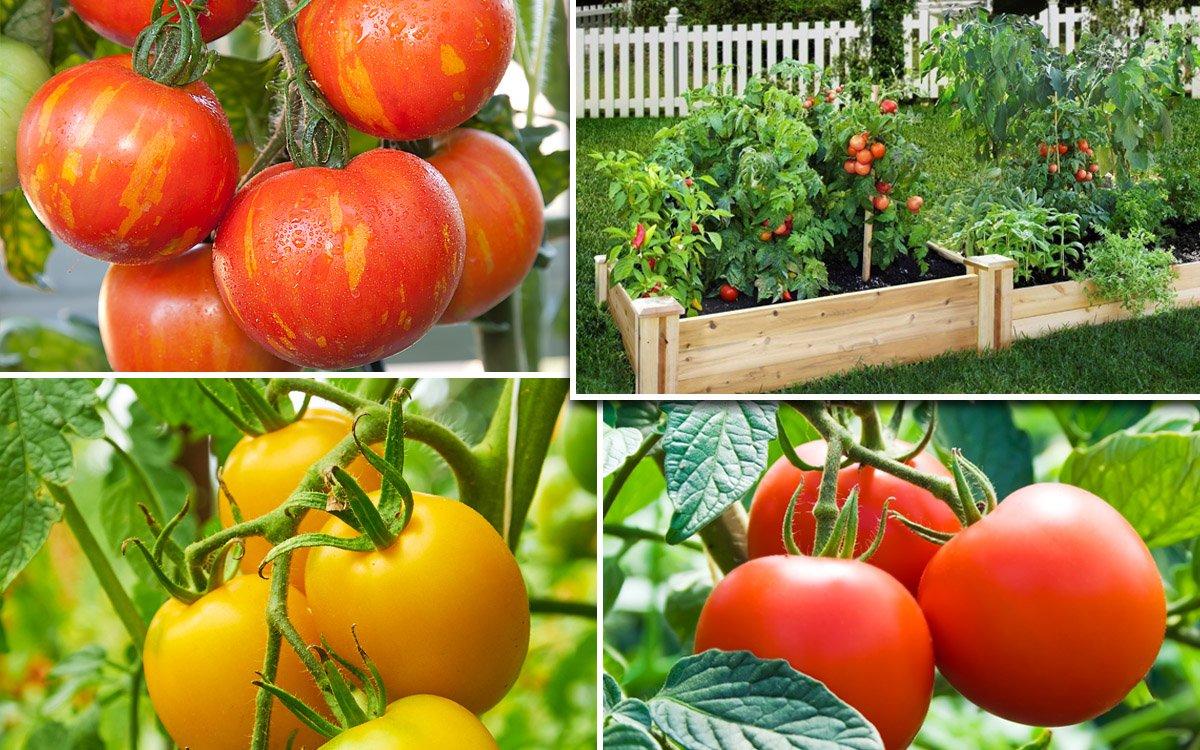
- bright pink shade with thin yellowish stripes;
- the pulp has an average density;
- average weight of a vegetable is 75 g;
- The taste of tomatoes is rich.
This variety can be used as a decorative element in the house.
Nepas No. 11
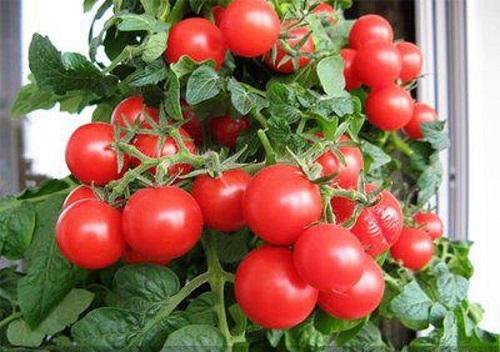
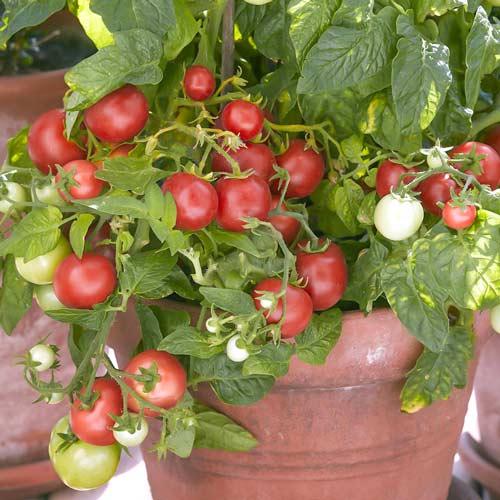
This is a non-side-sonning indoor variety, characterized by its extremely early maturity. The plant is small in size, reaching a height of no more than 35 centimeters. The fruits grow small, averaging 20 grams. This variety can be grown in the shade and adapts well to open ground conditions and greenhouses.
Nepas No. 12
This ultra-early hybrid plant is ideal for direct-growing. It reaches half a meter in height, and tomatoes weigh 150 grams. The average yield of this hybrid subspecies is 7 kg per square meter. This early-ripening plant exhibits tolerance to low temperatures and significant fluctuations in ambient temperature.
Nepas No. 13
Nepas 13 doesn't require shaping, as it's a determinate, standard-type plant. When ripe, the fruits are plum-shaped. The reddish fruits have a firm core and a rich, sweet flavor. The harvest is suitable for transportation, as it stays fresh for two weeks.
Nepas No. 14
This subspecies is characterized by a mid-early ripening period. It typically grows no taller than 0.8 meters. This variety requires side shoot removal only when necessary.
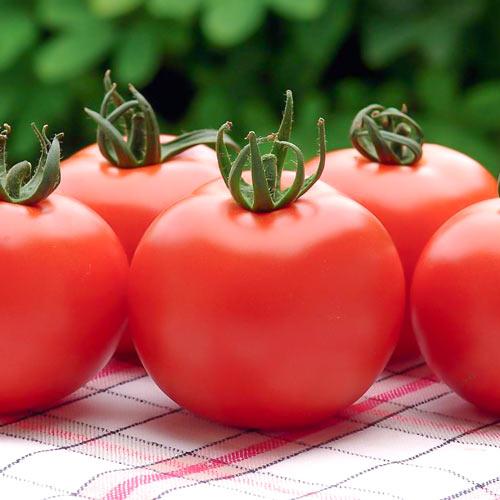
Slightly flattened, round tomatoes weigh an average of 90 grams, with a weight range of 10 grams. This variety is characterized by excellent flavor when ripe and resistance to adverse environmental factors.
Advantages and disadvantages
The following advantages of this variety are highlighted:
- formation of small number of side shoots, compact size characteristics of plantings;
- resistance to temperature changes and to pathologies that affect other tomato varieties;
- obtaining an early harvest;
- increased productivity;
- the need for minimal maintenance, the possibility of growing in greenhouse structures, in open ground conditions;
- high taste qualities of vegetables.
 But there are also some negative aspects. Particularly notable are the lack of rich flavor and the small size of the fruit.
Selecting a variety
The choice of variety should be based on personal taste preferences. For fresh tomatoes or for using them in vegetable salads, varieties #2 and #7 are considered optimal. Nepas #3 also has suitable characteristics.
For canning, Nepas No. 4 and Nepas No. 6 are considered the best options. These tomatoes are medium-sized and have dense flesh.
Nepas No. 11 is suitable for decorating prepared dishes. No. 9 and No. 10 are characterized by decorative external features. Due to these qualities, these subspecies are used for preserving and decorating holiday dishes.
Specifics of cultivation and care
Nepas tomatoes don't require any special care. Experienced gardeners advise not sowing seedlings earlier than two months before the expected date of transplanting into soil or a greenhouse. The seeds should be soaked in potassium permanganate and sown to a depth of 10 millimeters. Cover the pot with plastic wrap until the seedlings form.
The optimal temperature is between 20-25 degrees Celsius. Since the plant is resistant to low temperatures, it can be planted early in a greenhouse or under a plastic cover. Four plants can be planted per meter. It is recommended to moderately enrich each hole with ash, humus, and nitrogen compounds.
During the growing season, fruits require ample watering. A schedule of twice a week is considered optimal. Before flowering, the plant should be fertilized with nitrogen fertilizer to allow the plant to actively develop greenery. When fruits begin to form, the plant requires potassium and phosphorus.
Feedback from those who planted
Nepas tomatoes are popular among gardeners. This popularity is due to a number of positive characteristics of this variety.
Tiron Valentina Ivanovna, Krasnodar: “I am engaged in growing Nepas tomatoes 11. Fresh vegetables grow right at home, and the plant requires no special care. Another advantage is the small height of the bush, allowing tomatoes to be grown right on the windowsill."
Boris Sergeevich Seleznev, Kingisepp: "I live in the Leningrad region, where temperature fluctuations are common. This creates difficulties in growing tomato seedlings on time. Often, the plants develop before the cold weather has subsided, and the soil has warmed up to the required temperature. I consider the Nepas No. 12 tomato my salvation, as it can be grown without seedlings once the weather conditions are optimal."
Related posts:
 Description and characteristics of non-stepsoning tomato varieties for open ground and greenhouses
 The best grape varieties for growing in the Urals, planting and care rules in summer
 Descriptions of the 20 best cherry varieties for the Moscow region, their planting and care
 Description of varieties of sowing peas and cultivation, to which family they belong
 Description and properties of the 50 best varieties of asparagus beans, benefits and harms
 Description and characteristics of the most productive varieties and hybrids of corn
 Description of the best potato varieties of domestic and foreign selection
 Description and characteristics of the 45 best types of peaches, growing rules