
The Captain F1 tomato possesses all the necessary qualities for a vegetable capable of producing fruit in challenging conditions. The short summers of northern regions prevent mid-season tomatoes from achieving their full potential. However, the Captain variety was bred specifically for Siberia, the Urals, and central Russia.
Features of the Captain F1 tomato
The new determinate hybrid, "Captain," boasts an ultra-early ripening period: less than three months pass from germination to harvest. The tomatoes set fruit quickly and ripen quickly. By this time, the bush has stopped growing, but fruiting can be prolonged by leaving the lower shoots.
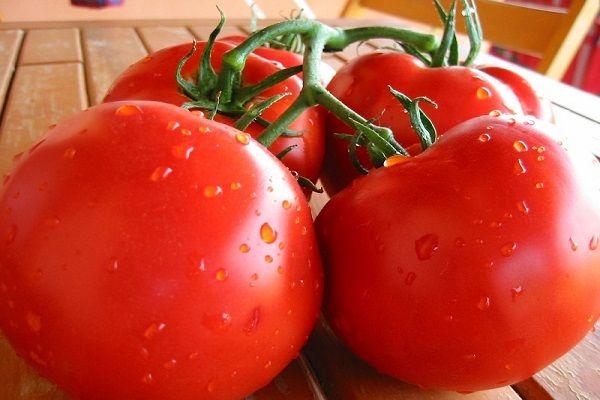
The bushes are low, reaching 60-70 cm, but taller bushes (up to 1 m) can be grown in a greenhouse. The main stem produces 4-6 fruits, each weighing approximately 130 g. The variety's average yield is approximately 17 kg per square meter.
The characteristics of the Captain F1 tomato particularly highlight its resistance to fungal diseases that attack tomato crops in the second half of summer. The main harvest of early tomatoes is already harvested by this time, but even the last fruits are resistant to late blight and blossom-end rot. The variety is also immune to tobacco mosaic virus.
Gardeners also appreciate the low-maintenance nature of the Captain hybrid. Tomatoes don't require shaping; staking them is recommended, but this isn't necessary when grown outdoors. Basic care involves watering (once every 5-7 days) and weeding.
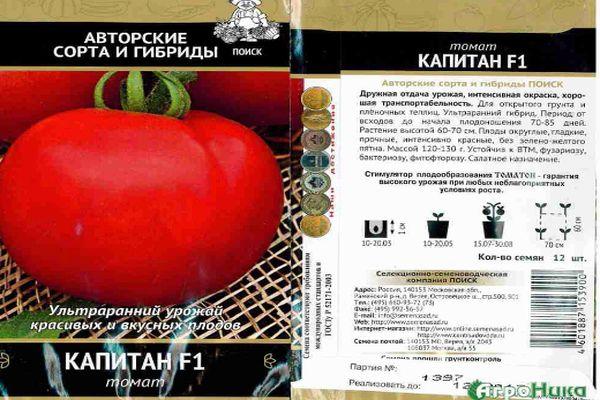
Fruits of the hybrid Captain
Captain tomatoes were bred for fresh consumption. The fruit's flavor is distinguished by its increased sweetness and slight tartness (sugar content is approximately 3%). The classic, tomato-like aroma is distinct. Gardeners report that the flavor remains unaffected even in cold and rainy summers.
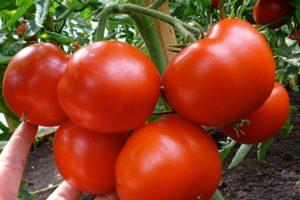
Captain tomatoes have a perfect round shape, without ribbing, with a slight indentation near the stem. The ovaries on the cluster are nearly uniform in size and ripen simultaneously, allowing for the first harvest in mid-July when grown outdoors. In a greenhouse, fresh, ripe tomatoes can be harvested 1-2 decades earlier.
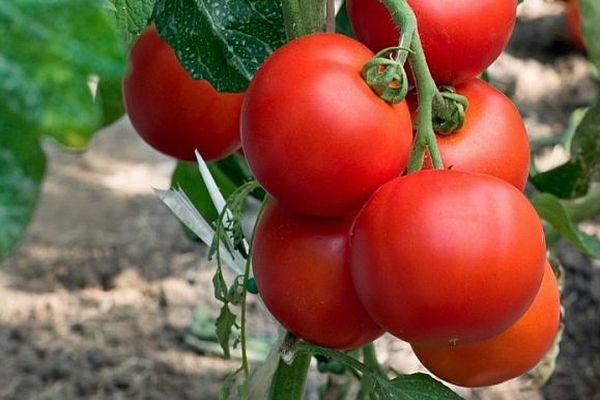
The fruit's skin is thick and strong, and when fully ripe, it's a deep red and shiny. Captain tomatoes have no green spots near the stem. If unripe, tomatoes ripen indoors. Ripe tomatoes have excellent shelf life and transportability.
The description of the variety notes the special qualities of the pulp of the Captain tomatoes:
- dense, but very juicy, pleasant consistency;
- uniformly and brightly colored, without a white core;
- the seed chambers are small, there are few seeds;
- taste and aroma are typical of ground tomatoes.
Despite the fresh use of the Captain variety in salads, Russian gardeners use these small, neat tomatoes for winter canning. The dense skin and firm flesh help preserve the tomato's integrity during cooking. Pickles and marinades also preserve the tomato's consistency, preventing its contents from becoming runny.
These tomatoes are also great for making juice or puree: the bright, flavorful flesh makes for beautiful sauces, tomato pastes, or ketchup. Captain tomatoes are also suitable for sun-drying or drying.
Agricultural technology of early varieties
It's not recommended to sow tomatoes too early. They develop quickly, and the seedlings become very elongated. The best time to sow the ultra-early Captain Seredina variety is late March, approximately 50 days before planting in the greenhouse or garden.
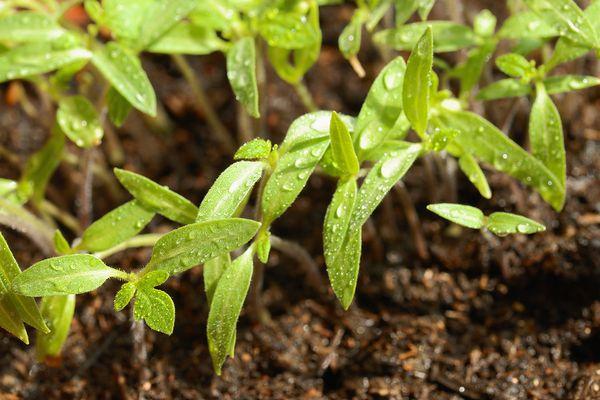
Scatter the seeds over the surface of very moist soil and cover with dry soil or sand. The depth of seed placement should not exceed 0.5 cm, otherwise some of the seedlings will not be able to rise to the surface in time. The boxes are covered with glass and the seeds are germinated in a warm place. Seedlings appear 4-5 days after sowing.
Take a look Also
After 1-2 leaves appear, the seedlings should be transplanted into 10x10 cm spaces or into individual containers. It's best to place the plants in a brightly lit spot near a window, but not on a windowsill. The soil temperature in the containers should be maintained at around 17°C. Water with warm water.
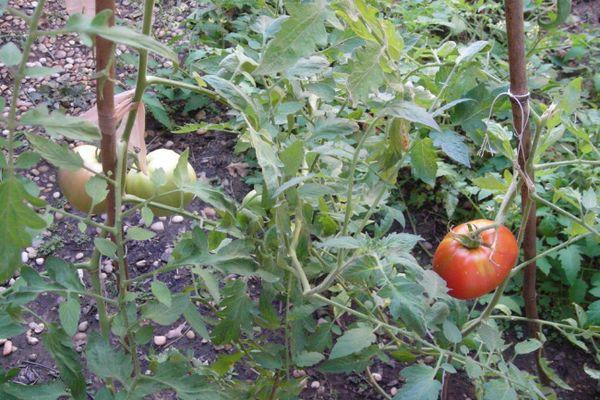
Seedlings can be planted after the last spring frosts have passed. Tomatoes are planted slightly earlier (1-2 weeks) in a greenhouse or under plastic. When planting, use a densely packed pattern. When staking, plant 6-8 plants per square meter; when unstaking, plant 4-5 plants per square meter. Unstaking stems will droop to the ground and develop roots. Carefully covering them with soil will help the plant develop fruit mass faster, after which they will begin to ripen.
Related posts:
 Description of the Northern Captain gooseberry variety, planting and care technology
 The best eggplant varieties for growing in a polycarbonate greenhouse: planting and care
 Methods for planting and propagating cherries at home
 The best grape varieties for growing in the Urals, planting and care rules in summer
 Is it possible to soak treated cucumber seeds before planting and how to do it correctly?
 22 Best Large-Fruited Gooseberry Varieties for the Moscow Region: Planting and Care
 Causes and treatment of eggplant pests and diseases, how to combat them at home
 Top 40 DIY New Year's Baking Recipes for 2020
Tomatoes grow quite large, so tying them up is essential, and it's best to do this as early as possible. I also recommend using BioGrow.
Very bad tomato.