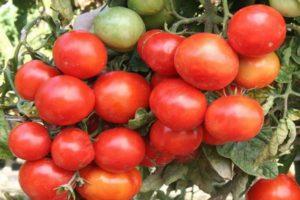
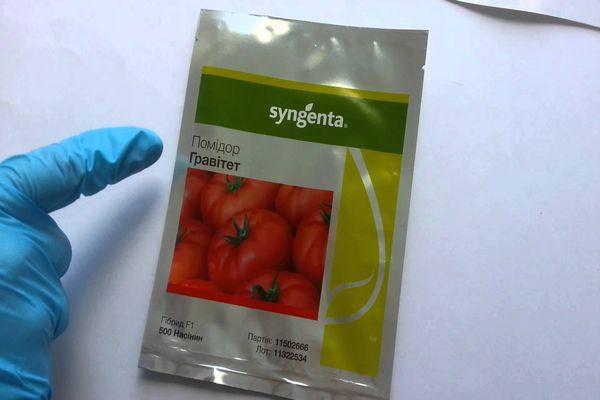
The Gravitet F1 tomato belongs to a group of early-ripening semi-determinate hybrids that produce high yields. This plant was developed by Dutch breeders. This F1 tomato is used for salads, tomato paste, and other dishes. Its fruits can be transported over long distances due to their thick skin.
Briefly about the plant and its properties
In agricultural catalogues, the Gravitate tomato has the following description and characteristics:
- This Dutch hybrid can be grown in open ground and greenhouses. It takes 67-83 days from planting to harvesting the first fruits.
- The plant has a powerful root system. The bush can reach a height of 170 cm.
- From 7 to 9 clusters are formed on the bush.
- The hybrid has good resistance to diseases such as nematodes, verticillium wilt, fusarium wilt, and tobacco mosaic virus. The plant also exhibits good resistance to green spot.
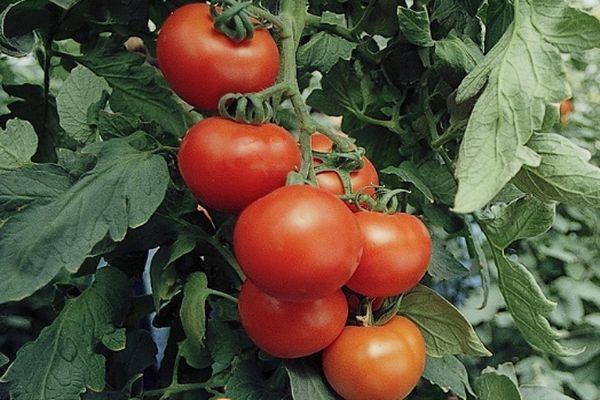
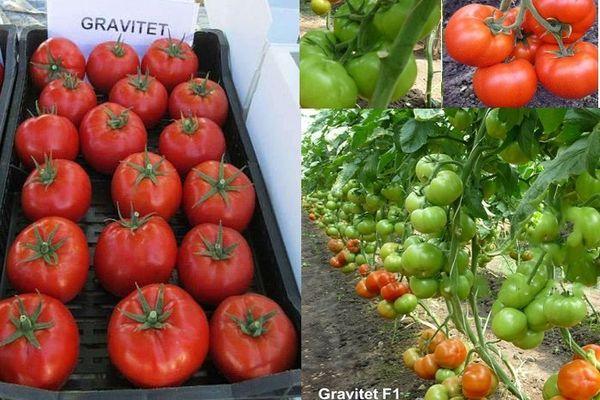
- On average, the fruit weight of this tomato is 0.18-0.21 kg, but with careful adherence to growing technology, the weight of each tomato can be increased to 270-300 g.
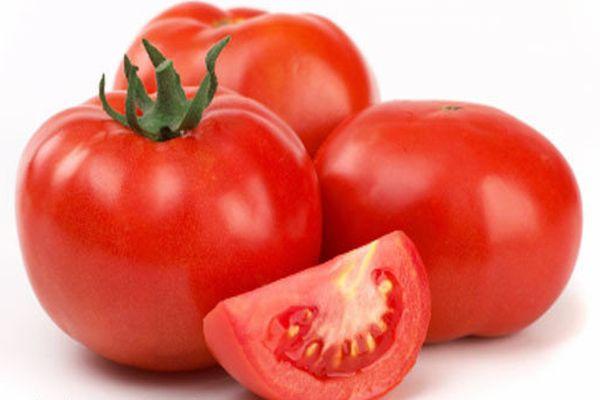
- The fruits are round, almost spherical in shape.
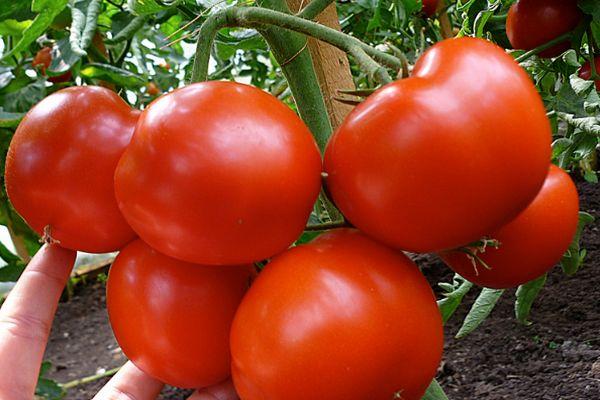
Reviews of the Gravitate tomato indicate that to obtain a large harvest, the plant requires fertile, well-drained soil. Plants should also be protected from strong winds and drafts. To ensure juicy and tasty fruits year-round, it is recommended to grow this hybrid under plastic covers. The variety yields up to 8-9 kg of fruit per plant.
In southern Russia, seedlings can be planted in open ground, while in central Russia, they can be grown under plastic film. In Siberia and the Far North, this early variety can only be grown in well-heated greenhouses.
How to grow Gravity yourself?
Hybrid seeds are best purchased from specialist stores. Before planting them in the ground to obtain seedlings, it is recommended to treat them with potassium permanganate. After the seedlings emerge and develop 1-2 leaves, they are pricked out and then hardened off. The resulting seedlings are planted in the ground so that there are no more than 2-3 plants per square metre, as light must reach all the leaves.
It's important to maintain a proper watering schedule—no more than 300-500 ml of water per plant is recommended. The recommended planting pattern for this tomato variety is 0.7 x 0.8 m.
This variety requires mineral fertilizers as the bushes grow. Initially, organic and nitrogen-based fertilizers are used, and after fruit set, complex fertilizers with high phosphorus and potassium content are recommended.
The first feeding is done with a solution of superphosphate (about 20 g) and mullein, diluted in a 10-liter bucket. This should be done 10-12 days after planting the seedlings. One bucket is enough to feed 10 bushes.
The next feeding is done two weeks later. Dry mineral fertilizers are used for this, applied immediately after loosening the soil in the beds. For each square meter of soil, apply 20 g of superphosphate, 10 g of ammonium nitrate, and 15 g of potassium salts.
Staking may be necessary. Regular removal of side shoots is recommended.
Along with watering and fertilizing the plants, it's important to loosen the soil beneath them every 10-12 days. It's recommended to avoid crusting, as this will reduce the yield by 20%. High humidity can lead to plant diseases such as late blight and brown spot.
 To prevent diseases, you need to treat tomato leaves with appropriate preparations and maintain the humidity in the area that is suitable for the plants.
When garden pests enter the area, they are destroyed using chemicals or folk remedies.
Related posts:
 Methods for planting and propagating cherries at home
 The best grape varieties for growing in the Urals, planting and care rules in summer
 The best methods for growing grapes from seeds at home
 Description and characteristics of the best seeds of pea varieties and types
 Growing and caring for hazelnuts in open ground, rules for planting hazelnuts
 Timing and rules for propagating blueberries at home
 Conditions for growing mandarin at home and rules for caring for the tree
 How to plant walnuts, care for them, and grow them at home
Take a look Also