
- Description of the Cardinal Mazarin tomato
- Bushes
- Fruit
- Plant characteristics
- Productivity and fruiting
- Application of fruits
- Resistance to diseases and pests
- Pros and cons of the variety
- Peculiarities of tomato planting
- Timing and preparation of seeds
- Sowing seeds
- Growing seedlings
- Planting in open ground
- Care instructions
- Fertilizing and watering
- Bush formation
- Pest and disease control
- Tomato diseases
- Protection from the mole cricket
- Harvesting and further use of the crop
- Reviews from experienced gardeners
The Mazarini tomato variety has gained widespread popularity among gardeners thanks to its juicy, large fruits. These tomatoes thrive in a variety of conditions and produce a consistent harvest. They require regular care and shaping.
Description of the Cardinal Mazarin tomato
When planning to grow the Cardinal Mazarini tomato variety, including the F1 hybrid, it's recommended to familiarize yourself with the description of the bushes and fruits beforehand. Understanding the variety will help ensure proper care and create favorable conditions for fruiting.
Bushes
Indeterminate bushes reach a height of 2 m. The stems are robust, with a medium foliage density. Each cluster produces 5-6 ovaries.
Fruit
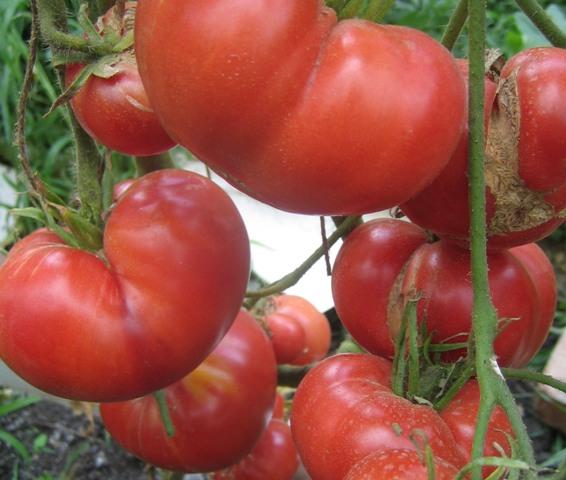
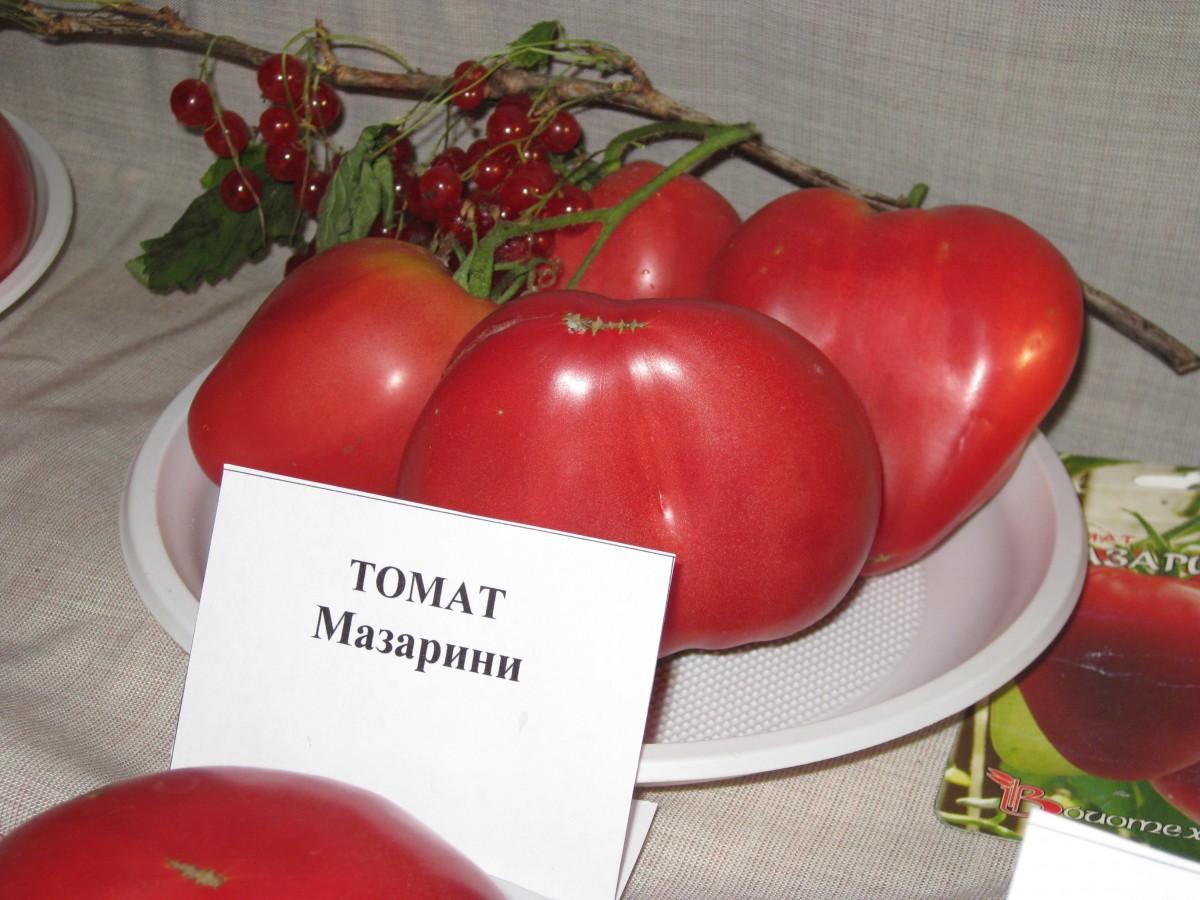
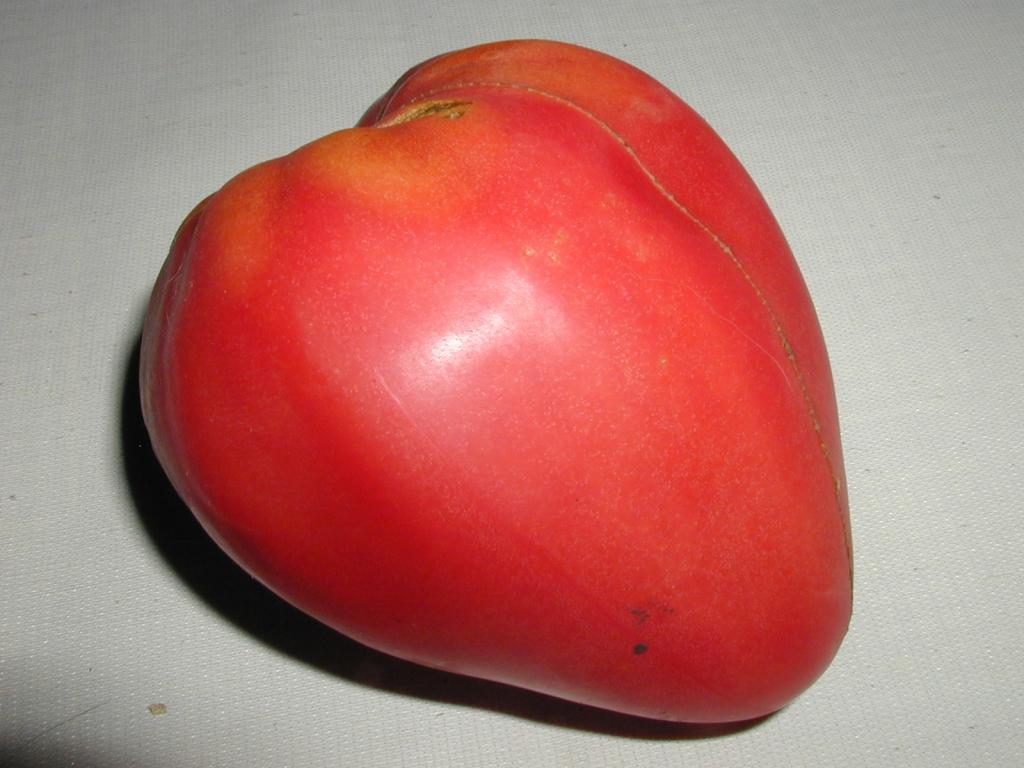
The plant produces fruits weighing 160-200 g. When ripe, the vegetables acquire a rich red hue and a rounded, heart-shaped form. The tomato flesh is dense and fleshy, with 3-4 chambers.
Plant characteristics
Mazarini tomato varieties have a number of unique characteristics. When choosing a variety for cultivation, it's important to study the characteristics of the tomatoes for comparative purposes.
Productivity and fruiting
The fruiting period lasts from the end of June until the first cold weather sets in. With proper care and a favorable climate, it is possible to obtain up to 14 kg of harvest from 1 square meter of land.
Application of fruits
The versatile nature of the fruit allows it to be eaten fresh, used in salads and other dishes, processed and preserved.
Due to their good storage and transportability, many gardeners grow tomatoes for sale.
Resistance to diseases and pests
Tomatoes are resistant to a number of common diseases typical of the Solanaceae family. The Mazarini variety is rarely susceptible to late blight, gray mold, fusarium wilt, and tobacco mosaic.
Take a look Also

Pros and cons of the variety
Mazarini tomatoes have a number of comparative advantages. The main ones include:
- high taste characteristics;
- stable and large yields;
- resistance to changing weather conditions;
- ability to tolerate high ambient temperatures and slight drought;
- the possibility of fruiting before the onset of cold weather.
The variety's drawbacks are related to the specific care requirements. Tall bushes require staking and removal of any lateral shoots.
Peculiarities of tomato planting
To obtain a large harvest, several planting considerations must be taken into account. The seedlings are pre-treated, after which the seedlings are grown according to basic guidelines.
Timing and preparation of seeds
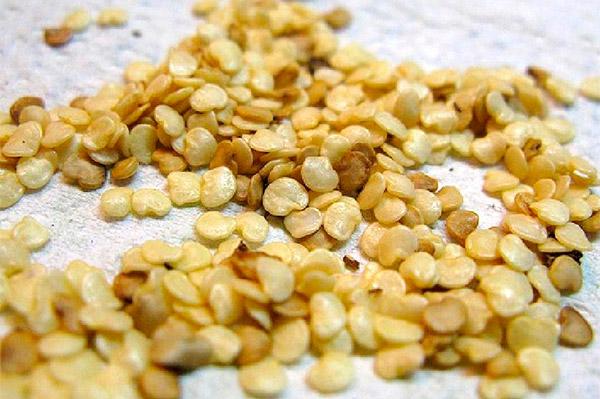
Before sowing, seeds are treated with a potassium permanganate solution. To prepare the solution, dissolve 1 g of potassium permanganate in a glass of warm water. Wrap the seeds in a cloth and soak them in the solution for 15-20 minutes, then rinse with clean water. Pre-treatment is necessary for disinfection, preventing the development of viral diseases, and enriching the seeds with nutrients.
Sowing seeds
Tomato seeds are planted for seedlings in early spring. Tomato seedlings require nutritious soil with a neutral pH. A mixture of soil with peat or humus can be used. The seeds are placed on the surface of the soil without burying them and covered with a thin layer of soil.
Growing seedlings
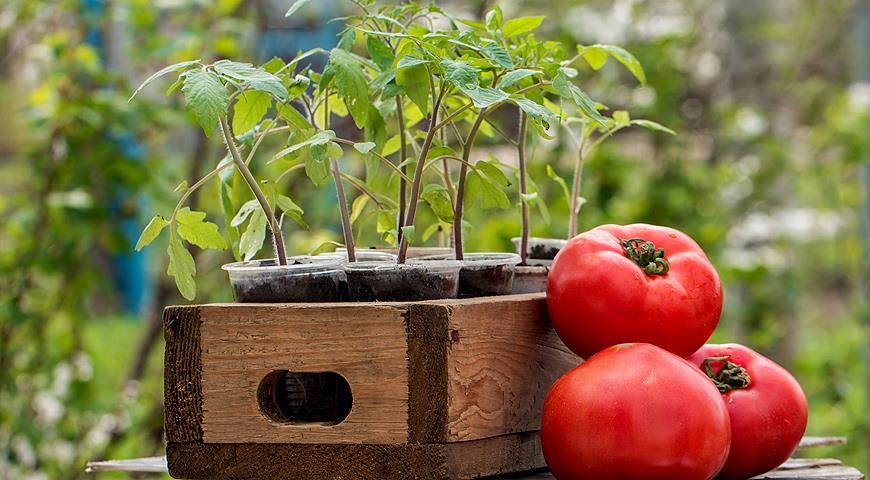
Seedlings are grown at a temperature of approximately 25 degrees Celsius. To promote active seed growth, it is recommended to cover the seedling containers with plastic film. Sufficient natural light is essential. In cloudy weather, additional light sources may be used. Water the seedlings as the soil dries using a spray bottle.
Planting in open ground
The seedlings are transplanted to their permanent location in late May or early June. The optimal planting pattern is three plants per square meter. Planting too densely may reduce yield. Immediately after transplanting, the tomato beds can be covered with plastic film to create a greenhouse effect and accelerate development.
Care instructions
Consistent and proper care of Mazarini tomatoes is the key to a bountiful harvest. To ensure growth and abundant fruiting, regular watering, fertilization, and training of single or multiple stems are required.
Fertilizing and watering
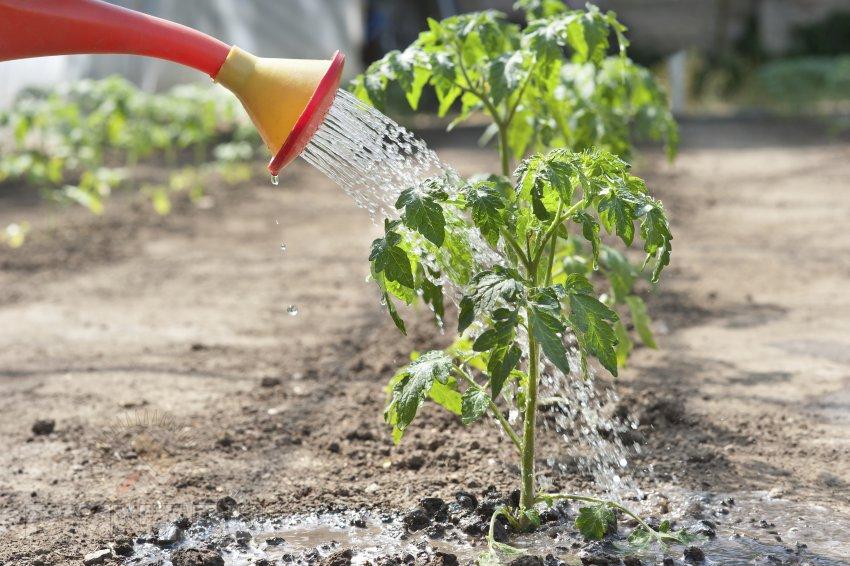
Tomatoes need watering as the soil dries out. Use 3-5 liters of warm water per plant. Water the plants at the roots to avoid damaging the leaves and buds. During flowering, reduce the water flow to 1-2 liters per plant. Fertilize the soil 3-4 times throughout the season.
Compost, wood ash, potassium-phosphorus fertilizers and boric acid can be used as fertilizer.
Bush formation
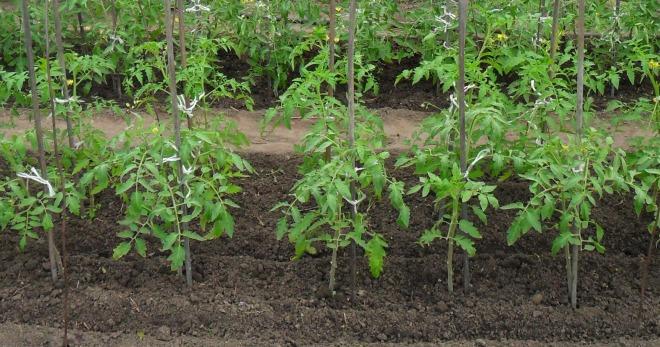
The process of plant formation involves pruning off growing side shoots. Bushes are formed into 1-2 stems, removing side shoots and lower leaves. If two stems are required, leaving one additional shoot at the base of the bush is sufficient.
Pest and disease control
Unfavorable climatic conditions or contaminated seeds can cause tomato diseases and pest attacks. Despite the plants' high resistance to disease, preventative treatment with fungicides is recommended.
Tomato diseases
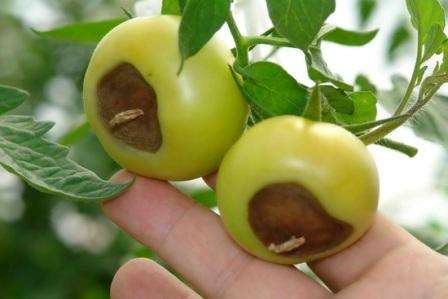
Failure to properly care for tomatoes can lead to fruit rot. This disease is characterized by the appearance of dark spots on the skin of tomatoes, which increase in size over time. Rotten tomatoes should be destroyed, as the infection can spread.
Protection from the mole cricket
One of the most dangerous pests of the Mazarini tomato variety is the mole cricket. This insect lives in the soil at a depth of up to 70 cm, gnawing at the roots and the inner part of the stem. You can detect the pest's presence in the garden by looking for dried leaves and holes in the soil. Birch tar can be used to protect the crop from mole crickets. Wood sawdust is treated with a tar solution and dug into the soil around the bushes. The strong smell of tar repels pests and helps increase the yield.

Harvesting and further use of the crop
The first fruits begin to ripen 110-120 days after sowing. Ripe vegetables can be carefully picked or cut from the bushes. After harvesting, it is recommended to inspect the fruits to remove any damaged ones. The harvest is suitable for fresh consumption, canning, processing, and long-term storage.
Reviews from experienced gardeners
Elena Minina: "I decided to try planting the Mazarini variety for the first time. I read the recommendations of those who had planted tomatoes before, so I had no problems growing them. The fruits grew large and had a sweet taste."
Ivan Zaitsev: "I constantly grow different varieties, and last season I planted Mazarini tomatoes. I harvested several dozen kilograms and am pleased with the yield. I use the vegetables for canning."
Related posts:
 What is the best way to feed tomato seedlings to make them plump?
 How to prepare tomato seeds for planting seedlings
 The best eggplant varieties for growing in a polycarbonate greenhouse: planting and care
 What fertilizers and when to use for feeding tomatoes in a greenhouse
 What is the best way to mulch tomatoes in open ground and greenhouses?
 What varieties of tomatoes are best to plant in a polycarbonate greenhouse?
 Is it possible to soak treated cucumber seeds before planting and how to do it correctly?
 Description and characteristics of the best indeterminate tomato varieties for greenhouses