
The Labrador tomato is adapted to temperate climates and tolerates sudden temperature fluctuations. This variety, developed by Russian breeders, is grown in open fields and planted in greenhouses. These tomatoes, which ripen in just three months, are low in calories and suitable for dietary use. They contain folate, fiber, trace elements, vitamins, and pectin, providing carbohydrates and proteins.
Description of the variety
Labrador is a determinate plant that requires little care. Climate and weather influence the ripening time of tomatoes. In some regions, tomatoes are harvested as early as 78–80 days after planting, while in others, it may take 100 days or longer. When purchasing seeds for this vegetable crop, gardeners study the variety description. Many choose Labrador because of its early ripening.
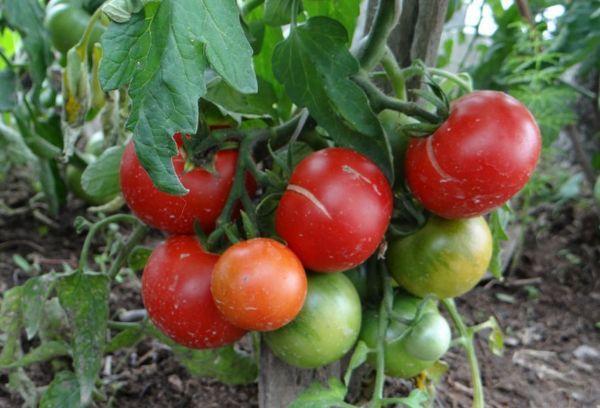
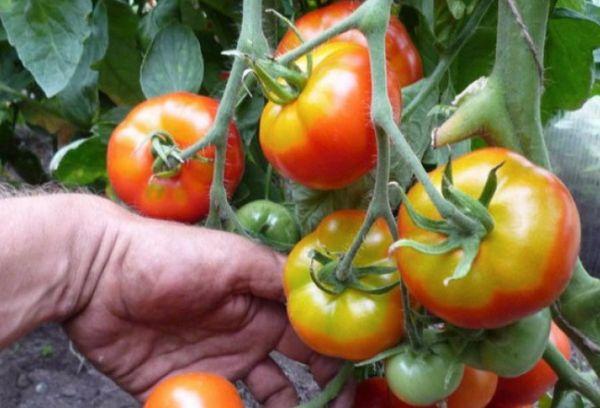
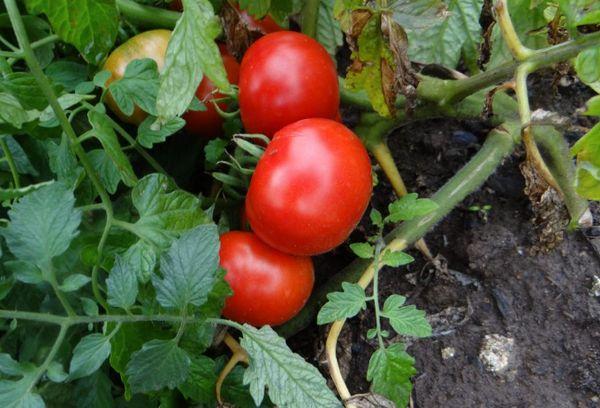
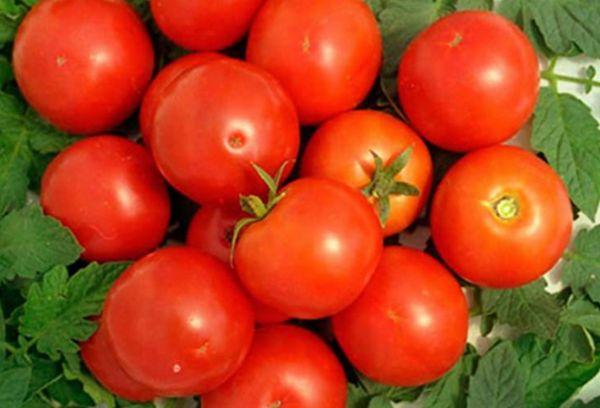
Spreading, sturdy tomato plants have strong roots, but grow only half a meter to 60 cm in height. The stem produces numerous shoots with green leaves, and after the seventh shoot, simple inflorescences appear. Each cluster produces up to 15 tomatoes. Ripe fruits are characterized by:
- bright red hue;
- smooth surface;
- apple-shaped;
- juicy pulp;
- sweet and sour taste.
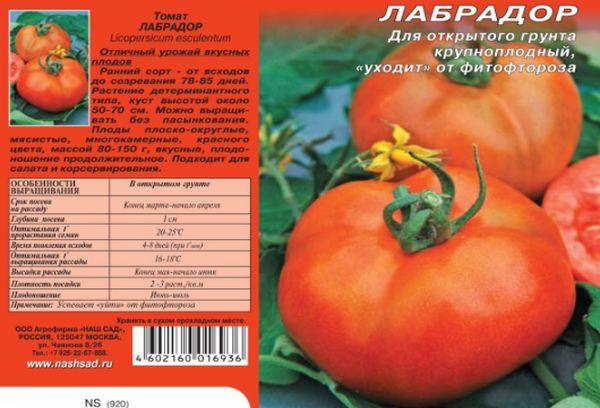
Typically, a tomato weighs 80 grams, but with good care, tomatoes weighing 150 grams can be found.
The multi-chambered fruits don't crack, ripen evenly, and don't fall to the ground when ripe. They're used in salads, for canning and pickling, for juice extraction, and for making ketchup and tomato paste.
Someone who has planted the Labrador variety claims to harvest 2.5 kg of tomatoes from a single bush. However, such a yield is only possible with proper farming practices and timely fertilization.
Growing
Tomato seeds are produced by the company "Nash Sad." Gardeners who have already planted Labrador tomatoes can harvest them themselves from overripe fruits, as the variety is not a hybrid. Tomato seeds should be sown in a container two months before planting, after soaking them in Fitosporin or in a solution of potassium permanganate and aloe vera juice. The containers are filled with a mixture of compost, soil, and peat, along with ash, sand, and dolomite flour.

After disinfection, the seed material:
- Rinse with water.
- Dry well.
- They are treated with preparations to accelerate germination.
Novosil and Epin are effective growth stimulants. The prepared soil is watered with boiling water, furrows are made every 4 cm, and the seeds are planted 1 cm apart at a depth of 1.5 cm. The boxes are covered with transparent film and placed in a warm room. When leaves appear, remove the film. The seedlings are moved to a cooler location and watered once a week. Labradorite tomatoes are sown 14 days earlier than late-season tomato varieties.
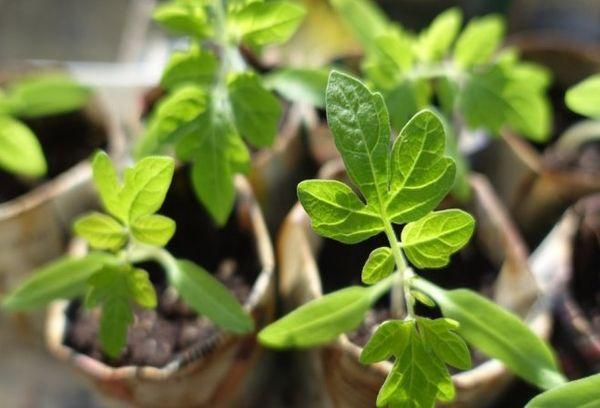
When the soil surface temperature rises to 15 degrees Celsius, the grown tomato plants are transplanted into the garden bed, leaving 70 cm between rows. Three to five plants are placed per square meter, then removed from the box after watering the soil. Tall plants are planted at an angle and then covered with soil.
Care Features
Frosts often return in May. To help tomatoes survive, cover them with glass jars or plastic bottles, cutting off the tops beforehand. The tomato bed should be prepared in the same spot where the following plants grew the previous season:
- cucumbers;
- eggplants;
- cabbage;
- sweet pepper.
Thanks to such predecessors, Labrador tomatoes are not affected by late blight.
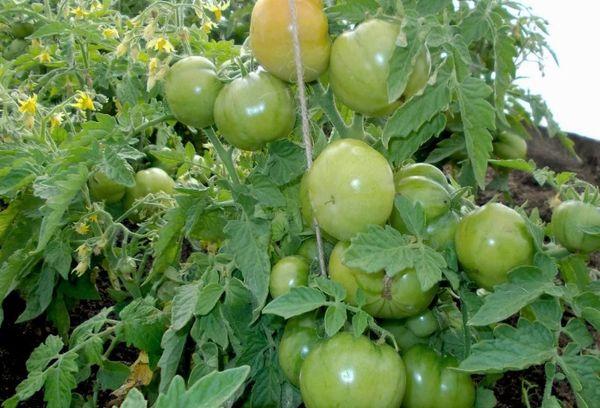
After planting tomatoes, water is added to the furrows on the third or fourth day. To prevent moisture evaporation, the bed is mulched. Tomato yields increase if the plants receive sufficient nutrients. Two buckets of humus and two kilograms of ash are added per square meter of the plot selected for the crop, after which the soil is tilled. At least three times during the summer, Labrador tomatoes are fed with Universal and Sudarushka fertilizers, which are sold at specialized retailers.
Spraying the leaves with diluted iodine and applying an ash infusion to the roots helps prevent the development of late blight.
Tomatoes need to be watered generously, but not every day, but once a week. Irregular watering can lead to:
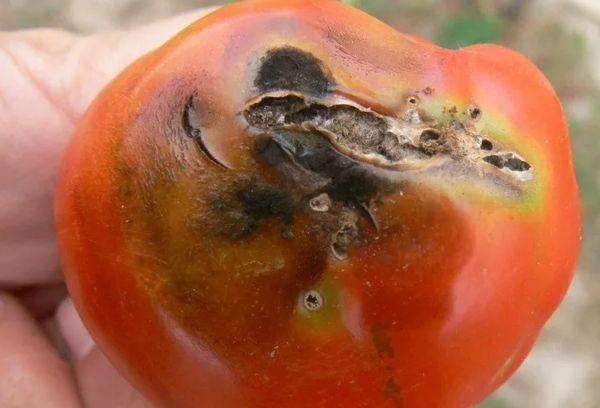
- the formation of brown rot on fruits;
- development of verticillium wilt;
- cracking of tomatoes.

You shouldn't get carried away with fertilizing the crop with nitrogen fertilizers, as this will increase the number of leaves, but there will be no good harvest.
To harvest large fruits, remove side shoots from the bushes, leaving five fully formed clusters. When inflorescences and fruits appear, spray the plants with boric acid and the growth stimulant "Ovary for Tomatoes." The yield will increase by a third with the correct dosage.
Advantages and disadvantages
The low, standard Labrador tomato bushes don't require pruning, saving time on care. Even novice gardeners can grow tomatoes. The variety's advantages include:
- possibility of growing in a greenhouse and in a garden bed;
- resistance to weather changes;
- early and simultaneous ripening of fruits;
- high productivity;
- pleasant taste.
Tomatoes have very thin skin, lose their marketable appearance during transportation, and don't store well. This characteristic of the variety doesn't suit all farmers who grow vegetables in large quantities for sale.
Pests and diseases
Although Labrador tomatoes are rarely affected by late blight, they are susceptible to verticillium wilt, brown spot, and phoma. To prevent these diseases, the bushes are treated with fungicides. Insects cause significant damage to the crop:
- aphids and cutworms;
- wireworm and whitefly;
- mole cricket and slugs.
Colorado potato beetles also enjoy feeding on tomato leaves. Spray the plant along with the potato before the flowers appear. Confidor, Bushido, and Karate are used for this purpose. Cutworms die after treating the plants with Strela. Slugs leave the garden if lime solution is applied to their nesting areas, or hot peppers are sprinkled on them. Boverin, Vofatox, and Groza are effective against mole crickets. Aphids can be controlled by spraying the leaves with Zubr, but wireworms are intolerant of Bazudin.
Harvesting and storage
Labrador tomatoes are picked in June or early July, when the late varieties still have green fruit. They are eaten fresh and used to make adjika, ketchup, juice, and sauce. They are not ideal for canning, as the skins crack in hot water.
Tomatoes do not have a long shelf life and lose their appearance during transportation, which is their only drawback.
Reviews from summer residents
Gardeners love the Labrador tomato variety because the first fruits are available for enjoyment while other tomato plants are just beginning to set. Reviews from friends and neighbors, along with detailed descriptions of the variety's advantages, have led to its cultivation not only in the central and southern regions, but also in Yaroslavl and Arkhangelsk.
Vladimir Ivanovich, 61, Saratov Oblast: "My wife always chooses the vegetable varieties for our dacha. Last spring, she planted Labrador tomato seedlings. By the end of June, we were eating fresh tomatoes; we harvested over 2 kg of bright red fruit from a single bush."
Elena Petrovna, 45, Yaroslavl: "I've been growing cucumbers and cabbage at my dacha for a long time. I planted tomatoes several times, but they never ripened. At the store, they recommended buying Labrador seeds; they're adapted to various climates. In July, the bushes were covered with red fruits. Now I know which variety to choose."
The early ripening and high yield characteristics of the Labrador tomato are attracting more and more landowners.
Related posts:
 Description of the best varieties of black tomatoes for open ground and greenhouses
 15 simple recipes for pickling tomatoes in jars for the winter
 Description of the best Dutch tomato varieties for greenhouses and open ground
 TOP 17 recipes for pickled sweet tomatoes for the winter
 The best eggplant varieties for growing in a polycarbonate greenhouse: planting and care
 Step-by-step technology for growing tomatoes on the balcony, the best varieties with descriptions
 How to grow cherry tomatoes on a balcony: suitable varieties and planting and care guidelines
 How to make marinated tomatoes in jars for the winter using a Bulgarian recipe