
The Malachite Box tomato appeared on the garden market relatively recently, but has quickly gained popularity among lovers of unusual tomato varieties. The plant shows good yields when grown in the challenging climate of Siberian regions. To achieve the desired yield, it is necessary to follow the basic rules for growing nightshade varieties.
Description of the variety
The variety is classified as a tall indeterminate variety, meaning the plant can grow indefinitely. When grown in greenhouses, the plant's bushes reach a height of 1.5 meters. The tall shoots produce a large amount of foliage, requiring time-consuming, periodic thinning.
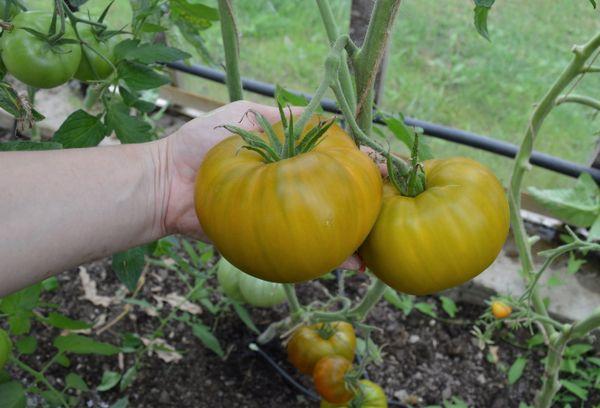
This variety is characterized as mid-season; the first tomatoes are harvested in central regions 100 days after planting. In northern regions, the period is 115 days. A distinctive feature of this variety is its 100% fruit set rate, with fruits forming along the entire length of the stem.
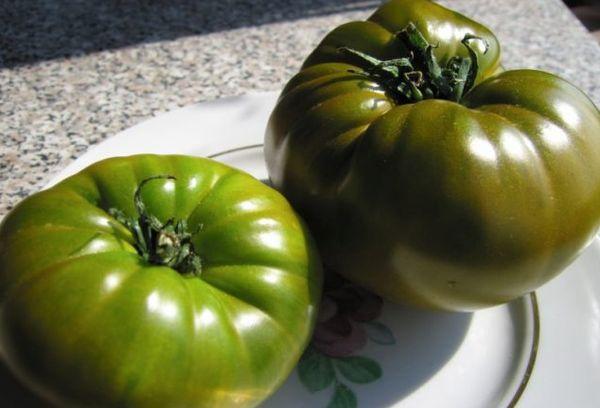
The Malachite Box tomato variety has flattened, round fruits with a smooth, glossy surface. The lower clusters produce larger tomatoes weighing 250 to 300 grams. Some specimens reach 500 grams.
Yield per 1 m2 tomato varieties depend on growing conditions:
- open ground - up to 4 kg;
- in greenhouses - up to 15 kg.
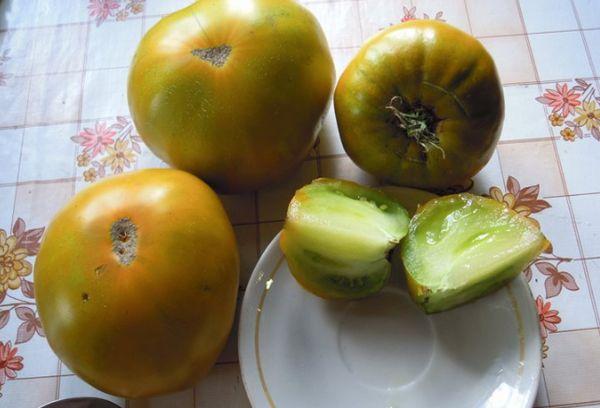
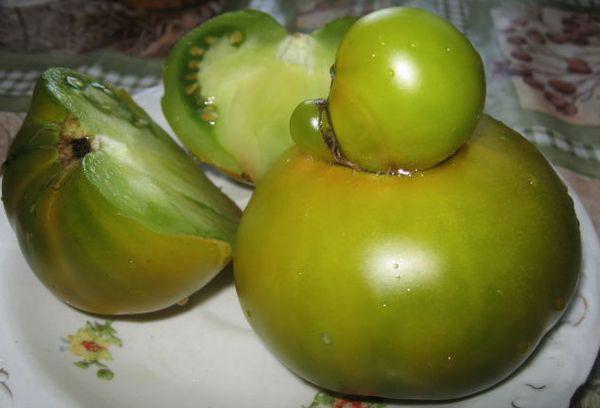
Unripe tomatoes are light green with characteristic streaks. When fully ripe, they take on a beautiful malachite-yellowish-green hue. Gardeners report feeling like a whimsical pattern has been deliberately painted on the surface of the tomato.
Tomatoes have thin skin, which makes them difficult to transport over long distances. The fruit has juicy flesh with a high sugar content. When cut, the tomatoes have the same characteristic streaks as the surface. Inside, there are a small number of seed chambers. Those who have grown this variety report a unique flavor, vaguely reminiscent of melon or kiwi.

Growing
Planting of the variety's seedlings occurs 50–60 days before the planned planting in the permanent growing location. Fertile soil is prepared for planting, or commercial soil is used.
Before planting, the seeds are disinfected by immersing them in boiling water, soaking them in a weak solution of potassium permanganate, aloe sake, or any other growth stimulant. The seeds are soaked in the potassium permanganate solution for no more than 3 or 4 hours; for aloe juice, the soaking time is 20 minutes. Biostimulants are always sold with instructions for use, which always specify the soaking time and instructions.
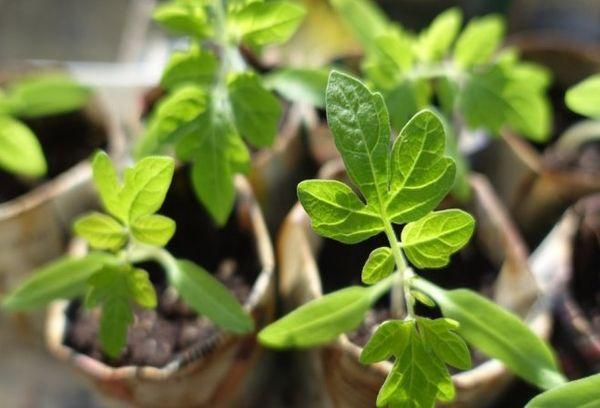 Sow seeds at a distance of 3 cm, forming furrows every 1 or 2 cm. To increase seedling germination, cover the container with transparent film after planting. Pricking out is done after the shoots have developed 2 or 3 true leaves. The plant requires a lot of light, so insufficient light leads to thinning and elongation of the shoots.
To provide additional illumination, special lamps are used or foil is stretched from the room side to reflect the light.
Care Features
At 1 m2 No more than three seedlings are placed in the soil. The plant is characterized by increased shoot formation and branching, so it requires pinching. The bushes are trained into a single main stem. After planting, the bush needs to be tied up; otherwise, it will not be able to support the weight of the fruit and will break off.
Care involves regular watering, weeding, and fertilizing to ensure the bushes are well-nourished. Fertilizers include superphosphate, ammonium nitrate, or specialized fertilizers.
Advantages and disadvantages
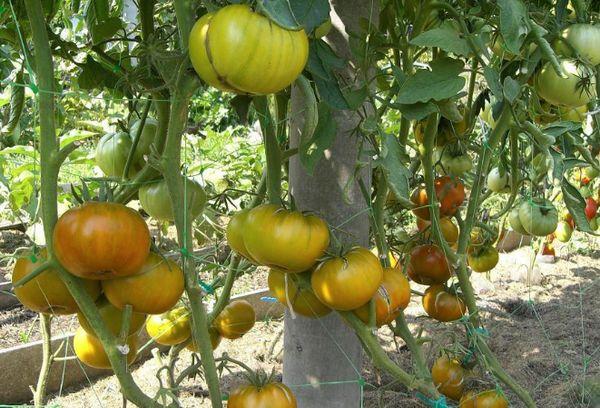
The undeniable advantage of this garden variety is its long-lasting, consistent fruit production. The last Malachite Box tomatoes can be harvested even after the onset of cold weather. Description of the variety's advantages:
- no empty flowers, almost 100% tomato fruit set;
- unusual color and taste of vegetables;
- the ability to use it as an ingredient to create unusual dishes;
- possibility of growing in greenhouse and outdoor conditions;
- no tendency to crack;
- the ability to use seed material for its intended purpose.
The positive aspect is that green tomatoes are safe even for small children and people prone to allergies. Their rich nutritional composition makes them an invaluable source of nutrients for the human body. Unlike red varieties, Malachite Box tomatoes do not cause allergic reactions. Their exotic color and flavor make them suitable for unusual salads and dishes. They are also ideal for making lecho and even jam.
A drawback of this variety is its fussiness in care. The thin and delicate skin makes it difficult to transport tomatoes over long distances or use them for canning, as the skin will crack immediately when exposed to heat.
Many novice gardeners initially have difficulty identifying ripe tomatoes due to their unusual color, and overripe tomatoes become tasteless.
Pests and diseases
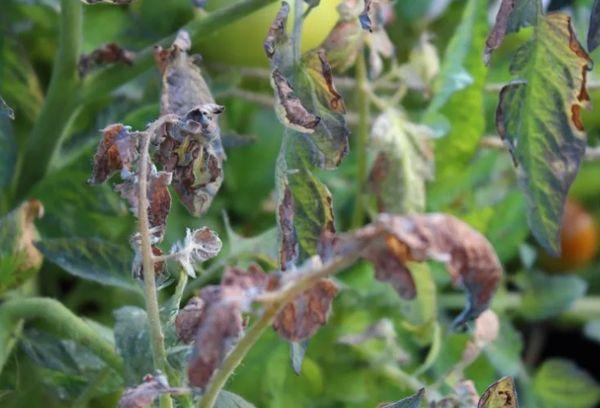
Malachite Box is a "pure" variety, making it more susceptible to fungal diseases such as late blight and fusarium. When grown outdoors, diseases such as blackleg, blossom-end rot, and macrosporiosis are minimized. The following pests pose a risk:
- whitefly;
- aphid;
- spider mite.
To prevent and control infestations, periodic spraying with specialized products, such as Fitoverm and Aktara, is necessary. If chemicals are undesirable, solutions of boric acid, iodine, or potassium permanganate can be used. Dry ash can be applied and applied to tomato plants.
Harvesting and storage
It's important to determine the ripening time for tomatoes of this variety. If harvested late, the fruits become heavily waterlogged and tasteless. Tomatoes cannot be stored, so their primary use is fresh consumption or the preparation of unusual preserves that don't involve whole-fruit canning.
Gardeners' reviews
Valentina, 45 years old:
"I've been gardening for 20 years. The unusual name and description of this variety piqued my interest. I grew tomatoes in a greenhouse, and the results match the characteristics of the Malachite Box. For a small family, I plant two plants, which is enough. Tomatoes should be eaten immediately, as they don't store well. I make jam from large tomatoes; none of my friends believed it was made from tomatoes."

Sergey, 41:
"My wife bought this variety; she's the experimenter in our family. I planted the seedlings in the greenhouse; the bushes grow large and require staking. The green tomatoes were a bit intimidating at first; it was difficult to tell which ones were ripe. I loved the unusual flavor of the tomatoes both fresh and in salads. The bushes bear fruit until autumn."
Related posts:
 Description of the best varieties of black tomatoes for open ground and greenhouses
 The best eggplant varieties for growing in a polycarbonate greenhouse: planting and care
 The best grape varieties for growing in the Urals, planting and care rules in summer
 What varieties of tomatoes are best to plant in a polycarbonate greenhouse?
 The best and most productive tomato varieties for greenhouse cultivation in the Urals, with descriptions
 How to grow cherry tomatoes on a balcony: suitable varieties and planting and care guidelines
 80 Best Eggplant Varieties for Different Regions with Descriptions and Characteristics
 15 simple recipes for pickling tomatoes in jars for the winter