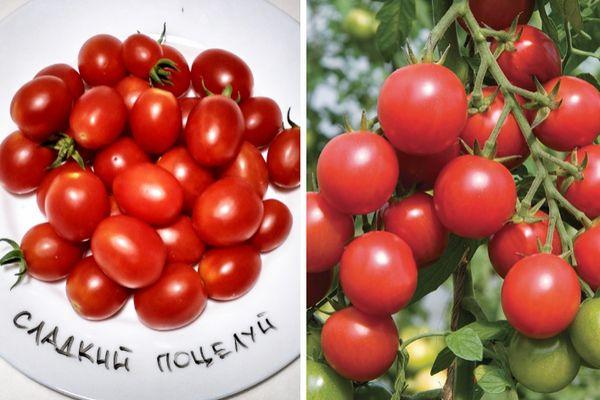
The Sweet Kiss tomato has Siberian roots, meaning its fruits tolerate cold well. They're not very large, but they have an incomparable sweet flavor, making them a favorite among gardeners and homesteaders. With proper care, these tomatoes will reward you with a bountiful harvest.
What is a Sweet Kiss tomato?
Below are the characteristics and description of the variety:
- This tomato is resistant to nightshade diseases and is an early-ripening variety.
- From the moment of sowing the seeds, after 90-95 days, the fruits produce a rich harvest.
- They taste sweet, which is why children love them.
- The plant's clusters always produce a large number of red tomatoes with shiny, elastic skin.
- They are used both fresh and pickled.
The Sweet Kiss tomato variety can be grown both in a greenhouse and outdoors, provided certain care guidelines are followed. These small tomatoes thrive in warmth, good soil, and special care. Only by following these guidelines can you increase your yield. They have been observed to grow more vigorously in greenhouse conditions.
Growing and care
Sow the seeds two months before planting the seedlings in their permanent location. Although the manufacturer treats the seeds with a special antifungal solution, it's better to additionally treat them with a weak solution of potassium permanganate before planting.
Plant in a small container, leaving a small distance between each seed. You can germinate the seeds on a damp cloth, or you can place them on the soil surface (to a depth of 1-2 cm), lightly covering them with soil. There's no need to water the planted seeds; it's better to mist them with water using a spray bottle.

Cover the container with plastic wrap and place it in a warm, bright location. Once the first sprouts appear, remove the plastic wrap. Water the seedlings as needed, maintaining soil moisture. Once the plant has established itself and gained strength, transplant it into soil.
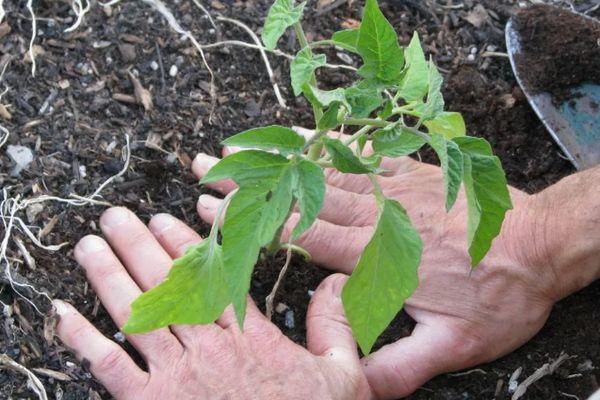
Let's look at the planting instructions. Before planting in a permanent location, it's important to prepare the soil. Since tomatoes prefer fertile soil rich in nutrients, add a little sand, peat, fertilizer, and humus to each hole. Plant the seedlings at a reasonable distance from each other to make them easier to care for later.
Let's look at the care requirements. The plant doesn't like excessive watering; high humidity can cause the leaves and roots to become diseased and rot. Occasionally, it's helpful to weed and loosen the soil to promote root development. To prevent the topsoil from drying out, mulch it. Plant leaves, straw, or regular plastic film are all suitable for this purpose.
The bushes must be tied to a support to prevent the branches from being damaged by the weight of the fruit. Supporting the plant allows for more light and airflow, which improves the quality of the fruit.
You can fertilize every two weeks, but nitrogen can only be used until the ovaries appear.
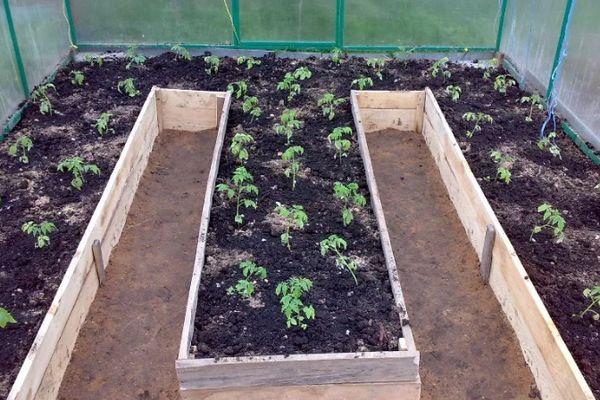
If the plant is planted in a greenhouse, periodically ventilate the room to avoid excessive humidity. For tomatoes planted outdoors, it's best to cover them with protective film at night.
If you follow these simple rules, you'll be able to reap a good harvest. Seeds are sown at the end of March, and the harvest ripens by the beginning of the first month of summer.
Gardeners' reviews of the Sweet Kiss variety are generally positive. There are a few nuances that beginners should pay attention to when planting this variety. It is important to take into account that the bushes grow high, so you need to think about garters in advance.
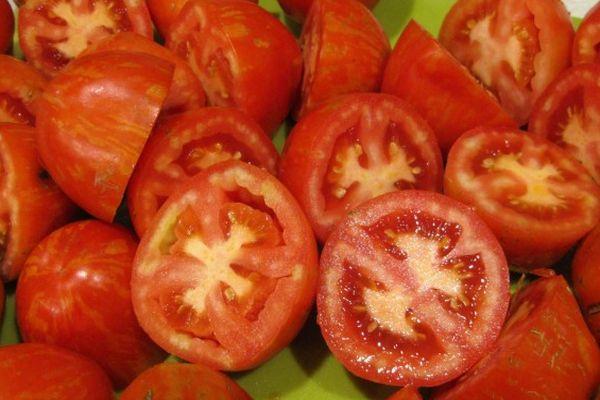
If the plant doesn't receive the proper amount of light and warmth, the fruit will be tasteless. Don't forget to fertilize the soil with organic and mineral fertilizers. Tomatoes grow poorly or not at all in poor soil.
Related posts:
 How to properly grow a peach tree from a seed at home, planting and care
 How to plant walnuts, care for them, and grow them at home
 Is it possible to grow an apricot tree from a seed in your garden? How to plant and care for it?
 The best ways and methods for properly covering grapes for the winter
 Planting and caring for cherries, feeding and growing rules
 Description of 30 varieties and types of Muscat grapes, planting, cultivation and care
 Description and characteristics of the Syrah grape variety, where it grows
 Description of the Solovushka strawberry variety, planting and care instructions