
The Parodist tomato was developed by Russian breeders. It belongs to a group of tomatoes used for salads. Those who have planted and grown these tomatoes note that the fruits can be dried, and the medium-sized ones are suitable for winter preservation.
Briefly about the plant and its fruits
The characteristics and description of the Parodist variety are as follows:
- These tomatoes produce a harvest 80-85 days after planting the seedlings in the ground;
- Tomato bushes grow to a height of 140-150 cm; they are quite compact and have a well-branched root system;
- leaves on the stems are of the standard tomato type;
- The bushes have simple inflorescences; their number on 1 stem can vary from 3 to 4 pieces;
- Those farmers who planted these tomatoes in open ground reported that 4-5 fruits developed per cluster; when planting tomatoes in a greenhouse, the number of berries per cluster varied from 5 to 6 pieces;
- On the stems of the described variety, ovaries can form even in the most unfavorable climatic conditions;
- fruits appear on the branches of the plant almost simultaneously;
- The Parodist variety is resistant to diseases such as cladosporiosis and late blight;
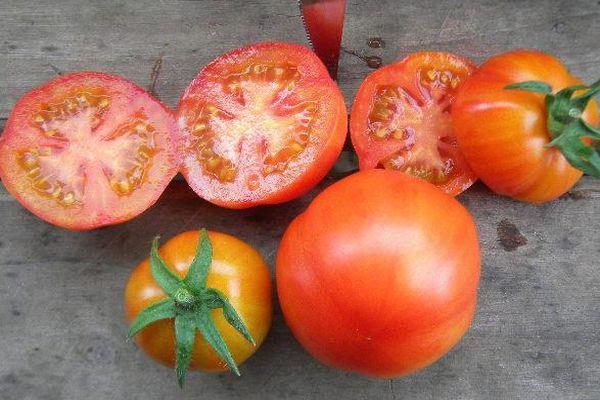
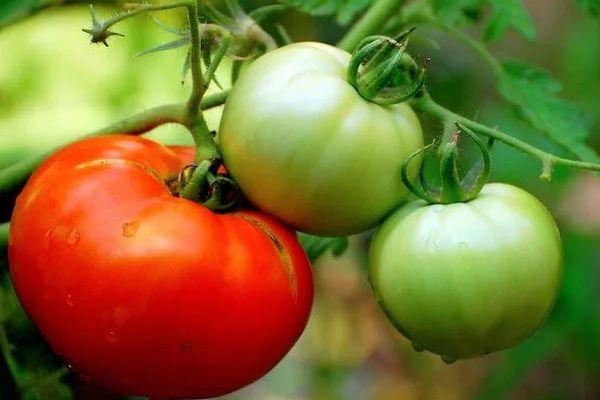
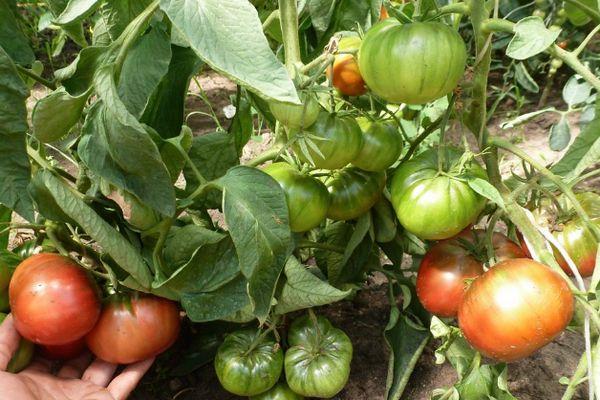
- the berries have an average weight of 0.14 to 0.16 kg, and their shape resembles a ball with pronounced ribbing;
- The fruits are colored in bright shades of red.
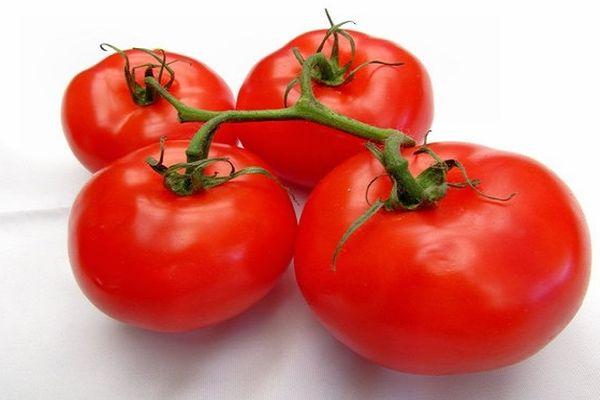
Feedback from farmers, some of whom have grown a full harvest of this tomato variety in greenhouses, indicates that each plant yields approximately 3-3.5 kg of fruit. Gardeners who have planted tomatoes outdoors report yielding up to 2.7 kg of berries per plant.
A drawback of the Parodist variety is the thin skin on the fruit. Although the skin is strong and does not crack, and the berry flesh is firm, storing Parodist for more than 7-10 days is not recommended. The fruits are practically incapable of transportation.
This type of tomato is planted throughout Russia. In the southern regions, it is grown in open ground. In the central part of the country, it is recommended to plant seedlings under plastic cover. In the Far North and Siberia, tomatoes should be grown in well-heated greenhouses.
Recommendations for breeding and growing
Gardeners should know that Parodist tolerates stress well, so a healthy harvest can be achieved even in cool and rainy summers. Tomatoes are grown using seedlings. Breeders recommend growing Parodist in greenhouses or hothouses.
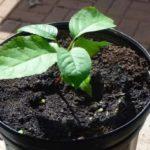
To obtain healthy seedlings, the seeds are treated with potassium permanganate and planted 10-20 mm deep in the soil in a special container.
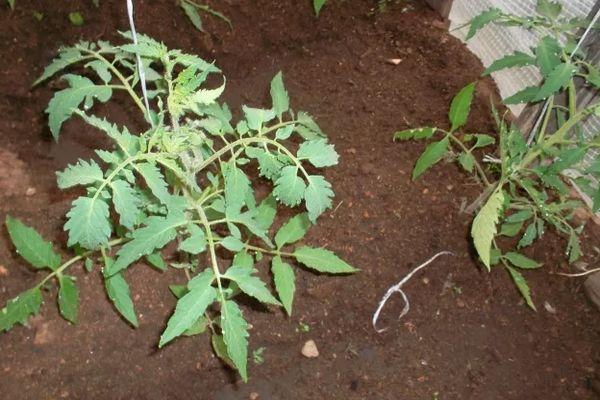
With timely feeding and watering with warm water, the seeds germinate in 8-10 days. After this, the seedlings are moved to a well-lit room. The seedlings receive 15-16 hours of daylight per day. Six to seven days before transplanting into the permanent soil, the young plants are hardened off.
Organic fertilizer or manure is added to the soil beforehand. The plant is easy to grow, so 5 to 9 bushes can be planted per square meter of garden bed. The standard planting format for Parodist stems is 0.5 x 0.4 m.
 The bushes need to be fertilized twice during the entire season. The first time is when the ovary appears (nitrogen and potassium fertilizers are added to the soil), and the second time is when the fruits develop (phosphorus and potassium mixtures).
It's recommended to water the bushes 1-2 times a week, whenever the soil beneath the stems dries out. Weed all the beds every 7-10 days to eliminate the threat of weeds. Failure to do so can result in a loss of up to 25% of the harvest. Loosen the soil once a week. This helps control some garden pests and improves gas exchange between the roots.
To eliminate the risk of diseases to which plants have no immunity, spray the leaves of the bushes with special preparations, such as Fitosporin. Garden pests are controlled with chemical poisons.
Related posts:
 When and how to properly transplant tomato seedlings, the best days in 2025
 Description of varieties of sowing peas and cultivation, to which family they belong
 How to properly plant peas in a greenhouse and open ground
 How to propagate and grow peas, cultivation technology, and care in open ground
 Characteristics and description of the Sprut tomato variety, yield and cultivation
 The best grape varieties for growing in the Urals, planting and care rules in summer
 Methods for planting and propagating cherries at home
 How to plant grapes step by step, with a description of the process and care
