- What does a weevil look like?
- Garden pest habitat
- What is the danger of the appearance of the flower beetle?
- The first signs of a parasite
- How to get rid of weevils quickly?
- Pest control using chemicals
- Mechanical method of action
- Biological methods of protection
- Agrotechnical techniques
- Traditional methods
- Natural enemies
- Preventive measures
The appearance of the apple blossom beetle in an orchard is a dangerous symptom. This small pest destroys buds. Consequently, this causes complete crop loss and causes plant stunting. To combat the pests, chemical or biological treatments should be used. In simple cases, folk remedies may be sufficient. Adherence to agricultural recommendations is also crucial.
What does a weevil look like?
This beetle belongs to the weevil family. It is characterized by its small size—no more than 5 millimeters. The parasite is distinguished by its brownish-gray color. Its head is a long proboscis. At the end, there is a special adaptation for damaging leaves.
Adult insects consume foliage and buds. Larvae, however, only damage the buds. This can result in complete crop loss.
Garden pest habitat
In winter, flower beetles reside in tree bark, nesting at a depth of 3 centimeters. They are also present in fallen leaves. In summer, the parasites congregate in flower buds. In early spring and during the rapid onset of flowering, individual beetles fail to penetrate the buds, resulting in their death.
What is the danger of the appearance of the flower beetle?
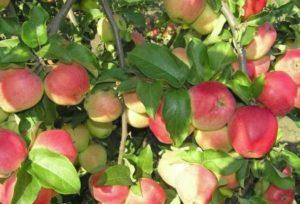
Flower beetles attack the flower buds of fruit crops. These pests can damage apple and cherry trees. They also infest quince and pear trees. When a bud grows, the parasite pierces it and makes a small hole inside. This allows the pest to enter the bud to feed. Damaged buds can be identified by the small holes.

Flower beetles lay 50-100 eggs. The larvae mature within just 2-3 days. Eventually, they completely destroy the bud and fly out. Expecting fruit to form from such a bud is not recommended.
To completely destroy the harvest of an average tree, only 3-4 females are enough. It is quite difficult to detect a parasite at the initial stage of development. It becomes visible when the majority of the fruits cannot be saved. Therefore, it is recommended to take prompt action.
The first signs of a parasite
A sign of apple tree weevil infestation is the absence of open buds on trees during the flowering period. If the tree isn't sprayed promptly, the buds will leak. In this case, the harvest will be lost.
How to get rid of weevils quickly?
To combat weevils, it's important to choose the right treatment. This can be done using ready-made remedies or folk remedies.

Pest control using chemicals
Insecticides are considered the most effective way to control flower beetles. The most effective products include:
- Karbofos has a broad spectrum of action. It dissolves easily in water and has a distinct aroma. With frequent use, the compound can cause parasites to become addicted.
- Decis is a synthetic pyrethroid. It has a contact and stomach action. It affects the parasites' nervous system within 1 hour of application. It poses a moderate hazard to humans and does not accumulate in the soil.
- Kinmix is a concentrated emulsion. It can be used to control not only flower beetles, but also aphids, silkworm caterpillars, and leaf rollers. It is recommended to apply the product to the garden during bud break.
Mechanical method of action
If the pest population is small, they can be removed mechanically. However, if the infestation is severe, chemicals must be used.
A popular mechanical method is the use of trapping belts. These are made of dense material and attached to the tree trunk. The devices are pre-treated with insecticides.

You can also knock beetles off branches. For this, use a long stick. Wrap one end of it in cloth and then tap the tree branches with the stick. Lay plastic under the apple tree. Burn or drown any fallen pests.
Biological methods of protection
Controlling flower beetles with these methods is quite easy. It's recommended to treat the tree with a special solution. Fitoverm-M is highly effective.
Agrotechnical techniques
The key goal of agricultural practices is to increase tree resistance to diseases and pests. First and foremost, it's important to choose the right location for the orchard. Avoid nearby wild apple trees, which are often home to pests.
Traditional methods
Effective folk remedies can be used to combat parasites. Mustard, ash, and lime are all acceptable options. Laundry soap is also highly effective.
These treatments should be used during the budding period. During the rest of the year, home remedies won't produce noticeable results. To achieve a noticeable effect, treat the trees three times, 24 hours apart.

Mustard infusion is highly effective. To make it, use 3-4 tablespoons of dry mustard per 9 liters of water.
It is recommended to let the mixture steep for at least 10 hours. Spray the finished solution on the buds, crown, and trunk of the tree.
An equally effective remedy is a wood ash solution. To prepare it, mix 5 kilograms of ash with 10 liters of water. This solution can be used on tree bark and crowns. It can also be used as a spray on the soil beneath plants.
You can make a solution using laundry soap. Use one bar per 10 liters of water. Mix the ingredients thoroughly until the soap dissolves completely, and then let it sit for 4 hours. This mixture is suitable for treating apple and pear trees.
Whitewashing helps combat pests. To do this, make a lime solution using slaked lime. Mix it with water and whitewash the tree trunks. It is recommended to perform this procedure twice: in spring and fall.
Natural enemies
Birds and wasps are responsible for the destruction of flower beetles. Bird feeders are used to attract them. Flycatchers, nuthatches, and tits help control the parasites.
There are also flies and wasps that lay eggs inside the insect's body. This weakens the parasite. The wasp's offspring subsequently leave the larva's body, resulting in its death.

Preventive measures
To avoid tree blossom beetle infestation, preventative measures are recommended. To do this, follow these guidelines:
- Remove loose bark promptly. It is recommended to treat affected areas with lime solution.
- It's worth raking leaves and grass into piles and burning them. Some of the pests will burn, and the remaining ones will freeze to death without shelter.
- Dig up the tree trunk area. This will help bring the weevils to the surface.
The apple blossom beetle is considered a dangerous pest that damages fruit trees and negatively impacts their yield. Insecticides, mechanical means, and folk remedies can help control the pest.
Related posts:
 Methods for planting and propagating cherries at home
 Planting and caring for cherries, feeding and growing rules
 Rules for planting and caring for pears in open ground, how to grow them correctly
 Conditions for growing mandarin at home and rules for caring for the tree
 The best methods for growing grapes from seeds at home
 The best grape varieties for growing in the Urals, planting and care rules in summer
 Peach tree care and agricultural secrets, pest control
 Growing and caring for hazelnuts in open ground, rules for planting hazelnuts