
- The history of the selection of the Otsar plum variety
- Pros and cons of a fruitful culture
- Varietal characteristics and features of the tree
- Size and annual growth
- Fruiting
- Flowering and pollinators
- Ripening and harvesting times
- Tasting evaluation and scope of application of fruits
- What diseases are dangerous for the Ozark crop?
- Sooty mold
- Fruit rot
- Rust
- Clusterosporiasis
- Resistance to low temperatures and drought
- How to plant a tree on a plot
- Required soil composition
- Selecting and preparing a site
- Size and depth of the planting hole
- Timing and rules for planting fruit crops
- Organization of care
- Watering
- Top dressing
- Pruning stone fruits
- Loosening and mulching the tree trunk circle
- Seasonal treatments
- Methods of reproduction
- Gardeners' reviews of the Otsark variety
Ozark Premier is a plum bred in the United States. It was developed from the Metli and Burbank varieties. This allowed the plant to be grown in virtually any climate. Its flavor and nutritional qualities have made it a popular choice for home gardens. However, there are a number of nuances and rules that must be followed when growing a seedling.
The history of the selection of the Otsar plum variety
The Ozark variety originates from Missouri, USA. It was created by crossing two varieties: Burbank and Metley. These are the ancestors of the Japanese plum. An important feature of this cross is that the resulting variety incorporates the best qualities of its predecessors.
Pros and cons of a fruitful culture
Hardiness and productivity are the hallmarks of the Ozark plum. Furthermore, the fruit has excellent shelf life and can ripen further after harvesting. This improves shelf life and facilitates transportation.
A relative disadvantage is that in order to achieve a high yield, it is necessary to plant pollinators.
Important! Despite its frost resistance, warm regions will be favorable for growing this crop.
Harsh climatic conditions increase the risk of tree freezing.
Varietal characteristics and features of the tree
The gene structure of Ozark Premier has undergone a number of changes, which is why this early-ripening hybrid has many distinctive features.
Size and annual growth
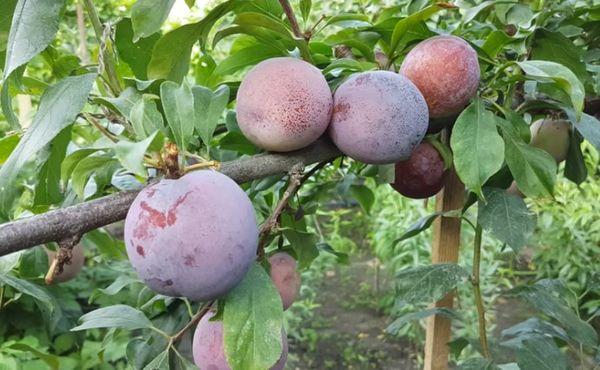
Ozark Premier (some sources call it Ozark) is a hybrid plant with an early flowering season (mid-May). The tree grows to a medium size. The foliage is glossy and dark green. At nine years of age, the plant produces up to 60 kilograms of fruit per season.
Fruiting
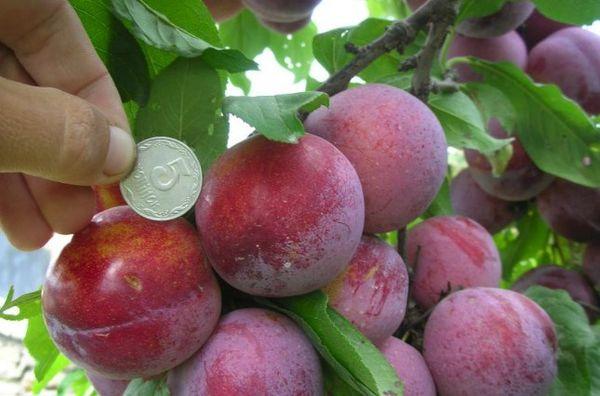
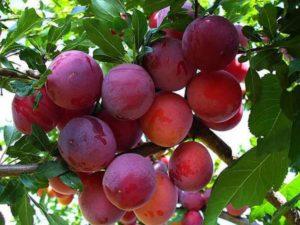
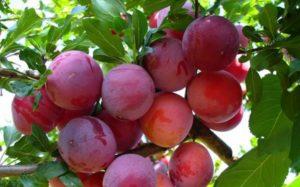
In the third year, the plum tree begins to bear fruit. Ripe fruits are dark red with a blush and a firm skin. They weigh between 100 and 110 grams. The fruit has aromatic flesh with a soft consistency.
Flowering and pollinators
The Ozark Premier plum is self-sterile and requires additional pollination. It should be planted alongside other plum trees (Satsuma or Santa Rosa).
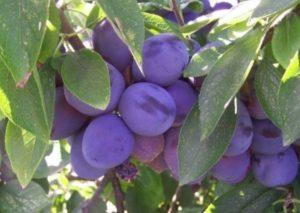
In May, the tree begins to produce snow-white inflorescences, collected in bunches of 2-3 pieces.
Ripening and harvesting times
Because the Ozark plum hybrid is early ripening, harvesting begins in mid-July. The fruits ripen gradually. After being picked from the tree, they can be stored in wooden or plastic containers to ripen further, if necessary.
Tasting evaluation and scope of application of fruits
The sweet, tart flavor will satisfy even the most discerning palates. The fruit's delicate pulp is used to make jams and compotes. It can also be used as a filling in confectionery.
What diseases are dangerous for the Ozark crop?
A disadvantage of the Ozark Premier hybrid plant is its susceptibility to various diseases. These can pose a threat not only to the future harvest but also to the tree itself.
Sooty mold
The main cause of this disease is excessive soil moisture. The black coating that appears on the tree's leaves and branches blocks oxygen, making photosynthesis impossible. To eliminate this disease, treat the root system with a copper-soap solution. It is prepared according to the following recipe:
- 5 grams of copper sulfate are dissolved in 10 liters of settled water;
- Add 150 grams of laundry soap and mix thoroughly.
Fruit rot
The following symptoms are characteristic of this disease:
- Brown spots appear on the fruit, rapidly increasing in size due to increased humidity.
- Spores in the form of grey pads are formed on the surface of the fruit.
Important to know! Windy weather promotes rapid disease spread.
To save a plum tree from fruit rot, it is necessary to collect the spoiled fruits (and then dispose of them) and treat the tree with Bordeaux mixture.
Rust
As the disease progresses, the following symptoms appear:
- Rusty spots appear on the outer surface of the leaves. They have a raised shape.
- The tree begins to wither. Its leaves fall prematurely.
The first negative manifestations suggest the use of copper oxychloride (40 grams of dry matter per 5 liters of water).
On average, 3 liters of the prepared solution are needed to treat one tree.
Clusterosporiasis
The disease begins with the appearance of brown spots on the tree bark. A dark border forms around these spots. Holes and a white coating appear on the tree's leaf blades.
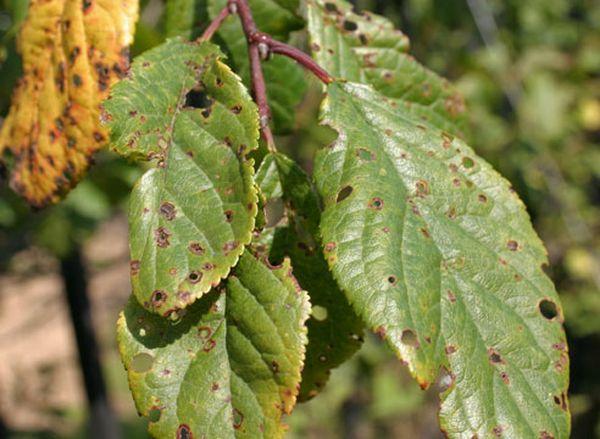
If such a disease is detected, it is necessary to remove the infected bark and then treat it with garden pitch. Treatment with a 1% Bordeaux mixture or copper oxychloride solution is also recommended.
Resistance to low temperatures and drought
Both insufficient and excessive moisture negatively impact the growth of the Ozark Premier plum variety. Three irrigation sessions are recommended throughout the season. Despite their frost resistance, young trees require additional wrapping during cold weather.
How to plant a tree on a plot
The health of the future tree, its fruiting, and its yield depend on how correctly the seedling is planted. Therefore, gardeners consider the following factors:
- soil composition;
- choice of location;
- depth of the hole for planting crops;
- compliance with the norms and rules for planting plums.
Required soil composition
Light, well-drained soil is suitable for this hybrid plum variety. The soil should not be acidic, as this will reduce fruiting. A solution of slaked lime, chalk, or dolomite flour will help optimize soil health.
The soil mixture should include the following components:
- humus;
- wood ash;
- phosphate fertilizers and ammonium nitrate;
- gravel and river sand.
Selecting and preparing a site
When planting the hybrid Ozark variety, one- or two-year-old seedlings should be used. The planting site should be chosen so that shade from other trees does not block sufficient sunlight, which should reach the young seedling. Soil conditions should also be considered. It is recommended to avoid planting sites with close groundwater levels.
Size and depth of the planting hole
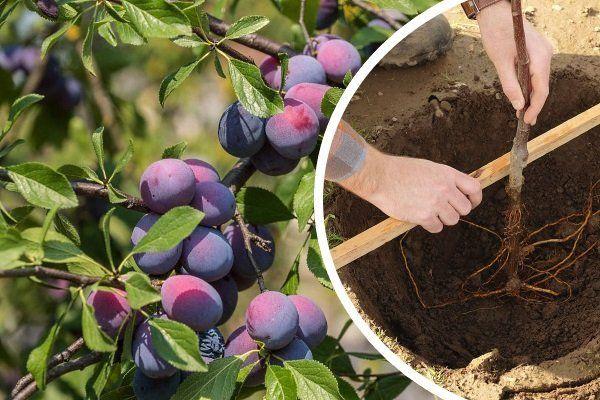
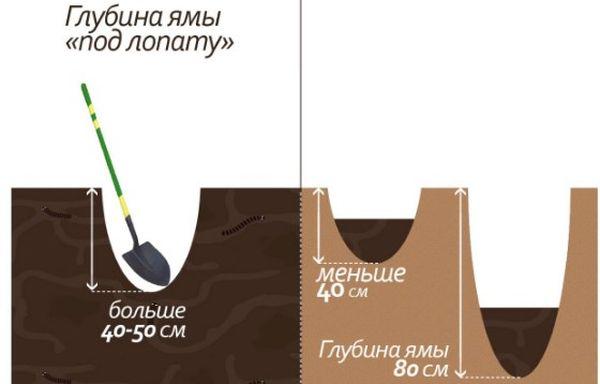
The optimal hole size, both in depth and width, should not exceed 60 centimeters. Before filling the hole with soil, spread the roots, and install a stake on the north side of the plant. This stake is used to support the young seedling. It's important that the root collar remains 5 cm above ground level during planting.
The minimum distance between trees should be within 3 meters.
Timing and rules for planting fruit crops
To ensure a successful tree establishment and a high yield, it's best to plant a sapling in the spring. It's best to dig the hole for the tree in advance (in the fall). If for any reason trees are planted in the fall, gardeners recommend digging the hole two weeks before planting.
Organization of care
To grow a healthy tree with a high yield, it is necessary to:
- watering the plant;
- provide fertilizing and pruning;
- carry out loosening, mulching and seasonal processing.
Watering
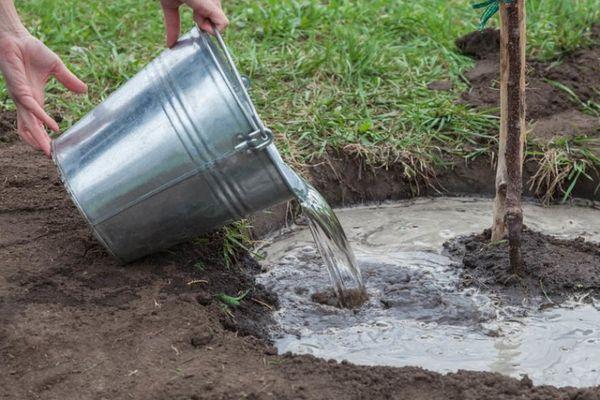
Watering intensity depends on the season. In spring, up to 5 liters of water are applied to the plant. When the fruit matures (June and July), the amount of water increases to 7 buckets. In autumn, a moisture-replenishing watering (up to 15 buckets) is necessary.
Top dressing
The Ozark plum responds positively to fertilization. This should be done starting in the third year of the plant's life. Organic fertilizers (compost or rotted manure) are best. They are applied in the spring or fall. Mineral fertilizers (phosphorus and potassium) are applied three times per season: during flowering, two weeks after flowering, and during fruiting.
Pruning stone fruits
To properly shape the tree's crown, the first pruning is performed immediately after planting. The central trunk is shortened to 60 centimeters. The central trunk is pruned again by 15 centimeters in the second year, and the lateral shoots are shortened by a third of their length. It is advisable to leave 3 to 4 strong branches on the first tier. A year later, the second tier is formed, leaving 2 to 3 large branches.
Loosening and mulching the tree trunk circle
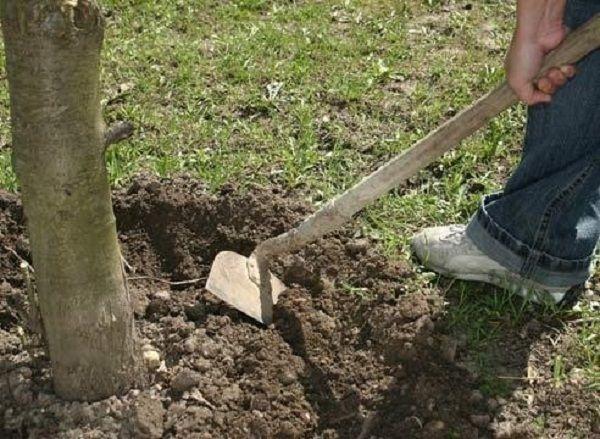
Loosening the soil improves moisture and oxygen access to the tree's roots. This should be done after watering, two or three days later. Removing weeds from the tree's trunk area will help prevent disease.
Seasonal treatments
In March, after sanitary pruning, the tree is sprayed with copper-containing preparations. A second spraying is performed during flowering. This is because the flowers attract many pests (codling moths and spider mites). After flowering, the trees are treated not only for pests but also for diseases that cause foliar damage.
In summer, it is recommended to carry out treatments aimed at destroying fungal diseases, fruit rot and scab.
Methods of reproduction
Propagation by cuttings is the most common method for growing the Ozark plum, used even by novice gardeners. Propagation can also be done by root suckers, layering, or seedlings. In the latter case, the plant is used for grafting cultivars.
Gardeners' reviews of the Otsark variety
According to both novice and professional gardeners, the Ozark plum thrives in garden plots. It produces delicious fruit and, with proper care, yields a good harvest. Its main drawback is its susceptibility to disease, necessitating careful maintenance and preventative measures.
Proper care of the seedling will allow even the most amateur gardener to reap a bountiful plum harvest. The key is to follow the rules for feeding, watering, and seasonal treatment.
Related posts:
 How to plant walnuts, care for them, and grow them at home
 Peach tree care and agricultural secrets, pest control
 Description of the Red Early apple tree variety, agricultural technology and specific care
 Growing and caring for almonds, planting and pruning rules at home
 How to prune walnut trees in spring, summer, and fall
 How to plant grapes step by step, with a description of the process and care
 Description and cultivation of the Skorospelka pear variety from Michurinsk
 Description and characteristics of the Svetlyachok plum variety, the intricacies of cultivation