
- Features of the region
- Recommended varieties for growing
- Ariadne
- Bryanochka
- Veda
- Gronkovaya
- Iput
- Large-fruited
- Ovstuzhenka
- Odrinka
- Orlovskaya pink
- Poetry
- Jealousy
- Tyutchevka
- Fatezh
- Cheryomaschnaya
- In memory of Astakhov
- Teremoshka
- Annushka
- Bull's Heart
- Vasilisa
- Black Daibera
- Drogana Yellow
- Drozdovskaya
- Leningrad Black
- Recommendations by region
- Eastern Siberia
- Adelina
- Bryansk Pink
- Valery Chkalov
- Astakhov's favorite
- Rechitsa
- Homeland
- Fairy tale
- Western
- Zhurba
- Cordia
- Surprise
- Pink pearl
- Symphony
- How to plant
- Requirements for the location
- Recommended timeframes
- Selection and preparation of planting material
- What kind of soil is needed?
- Planting diagram
- Care Features
- Trimming
- Top dressing
- Watering mode
- Crown formation
- One-tier bowl
- Tiered-sparse form
- The slate method
- Dog rose
- Preparing for winter
- Protection from rodents
- Protection from diseases and pests
- Common mistakes
Despite the difficult climatic conditions, planting and caring for cherries In Siberia, this is possible. However, it's a challenging task that requires patience, skill, and constant monitoring of the tree. The choice of variety is also important—it's best to purchase seedlings only from reputable nurseries. It's best to plant two or three trees at a time, spaced at least four meters apart.
Features of the region
Siberia is not very suitable for growing cherries for the following reasons:
- short summer;
- long and harsh winter;
- threats of recurrent frosts in spring;
- the likelihood of early frosts in autumn;
- lack of sufficient precipitation.
However, in the southern regions of Siberia (steppe and forest-steppe zones), there are various types of chernozem soils that are highly fertile. Because of this, growing winter-hardy cherry varieties is possible with proper care.
Recommended varieties for growing
Several winter-hardy varieties are suitable for growing cherries in the Siberian region.
Ariadne
A domestic variety. The tree has a pyramidal crown, grows vigorously, and the trunks are strong. The fruits are medium-sized, juicy, and sweet (5 out of 5). It is highly winter-hardy.
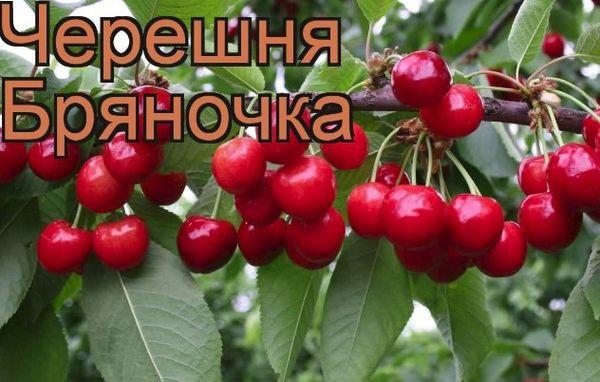
Bryanochka
The tree is medium-sized, with a sparse crown. The fruit is medium-sized, sweet, and tasty (4.7 points). It is highly frost-resistant.
Veda
A domestic variety with large fruits (average weight – 5 g). The crown is medium-height, up to 2.5 m. Flowering is late, in late May. Tolerates temperatures down to -30°C. OWITH.
Gronkovaya
A tall tree (up to 5 m). The fruits are juicy and tasty (4.8). It is distinguished by high winter hardiness.
Iput
An early-ripening cherry tree with a tall crown (4-5 m). The drupes are large, weighing up to 6.3 g. Flavor quality is rated 4-4.5 points. Excellent resistance to freezing temperatures.
Large-fruited
A tree with a spherical crown up to 5 m in height. It is frost-resistant (up to -25 OC). The taste of the fruit is dessert-like, sweet (4.6).

Ovstuzhenka
The tree grows quickly and is small in size. Drupes weigh 4.2-4.5 g, with normal flavor (4.2). Frost resistance is high (down to -45 OWITH).
Odrinka
A medium-sized variety producing small fruits with excellent taste (4.7). Average frost resistance – down to -20 OWITH.
Orlovskaya pink
The crown height is up to 3.5 m, the fruits are tasty (4.4). Resistance to sub-zero temperatures is average.
Poetry
The tree is the same height, the pulp taste is rated excellent (4.8). Winter hardiness is average.
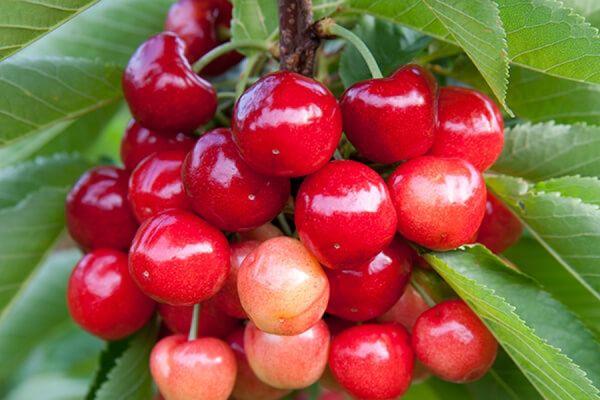
Jealousy
A medium-height variety with very tasty fruits (4.9). It is quite frost-resistant.
Tyutchevka
The crown is sparse, the height is 3-4 m. The fruits are very tasty (4.9). Frost resistance is good.
Fatezh
The crown grows up to 5 m, the berries weigh up to 6 g, the flesh is juicy and tasty (4.7). The level of winter hardiness is average.
Cheryomaschnaya
This early-ripening variety has a tall tree (up to 5 m) and produces good-quality fruit (4.4). Its tolerance to low temperatures is above average.
In memory of Astakhov
The crown grows up to 4 m, the pulp is estimated at 4.8. High resistance to sub-zero temperatures.

Teremoshka
A low-growing tree with excellent quality fruit (4.7). It is characterized by average winter hardiness.
Annushka
The tree is tall and produces tasty fruit. It has average tolerance to low temperatures.
Bull's Heart
This variety produces large, excellent-quality fruits (the highest rating is 5). Its resistance to freezing temperatures is above average.
Vasilisa
This variety is distinguished by its particularly large fruits (weight up to 14 g) of excellent quality (4.9). Frost resistance is average.
Black Daibera
Fruits are medium-sized with good taste qualities (4.5). Winter hardiness is good (up to -24 OWITH).

Drogana Yellow
A tall tree that produces good fruit (4.3). It has fairly good resistance to freezing temperatures.
Drozdovskaya
The tree is of medium height (3.5 m) with good fruits (4.1). High frost resistance.
Leningrad Black
The tree grows up to 4 m tall, with a wide crown. Fruit is of good quality (4.2). It is highly resistant to winter temperatures.
Recommendations by region
The climate of Eastern Siberia is more severe, so the selection of varieties must be made in accordance with the climatic characteristics of a particular region.
Eastern Siberia
The following varieties are suitable for cultivation in Eastern Siberia.
Adelina
Winter hardiness is average, and the tree itself tolerates sub-zero temperatures well, but the buds freeze.

Bryansk Pink
One of the most resilient varieties, it tolerates winters well. It also boasts good resistance to fungal diseases.
Valery Chkalov
Increased frost resistance - if the temperature drops to -25 OMost buds will freeze, but 30% will survive. The variety produces large fruits with excellent flavor.
Astakhov's favorite
Cherry trees are highly resistant to low temperatures, but they should be planted in places protected from the wind.
Rechitsa
It has high winter hardiness and increased resistance to diseases. Even during severe frosts, the wood freezes only on the surface. During spring frosts, up to 5% of the total number of ovaries perishes.

Homeland
Tolerates temperatures down to -30 OC. It is also resistant to fungal infections.
Fairy tale
Tolerates negative temperatures down to -25 OC. However, the plant is strongly affected by night frosts during the warm season – due to low temperatures, the buds fall off.
Western
For cultivation in Western Siberia, you can choose the following varieties.
Zhurba
A productive variety with large berries up to 6.5 g. Above-average winter hardiness. Resistant to fungal diseases.
Cordia
Mature trees are characterized by average frost resistance (up to -25 OC). If the cold snap is prolonged, a large number of buds are damaged. Flowers fall off due to the drop in temperature in May.

Surprise
It is characterized by average winter hardiness and does not tolerate cold drafts. It produces very large fruits of oval or elongated shapes.
Pink pearl
A medium-sized tree producing large fruits. It is highly winter-hardy, and flower buds remain intact even during prolonged frosts.
Symphony
An early-ripening variety that begins yielding fruit in its fifth year. Highly resistant to low temperatures.
How to plant
You should prepare for planting very carefully, since cherry trees are very demanding in terms of care.
Requirements for the location
The location must meet the following requirements:
- The soil is fertile (the ground should not be clayey or sandy).
- Full illumination from all sides.
- No wind or even slight drafts.
- The proximity of cherry tree plantings is an additional advantage. Pollen will reach both plants, as they are cross-pollinated.

Recommended timeframes
For planting, choose one of two seasons:
- Spring is for the Urals and Siberia.
- Autumn is for regions with a milder climate.
The main criterion is the daytime temperature, which should not fall below 18-20 OC. Night frosts are also undesirable when the air cools down to 13 OC and below. The soil must be completely warmed up, and the threat of recurrent frosts must be minimal.

Selection and preparation of planting material
Purchase seedlings from a reputable nursery. It's advisable to grow different varieties in the same plot to ensure better cross-pollination and increased yield. Seedling requirements:
- Age 1-2 years.
- Height from 70 cm to 1 m.
- Healthy appearance, no damage.
- Availability of vaccinations.
- A large number of shoots.
- The roots are healthy, not dry.
What kind of soil is needed?
The soil should be fertile, not clayey or sandy, loose, not heavy, and not saline. The pH should be neutral (a slight deviation from 6.6 to 7.1 is acceptable). However, the humus layer may be thin, allowing cherry trees to thrive in these conditions. Over-watering of the soil is highly undesirable.

Planting diagram
Two or three trees are planted per plot, as they produce much more fruit thanks to their neighbors. Saving space is unacceptable – the planting pattern should be as follows:
- The interval between trees is not less than 4-5 m.
- If the crown shape is columnar, the interval can be reduced to 2-3 m.
- The hole is prepared 15 days before planting. It should be 80 cm deep and 1 m wide.
Fertilizer (compost, wood ash, superphosphate) is placed on the bottom, then the seedling is placed and covered with soil, compacting it lightly. This will create a raised mound (30-40 cm) above the ground. After two weeks, the soil will settle, and nothing will remain of the "mound."
Care Features
Cherries require careful care—it's important to maintain proper watering, fertilizing, and pruning regularly, among other things.
Trimming
Pruning is carried out during each season:
- In winter, only rejuvenating pruning is done (old shoots are removed), preferably in March.
- In spring, the procedure is carried out before the buds swell. It begins in April: the crown is formed into two tiers (the first with 7-8 branches, the second with 2-3). All shoots damaged during the winter are removed.
- In summer, the pinching method is used. Pruning is done after flowering has ended, but before fruit has formed. The technique is simple: pinching the tips encourages the tree to grow in the desired direction.
- It's best to prune before mid-September to allow the cuts to heal. Thin out the shoots, again removing old, dry branches. One-year-old branches are shortened by approximately 30%.

Top dressing
During the first season, the tree will benefit from the fertilizer added to the planting hole. Subsequently, the fertilizing schedule is as follows:
- Nitrogen fertilizers – 120 g of urea are scattered around the trunk (April).
- 3 urea feedings (25 g per 10 l) at intervals of 10 days (May-June).
- The plan of action next season is the same.
- In the 4th year, scatter 170 g of urea and water (April).
- In July, scatter 350 g of superphosphate and 150 g of potassium sulfate and water again.
Watering mode
The tree requires watering, but avoid overwatering the soil. Cherry trees are typically watered three times per season:
- Before flowering – several times (total volume 20 l).
- In summer, water regularly, especially during periods of drought.
- In mid-autumn – watering together with fertilizers.
Crown formation
The crown of a tree is formed in different ways.

One-tier bowl
To achieve this, create conditions where shoots grow at a 45-degree angle. On each young shoot, leave 4-5 buds, which will give rise to a new level. The tree grows well, but it's important to provide support for the lateral parts of the crown in advance.
Tiered-sparse form
This form is achieved over the course of five years. During this time, excess shoots are pruned annually, leaving three strong branches in each tier. Broken and diseased shoots are removed at the same time. The interval between tiers is 50 cm. The result is a crown consisting of several sparse tiers.
The slate method
This method is well known, but less commonly used. The seedling is spread along the soil at an angle of 30-40 degrees, with the top facing south. The trunk is pressed to the ground in July and secured at a height of 14 cm with hooks. Then, throughout each season, the young branches are oriented toward available space so they grow evenly.
The slanted shape allows for maximum light and protects against frost and wind.
Dog rose
Growing even winter-hardy cherries in Siberia is difficult, as temperatures drop below -30 degrees Celsius every winter. OTherefore, experienced gardeners recommend thoroughly preparing for this process and conducting a preliminary inspection. If you plant dog rose in the area first, and it eventually bears fruit, then you can grow cherries. Otherwise, the tree may not take root.

Preparing for winter
Winter shelter is essential. Preparation consists of several stages:
- Preliminary pruning of old, dry, damaged shoots.
- Bending branches to the ground.
- Covering with film
- Protection with spruce (laid on top).
Snow will be the primary insulator—a minimum layer of 30-40 cm. Otherwise, additional insulation measures will be needed (burlap, agrofibre—these materials are secured with earthen fill).
Protection from rodents
The base of the trunk is lined with spruce for the winter (the needles should be exposed). Pieces of black rubber are also placed nearby; the smell repels rodents. However, the most reliable method is to wrap the trunks with plastic mesh, available at specialty stores.
Protection from diseases and pests
Cherries are susceptible to fungal and bacterial diseases, as well as insect infestations. Prevention:
- Conduct regular autumn pruning.
- Whitewash the trunks in spring.
- Remove all drying branches at once.
- When working with garden tools, always disinfect them.
- Spray Bordeaux mixture and other agents.
- If pests are detected, treat with insecticides.
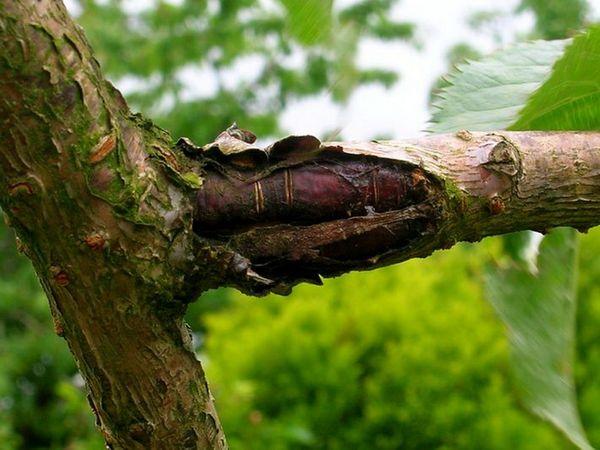
Common mistakes
Experience among gardeners suggests that the same mistakes are made when cultivating cherries in Siberia:
- Choosing the wrong variety – it is important to obtain accurate information about winter hardiness and learn the rules for growing a tree.
- Ungrafted seedling.
- Lack of a pollinator variety (another cherry variety, cherry) – in this case, the tree will not bear fruit.
- Excess moisture, violation of the feeding regime and other care rules.
- Weak winter cover is better to be on the safe side, as temperatures in Siberia can drop to -40°C in any season. OC and below.
Growing cherries in Siberia is possible. However, the most winter-hardy varieties are selected, especially for the eastern regions with harsh winters.
To obtain a stable harvest, a pollinator plant is planted nearby (the simplest option is several cherry bushes).
Related posts:
 Descriptions of the 20 best cherry varieties for the Moscow region, their planting and care
 Description and characteristics of the 27 best plum varieties for the Urals, planting and care
 Description and cultivation of the 15 best cherry plum varieties for the Moscow region, planting and care rules
 Description of the 30 best plum varieties for the Moscow region, planting and care
 Description of the 25 best cherry varieties for the Urals and Siberia, planting and care in open ground
 Description and characteristics of the 45 best pear varieties, how to choose
 The best grape varieties for growing in the Urals, planting and care rules in summer
 How to plant walnuts, care for them, and grow them at home