
- Description of signs of damage
- Causes of aphid appearance
- The area is heavily infested with weeds
- Ants on leaves
- The tree is very weakened
- Methods of combating aphids on trees
- Treat with chemicals
- Biological substances
- How to get rid of it using folk methods
- Soda ash solution
- Ash
- Garlic
- Celandine
- Soap solution
- How to process correctly
- Prevention
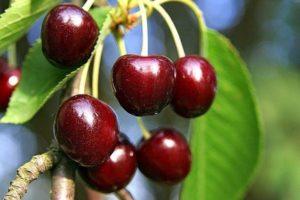
The yield, flavor, and size of the fruit directly depend on the health of the plants. Unfortunately, every year, more and more pests attack gardens and vegetable plots, ruining the efforts of gardeners to achieve a bountiful harvest. Fruit trees are no exception, so gardeners must know how to prevent aphids from appearing on their beloved cherry trees and how to deal with them if they do.
Description of signs of damage
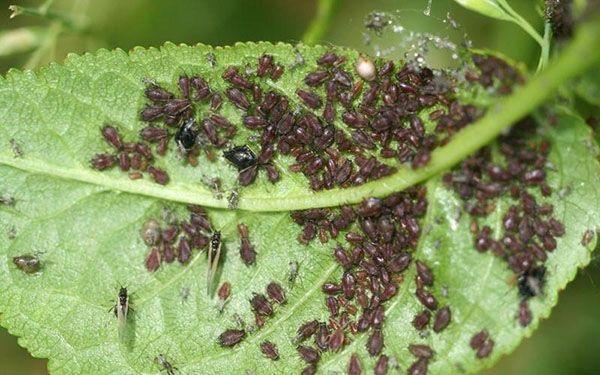
Adult aphids measure 1.5-2.5 centimeters, and they reproduce rapidly and regularly. They lay eggs in the most vulnerable, soft parts of the tree. Up to 50 colonies can form in a single season. Aphids are a dangerous pest for cherry trees, capable of causing significant damage.
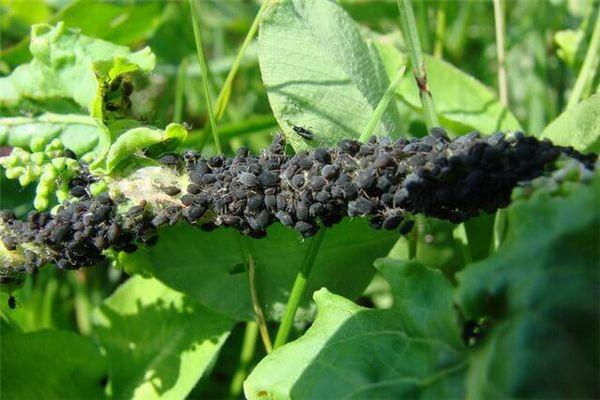
The pest sucks plant sap, and the sticky milk it produces prevents the foliage from breathing. Infestations most often appear on leaves, soft, green stems, as well as flowers and buds.
As a result, numerous swellings appear on the foliage, which curls and stops photosynthesis. The tips of the shoots themselves and young, non-woody twigs begin to wilt and droop. Another sign of aphid infestation is foliage that becomes strongly reflective in the sun, glossy, and sticky to the touch, with dense clusters of small black or green insects visible on the underside.
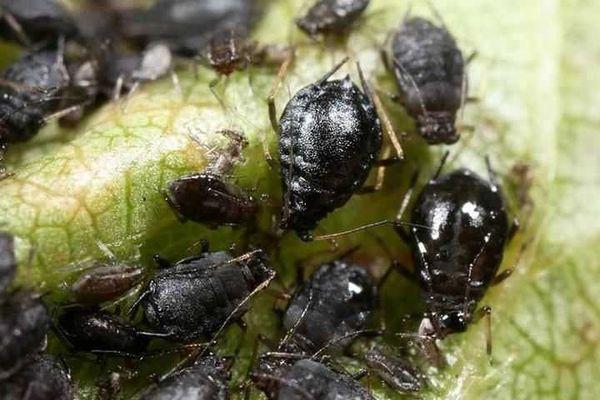
When aphids damage buds and flowers, they wither before they have time to set fruit. Trees are significantly stunted, and severe infestation of young seedlings can lead to their complete death. Among other things, it is a carrier of many diseases, including viruses that are dangerous to plants. And through the wounds caused by aphids, pathogens of various diseases can enter the plant.
Causes of aphid appearance
This pest doesn't appear spontaneously. There are several factors that contribute to the appearance of aphids on trees.
The area is heavily infested with weeds
An overgrown, unkempt plot is an ideal breeding ground for a variety of pests and diseases. Aphids are no exception: in autumn, they lay eggs on weeds, and in the spring, the young, hungry aphids attack the cherry trees. Furthermore, weeds drain nutrients from the soil, crushing cultivated plants, which ultimately weakens them and makes them less able to resist the pests.
Ants on leaves
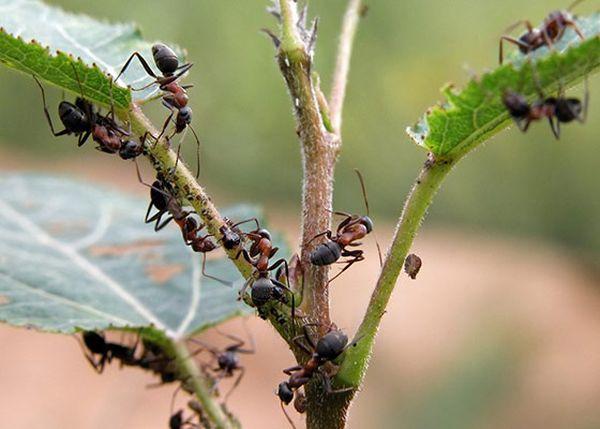
The appearance of ants on trees should alert gardeners to an aphid infestation. In the fall, they hide aphid eggs in the soil, and with the arrival of spring, they begin bringing them to the surface, searching for food sources for a future colony. Cherry trees are ideal for this. These insects form a symbiotic relationship: the aphids secrete a sweet milky substance that the ants feed on. The ants, in turn, "herd" the aphids and protect them from attacks from other insects.
The tree is very weakened
Young, frail, and diseased trees are more susceptible to aphid attacks than others. The tree simply doesn't have the strength to resist the pests that suck out its lifeblood.
Poor nutrition, poor soil, and infrequent watering negatively impact the plant's health and resistance to pests. Severe aphid infestations often lead to the plant's death.
Methods of combating aphids on trees
A variety of control methods have been developed to combat such a common and dangerous pest as aphids. These include spraying with insecticides, biological products, and various folk remedies.
Treat with chemicals
The most effective aphid control measures are foliar treatments with plant protection products, specifically insecticides. For better foliar coverage, reduced consumption, and greater effectiveness, use a tank-mixed adhesive with the chemicals.
Depending on the extent of the infestation and the number of pests, the number of treatments ranges from 1 to 3. The following products have proven effective:
- Engio;
- Aktara;
- Fastak;
- Match;
- Aklellik.
Biological substances
Modern biological products are no less effective than chemical ones. The main thing is to ensure that the expiration date is not expired and that the instructions are strictly followed when treating plants.
The advantage of biological products is that they can be applied at any time of the season, even immediately before harvesting. It's especially important to use biological products if there are children or pets in the area, as they could be poisoned by traditional insecticides.
Take a look Also
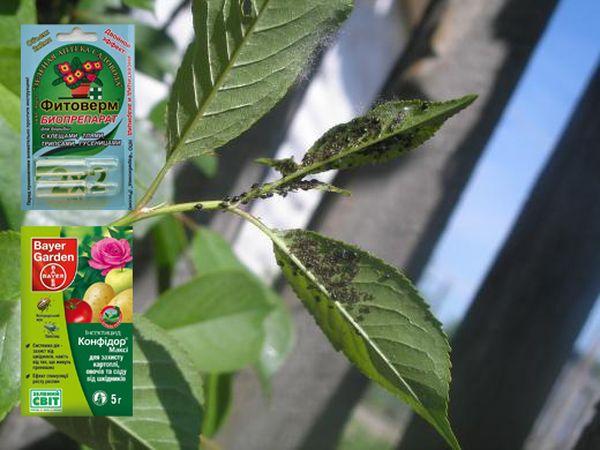
To combat aphids use:
- Fitoverm;
- Actofit;
- Nemabact;
- Lepitocide;
- Bitoxybacillin.
How to get rid of it using folk methods
Every year, more and more summer residents and gardeners are embracing a healthy lifestyle. And, of course, the use of chemicals when treating plants is becoming absolutely unacceptable. Some opt for biological products, while others are staunch supporters of folk remedies.
Moreover, it's much cheaper than buying brand-name chemicals. And, of course, you can treat plants suddenly attacked by pests at any time, without wasting time on a trip to the local grocery store. Moreover, the products used are often readily available in any home.
Soda ash solution
Baking soda is an effective, proven remedy for many plant diseases and garden pests, including aphids. It has a relatively fast, but unfortunately short-lived, action. Therefore, several treatments are needed to eradicate the pest once it appears.
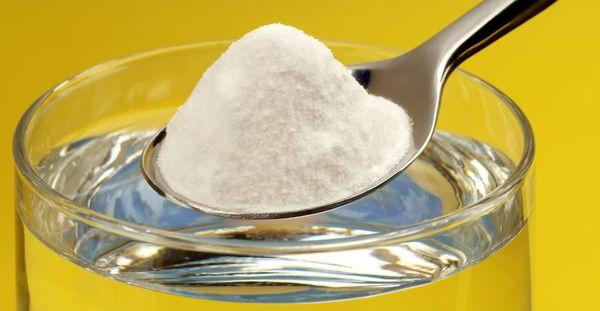
Another advantage of baking soda is its stimulating effect. To combat aphids, dissolve 4-5 tablespoons of baking soda (calcium hydroxide) in a bucket of water. Add grated laundry soap to the resulting solution as an adhesive.
Ash
This product, in addition to controlling pests, also provides potassium, an essential element for plants during flowering and fruit ripening. Moreover, the ash is used not only to kill aphids but also to prevent their occurrence.
The protective effect of treatment lasts for 2-3 weeks. Dissolve 1.5 kilograms of ash (powder) in a bucket of warm water and let it steep for 24 hours. Then strain the solution through cheesecloth and apply it to the plants.
Garlic
This effective, simple, and proven remedy grows in almost every garden. Garlic easily rids plants of many pests, including aphids. All parts of the plant can be used to combat aphids.
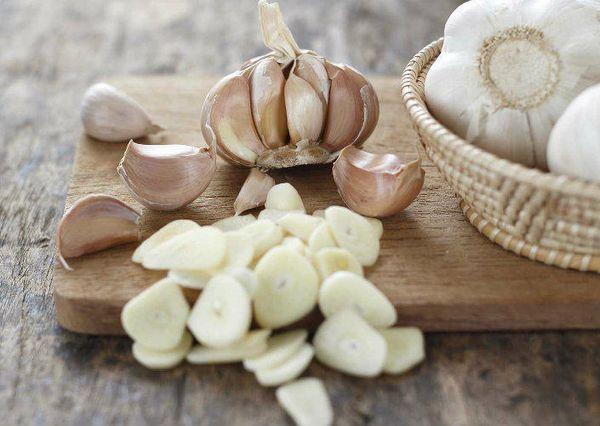
A popular solution is to combine 500 grams of garlic and 50 grams of laundry soap per 10 liters of water. Grate the garlic and let it steep in the water for several days. Then strain and add the grated soap.

Celandine
This familiar plant can also help rid cherry trees of aphids and their companions, garden ants. To combat these pests, cut celandine into small pieces and fill a fifth of a bucket. Then pour boiling water over the pieces and let them steep for half an hour. Apply the strained solution to the leaves.
Soap solution
You can also combat aphids on cherry trees with a soap solution. A solution made from tar soap is the most effective and even stimulates plant growth, but household soap also works well. To do this, grate a couple of bars of soap (about 300 grams) on a coarse grater and add 2 liters of warm water. Then, stir the solution and add the remaining 8 liters of water.
How to process correctly
Treatment should be carried out in dry, windless weather, either in the morning or evening. When working with chemicals, wear personal protective equipment (goggles, gloves, and a respirator). It's important to wet both the outer and inner surfaces of the leaves with the solution, as this is where most pests hide.
Prevention
To prevent aphid infestations, plant crops that repel them. These include garlic, marigolds, various onions, mustard, mint, and other aromatic herbs. It's also important to control garden ants that appear in the garden beds. To do this, sprinkle special dry insecticides or baking soda into the anthills. And, of course, maintaining a high soil fertility in the area and keeping the plants clean and healthy is crucial.
Related posts:
 How to control aphids on beets using folk remedies in open ground, what to treat with
 How to control aphids on cucumbers using folk remedies, what to treat and spray with
 How to control aphids on raspberries during flowering and fruiting, what to treat them with
 Causes and treatment of eggplant pests and diseases, how to combat them at home
 How to control aphids on currants using chemicals and folk remedies
 How to treat peppers for aphids, how to fight them with folk and chemical remedies
 How to control carrot flies with medications and folk remedies
 Causes of phylloxera in grapes, control measures with drugs and folk remedies