
- History of selection
- Description and characteristics of the variety
- Height of a mature tree
- Flowering and ripening period
- Productivity
- Transportability
- Drought resistance
- Frost resistance
- Applications of berries
- Pollinators
- Ovstuzhenka
- Iput
- Raditsa
- Bryansk pink
- Advantages and disadvantages
- How to plant
- Recommended timeframes
- Choosing a location
- Preparing the planting hole
- How to select and prepare planting material
- Roots
- Bark
- Kidneys
- Requirements for neighbors
- Planting diagram
- Care Features
- Watering mode
- Top dressing
- Crown formation
- Preparing for winter
- Sanitary pruning
- Weeding and loosening
- Spring processing
- Diseases and pests
- Clusterosporiasis
- Coccomycosis
- Moniliosis
- Birds
- Reproduction
- Seeds
- Cuttings
- By vaccination
- Harvesting and storage
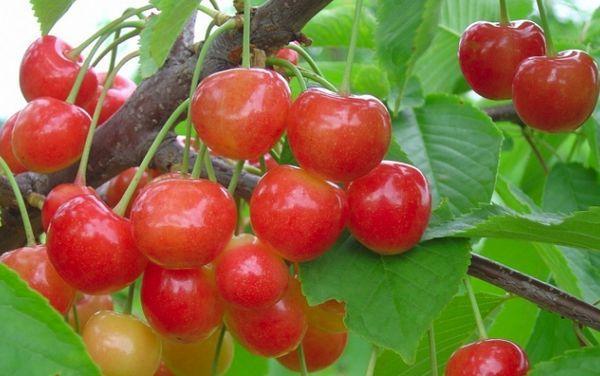
Breeders have developed many cherry varieties with varying ripening times and fruit colors. The cherry tree called Julia is a fast-growing tree with yellow-pink berries. Its ease of cultivation makes it highly sought after by gardeners. Below is information on planting and caring for the Julia cherry tree, as well as its propagation in the garden.
History of selection
The Yulia cherry is a product of Russian breeding. Breeders at the Rossoshan Experimental Station in the Voronezh Region crossed the Gin' Red and Denissena's Yellow varieties. The Yulia cherry is recommended for cultivation in the Lower Volga and Black Earth regions. The variety has been available since 1992.
Description and characteristics of the variety
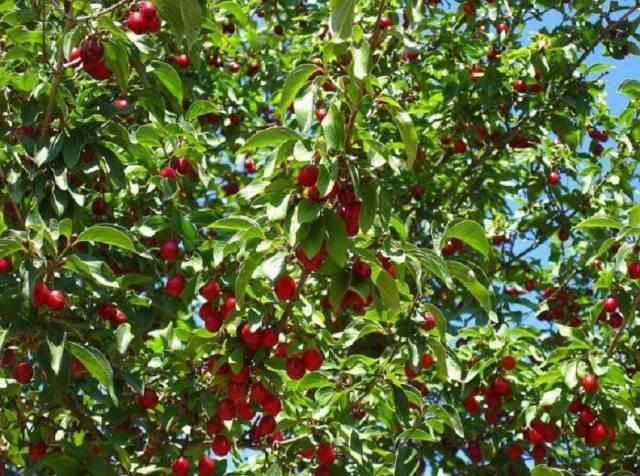
The cherry tree's crown is pyramidal, slightly spreading, and not dense. The leaves are dark green, glossy, and pointed at the tips. The bark of a young tree is gray and smooth; that of a mature tree is rough, with small longitudinal fissures.
Height of a mature tree
The Yulia cherry tree is a fast-growing tree, reaching a height of 7 meters at maturity. Some specimens reach 8 meters. It gains 100-120 centimeters each year.
Flowering and ripening period
The Yulia cherry tree blooms in April. The fruit, depending on the growing region, is harvested in June or July. The first berries ripen in the fourth year after planting.
The older the tree, the better its fruit production.
Productivity
An eight-year-old cherry tree named Yulia produces 25 kilograms of yellow-pink berries. After four years, the tree will produce 35 kilograms of sweet, slightly tart fruit. At fifteen years old, the tree will yield about 65 kilograms of delicious cherries.
Transportability
The fruit's pulp is fibrous and dense. These characteristics allow the berries to be transported over long distances without losing their marketable appearance. Proper packaging will enhance their consumer appeal.
Drought resistance
The Yulia cherry tree can easily withstand prolonged drought. However, timely watering will have a beneficial effect on the size and juiciness of the berries. Insufficient moisture causes them to shrink.
Frost resistance
The Yulia cherry tree is frost-hardy. It can withstand winter temperatures down to -34°C. However, if spring frosts return, some of the flower buds may be damaged.
Applications of berries
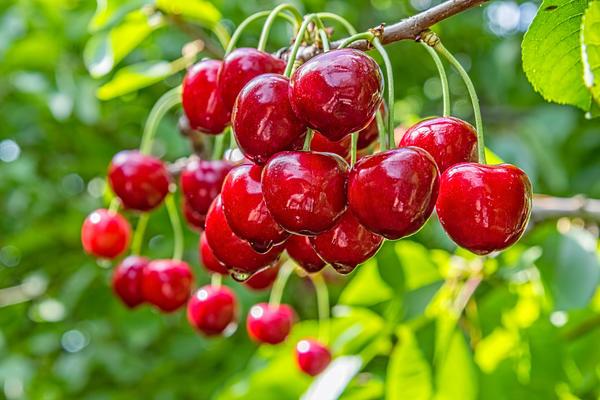
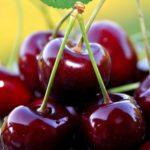
The sweet cherry flavor is sweet with a slight tartness. Tasters give it a rating of 4.4 out of 5. The berries are eaten fresh and used to make compotes and jams.
Pollinators
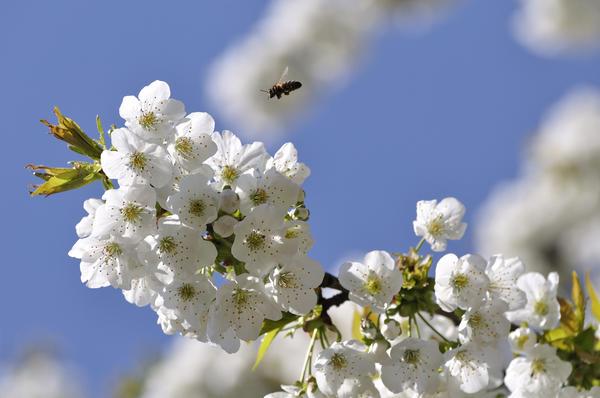
Julia is a self-sterile cherry variety. To set fruit, pollinators that bloom at roughly the same time are needed. Below are the varieties most suitable for pollination.
Ovstuzhenka
The Ovstuzhenka cherry is a low-growing variety, reaching a height of 3 meters. The fruits ripen in mid-June. They weigh 4.2-7 grams, are burgundy in color, and have a sweet flavor.
Iput
Iput cherry trees reach 3.5-4.5 meters in height. The berries are dark red, almost black, and ripen by the end of June. They weigh 5-9 grams and have a sweet, slightly tart flavor.
Raditsa
Raditsa cherry trees are medium-sized, reaching up to 4 meters in height. Fruiting begins in early June. The berries are a bright ruby color and very sweet when ripe.
Bryansk pink
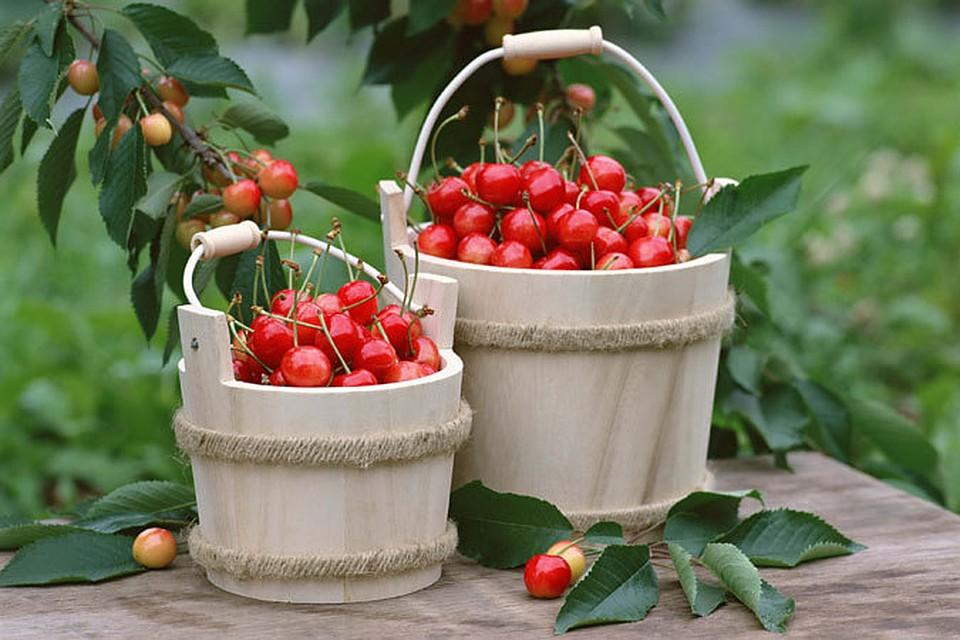
Cherry variety Bryansk pink The tree grows to 2-3 meters tall, blooming in May and bearing fruit in July. The berries are round, yellow-pink, and weigh up to 5 grams.
Please note! Pollinating varieties of the Yulia cherry tree should be located no more than 35-40 meters away from it.
Advantages and disadvantages
The positive qualities of cherries include the following characteristics:
- good winter hardiness and drought resistance;
- high marketability;
- good taste;
- excellent transportability;
- versatility of berries;
- high tree growth rate.
Negative qualities include the tall growth of the planting, which makes harvesting difficult, as well as self-sterility.
How to plant
The Yulia cherry tree can grow and bear fruit for a long time. Therefore, the planting site and seedlings are selected with particular care.
Recommended timeframes
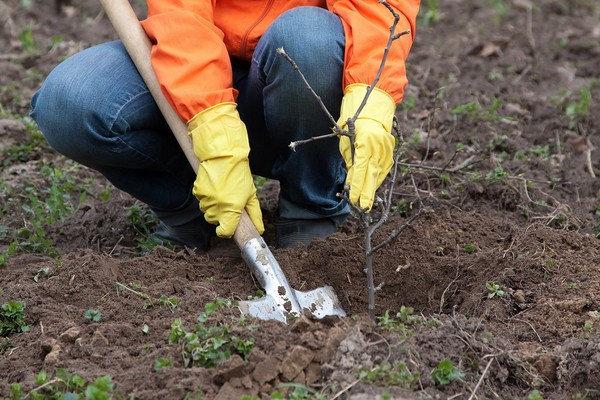
Young trees are planted in the spring, after the soil has warmed and the threat of frost has passed. They can also be planted in the fall, a month before the onset of permanent frost. For the winter, the seedlings are hilled and covered.
Choosing a location
The Julia cherry tree should be planted in a sunny location, but some shade is acceptable. The soil should be fertile, well-drained, and permeable.
At the planting site, groundwater should not come close to the soil surface.
Preparing the planting hole
The trench for planting the Yulia cherry tree is prepared in advance. Two weeks before planting, dig a hole 60 centimeters deep and in diameter. If the soil is poor, add 10 kilograms of compost. 50 grams of potassium sulfate and 120 grams of superphosphate can be added to the bottom layer of soil.

How to select and prepare planting material
Dip the seedling in a bucket of water 3-5 hours before planting. A moistened root system will establish itself more quickly and effectively in the new medium. The water should be at room temperature.
Roots
You should choose seedlings with a well-developed root system. The roots should be about 30 centimeters long.
Bark
A healthy tree has smooth, uniform bark. If it's wrinkled, it means the tree was exposed to unfavorable conditions.

Kidneys
Buds should be visible on the seedling, near the crown formation area. Flower buds range in length from 4-6 millimeters, while vegetative buds range from 6-7 millimeters.
Requirements for neighbors
Nearby trees should be planted at least 4.5 meters apart. Stone fruits, such as cherry plum, plum, and apricot, make good neighbors. The Yulia cherry tree will tolerate apple and pear trees a little less well: pome fruits should be planted 5-6 meters away.

Planting diagram
A hole measuring 60 x 60 x 60 centimeters is dug. The distance between trees should be at least 6 meters. Planting is carried out as follows:
- the seedling is placed in the middle of a ditch with prepared soil, the roots are spread out to the sides;
- a peg is driven in nearby for support;
- fill in the remaining substrate;
- compact the soil around the seedling and water it.
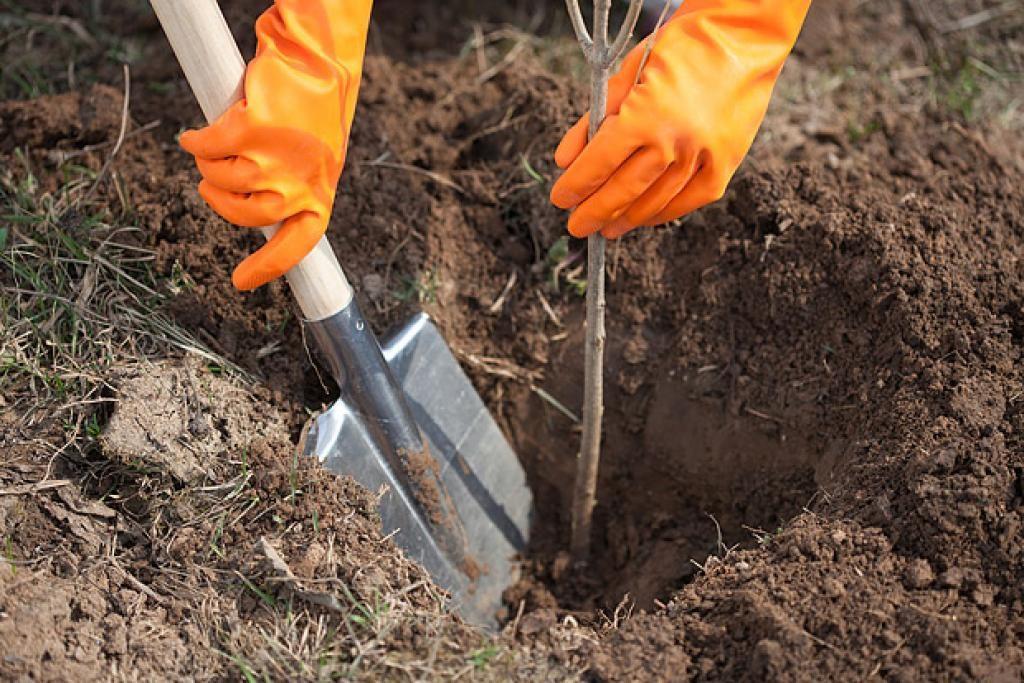
The tree trunk area is mulched. Wood shavings, pine branches, and compost are used as covering material.
Care Features
The Yulia cherry tree requires watering, fertilizing, and pruning. To prevent diseases and pests, spring treatments are carried out. Before the onset of frost, the trees are prepared for winter.
Watering mode
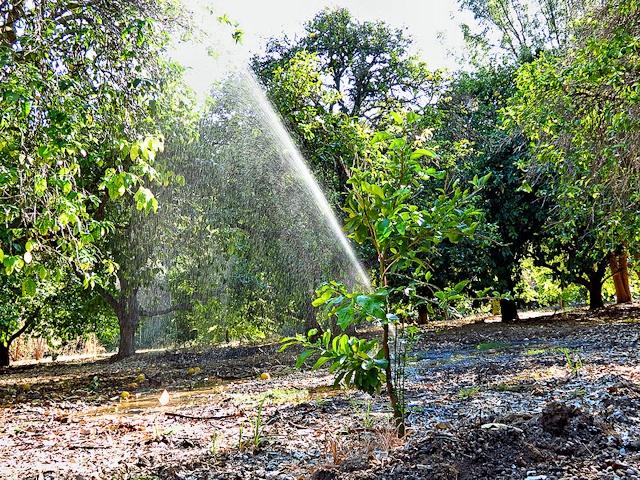
The tree is watered generously upon planting, then again a few days later. The soil is then irrigated as needed, for example during prolonged drought. To retain moisture at the roots, the area around the tree trunk is mulched.
Top dressing
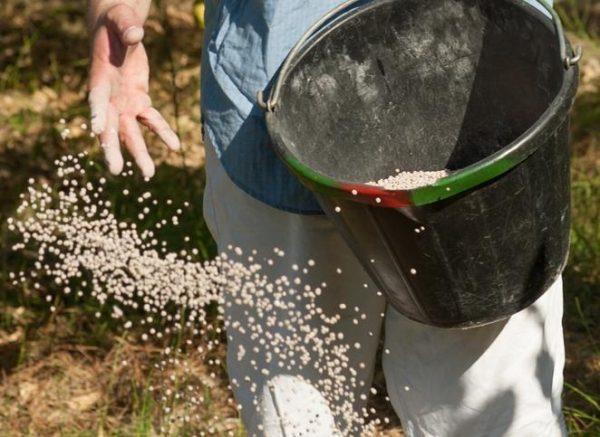
In the spring, trees are fed with nitrogen-rich fertilizers. A complex mineral fertilizer is then applied several times. In the fall, potassium-rich fertilizers, such as wood ash, are applied to boost immunity before winter.
Important! Before applying fertilizer, generously water the tree trunk area with warm water to prevent the root system from being burned by mineral salts.
Crown formation
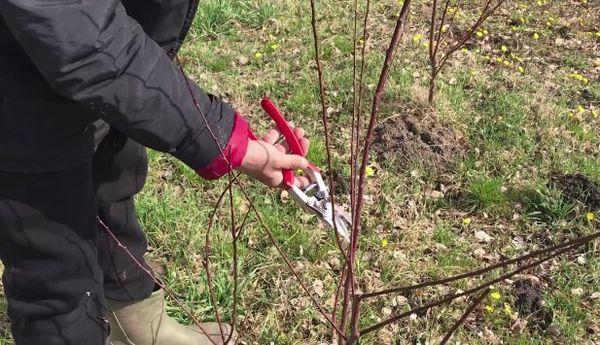
Starting in the tree's third or fourth year, it's time to shape its crown. This prevents fungal diseases and promotes a high-quality harvest. Pruning is done in late autumn, and the cuts are sealed with garden pitch.
Preparing for winter
In the fall, the tree trunks are cleared of plant debris, and the trunks are whitewashed with lime mortar. To protect against rodents, the lower parts of the plants are wrapped in fine-mesh metal mesh. At the first frost, the trees are earthed up, and young seedlings are covered.
Sanitary pruning
In the fall, remove old, diseased, and dead branches. Use a disinfected, sharp tool for this procedure. In the spring, inspect the cherry tree and trim away any frozen shoots if necessary.

Weeding and loosening
The tree trunk area is kept clean: weeds and plant debris are removed. The soil is weeded and loosened. This procedure promotes the penetration of moisture and air into the deeper layers of the soil.
Spring processing
Preventative treatments against diseases and pests are carried out several times per season, the first in the spring. For this, fungicides and insecticides are used according to the instructions. In addition, the main trunk and branches are whitewashed with a lime solution.
Diseases and pests
The Yulia cherry tree is susceptible to certain diseases and pests. Pathogenic microorganisms typically develop in excessively damp weather.
Clusterosporiasis
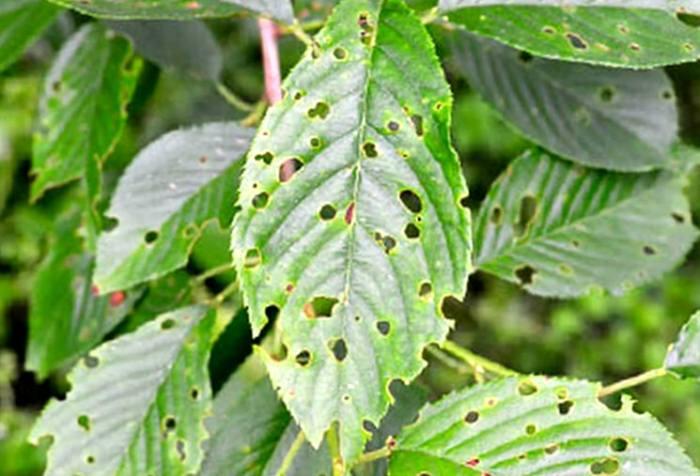
The fungal mycelium penetrates cracks and wounds on tree trunks and branches. All above-ground parts of the plant are then affected. Reddish-brown spots appear on the leaves, which then dry out and fall off. Antifungal agents are used to combat clasterosporium leaf spot.
Coccomycosis
The fungus attacks leaf blades in late May or early June. Small reddish-brown spots initially appear, then grow larger. Pathogenic microorganisms also spread to cherry fruits. Preventative spraying with fungicides is used to combat this.
Moniliosis
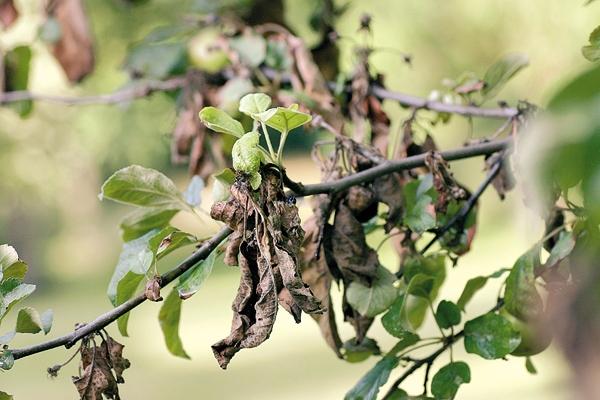
Another name for this disease is gray mold. It is caused by a fungus. It causes the leaves, flowers, and ovaries to dry out. To combat gray mold, a 3% solution of Bordeaux mixture is used. Copper sulfate and fungicides are also added to the lime solution used to whitewash trees.
Take a look Also
Birds
Feathered pests love to feast on sweet berries. Various repellents are used against them: rattles, rustling films, tape, and sound signals.
Important! Trees should be treated with chemicals in dry, windless weather..
Reproduction
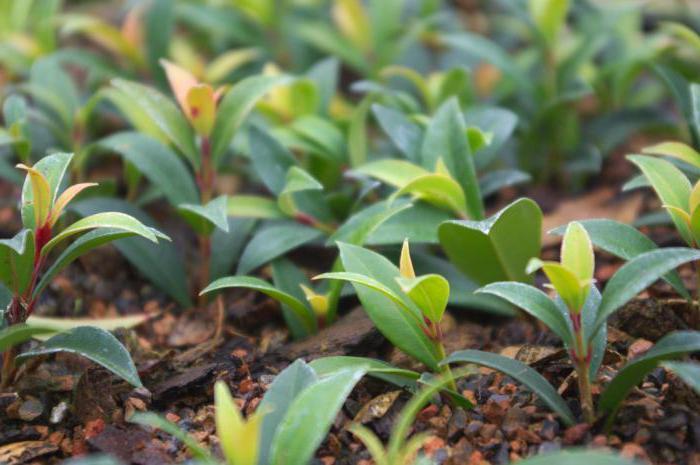
There are several ways to propagate the Julia cherry tree on your plot: by seeds, cuttings, or grafting.
Seeds
The procedure for propagation by seed is as follows:
- seeds are stored in the refrigerator for several winter months;
- in spring, furrows 2 centimeters deep are made on the plot;
- the bones are laid out at a distance of 15-20 centimeters;
- covered with a mixture of soil and humus and watered.
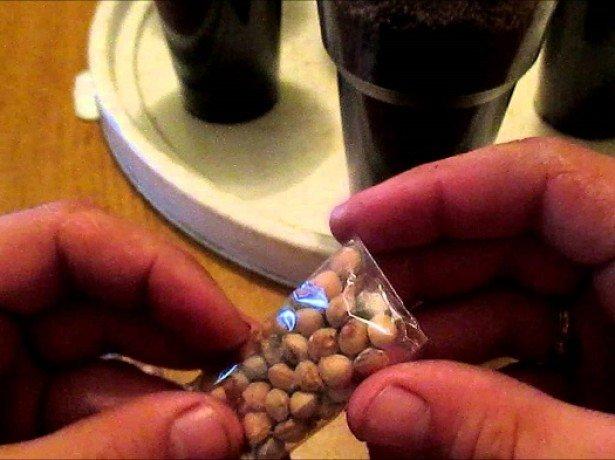
The seedlings are cared for: watered, weeded, and the soil loosened. After a year, the sprouted and strong seedlings are planted in their permanent location.
Cuttings
Propagation by cuttings is carried out as follows:
- at the beginning of summer they are cut into 15 centimeter lengths, the cuts are placed in a growth stimulator for 4-5 hours;
- planted in a greenhouse at a depth of 3-4 centimeters;
- water and mulch the soil.
The following spring, young trees are dug up and planted in a garden bed for further growth.
By vaccination
This is the best way to obtain high-quality Yulia cherry tree seedlings. It can be grafted onto plum, cherry plum, sour cherry, and other cherry varieties. One of the well-known grafting methods is used: cleft grafting, back-to-bark grafting, corner grafting, or copulation grafting. This procedure is performed from spring to fall.
Harvesting and storage
Cherries are harvested in the morning in dry weather, when the flesh is at its firmest. The petioles are retained on fruits intended for storage or transportation. This preserves the integrity of the cherries and prevents the introduction of pathogenic microorganisms.
Berries intended for storage should not be washed. Instead, damp berries should be wiped with a napkin and dried.
They are sorted, removing any rotten ones, those with peeling skin, or dents. The cherries are poured into boxes lined with paper or newspaper, to a depth of no more than 20 centimeters.
Berries can be stored in the refrigerator for 3-5 days. Freezing extends their shelf life to 8 months. Cherries can also be dried by laying them out in a single layer at a temperature of 50°C (122°F), then 70-80°C (158°F). Dried berries are stored in jars with lids or canvas bags.
Related posts:
 Planting and caring for cherries, feeding and growing rules
 The health benefits and harms of cherries, rules of consumption, and their effects on the body
 Descriptions of the 20 best cherry varieties for the Moscow region, their planting and care
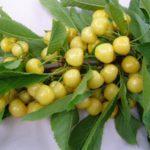 Description of the Drogana yellow cherry variety, planting and care
 Description and cultivation of the Bryansk pink cherry variety, pollinators
 Description of the best cherry varieties and cultivation in the Urals, planting and care
 Characteristics and description of the Large-fruited cherry variety, pollinators and care
 Description and characteristics of the Valery Chkalov cherry variety, planting and care