
With the arrival of warmer weather, long-awaited berries appear on store shelves. Homeowners stock up on cherries for canning or freezing. In their gardens, the harvest of home-grown cherries begins in the first months of summer. Before harvesting and purchasing the raw materials, they consider various options for preserving cherries at home.
How to harvest for long-term storage
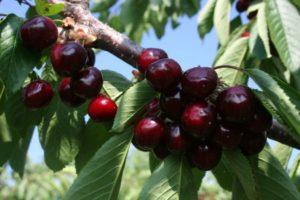
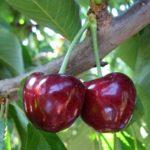
Sweet cherries are among the first to ripen in a garden plot. When harvesting, they are selected with the intended use in mind. To eat fresh, the berries are left until they reach consumer ripeness. This means they acquire a rich color, become juicy, and feel soft to the touch.
For long-term storage, the crop is harvested at the technical stage of ripeness. Key characteristics:
- the berries acquire a uniform color;
- the petiole darkens at the point of attachment to the fruit;
- The density of the berries changes compared to green cherries.
Bushes grown in summer cottages are hand-picked. Mechanical harvesting can damage the branches and reduce the harvested yield.
Cherries are best picked in the morning. This is when the fruit is at its densest, which determines its ripeness.
After harvesting, the cherries are spread in an even layer on a cloth surface, sorted immediately if possible, and then poured into buckets or containers for further processing.
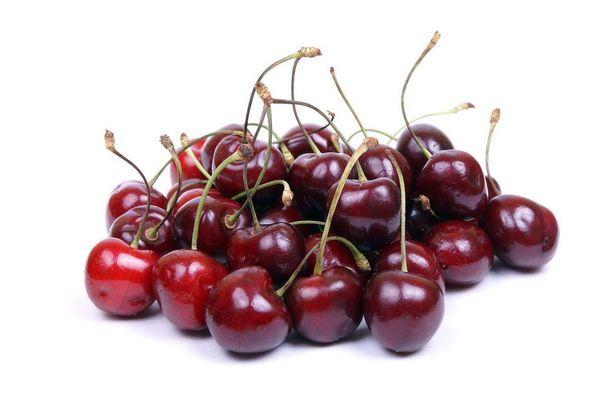
Criteria for choosing berries when buying
Purchasing at the market for further processing requires careful selection of the fruit. The primary method is visual inspection:
- even, rich color;
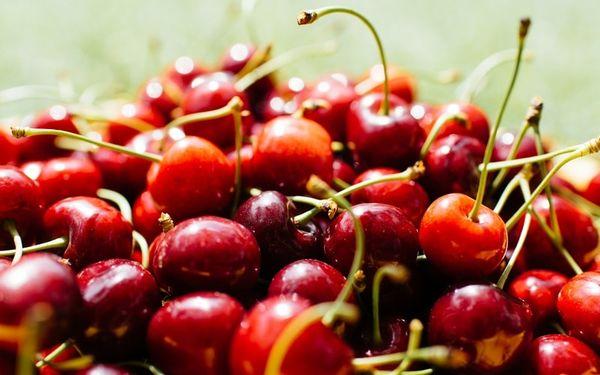
- shiny surface;
- no punctures, cracks, or dry areas.
Basic methods and storage periods at home
Methods for preserving cherries depend entirely on how they will be used. Cherries are ideal for home canning.
How to keep it fresh in the refrigerator
Fresh cherries often begin to rot or dry out when stored on the bottom shelf of the refrigerator. This is due to improper storage. Cherries are a juicy berry that requires special care after harvest. Washed cherries are stored at temperatures between 0 and +1 degrees Celsius. Lower temperatures cause loss of firmness and juiciness.

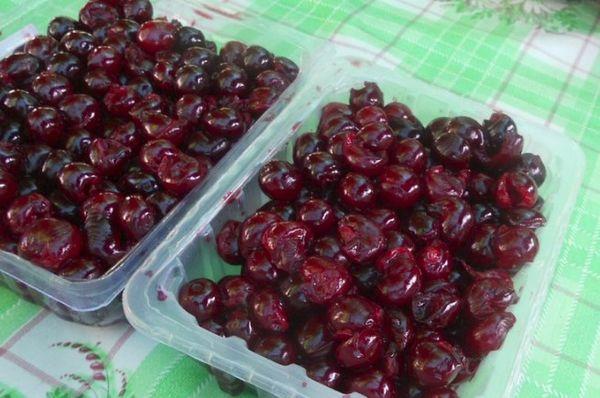
For storage, use plastic or glass containers. Cover them with paper or cloth towels to prevent drying out. The ideal storage option is on the refrigerator shelf located under the freezer.
Warning! Do not cover containers with cherries with airtight lids. This prevents air from entering and encourages condensation on the plastic container, which can cause rot.
In the freezer
Freezing is used to preserve cherries for the winter. It consists of several stages:
- The sorted, washed and dried berries are scattered on a tray or baking sheet in one layer and placed to freeze.
- After 2-3 hours, the fruits are taken out, poured into plastic bags with clamps and put away for permanent storage.
Tip! When freezing cherries, be sure to dry them completely after washing. Drops of water can freeze on the berries, causing them to become too watery when defrosted.
How to dry properly
All varieties of cherries are suitable for home drying. They are used as winter snacks, like dried fruit, or added to baked goods or desserts without heat treatment.
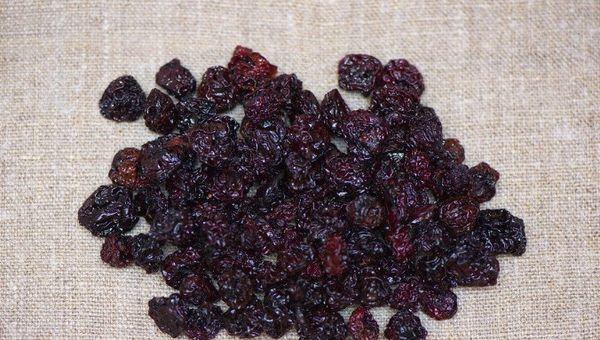
Dried and cured cherries are prepared using an electric dryer. Both processes involve similar berry preparation steps:
- the berries are washed and dried;
- remove the seeds and cut them into halves;
- put in the refrigerator overnight.
To dry, the halves are spread out along the bottom of an electric dehydrator and dried until their characteristic color develops. To dry, the cherries are boiled in sugar syrup until soft, then placed in the dehydrator.
Drying time depends on the specific appliance. Some homeowners use ovens for drying, which can take up to 20 hours, and the temperature shouldn't exceed 65 degrees Celsius (145 degrees Fahrenheit). Many people prefer to dry their clothes outdoors, but this method requires time and patience.
Conservation
Canned cherries have a distinctive flavor and aroma. Damaged, incomplete cherries are suitable for processing. Only whole cherries are used for compotes.
Jam
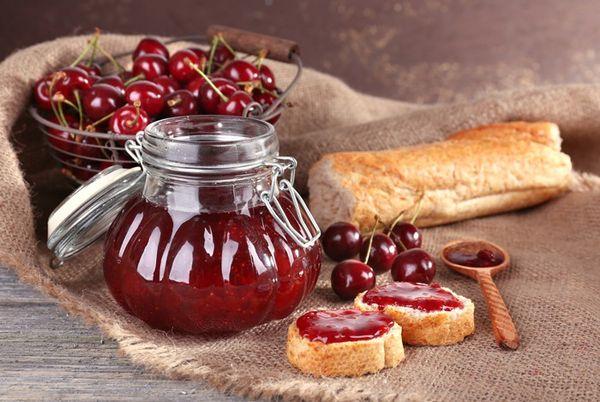
Cherry jam is made from berries with or without pits. Many cherry jam lovers claim that the pits preserve the berries' unique flavor and aroma throughout the winter.

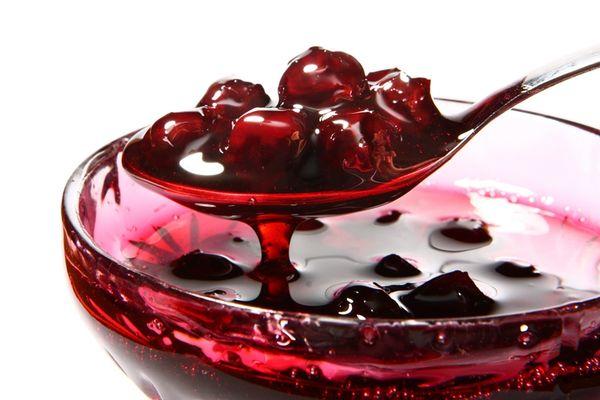
For a simple classic recipe, take 2 kilograms of ripe cherries, 2 kilograms of sugar, and citric acid.
The cherries are pitted and sprinkled with sugar. The mixture is left overnight to release the cherry juice. After this, the mixture is brought to a boil and simmered for a while at the lowest setting.
Jam with pits is made from whole, undamaged berries. They are washed and dried. A sugar syrup is made from sugar and water, into which the prepared berries are added. The mixture is boiled until the berries soften. Then the mixture is cooled, and the boiling process is repeated.
Puree
To make puree, the berries are pitted. They are then ground in a meat grinder or blended. Cherry puree is prepared for inclusion in the diet of young children. A minimal amount of sugar is added and the puree is not stored.
Compote
Cherry compotes can be single-ingredient or with the addition of other berries or fruits.
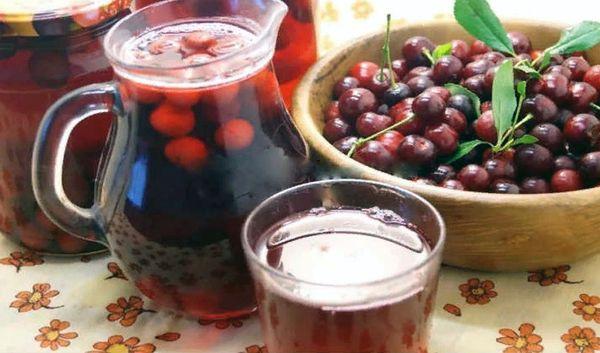
To make compotes, use only whole, smooth berries. For 1 kilogram of berries, you'll need about 2 liters of water and 250 grams of sugar.
Place washed cherries in the bottom of prepared glass jars. Make a sweet syrup from water and sugar. Pour the syrup over the berries. Seal the jars and sterilize them. Canned cherries of this type will keep for about two years.
For cooking assorted compotes It is customary to combine cherries with several varieties of fruits and berries:
- cherries;
- gooseberries;
- raspberries;
- halves or quarters of apples;
- halves of sour plums.
Thanks to the cherries, the assorted compotes acquire a beautiful rich color.
Jam
Cherry jam is made using gelatin. Ingredients:
- cherries – 1.1 kilograms;
- gelatin – 30 grams;
- sugar – 700 grams;
- water, citric acid.
Gelatin is poured into cold water and left to stand until the crystals are completely dissolved or the lamellas swell. The fruit is pitted, processed in a meat grinder or blender, and sprinkled with sugar. It is then boiled until the sugar crystals completely disappear. Cook for about 15 minutes. Then, add the swollen gelatin. Bring the gelatin mixture to a boil, but do not let it boil. Pour the hot jam into the prepared containers. It will set as it cools.
Commercial storage
There are special equipment for commercial storage. Furthermore, when storing berries for future sale, temperature control and container selection requirements are taken into account.
The air temperature should not exceed 2 degrees Celsius. If the conditions are followed, commercial storage is expected to last 20-30 days.
- Wooden boxes are filled with berries and covered with special polyethylene bags made according to specific requirements.
- Cardboard boxes preserve cherries well during transportation. When using cardboard containers, it's preferable to harvest cherries at technical ripeness to prevent overripe berries from getting into the pile, which could cause rot in neighboring cherries.
Helpful tips
Canned goods can be stored indoors. Suitable pantries are those that are not exposed to sunlight and have a cooler temperature.
Canned goods last much longer in basements and cellars. However, the following basic storage rules should be followed:
- jars with preparations should not be placed near batteries or electrical appliances;
- exclude exposure to sunlight;
- eliminates freezing and repeated defrosting.
Fresh cherries can be preserved using food-grade paper bags. Dried cherries with stems can be placed in paper bags, sealed, and stored on the bottom shelf of the refrigerator. This method prolongs the life of juicy, healthy berries for several days.
Avoid storing near bananas or apples. These fruits emit ethylene, which activates the softening process and promotes overripening.
Related posts:
 Descriptions of the 20 best cherry varieties for the Moscow region, their planting and care
 Description and cultivation of the Yantarnaya cherry variety, selection of pollinators
 The health benefits and harms of cherries, rules of consumption, and their effects on the body
 Description of 36 of the best sweet and large varieties of gooseberries
 Description of the Iput cherry variety, planting and care features
 Description and characteristics of the Tyutchevka cherry variety, planting and care
 Methods for planting and propagating cherries at home
 Description and characteristics of the Veda cherry variety, planting and care scheme