
- Can you eat watermelon seeds?
- Chemical composition
- Caloric content
- Beneficial properties
- Strengthening the heart
- Boosting immunity
- For diabetes
- Brain health
- Digestive health
- For hair
- For uterine bleeding
- For worms
- For skin
- Watermelon seeds slow down aging
- Simple recipes
- Roasted sunflower seeds
- Oil
- Tea from seeds
- Dried watermelon seeds
- Harm and contraindications
- Special recommendations
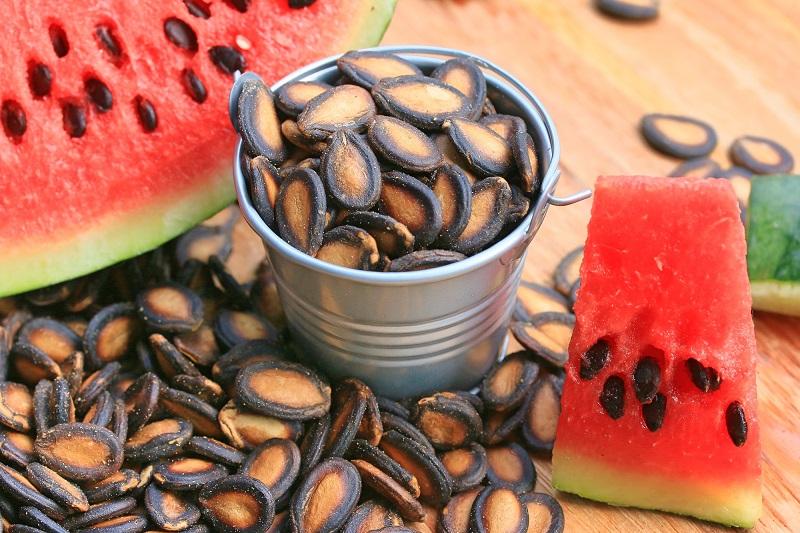
Since childhood, we've been taught to remove the seeds from the fragrant berry's flesh. Can we eat ripe watermelon seeds, or will consuming them be harmful? The answer is obvious: yes, as long as there are no contraindications and the amount consumed is strictly controlled. Ripe seeds contain important micronutrients and vitamins. Familiarize yourself with the contraindications and follow the recommended dosage, and watermelon seeds will help strengthen your heart and boost your immune system.
Can you eat watermelon seeds?
To understand whether it makes sense to eat watermelon seeds, it is necessary to understand the chemical composition of the seeds, determine their calorie content, and study the main contraindications and possible harm to the body from eating them.
Since childhood, we've often been told that eating watermelon seeds can cause appendicitis. Doctors debunked this myth many years ago. The risk of appendicitis from eating watermelon seeds is minimal.
Chemical composition
A single watermelon seed is 30% protein, meaning it contains essential amino acids. Arginine is essential for healthy heart function, tryptophan fights fatigue and low mood, and lysine strengthens the immune system and is essential for healthy metabolism.
In addition, watermelon seeds contain:
- magnesium;
- iron;
- zinc;
- manganese;
- vitamins B and PP;
- potassium;
- phosphorus.
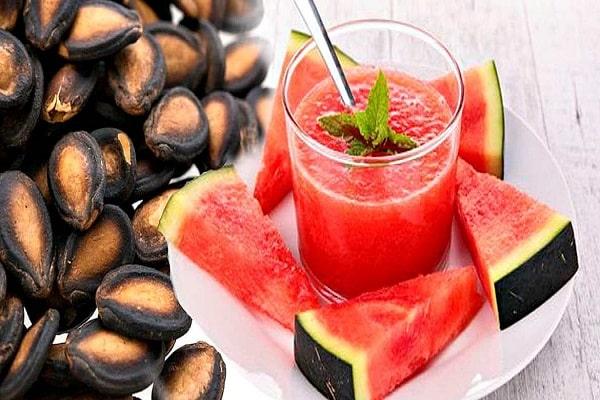
Omega-6 fat complements the beneficial effects of arginine. Eating watermelon seeds can lower blood pressure and reduce the risk of coronary heart disease. Dietary fiber regulates the human digestive system.
Caloric content
The energy value of watermelon seeds is:
- proteins: 29 grams, approximately 113 kilocalories;
- fats: 47 grams, approximately 426 kilocalories;
- Carbohydrates: 15 grams, approximately 61 kilocalories.
Note! Total calorie content: 100 grams of seeds contain 558 kilocalories.
Beneficial properties
Due to their rich chemical composition, watermelon seeds are often used in folk medicine to address a number of common health issues. The seeds are used as a remedy for heart disease, nervous system disorders, and digestive problems, and they improve skin condition. The benefits of eating watermelon seeds have been proven by research by American scientists.

Strengthening the heart
Magnesium and arginine are essential for healthy heart function. 60 grams of watermelon seeds contain the daily requirement of magnesium. Arginine can stabilize blood pressure. Watermelon seeds have been used in folk medicine since time immemorial as a treatment for coronary heart disease.
Boosting immunity
Watermelon seeds contain a balanced complex of vitamins and microelements. The seeds are used to prevent colds. The valuable seeds contain lysine, an important amino acid responsible for boosting immunity.
For diabetes
In folk medicine, the seed extract is used. The seeds promote the formation and accumulation of glycogen in the human body, which is very important for people with diabetes. This factor is further enhanced by the presence of omega-6 fats, which can combat type 2 diabetes.
Replenishing magnesium and zinc deficiencies is a necessary part of the treatment plan. Eating watermelon seeds lowers blood sugar levels.
Brain health
Regularly eating watermelon seeds can improve memory and increase alertness. In old age, it's important to compensate for magnesium deficiency, which can lead to Alzheimer's disease and dementia. Niacin, found in watermelon seeds, strengthens the nervous system overall. B vitamins are essential for proper brain function.
Digestive health
Dietary fiber regulates the digestive system, positively affecting the stomach and intestines. Food is better digested, and nutrients are easily absorbed. In folk medicine, watermelon seeds are used as a remedy for diarrhea and heartburn.
For hair
To slow hair loss and improve hair follicle health, use a decoction or infusion of watermelon seeds. Apply this remedy instead of conditioner after washing your hair. Magnesium has a magical effect on hair, strengthening it and making it softer and silkier.
For uterine bleeding
For sudden onset of menstrual pain and uterine bleeding, use an infusion of ground watermelon seeds with the addition of whey and milk. Regular use of this remedy relieves menstrual pain and reduces the amount of flow.
For worms
Omega-6 fatty acids, combined with citrulline, are powerful antioxidants and quickly remove toxins accumulated by parasites. Watermelon seeds are used as a deworming remedy for both adults and children. Parasites and toxins are quickly eliminated from the body by drinking a decoction of the healing seeds.
For skin
Eating watermelon seeds helps normalize metabolic processes at the cellular level. Skin appears firmer, shine is reduced, pores become clearer, and acne and pimples disappear.
Watermelon seeds slow down aging
The rejuvenating effect is due to the zinc and magnesium found in watermelon seeds. They increase metabolic rate, improve protein synthesis, and slow down overall skin aging.
Simple recipes
To ensure that consuming watermelon seeds is beneficial for the body and produces the maximum positive effect, it is important to use the remedy correctly and adhere to the dosage. In folk medicine, dried seeds, watermelon seed extract or oil, various tinctures, teas, and decoctions are used.
Roasted sunflower seeds
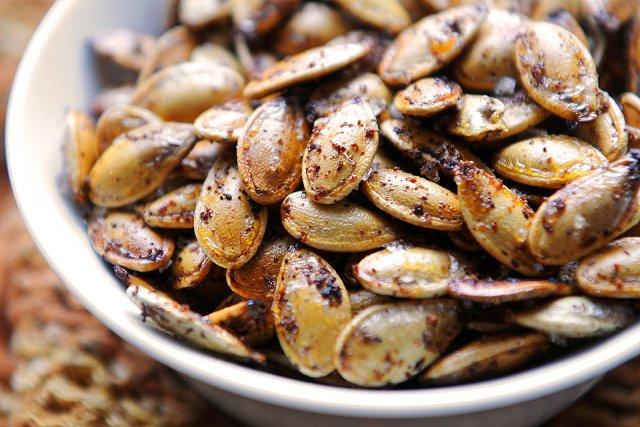
They enhance the product's culinary and flavor qualities. The seeds are removed from the pulp, washed, and dried. Next, the pits are fried in a pan with a few drops of olive oil and salt. The seeds should become crispy and golden brown. They are often roasted in the oven.
Oil
It is used in cosmetology and is not inferior to olive and almond oils in terms of composition and beneficial effects:
- hypoallergenic, can be used to care for the delicate skin of babies;
- cleanses pores, fights acne;
- improves elasticity and color of the skin;
- fights dryness, quickly heals wounds and irritations;
- suitable for nourishing hair masks;
- Suitable for all skin types.
Watermelon oil can be taken internally. It is a proven remedy for restoring male potency and is used for ulcers and severe gastritis.
Tea from seeds
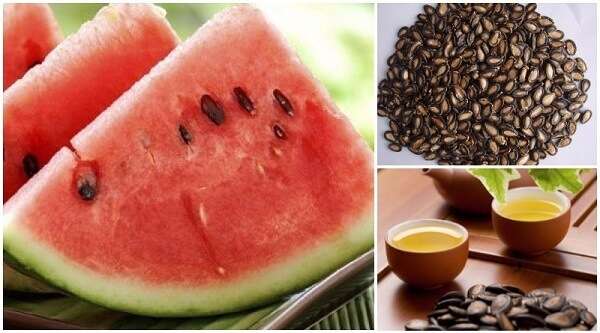
For general health benefits, drink a tea made from the seeds. Brew the drink using 4 tablespoons of seeds per 2 liters of water. The seeds should be crushed first and then steeped in boiling water. Strain the tea and drink.
Take a look Also


Dried watermelon seeds
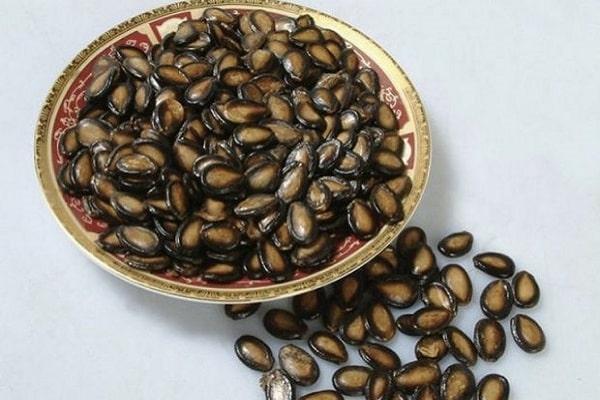
Various types of tinctures are made from dried watermelon seeds. Dried seeds can be stored for up to two years without losing their quality or beneficial properties. These seeds can be crushed or eaten whole, chewed gently. Dried watermelon seeds are included in popular diets.
Harm and contraindications
There are few contraindications for eating seeds, but let's focus on the main ones:
- The high calorie content of seeds is a contraindication for consumption by people suffering from obesity.
- Allergic reactions are possible.
- Not suitable for pregnant or breastfeeding women.
- The presence of citrulline in watermelon seeds is a contraindication for the consumption of seeds by people with kidney and bladder diseases.
 Omega-6 must be consumed along with Omega-3; otherwise, an excess of Omega-6 can have negative effects. Phytins and oxalates found in watermelon seeds can interfere with the absorption of vitamins and minerals. It's important to maintain proper dosage and avoid overconsumption of seeds. This will prevent any negative effects.
Special recommendations
If you decide to include watermelon seeds in your diet, be careful not to overindulge, prepare them properly, and be aware of any contraindications. You can eat the seeds with the peel, chewing thoroughly. Swallowing the seeds whole is not recommended, as this will prevent the beneficial vitamins and minerals from being digested and absorbed.
Related posts:
 Description and characteristics of the Sugar Baby watermelon variety, cultivation
 The health benefits and harms of watermelon for the human body, how to consume it correctly
 TOP 5 recipes for watermelon and rind compote for the winter at home, storage
 Simple step-by-step recipes for making watermelon jam for the winter at home, with and without gelatin
 Description and characteristics of the Karistan F1 watermelon variety, planting and care
 Description and characteristics of the watermelon variety Kholodok, cultivation rules
 Description and technology of growing the Crimson Sweet watermelon variety
 The simplest recipes for making candied watermelon rinds for the winter at home