
- Chemical composition and caloric content
- The health benefits of watermelon
- For men
- For women
- During pregnancy and lactation
- What problems does the berry help to cope with?
- Normalization of digestion
- Reducing the calorie content of the diet
- Cleansing the body
- Prevention of cardiovascular disease and diabetes
- Improving metabolism and skin condition
- Normalization of blood pressure
- Diuretic effect
- Can children eat watermelon?
- At what age can you give watermelon?
- Golden Rules for Parents
- What can you eat?
- Pulp
- Seeds
- Watermelon rind
- How much can you eat per day?
- The best recipes
- How to choose and store watermelon
- The harm of watermelon to human health
- Contraindications
Watermelon is a popular berry characterized by its excellent taste. Many gardeners actively cultivate it because of its wide culinary uses. This fruit can be eaten fresh and used to make jams, desserts, and salads. It is also often used for canning. However, many people are interested in the benefits and harms of watermelon.
Chemical composition and caloric content
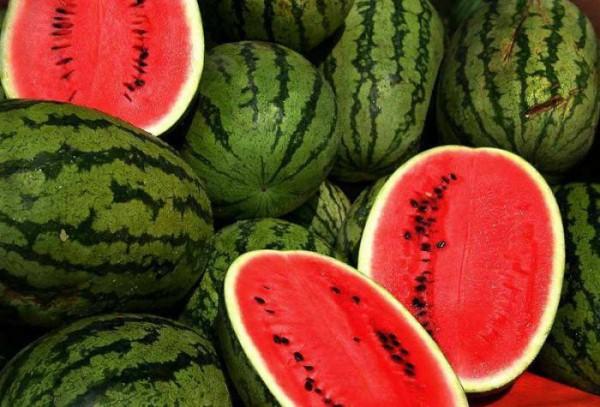
Watermelon is 90% water. Eating it in the summer heat helps prevent dehydration. It also contains vitamins and minerals. It also contains biologically active substances.
The calorie content of 100 grams of the product is only 46 kilocalories. Therefore, it is widely used in dietary plans. In addition, the berry contains the following components:
- polysaccharides – have a pronounced antioxidant effect;
- lycopene – makes the pulp pink or red and has a pronounced antioxidant effect;
- amino acids – good for the heart and immunity;
- vitamins – necessary for the normal functioning of the body;
- magnesium and potassium – support the normal functioning of muscle tissue and the cardiovascular system.
Many people choose seedless varieties. However, it's important to remember that they contain many valuable components, including iron, fiber, and protein. The peel is also beneficial, containing a large amount of chlorophyll, a substance that promotes blood formation.
The health benefits of watermelon
The berry has a whole range of beneficial effects:
- It has a diuretic effect. It cleanses the kidneys and urinary tract while preserving beneficial substances in the body. It is actively used for swelling and to remove excess fluid.
- It's an excellent thirst quencher. This is because the berry is 90% water.
- It can be used as an alternative to sweets for diabetics. In moderation, the product does not affect blood sugar levels.
- It stimulates intestinal function and metabolism. Therefore, the berry is beneficial for people with chronic bowel disorders. The product perfectly cleanses waste and toxins.
- It has choleretic properties. Therefore, increased amounts of the product are consumed in cases of intoxication, hepatitis, cirrhosis, and cholecystitis.
- It stimulates blood circulation in the brain and improves memory. This effect is due to the presence of folic acid.
- Helps reduce blood cholesterol levels. Regular consumption reduces the risk of vascular disease and stroke.
- Slows down cell aging and normalizes the appearance of nails, hair, and skin. This is due to the presence of antioxidants.

For men
Watermelon is very beneficial for men, as it helps improve potency. It contains lycopene and citrulline, which promote vascular dilation. Furthermore, regular consumption of this fruit helps combat stress, normalize blood pressure, and improve cardiovascular function.
For women
The benefits of watermelon for women are undeniable. The berry's medicinal properties include the following:
- quickly saturates the body and helps to get rid of excess weight;
- improves skin tone;
- cleanses the body of harmful elements;
- promotes rejuvenation of the body;
- used in cosmetology practice.

During pregnancy and lactation
The berry's unique composition has a beneficial effect on the body during pregnancy and lactation. It helps reduce swelling in the extremities and combat heartburn. During breastfeeding, the berry replenishes magnesium and iron stores. Drinking plenty of fluids helps increase breast milk production.
What problems does the berry help to cope with?
Watermelon has a complex effect on the body. Therefore, it is used to address a variety of problems.
Normalization of digestion
The berry pulp helps restore digestive processes and promotes normal intestinal microflora. Regular consumption of the berry can help relieve constipation. It is often used as an alternative to laxatives.

Reducing the calorie content of the diet
The product is suitable for people who want to lose excess weight. It also helps improve the quality of their diet. The berry can even be consumed before bed. It quickly fills you up and helps prevent excess calories from entering the body.
Cleansing the body
Watermelon pulp is often used to detoxify the body. For this purpose, the berry is combined with black bread. The cleansing process should last no more than 7-8 days. For every 10 kilograms of body weight, consume 1 kilogram of watermelon. The daily intake of black bread should not exceed 250 grams. This amount should be divided into four meals.

Prevention of cardiovascular disease and diabetes
This berry is recommended for those with heart and vascular conditions. It is also beneficial for diabetes. Watermelon cleanses the body of excess fluid, helping to cope with increased stress on the heart and blood vessels. The pulp lowers blood pressure and strengthens blood vessel walls.
Since watermelon contains a high amount of sugar, diabetics should avoid overindulging in it. However, doctors recommend choosing pink varieties.
Improving metabolism and skin condition
To normalize metabolic processes, you should eat watermelon more often. Watermelon-based fasting days help cleanse the body of toxins, waste, sand, and excess moisture. Furthermore, a watermelon diet helps cleanse the body of excess mineral salts. The berry also has a beneficial effect on the skin and is used in nourishing masks.
Normalization of blood pressure
Watermelon contains components that help normalize blood pressure. It maintains vascular elasticity and improves their permeability. The pulp contains components such as citrulline and arginine, which help lower blood pressure.
Diuretic effect
Watermelon's diuretic properties help combat swelling associated with heart failure. The berry improves lymphatic drainage and improves kidney function. Watermelon juice dissolves stones and cleanses the body of sand.
Can children eat watermelon?
Watermelon is very healthy for children. This is due to its high content of vitamins and microelements, which are incredibly important for growing bodies. Even young children can eat watermelon. However, it's important to be sure of the product's quality and remember to exercise moderation.

Avoid giving children too much of this product. Its pulp has a pronounced diuretic effect, which puts a lot of strain on the baby's immature kidneys.
At what age can you give watermelon?
Watermelon should not be given to newborns, as it can cause colic. Before introducing watermelon into a child's diet, consult a pediatrician. It is recommended to start with a small amount to assess the child's reaction.
Golden Rules for Parents
To avoid any adverse effects on your child's body, choose only natural products that do not contain nitrates. Otherwise, there is a risk of seriously deteriorating your child's health.

What can you eat?
Traditionally, it's recommended to eat only the red flesh. Many people discard the peel and seeds, but they also provide significant health benefits.
Pulp
This product is incredibly healthy. It has excellent taste and helps with weight loss. The pulp cleanses the body of toxins and waste, combats swelling, and eliminates excess cholesterol.
Consuming this part of the berry improves kidney and liver health. It also normalizes vascular function and is a reliable preventative for heart attacks and strokes.
Thanks to the high content of B vitamins, the functioning of the brain and nervous system improves.
Seeds
Watermelon seeds have a number of beneficial effects:
- thanks to the content of amino acids it is possible to form muscle mass;
- allow you to remove heavy metals from the body;
- improve the condition of the dermis;
- strengthen the immune system and protect against allergies;
- normalize blood pressure;
- improve the functions of the digestive organs.
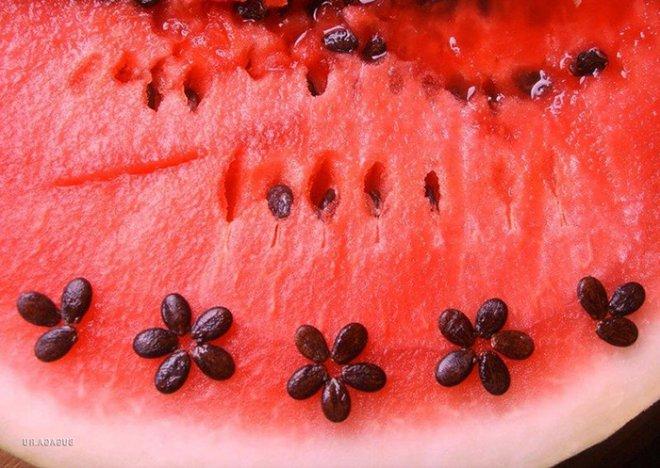
Watermelon rind
This part of the berry also provides significant health benefits. It can only be consumed if the watermelon is free of harmful components. Therefore, it is recommended to purchase the product only in season.
Watermelon rind is widely used to make beneficial masks. They moisturize the skin, normalize sebum function, and combat puffiness.
How much can you eat per day?
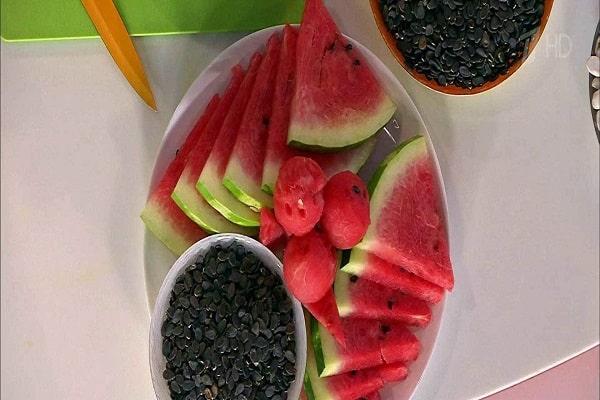
The amount of watermelon consumed depends on your individual needs. If you have no digestive or excretory issues, you can consume 800-1000 grams of pulp per day. Children over 3 years old are given no more than 3 wedges.
The best recipes
Watermelon can be used in a variety of dishes. It's added to desserts and salads, and even cooked.
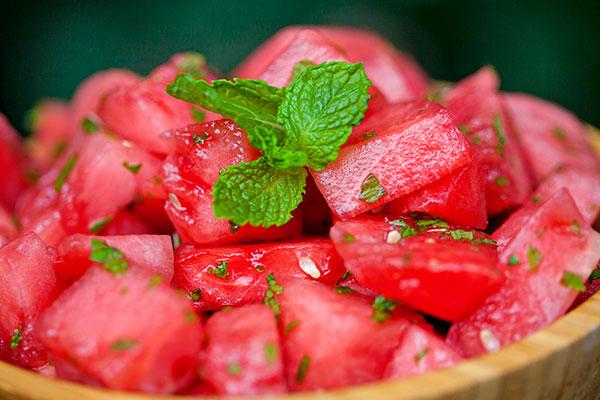
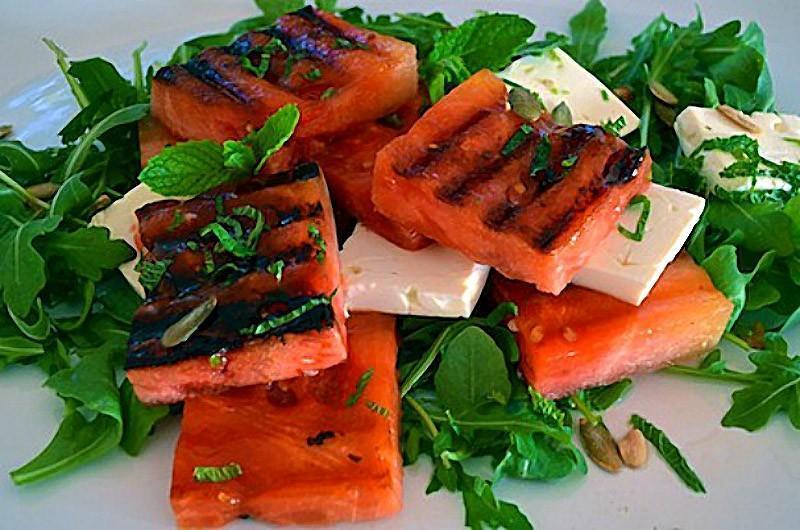
To prepare a salad with cheese and mint, you will need the following ingredients:
- 8 slices fresh watermelon;
- 10 grams of lime juice;
- 120 grams of feta cheese;
- 30 grams of olive oil;
- 10 grams of pumpkin seeds;
- mint;
- salt;
- pepper.
Grill watermelon slices, add mint, lime juice, salt, and drizzle with oil. Arrange lettuce leaves on a serving platter, top with watermelon slices, and sprinkle with seeds and feta cheese.

 You can also make delicious watermelon honey from this product. You'll need ripe watermelons, cheesecloth, a sieve, and a wooden spoon. Wash and dry the watermelon. Cut it into pieces and remove the pulp. Strain it through a sieve, then squeeze it through the cheesecloth.
Place the liquid on the stove and bring to a boil. Remove from heat. To ensure the honey remains clear, skim off any foam and strain the mixture regularly. Then return the mixture to the stove. Cook until the mixture has reduced by a factor of seven. Pour the finished honey into jars and store in a cool, dark place.
How to choose and store watermelon
To buy a quality product, you need to carefully examine it, paying attention to the following features:
- The watermelon should be of normal weight.
- The berry cannot have a sour smell.
- A nitrate-containing product has a smooth cut surface. A quality watermelon should contain grains.
- The flesh should be bright. It's important that the fibers have a yellowish tint.
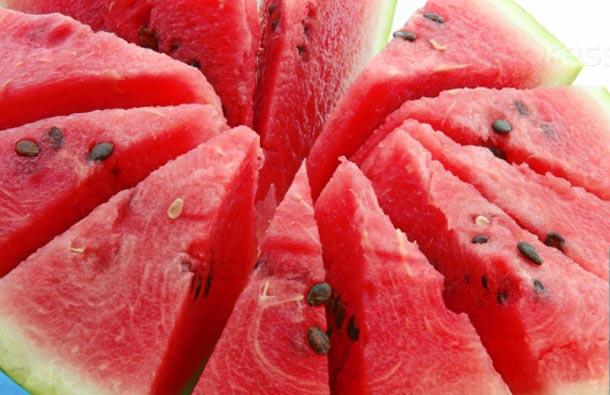
Wash the watermelon thoroughly before eating. It's best to choose a small berry that can be eaten within a day. Otherwise, the acidity will increase, leading to food poisoning. If any watermelon is left over, cover it with plastic wrap and refrigerate.
The harm of watermelon to human health
Watermelon accumulates chemical elements that are used as fertilizer. When cutting a poor-quality berry, you may see yellowish lumps inside. This product should not be consumed. Even in healthy people, it can cause nausea, vomiting, stomach pain, and diarrhea.
When combining watermelon with other foods, there is a risk of digestive upset.
This can lead to fermentation and flatulence. Therefore, watermelon should be eaten 2 hours before or after meals.

Contraindications
Watermelons should not be consumed if you have the following conditions:
- pancreatic pathologies;
- nephrosis;
- diseases of the spleen;
- allergy to the product;
- pyelonephritis;
- nephritis;
- urolithiasis.
Watermelon is a very healthy food that improves health. However, it can also cause some harm. Therefore, before consuming the berry, it's important to familiarize yourself with the list of contraindications.
Related posts:
 Description and characteristics of the Sugar Baby watermelon variety, cultivation
 Simple, step-by-step recipes for preparing salted watermelons for the winter in jars
 Is it possible to freeze watermelon in the freezer for the winter and how to do it correctly?
 Is it possible to grow a square watermelon at home?
 Description and characteristics of the Karistan F1 watermelon variety, planting and care
 TOP 5 recipes for watermelon and rind compote for the winter at home, storage
 Simple step-by-step recipes for making watermelon jam for the winter at home, with and without gelatin
 Description and characteristics of the watermelon variety Kholodok, cultivation rules