
- Description and characteristics of the hybrid
- Growing region
- Main characteristics
- Pros and cons of the variety
- How to plant correctly
- Seedless method
- Recommendations for choosing deadlines
- Predecessors
- Site and soil requirements
- Site preparation
- How to select and prepare planting material
- Through seedlings
- Choosing the timing
- Requirements for soil mixture
- How to prepare seeds
- How to plant
- Aftercare
- Care instructions
- Watering mode
- Hilling
- Loosening and weeding
- Tying to a support
- Protection from cold
- Feeding regime
- Bush formation
- Diseases and pests
- Marmorated stink bug
- Larvae of the sprout fly
- Bacterial wilt
- Powdery mildew
- Brown spots on leaves
- Features of growing in a greenhouse
- Harvesting and storage
- Tips and recommendations
One of the most common melon varieties is the Karistan watermelon. It is grown by farmers and agricultural producers. Its flavor has made it popular among gardeners. Many consider watermelons finicky, but the Karistan variety is highly resistant to disease, allowing it to ripen fully outdoors. In cool climates, watermelon seeds are adapted to greenhouse cultivation.
Description and characteristics of the hybrid
The hybrid plant was developed by the Dutch company Syngenta Seeds BV, which specializes in plant breeding and protection. The Karistan watermelon variety appeared in Russia in 2007 and was included in the State Register five years later.
Growing region
The Karistan watermelon, like all melons, prefers a hot and dry climate. This variety is a favorite among gardeners in the Saratov, Volgograd, and Astrakhan regions, and is also planted in the CIS countries, including the North Caucasus, southern Ukraine, and Moldova.
Main characteristics
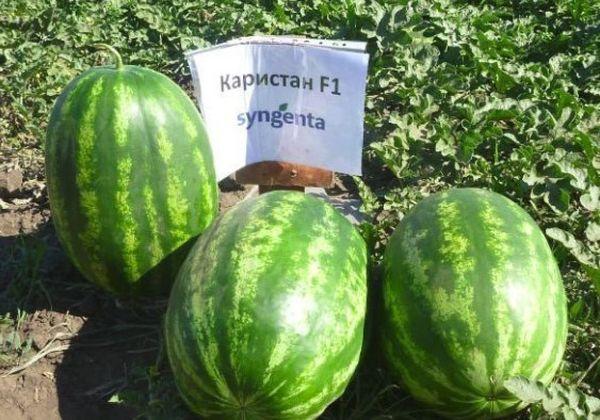
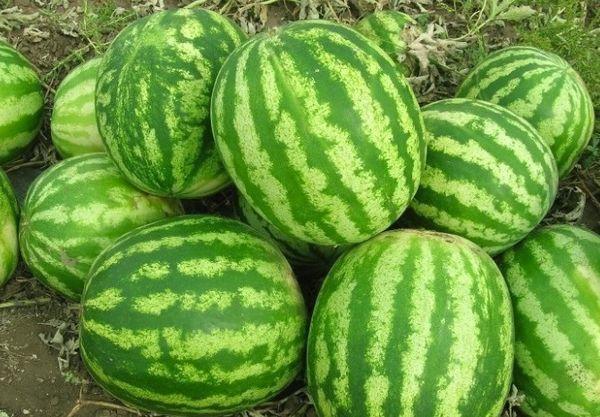
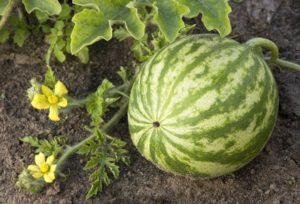
Most melons ripen late, but the Karistan watermelon is described as an early variety. The seeds germinate in 20-25 days and ripen within two months of planting. The watermelon fruits are large, oval, and weigh an average of 10-12 kg.
When properly cared for, the skin is dark green, with light green stripes of varying widths around the edges. Beneath the skin is dense, scarlet flesh, rich in organic sugars. The watermelon tastes juicy and crisp.
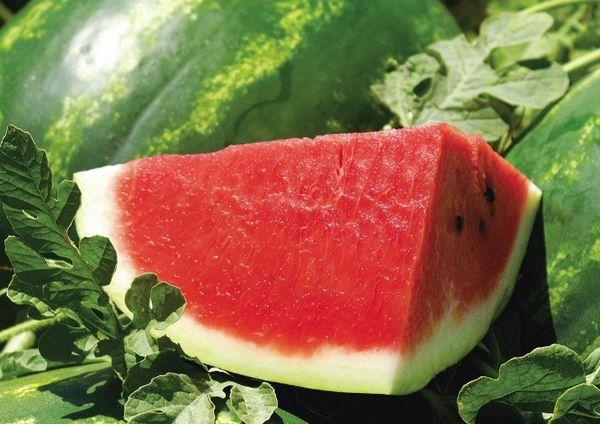
The seeds are small, oval, and black. Like all melons, the fruit has a strong stalk attached to a ground-creeping stem. The root system is well-developed and branched.
Pros and cons of the variety
The Karistan watermelon variety is suitable for fresh consumption, and watermelon pieces can be pickled or used for delicious preserves for the winter. The variety's advantages include:
- velvety pulp with a sweet taste;
- a thin corky layer between the pulp and the skin;
- high productivity;
- good transportability to the regions;
- store in a cool place for up to 20 days;
- resistance to wilting and sunburn.
The melon variety has the following disadvantages:
- at low temperatures, seedlings develop poorly and have reduced taste qualities;
- poor resistance to clay soil;
- requires a lot of solar heat.

How to plant correctly
Not all Russian regions enjoy warm summers, so innovative developments can accelerate crop growth using specialized stimulants and fertilizers. Fruits begin to ripen during periods of abundant warmth, which is the main factor in yield in cooler regions. There are two planting methods: direct seedlings and seedlings.
Seedless method
The first care method takes longer: from planting the seeds to germination and fruiting, it takes three months. If you follow certain guidelines, gardeners will be delighted with ripe and juicy watermelons of the Dutch Karistan variety.
Recommendations for choosing deadlines
The sowing time depends on the region: in the southern parts it is mid-April, in the northern and central zones it is the first ten days of May.
Predecessors
A favorable site for the Karistan variety is one where potatoes, beans, peas, corn or other legumes were previously grown.
Site and soil requirements
Melons thrive in warm climates, so the best site for Karistan watermelons is one with abundant light and sun, at a slightly elevated location. In such a location, the fruits will ripen with high sugar production. Soil with sand and peat will promote the development of a healthy root system.
Site preparation
To prepare a site for sowing seeds or seedlings, you need to do the following:
- the area is cleared of all weeds and pests;
- dig up the soil to plant seeds;
- make furrows and pour boiled water over them.
How to select and prepare planting material
Karistan F1 watermelon is sold in specialty stores in farm-grown packaging. Each contains 100-1,000 seeds, all treated with a fungicide against disease.
To plant Karistan watermelon in the central and northern regions, soak the seeds in hot water at 50°C (122°F). You can add melon stimulants to the water. When small sprouts appear, plant them in pots with soil, two at a time. Cover the seedlings with plastic wrap or glass to maintain a temperature of 30°C (86°F). In the south, plant the seeds in warm, open ground at 15°C (59°F).
Through seedlings
Seedlings can be purchased from agricultural producers or planted yourself. Seed planting instructions are provided in the previous section.
Choosing the timing
When sown directly, young seedlings will appear in as little as 20 days. The shoots should have 1-2 leaves. To acclimate the seedlings to the climate, place them outside or on a balcony for 15-20 minutes at a temperature of 20 degrees Celsius. After several sowings, they can be planted in prepared soil. The approximate time is late April or early May.
Requirements for soil mixture
The soil mixture for Karistan watermelon seedlings should be warm and contain sand, peat, and turf soil.
To prevent bacterial wilt of watermelon seedlings, the area is thoroughly cleared of weeds in the fall, then in the spring, the remaining weeds are allowed to germinate and removed by the roots. Next, the area is dug over and neat furrows are created.
How to prepare seeds
To harvest Karistan seeds, spot a strong fruit in the garden bed in advance. Wait for it to fully ripen, usually 60-70 days, and identify it by the stem, which usually dries out, and by the dull sound when tapping the fruit. Cut the fruit in half, scooping out the pulp. Separate the seeds, rinse them in warm water, and let them dry for a couple of days. Transfer them to a paper envelope and label them.
How to plant
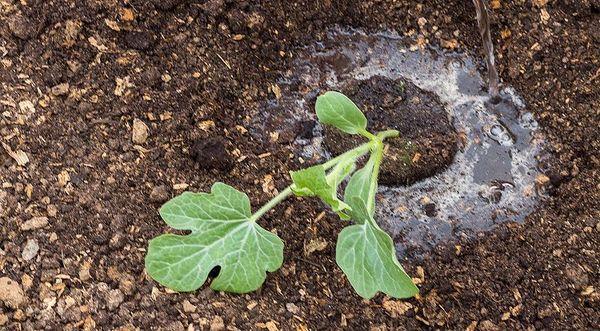
For proper planting, furrows are dug at a distance of 140-180 cm, seedlings are planted at a depth of 4 cm, with a distance of 60-100 cm between them. Then they are watered generously with warm water.
Aftercare
With further care, the plant's structure is stimulated: the shoots become thicker, the main root goes deep up to 1 m, and ovaries form faster.
Temperature conditions
Melons prefer temperatures from +30 to +40 degrees.
Stimulation of lateral root formation
According to the description, the Karistan watermelon variety has a main root and 15 lateral roots. To stimulate the root system, some vines are covered with soil, which then causes new lateral roots to form.
Top dressing
During the growing season, fertilizing with organic and nitrogen fertilizers is required. No additional fertilizing is needed during the ripening period.
Planting in open ground
In the southern regions, open ground is the most favorable. At the end of April, the sun's rays warm the soil abundantly, and watermelon varieties are planted as seedlings or seeds.
Care instructions
Caring for melons during the ripening period includes watering, weeding, shaping bushes, and protection on cool days.
Watering mode
While strong stems, foliage, and inflorescences are forming, the Karistan watermelon should be watered several times a week. Gardeners recommend watering it in the evening to allow the water to soak in, as intense sunlight causes moisture to evaporate quickly during the day.
During flowering, water less often; during the ripening period of watermelons, irrigation is stopped.
Hilling
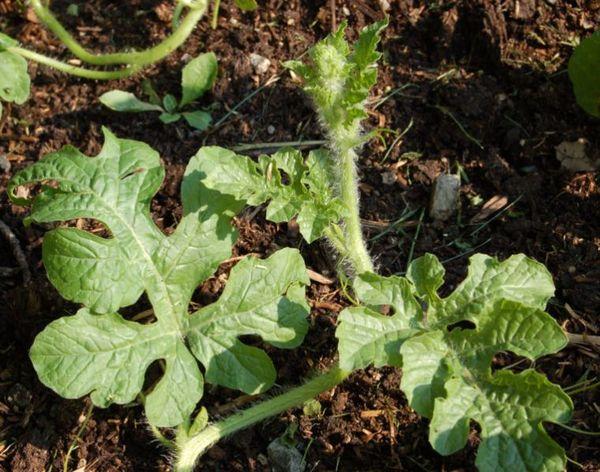
Hilling is done for the first time when the seedling has developed a few leaves. This protects the root system from flooding during rains and regulates soil compaction. The second time, when the seedling has 3-4 leaves, it stimulates the growth of lateral roots.
Loosening and weeding
During the growing season, it's important to remove weeds to prevent them from robbing the soil of moisture and nutrients. Young plants with 5-7 leaves require deep tillage to a depth of 9 cm.
Tying to a support
In open ground conditions, staking is not necessary. If space is limited in a greenhouse, shoots are tied horizontally to trellises or netting.
Protection from cold
Spring weather can be unpredictable; in cold temperatures, young Karistan plants are covered with plastic or agrofibre. This is necessary for the root system, which is sensitive to cold.
Feeding regime
A couple of weeks after planting, young Karistan watermelon seedlings are fertilized with chicken manure at a ratio of 1:10. The next feeding is done two weeks later, using 20 g of ammonium nitrate per 10 liters of water.
Bush formation
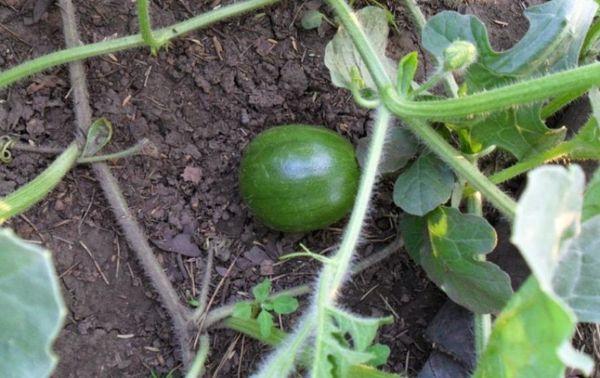
According to the characteristics of the Karistan watermelon, its large fruits ripen on the main stem and primary vines. After 2-3 watermelons have formed on these vines, excess shoots are pinched off, and other ovaries and fruits are removed.
If you don't pinch or remove excess fruit, the nutrition of the main berries will be limited. The watermelons will take a long time to develop and will lack their sugary juiciness.
Diseases and pests
Melons do not tolerate cloudy weather, rainy climates, or temperature fluctuations. In such climates, they are susceptible to fungal diseases and pests.
Marmorated stink bug
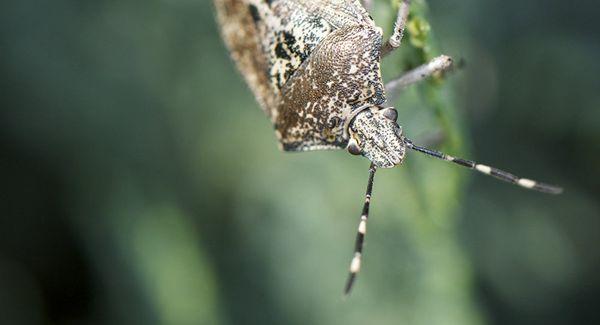
The brown marmorated stink bug feeds on the green parts of the Karistan F1 watermelon and lays eggs. It is a common pest in southern regions. Control involves mechanical methods and insecticide spraying.

Larvae of the sprout fly
The sprout fly is a larva that feeds on roots and stems. To prevent this, dig up the area in late September and loosen the soil in April or May. If these insects are detected, treat the stems and roots of the Karistan watermelon with Fury, Komandor, or Inta-Vir.
Bacterial wilt
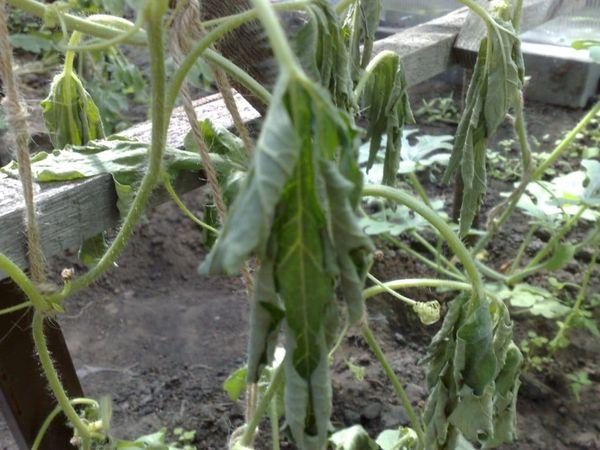
Bacterial fungi contribute to Fusarium wilt. Characteristic symptoms include root rot, yellowing leaves, curling, and leaf drop. The disease is caused by contaminated seeds, planting material, and contaminated soil. Seeds should be treated with fungicides before planting. Weeds should be removed from the soil, and fertilization should be timely.
Powdery mildew
During the growing season, Karistan seedlings are most often susceptible to powdery mildew, which covers the ovaries and leaves with a white film. To prevent this, soak watermelon seeds in a mixture of Immunocytophyte and Epin for 24 hours. If the disease occurs, remove the affected parts and spray the plant with one of the following: Planriz, Topaz, Bayleton, or Fitosporin.
Brown spots on leaves
High humidity can cause brown spots to appear on the vines. Use Fitosporin-M for treatment. The soil is restored with the biological product "33 Bogatyrs."
Features of growing in a greenhouse
Healthy Karistan watermelons can be grown in a greenhouse, but certain rules must be followed. Seeds are planted in furrows 70 cm apart, with rows also 70 cm apart. The stems are tied to a trellis, and when the fruits reach the size of a large apple, they are placed in a net and hung. During the growing season, the plant is watered with room temperature water, adding nitrogen fertilizer to the water once a week. The greenhouse is frequently ventilated.

Harvesting and storage
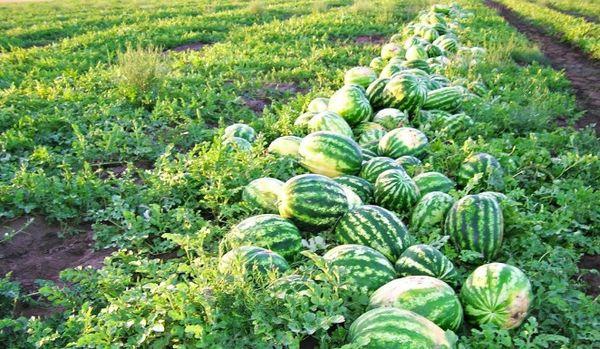
Based on the ripening time, the external ripeness characteristics are also checked. The area around the stem should be brownish, the watermelons should change color, and a dull sound should be heard when tapping the rind. When harvesting, which can reach 55-250 centners per hectare, the fruits are cut with a sharp knife. They are then stored in a basement for 10-20 days.
Tips and recommendations
The Karistan watermelon variety is quite familiar to farmers, who recommend growing it in their gardens for its flavor and high yield. With the proper greenhouse care, Karistan watermelon can be grown in Novosibirsk, Khabarovsk, and other northern regions.
For melon crops, it is important to observe crop rotation, planting watermelons to the old place is done after 3-4 years.
Under these conditions, high-quality berries are guaranteed. They can be exported for sale and transported to other regions.
Related posts:
 Description and characteristics of the Sugar Baby watermelon variety, cultivation
 The health benefits and harms of watermelon for the human body, how to consume it correctly
 TOP 5 recipes for watermelon and rind compote for the winter at home, storage
 Description and technology of growing the Crimson Sweet watermelon variety
 Description and characteristics of the watermelon variety Kholodok, cultivation rules
 Simple step-by-step recipes for making watermelon jam for the winter at home, with and without gelatin
 Is it possible to grow a square watermelon at home?
 Characteristics and description of the Ogonyok watermelon variety, cultivation in open ground