
- Description and characteristics of the Producer variety
- History of variety selection
- Pros and cons
- Features of cultivation, choice of location
- Site preparation
- Seed preparation
- Rules for landing
- Further care of the watermelon Producer
- Formation of bushes
- Watering and fertilizing
- Protection from diseases and pests
- Reproduction methods
- How to determine if a berry is ripe?
- Harvesting and storing watermelons Producer
- Reviews of the watermelon Producer
The Producer watermelon is an early-ripening variety. It is popular among farmers due to its abundant harvest. It can be grown in a greenhouse or garden in virtually any region of the CIS. However, it's important to familiarize yourself with all the characteristics of the crop and its agronomic secrets beforehand.
Description and characteristics of the Producer variety
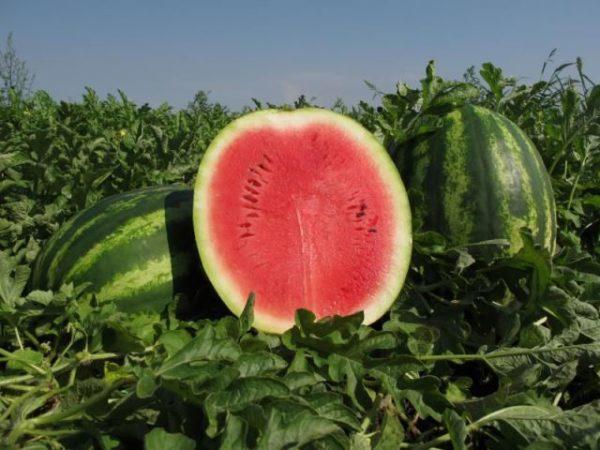
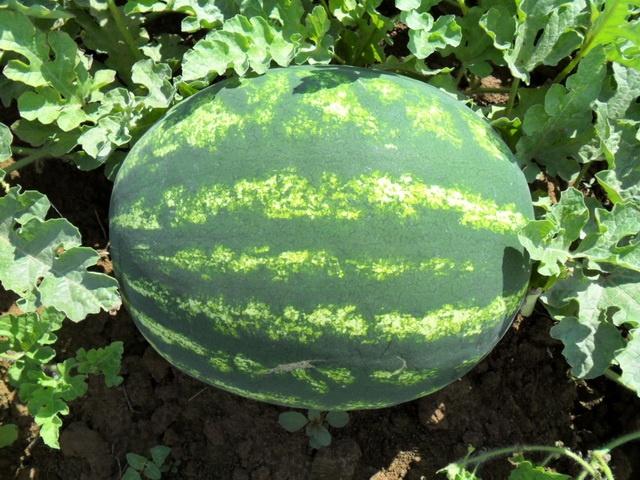
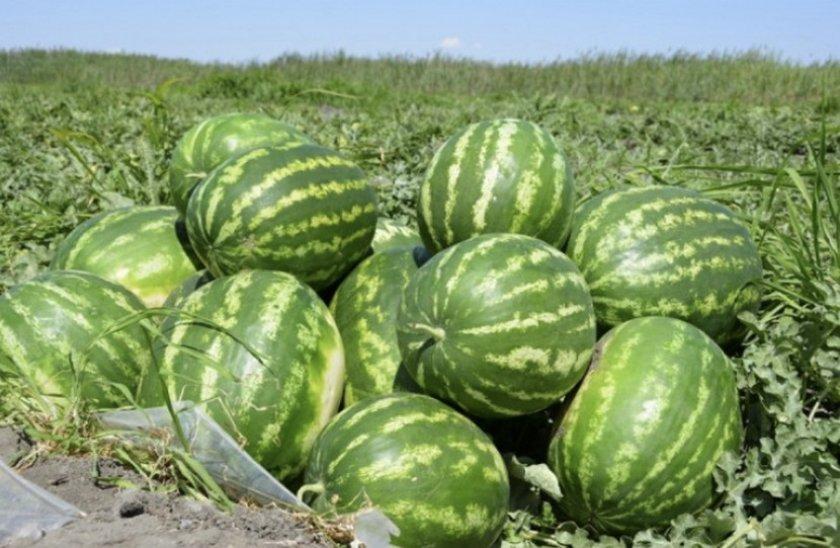
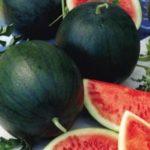
The Producer watermelon variety was developed by American breeders in the late 20th century. It is an improved version of the Crimson Sweet variety. The Producer variety is resistant to common diseases such as anthracnose and rot, and produces higher yields. Fruits weigh 10-20 kg, depending on growing conditions and techniques. The vines are approximately 30-40 cm long. The oval shape and medium-thickness bark feature greenish and light green stripes.
The flesh is deep red, and the seeds are heart-shaped and black. The flavor is richly sweet, with a hint of sugar. The Producer variety is grown in southern Russia, primarily in the Caucasus and the Krasnodar Krai. It is also cultivated in Moldova, Kazakhstan, Tajikistan, the central Russian region, and even in northern regions, thanks to greenhouses equipped with irrigation technology.
The fruits are early maturing, ripening 70 days after planting. The yield is abundant, with 8-10 kg per square meter. If grown commercially, the yield is approximately 100 centners per hectare.
History of variety selection
Watermelons are native to Africa, but table varieties first appeared in Egypt. From there, these exotic berries spread throughout the world. In the 20th century, breeders set out to make the watermelon versatile: one with a long shelf life, sweetness, and a rich flavor. This was achieved by American scientists who developed the "Producer" variety.
Pros and cons
Culture offers a number of advantages, but it also has its downsides. It's worth familiarizing yourself with these beforehand.
| Pros | Cons |
| Stable harvest | Capriciousness, demanding care |
| The skin is thin, the flesh tastes sweet, and the texture is grainy. | Dependence on sunlight, weather conditions |
| The fruits are dense and withstand long-distance transportation well. | Requires frequent watering and fertilization |
| High shelf life | |
| Berries can be grown in a garden or greenhouse. |
Features of cultivation, choice of location
Watermelons should be grown in a sunny location. Ignoring this rule will result in a poor harvest and a poor appearance. The fruits will become small and taste less sweet. Sometimes they may be unripe inside but ripe on the outside. With proper care and planting, all negative aspects are mitigated. If planting in southern regions, you can sow the seeds in open soil.
For temperate climates, seedling planting is preferred. This reduces the ripening period by two weeks.
Site preparation
The Watermelon Producer has a branched rhizome that requires aerated soil. Before transplanting the seedlings to open ground, the soil must be prepared.
- Choose sandy or sandy loam soil. The crop will not grow in acidic soil.
- The groundwater level must be low.
- Plow the soil in advance, remove weeds, add humus and sawdust.
- Legumes are considered desirable predecessors, while melons are considered undesirable.
- You shouldn't plant watermelon next to tomatoes or onions.
- The planting pattern in the garden is 1.4*1.0 m, for greenhouses – 0.7*0.7 m.
- The optimal air temperature for full growth and rapid ripening is +20 and above.
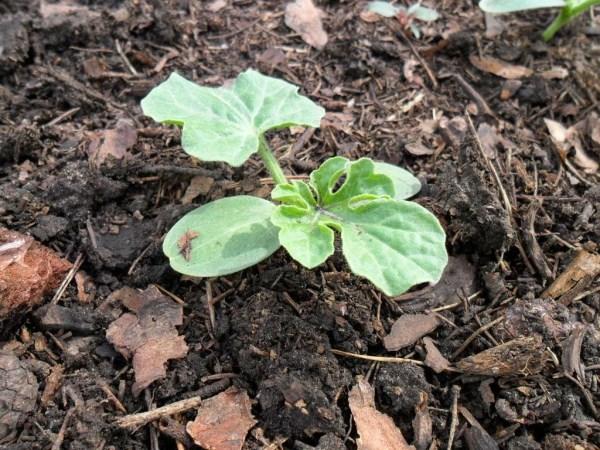
Watermelons prefer to grow in elevated, sunlit, and warm locations. Seedlings are planted at temperatures above 15°C (59°F), when there is no risk of frost.
Seed preparation
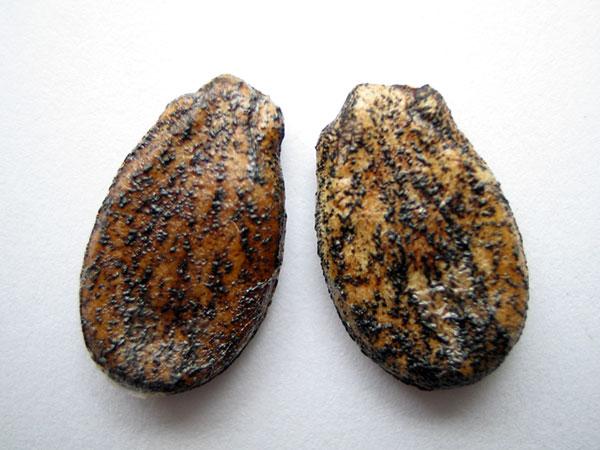
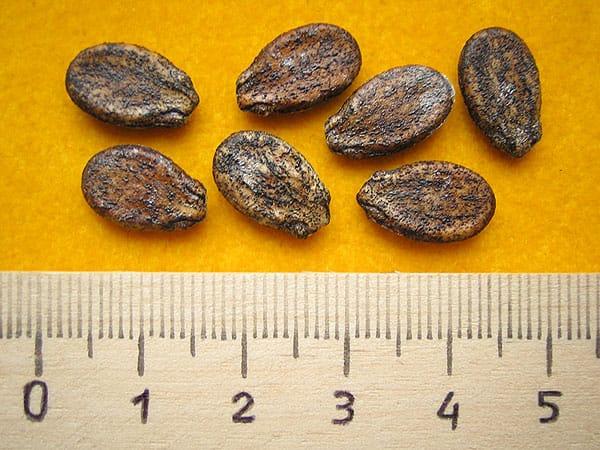
In the south, watermelon can be planted from seeds, and in temperate regions, from seedlings. In the north, greenhouse planting is the only option. Seeds germinate best when 3-4 years old. Before sowing, they are inspected and suitable specimens are selected. The seeds are dipped in a 3% solution of table salt, and any that float to the surface are discarded. The seeds that settle to the bottom are wrapped in cheesecloth and rinsed under water. Next, they are dried for 2 hours at 60 degrees Celsius. To disinfect the seeds, they are placed in a solution of potassium permanganate. The seeds are spread on a plate and covered with a cloth to allow germination.
You can buy potting soil at a specialty store; this will help the seeds germinate faster. Experienced gardeners sometimes prepare the soil themselves: mixing humus with turf or peat moss and adding sawdust.
Rules for landing
Two to three days before planting, make furrows. Add sawdust and humus. The area should be clear of weeds. Sift the seeds to a depth of 5 cm, leaving 2 cm between each hole. Afterward, water the planting sites with warm water.
When planting from seedlings, wait until the seedlings have developed 4-5 leaves. Make the beds 5 cm deep, spaced 2-3 cm apart. Dig in the seedlings after planting.
Further care of the watermelon Producer
After planting, watermelons should be watered regularly, pruned, fertilized, and treated for diseases and pests. Since this variety is fussy, it's important to follow these guidelines.
Formation of bushes
When the Producer variety is grown in greenhouse conditions, the shoots are formed into a single stem. This is tied to a support structure. Side branches shorter than 50 cm are removed to prevent them from shading the growing berries. Up to three shoots are typically left on each shoot; the rest are discarded. Two side shoots are left on the main stems. When ovaries form, the shoot is pinched every three leaves. This procedure stimulates simultaneous ripening of the berries.
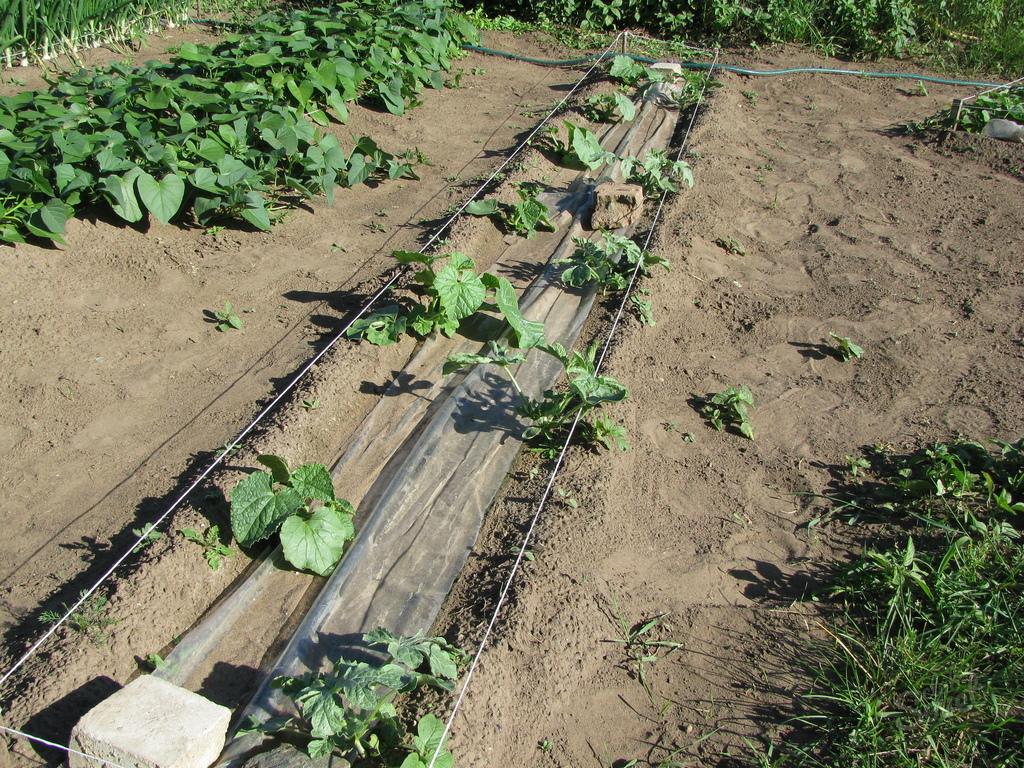
If the watermelon is growing in a garden, the bushes are trained into three stems, then the tops are pinched. In hot weather, you can cover the plant with burdock leaves.
Watering and fertilizing
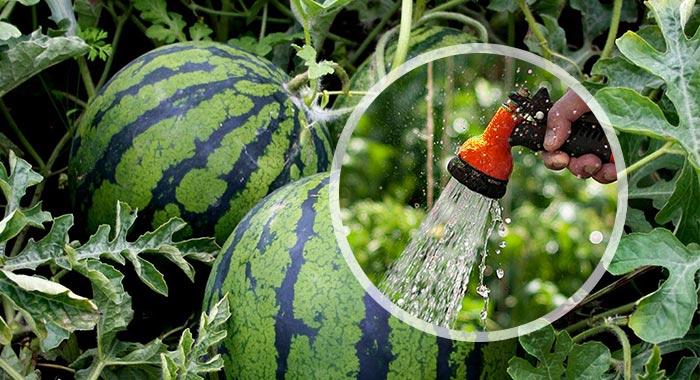
Producer watermelons should be watered moderately, depending on their growth stage. Water twice a week with settled water. If the summer is dry and hot, water once every other day. When fruit is forming, limit watering. Once the berries are ripening, stop watering completely.
To increase the yield of watermelons, it is advisable to resort to fertilizing, applying it to moist soil.
Give preference to mineral fertilizers during bud formation. Then, apply fertilizer weekly, after watering or rain. Once bud formation is complete, add phosphorus and potassium to the soil.
Protection from diseases and pests
The Producer watermelon is resistant to anthracnose and stem rot, but it can be attacked by other diseases. If whitish spots of powdery mildew appear on the stems, collect the affected parts of the plant and burn them. To prevent root rot, disinfect the soil before planting. Place boards under each fruit and sprinkle the root collar with sand.
From harmful bugs, watermelon is sometimes attacked by melon aphidsThe plant becomes covered with black spots, and the stems curl. Spider mites manifest themselves as a gradual drying of the shoots. Affected leaves and shoots are removed and burned. As a preventative measure, periodically inspect the bushes and spray them with insecticides and fungicides.
Reproduction methods
In the wild, watermelons reproduce by seeds. When the fruit falls to the ground, it splits open, and the seeds attach themselves to the soil.
How to determine if a berry is ripe?
When a watermelon is ripe, the stripes on its surface will be contrasting. The rind becomes shiny, and scratches appear on the fruit – marks left by crows' beaks. Birds attack only ripe fruits. The stem becomes dry.
Harvesting and storing watermelons Producer
The harvest should begin after the fruit reaches the first stage of picking maturity. This occurs 5-6 days before full ripening. Watermelons picked earlier will not ripen fully, and late-picked specimens are not suitable for long-term storage. Fruits picked at the right time will have pinkish flesh.
During storage, the berries will turn bright red. Store the berries at a temperature of 1-4 degrees Celsius, in a room with 70-80% humidity. Place the watermelons in wooden boxes lined with dry moss. You can also place them in barrels and cover them with ash. The berries are also treated with a 5 mm thick layer of wax or paraffin. If stored properly, watermelons can last up to six months.
Reviews of the watermelon Producer
Feedback on the Producer watermelon is mostly positive.
Olga Ovsepyan, 60 years old, Moscow
Hello everyone! I grow Producer watermelons in my garden; the fruits ripen by mid-August. They're a demanding variety, but the berries are incredibly tasty.
Lyubov Ivanova, 69 years old, Dnepr
Hello! The Producer watermelon is my favorite variety. The berries are incredibly sweet, and I eat them fresh and preserve them for the winter. I've been growing them in my garden for five years.
Related posts:
 The health benefits and harms of watermelon for the human body, how to consume it correctly
 Simple, step-by-step recipes for preparing salted watermelons for the winter in jars
 Description and characteristics of the Sugar Baby watermelon variety, cultivation
 Is it possible to freeze watermelon in the freezer for the winter and how to do it correctly?
 How to determine the ripeness of a watermelon in the garden and the main signs of ripening
 Is it possible to grow a square watermelon at home?
 Description of the yellow watermelon variety, planting and care, are there such varieties?
 Description and characteristics of the watermelon variety Kholodok, cultivation rules