
- Are there yellow watermelons?
- Distinctive features of yellow berries
- Varieties of unusual watermelons
- Beneficial properties
- Growing nuances
- Preparation of substrate and seeds
- Sowing and caring for seedlings
- Planting in the ground
- Caring for yellow watermelons
- Watering
- Top dressing
- Trimming
- Loosening
- Disease prevention
- Harvesting and storage
- Feedback from those who planted
Watermelons come in red and yellow varieties. Yellow berries are currently gaining popularity. They were developed by crossing a wild variety with a cultivated red one. These varieties are rich in vitamins and have beneficial effects on the body's internal systems. Care and cultivation require increased watering and regular soil loosening.
Are there yellow watermelons?
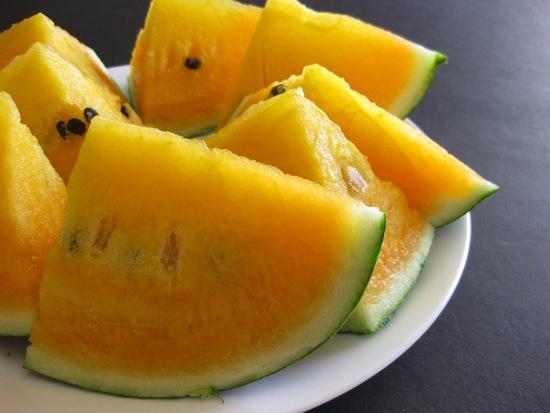
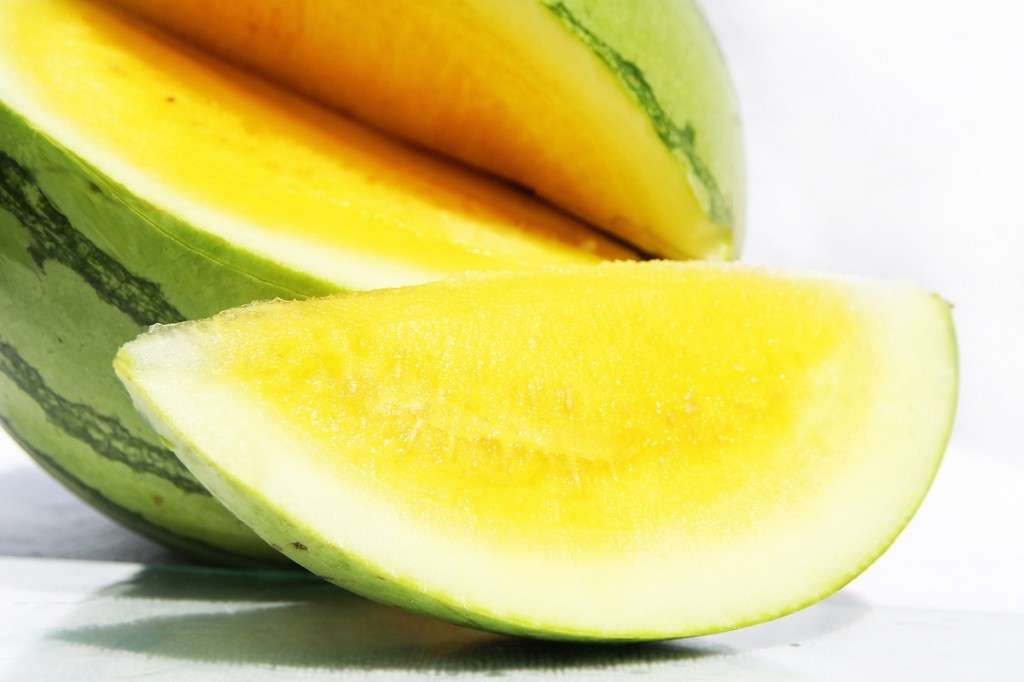
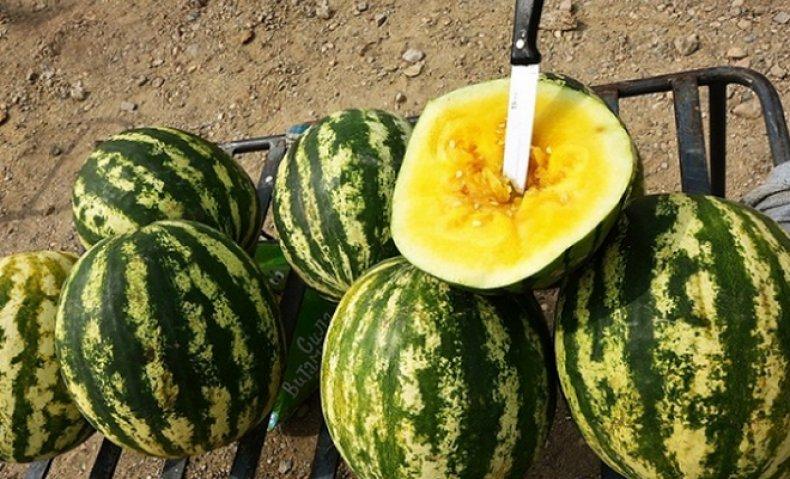
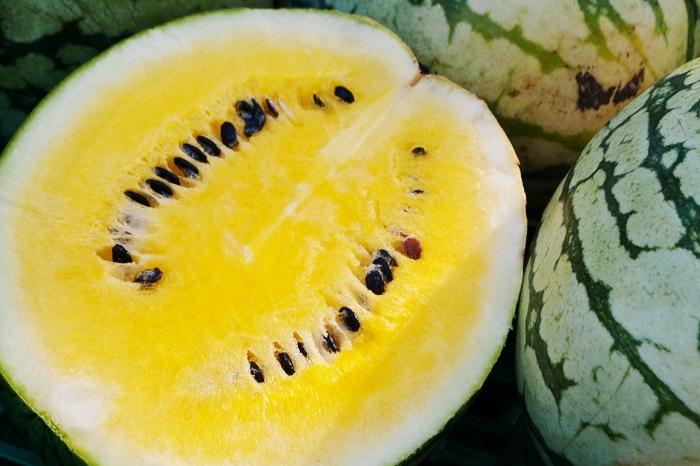
Yellow-fleshed watermelons were developed several decades ago and are currently very popular. They were created by crossing a red berry with a wild yellow one. The wild fruit is inedible and has a terrible taste. The cross resulted in a watermelon with yellow, juicy flesh.
Distinctive features of yellow berries
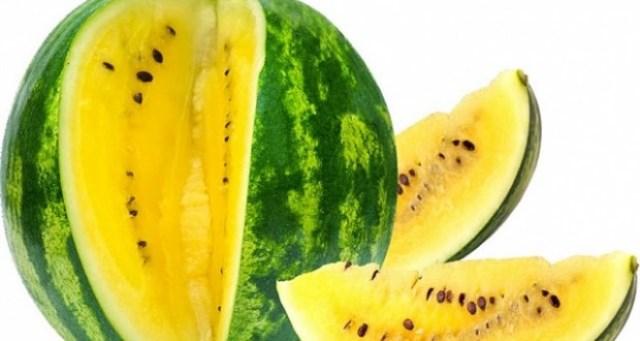
The berry resembles a regular watermelon in appearance. Its rind is green with dark green stripes. It comes in round and oval shapes. Distinguishing features of yellow varieties include:
- the color of the pulp is yellow;
- there are practically no seeds inside or they are completely absent;
- the taste of the pulp is reminiscent of exotic fruits: mango, pineapple;
- the fruits ripen quickly;
- they are not suitable for processing because they have a soft skin;
- The cost of a yellow watermelon is slightly higher than that of a red one.
Varieties of unusual watermelons
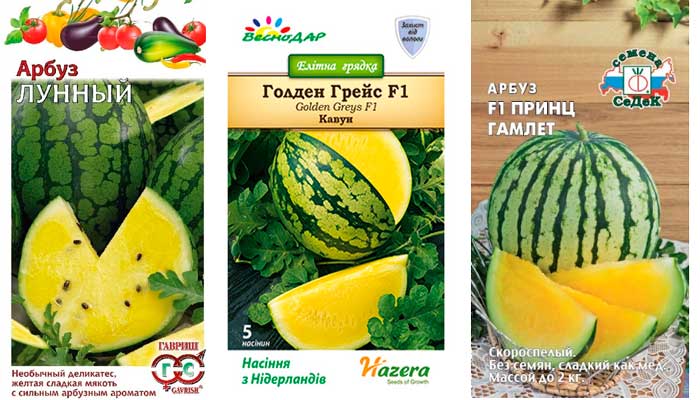
There are currently nine varieties of yellow watermelon. Their seeds are available at any flower or garden supply store. These include:
- Lunar;
- Kavbuz;
- Janusik;
- Primo Orange;
- Golden Grace;
- Prince Hamlet;
- Orange honey;
- Orange King;
- Yellow Dragon.
Beneficial properties
The flesh of yellow watermelon is rich in vitamins and minerals. It contains:
- vitamin A;
- B vitamins;
- vitamin C;
- vitamin E;
- calcium;
- potassium;
- magnesium;
- iron;
- phosphorus;
- sodium.
100 grams of the product contain 38 calories, 11 grams of carbohydrates, 1 gram of fiber, and fats and proteins are contained in small quantities.
Useful properties of yellow watermelon:
- strengthens the immune system;
- has a diuretic effect;
- has antioxidant properties, removes harmful waste and toxins from the body;
- has a beneficial effect on vision;
- strengthens bones, nails, hair;
- has a positive effect on the heart and blood vessels of the body;
- cleanses blood vessels from cholesterol plaques;
- used in diets for weight loss.
Growing nuances
To properly grow yellow watermelon, you need to select and prepare the substrate, prepare the seeds, prepare the seedlings, and plant the seedlings in the ground.
Preparation of substrate and seeds
Seed preparation begins in mid-March, with the seedlings ready to be transplanted into the ground in May. Watermelon seeds are soaked in hot water for several hours. Then, they are immersed in a potassium permanganate solution for 60 to 90 minutes. Afterwards, the seeds are air-dried and planted in the ground.
Important! The water for soaking should not be higher than 50°C.
You can buy ready-made soil for yellow watermelons or prepare it yourself. In stores, it's labeled "For melons" or "For pumpkins." To prepare your own, use equal parts humus, sand, and peat.
Sowing and caring for seedlings
Sowing of seeds is carried out according to the following algorithm:
- The prepared container is filled with substrate to 2/3.
- Water with warm water.
- Place 2 seeds in each cup.
- Add another 2 cm of soil.
- The containers are covered with transparent film until the seedlings appear.
Water the seedlings every two days. Add water to the rim of the container. If a crust forms on the surface, loosen the soil. Seedlings prefer good light, with a daylight duration of 12 hours. The optimal air temperature is considered to be 18°C. Apply mineral fertilizer after three leaves appear. Harden off the young plants two to three days before planting. Ventilate the room periodically and reduce watering.
Planting in the ground
For planting, choose a site with good sunlight and a south-facing exposure. Watermelons prefer airy, loose soil. Before planting, dig the soil three times, the last time two days before planting.
At the same time, all the clods of earth are broken up, and then the soil is leveled with a rake.
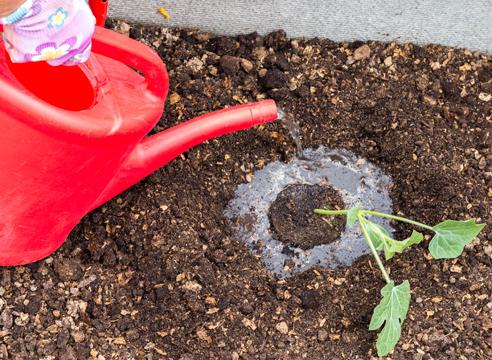
Dig holes 10-15 cm deep in the garden bed, spaced 80 cm apart. Water each hole with warm water. Then plant the seedlings. Carefully remove the seedlings from their containers to avoid damaging the roots. Cover the plants with soil, ensuring the roots are completely submerged. Water the soil with warm water to compact it.
 Important! If after a week the plant has sprouted new leaves, it has taken root.
Caring for yellow watermelons
To care for the crop, it is necessary to maintain a watering regime, fertilize and prune the plant.
Watering
During the first weeks of the growing season, water the yellow watermelon every two days. Once established, reduce watering to once or twice a week. Use 30 liters of water per square meter of soil. The water should be settled beforehand.
Top dressing
Fertilize with fertilizers specially formulated for pumpkin plants. These are available at flower shops. Ten days after planting, add compost and a fertilizer containing phosphorus and potassium, along with ammonium nitrate. Fertilizing with mineral fertilizers promotes improved berry development. Fertilizing begins after the first ovaries appear.
Important! Yellow watermelons do not tolerate excess nitrogen fertilizers well.
Trimming
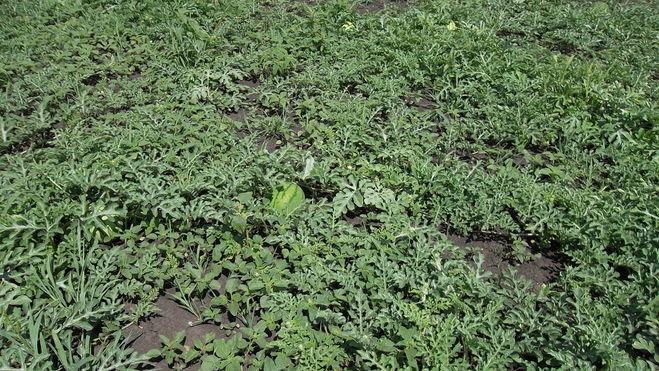
To ensure the berries grow as large as possible, pruning is recommended. Leave 2-3 fruit-bearing ovaries on each bush, followed by 3-4 leaves, and prune the remaining shoots. Leaving more fruit will result in small, less-sweet berries.
Loosening
It's important to ensure that the beds containing the crop are free of soil crusts. To achieve this, loosen the soil after each watering and rain. Along with loosening, remove all weeds from the beds.
Disease prevention
The crop is susceptible to diseases and aphids. To prevent diseases, preventative spraying is necessary at the beginning of flowering. Any fungicides and insecticides can be used.
Harvesting and storage
From mid-July, watermelons are prepared for harvest. A piece of plywood is placed under each berry to protect it from rotting. Watering is reduced to allow the fruit to develop its sweetness. When harvesting, it's important to pay attention to signs of ripeness, as the berries do not ripen fully after picking.
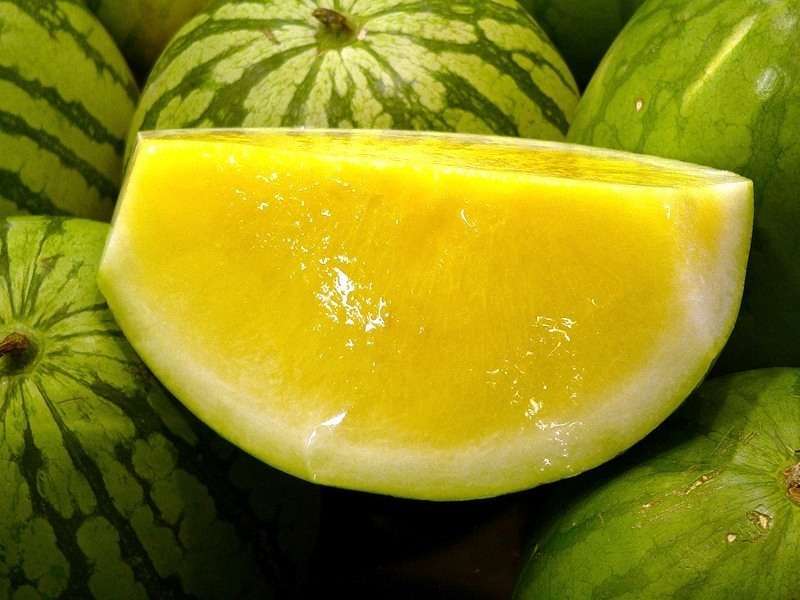
Signs of ripening include:
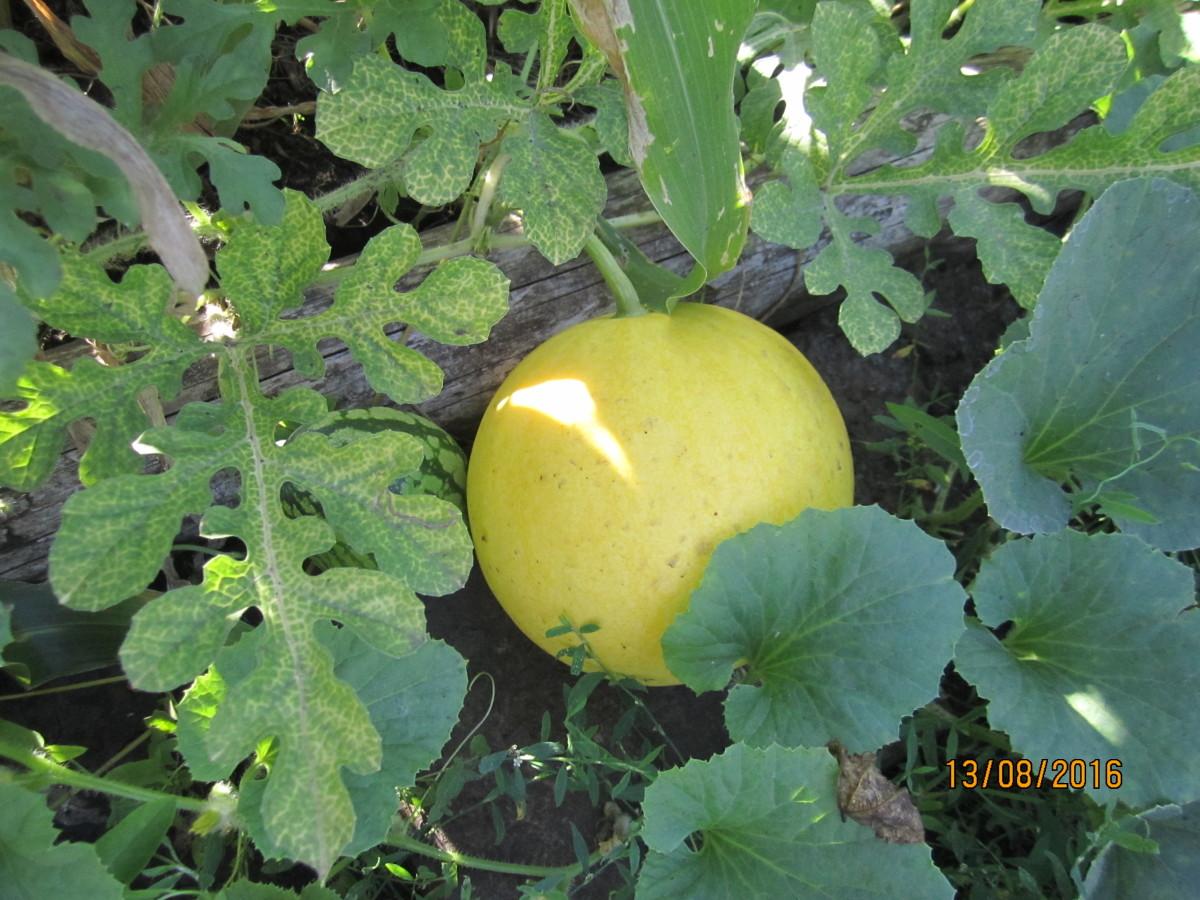
- The skin turns yellow or white where it touches the ground.
- The crust acquires a characteristic shine.
- When tapped, the fruits produce a dull sound.
- The watermelon's tail began to dry out.
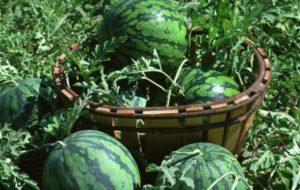
After harvesting, the berries are stored upside down at a temperature of 10–16°C, in a room with high humidity.
Feedback from those who planted
Evgeniya, 56 years old, Sochi
I've been growing yellow watermelons of various varieties for three years now. I love their unique flavor. I buy the seeds at specialty stores, and I harvest some from ripened fruits. I plant the seedlings in peat boxes because I've had root damage. Otherwise, the crop is easy to grow, but it does require frequent watering. The berries are quickly eaten, but I haven't tried storing or processing them.
Alexander 43 years old, Moscow
Our region has a moderate climate. This year, I decided to try growing yellow watermelons. I bought seeds, prepared seedlings, and planted them in the ground. The soil in my area is suitable for growing them. The fruits were medium-sized and not very sweet, but had a pleasant lemon flavor.
Valentin, 38 years old, Krasnodar
I grow a large quantity of watermelons, keeping some for myself, and giving others to friends and selling them. This year, I planted yellow varieties. The berries grew large, weighing between 3 and 6 kg. They are almost seedless, which is very convenient. The flesh is yellow and sweet with a slight pineapple flavor. I haven't tried storing the fruits; almost the entire harvest was gone within three weeks.
Related posts:
 Description and characteristics of the Sugar Baby watermelon variety, cultivation
 The health benefits and harms of watermelon for the human body, how to consume it correctly
 TOP 5 recipes for watermelon and rind compote for the winter at home, storage
 Description and characteristics of the Karistan F1 watermelon variety, planting and care
 Description and technology of growing the Crimson Sweet watermelon variety
 Simple step-by-step recipes for making watermelon jam for the winter at home, with and without gelatin
 Description and characteristics of the watermelon variety Kholodok, cultivation rules
 Is it possible to grow a square watermelon at home?