
When planting bulbs, obtaining healthy, tender leaves is quite challenging. The plant suffers because we strip it of its leaves, and the future harvest suffers as well, since partially torn leaves impair the bulb's ability to gain weight. Furthermore, the leaves become coarse over time and eventually collapse. Growing this family's greens is best done from seed. How to get onion seeds for juicy greens and which varieties are suitable for these purposes?
Varieties for greens
Breeders have ensured that hardworking gardeners have a supply of green onions (Allium) throughout the summer, developing species and varieties that are suited to their intended uses. Their names are familiar to many lovers of fresh greens: Parade, Totem, Slizun, Skoroda, Porek, Welsh onion, and others. Each has its own distinctive characteristics and features that are important to know when growing.
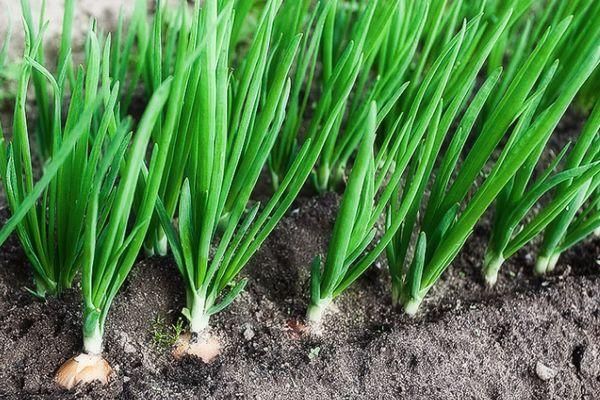
Parade
The Parade onion is designed to produce high-quality green onions from seed, and Dutch breeders created this green wonder. Allium has a number of advantages:
- does not form a bulb;
- characterized by rapid growth;
- the greens remain tender and juicy for a long time;
- does not have a strong taste;
- not afraid of frost;
- The feather is large, growing up to 60 cm in height.
Onion greens are ready to harvest after 70-80 days (the growing season). The tender leaves can be cut as they grow, up to four times. The cut greens grow and produce succulent greens. They are most saturated with nutrients, vitamins, and essential oils when they reach 25-50 cm in height.
In its second year, Parade produces a flower stalk and seeds. These seeds only fully ripen in southern regions, where they can be harvested and planted for the following season. In temperate climates, it's impossible to obtain seeds on your own.
The yield is 4 kg/sq. m. Moreover, onions can be planted in 2-3 stages per season, spaced 2-3 weeks apart. This will create a "green conveyor belt" and ensure fresh greens will be on the table all summer long.
If winters are light on snow, it's important to preserve the Parade's root system. The soil is covered with sawdust, peat, and straw to ensure the perennial plant forms a strong clump the following year.
Totem
This green onion variety also functions as a "green conveyor belt," allowing for a full harvest of greens from spring to fall. It boasts improved characteristics of the traditional and beloved Batun variety.
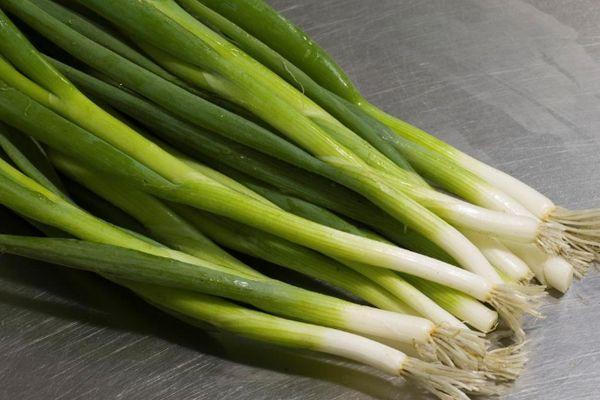
Originating in Japan, Totem has excellent recommendations:
- quickly gains green mass;
- has a pleasant taste with a slight spiciness;
- forms long feathers.
Farmers use it, harvesting it for sale practically year-round. It's suitable for greenhouse cultivation and can be planted in the winter. A variety of harvesting options allow you to enjoy the greens from early spring to late fall.
The Totem onion is distinguished by its robust, rich, dark green leaves covered in a waxy coating. It grows up to 0.5 m tall and forms large clumps. Its leaf tips rarely yellow. It is grown in continental climates because it tolerates temperature fluctuations. It is also resistant to most diseases.
Hybrid seeds were obtained by crossing Totem with local varieties of Batun. This is a successful option, as the hybrid is adapted to the local climate and has low bolting rates.
Slime
The slizun grows wild in the fields of Eastern and Western Siberia. However, it's not as widespread or beloved by gardeners, making it a rare guest in home gardens. This is unfortunate, as the species has medicinal properties, capable of removing toxins and lowering cholesterol.
Green onions are mild, with an onion-garlic aroma, making them not only healthy but also delicious. The slime is perfect for salads because it lacks bitterness. When cut, a slimy substance flows out, hence the name.
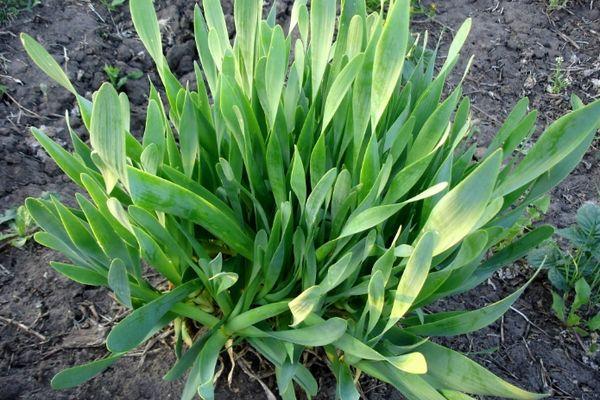
Grown from nigella seeds, Slizun grows as a perennial. It can remain in one place for up to six years, producing abundant plumes. It also boasts other advantages:
- unusual spiral shape of feathers;
- 8-10 feathers up to 50 cm grow from one turnip;
- has a wide leaf, up to 2 cm;
- has a powerful root system, so the greenery does not lie on the ground.
If you separate a piece of the rhizome in the fall and plant it as a potted plant on the windowsill, then in the winter you can provide yourself with salads with the addition of fresh, vitamin-rich greens.
Onion Skoroda
This is a variety of chives that was developed in Germany and translates as "plant for cutting greens." Green Skoroda's onion It is distinguished by its unpretentiousness and that is why our gardeners took note of it.
Its features include:
- ability to withstand cold winters without shelter;
- possibility of cultivation in partial shade;
- desire for rapid growth;
- excellent taste and aroma.
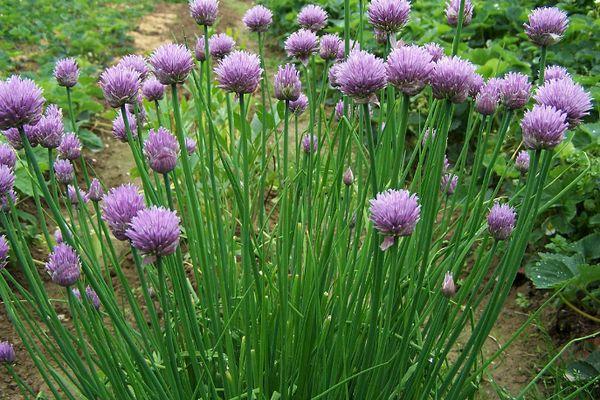
Two varieties of Skoroda have been developed: Central Russian and Siberian. The Central Russian variety quickly forms a bush, producing a harvest of delicate leaves that then harden. The Siberian variety forms a rosette of leaves later and is distinguished by large leaves that remain juicy for a long time, yielding a greater amount of greenery.
When planted from seed, it produces 2-4 bulblets, from which 5-6 narrow, awl-shaped leaves grow. This perennial plant can be grown in one location for up to 4 years, after which it needs to be replanted. It blooms in its second year.
Onions have gradually transitioned from a food crop to an ornamental plant. They've made their way into flowerbeds because they produce beautiful, spherical inflorescences in shades of pink and purple.
Leek
This Allium species isn't particularly popular. It's not grown for its greens; rather, it's the "white stem," or pseudostem, that transitions into the bulb, that's used. This tender and delicacy part of the plant has a more subtle flavor than onions. It's a popular addition to a variety of dishes, adding a touch of flavor.
The remaining parts of the plant are simply discarded, but the feathers, which have medicinal properties, are more beneficial in terms of their nutritional content. The leaves are rarely used for food: they are tough, flat, and pungent.
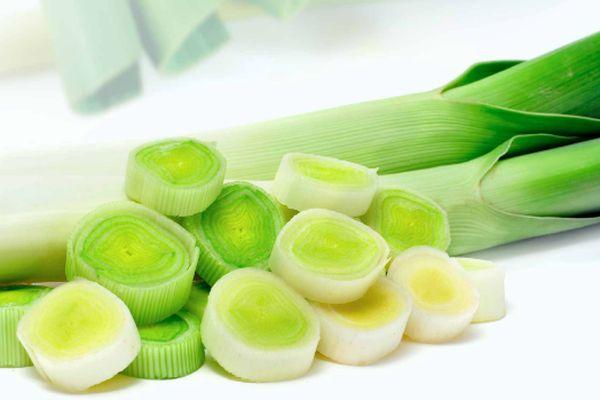
According to the description, this is a large, 1.5-meter-tall plant with light, flattened leaves and a pseudostem that merges into a bulb. The growing season lasts six months, so seedlings are preferred.
To ensure that the false stem does not lose its flavor, it must be constantly hilled up, adding a mound of soil up to the leaf blades. The harvesting is carried out in September and for better preservation they are left buried in the sand.
Planting onions by month
To ensure that the tender, juicy greenery of Allium pleases you almost all year round, you need to think about planting onions for greens Throughout the season, calculate plant growth periods and sowing dates. It's also important to know which varieties are ideal for forcing feathers.
Listing all the good, best varieties is difficult, as the list is quite extensive. Each homeowner will find a variety that suits their tastes and care needs. Recently, the Totem and Parade onions have become the most commonly used.
Winter planting
Planting before winter is convenient because green shoots will appear immediately after the snow melts, and the first harvest will be ready in the spring. The key is to check the variety's frost resistance on the packaging, as the seeds and first sprouts will have a hard time in the cold ground.
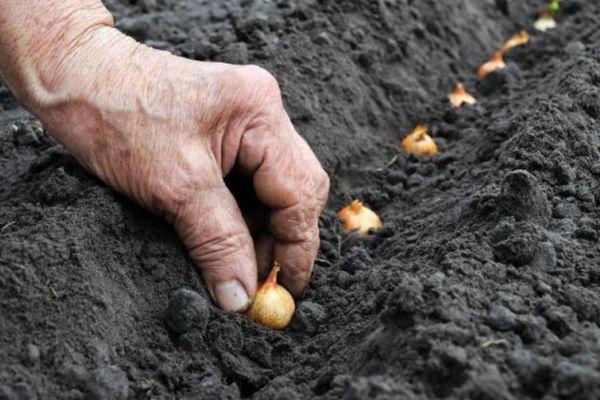
How to plant properly? For example, when growing Parade onions, follow these steps:
- They prepare the site, level it, removing all unnecessary debris. Fertilize the soil with organic matter.
- The seed is placed in furrows every 3-5 cm and to a depth of 2 cm.
- Water, bury and, if necessary, cover with film overnight if the first frost is possible.
- After a few days, water again and mulch so that the top layer of soil does not freeze.
Sunny, fertile areas where snow melts faster are best for winter sowing. After spring frosts, remove the mulch, feed the plants with nitrogen, and loosen the soil slightly.
Spring planting
Spring is the most convenient time to force greens from sets. This method of growing allows you to get lush greens in just 2-3 weeks, just when you're planting herbs in your garden. Seeds won't grow at this rate: they'll take a long time to sprout in cool soil. If using seeds is preferred, the seedling method, which requires a special approach, is the way to go.
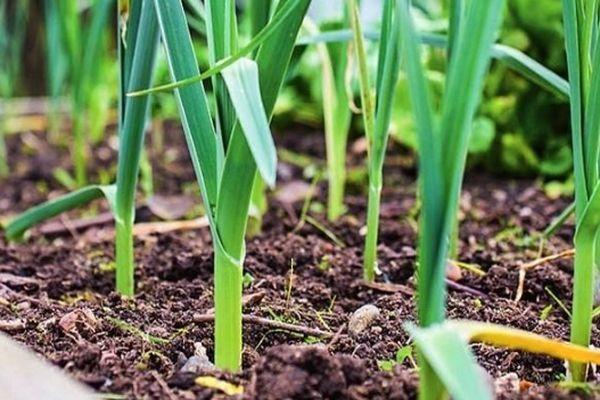
The sets must be pre-prepared by soaking them in water for 24 hours, and then trimming the section from the neck. Planting with sets is not a cheap option, as high-quality planting material requires an investment.
July planting
Perennial onion varieties with a strong immune system and frost resistance grow well in July and tolerate heat well. Planted in July, you can harvest vitamin- and mineral-rich greens as early as early September.
The challenge of July planting isn't so much choosing the variety as preserving the plants until next year. It's important to ensure the ground doesn't freeze. To achieve this, the onion tops are completely cut off. The beds should be covered with mulch to ensure a healthy harvest of greens next season.
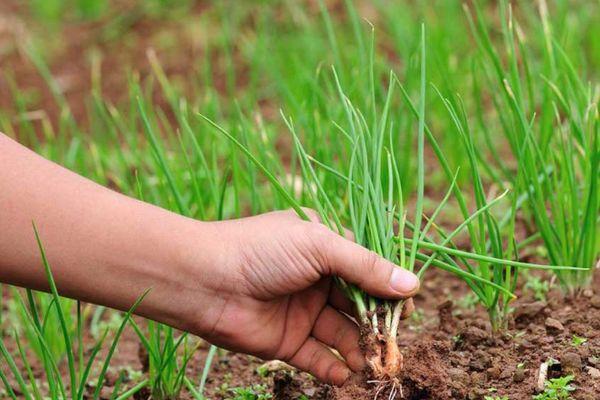
Planting onions in August
Only early varieties with fast germination and enviable yields are capable of quickly producing thin stalks and yielding such a late harvest. Planting from seeds is risky, as temperatures are already quite low, especially at night. Even in southern regions, seeding at this time of year doesn't guarantee a harvest.
To obtain plumes, bulbs are planted, which will delight you with fresh, tender greens in September. One option is to grow green onions in a greenhouse, where the soil is still warm and there are no significant temperature fluctuations.
Reviews of onions and their cultivation
Gardeners have spoken highly of many Allium species, which can be used to produce greens from seed. The Parade and Totem varieties have received particularly positive reviews. They are distinguished by the quality of their green mass and rapid growth. Combined with their excellent taste and marketability, they are suitable for commercial farming.
The quality of the greens grown is also distinguished by other varieties bred specifically for this purpose. A green leaf harvest at any time of the season—isn't that every vegetable grower's dream? Fans of this herb note that to create a "green conveyor belt," choosing the right variety and planting time is crucial; otherwise, success is difficult.
Onions are an easy-to-grow crop, but there are some secrets and tricks for growing them throughout the season. Once you master the rules for planting this healthy vegetable, you'll be able to enjoy its tender greens almost year-round.
Related posts:
 50 types and varieties of perennial onions with descriptions, cultivation, and care
 When to harvest leeks from the garden for storage, ripening times
 Description of the Exhibition onion variety, growing from seedlings, planting and care
 How and when to plant onions to get large bulbs
 The beneficial properties of white onions, description of varieties, cultivation and care
 Description of varieties and cultivars of wild onions, the subtleties of cultivation
 Description of purple onion varieties, their beneficial properties, storage methods, and harvesting times
 Types of onion varieties with names and descriptions, their differences and cultivation
Choose the right onion variety for your region carefully. I grow 'Parade', and the harvest has never disappointed. It grows very quickly and is unaffected by frost or extreme heat.
Everyone has their own secrets for growing onions in the fall, and in general, to get an enviable harvest of buds, you need to water more often and make sure the sun shines well, then you get a greenhouse effect and the onions grow like crazy.