
The Sturon onion was first discovered in Holland. This variety is characterized by a medium ripening time. The harvest is 100-110 days after the first shoots appear.
Characteristics of the variety
The Sturon onion, whose variety description and reviews speak to its widespread popularity, easily tolerates harsh winters, making it suitable for growing in northern regions. It's easy to care for, adapts well to environmental conditions, has a long shelf life, and retains its flavor for 8-9 months.
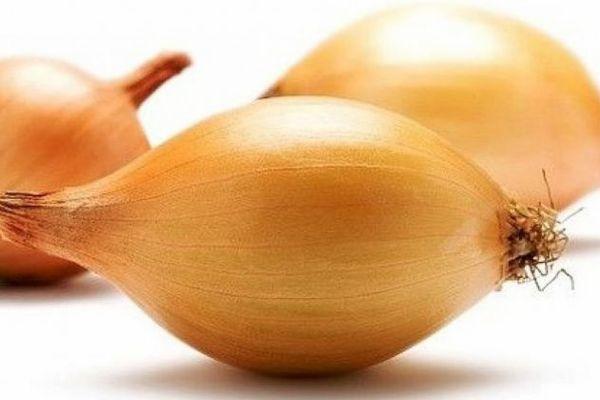
Onion characteristics:
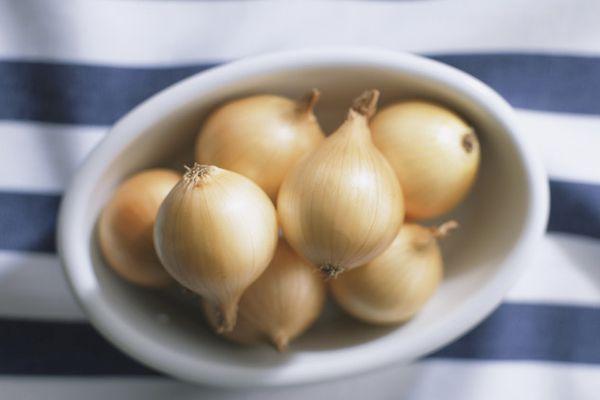
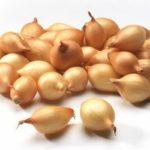
- The fruits are large and elongated.
- The weight is about 220 g.
- The taste is bitter and spicy.
- The aroma is sharp and tart.
- The yield reaches 35 tons per 1 ha.
Onions are suitable for cooking and canning. Due to their strong odor and bitter taste, they are not recommended for fresh consumption.
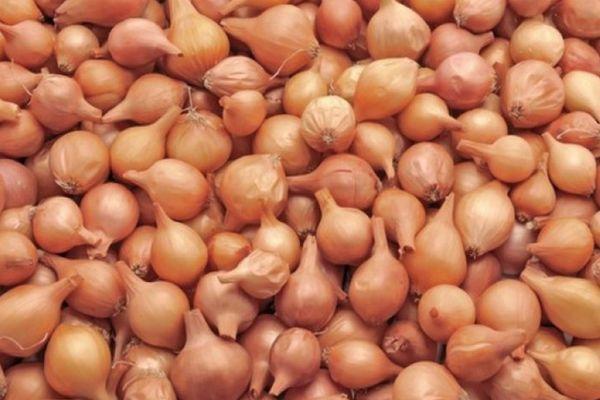
Positive features of Sturon:
- high yield;
- long-term storage;
- large fruits;
- resistance to many diseases.
Among the disadvantages, weak resistance to powdery mildew and mosaic is noted. Furthermore, onions require loamy or sandy loam soils.
Planting onion sets
Planting and caring for onions begins with the proper selection of planting material. To ensure large fruits, onion sets should be at least 2 cm in diameter. Carefully select the sets before planting. The following defects are not acceptable:
- mechanical damage;
- signs of decay;
- green arrows;
- small roots;
- moisture in the bulbs;
- any signs of disease or pest infestation.
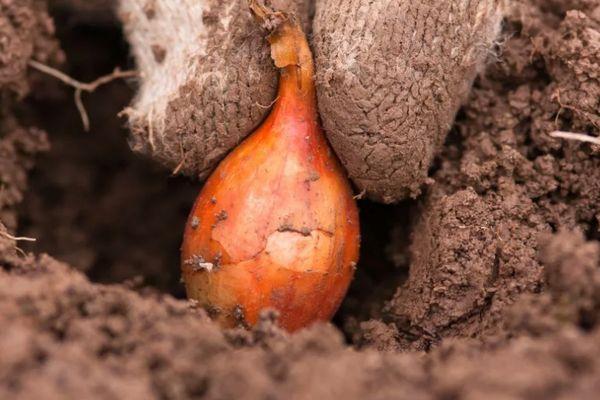
Defective bulb sets should not be planted. Four weeks before planting, the bulbs should be stored at specific temperatures:
- First week: +20°С…+25°С.
- Second week: +30°С.
- Third week: +35°С.
- After this, the seed onions are stored for 12 hours at a temperature of +40°C.
- The last week before planting, onions are stored in a dry, ventilated room at a temperature not exceeding +20°C.
As mentioned earlier, Sturon should only be planted in slightly acidic, loamy, or sandy loam soils. The site should be sunny. In the fall, the soil is fertilized with humus and manure, and mineral fertilizers are added before planting the onions.
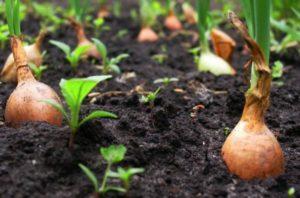
The soil is cleared of weeds, thoroughly loosened, and rows are formed. The distance between rows should be at least 20 cm, and between bulbs at least 15 cm. The onions are deepened into the ground by 3-3.5 cm.
![When should onions be harvested in [year] in the Moscow region from the garden for storage?](https://harvesthub.decorexpro.com/wp-content/uploads/2018/07/uborka-luka-8-300x200.jpg)
Onion care and harvesting
After planting the onion sets, water them generously, preventing the soil from drying out. Keep in mind that 12 liters of water are needed per square meter. In mid-July, watering is reduced, and two weeks before harvest, watering is stopped completely. Irrigate with settled water at room temperature. The best time is morning or evening, after sunset.
Once a week, loosen the soil to a depth of 3 cm. This will ensure oxygen reaches the roots. Don't forget to weed. After the new shoots appear, it's recommended to feed Sturon onions with nitrogen fertilizer. To ensure large bulbs, avoid trimming the green shoots.
The harvest is usually in mid-August. Onions should be harvested when the leaves have fallen and the neck of the onion has dried slightly. Never wait until the leaves are completely dry! This can lead to root rot. Harvest in dry, sunny weather. The onions are cleaned of soil and left to air out for 3-4 days.
The harvest is stored in a dry place with humidity no higher than 80% and at a temperature no higher than +4°C. The vegetable can also be stored in sand.
Diseases and pests
Despite Sturon's resistance to many diseases, it is sometimes still susceptible to the following:
- Neck rot. Usually occurs when storage conditions are improper. Control: remove affected bulbs.
- Onion mosaic. The virus manifests itself as yellow spots on the leaves. As the virus progresses, the above-ground part of the leaves dies, and the fruits themselves become smaller and store poorly. Unfortunately, mosaic is virtually impossible to eradicate.
- Downy mildew. Grayish spots first appear on the leaves and then spread throughout the plant. If left untreated, the fungus can infect the bulb, resulting in the death of the onion. Because downy mildew spreads quite quickly, it should be treated immediately upon detecting the first signs. First, remove the affected onions. The remaining onions should then be treated with specialized products.
- The Sturon variety is most often attacked by nematodes. Insecticides can help control them.
Overall, Sturon has become very popular among gardeners. It requires little care and is undemanding, easily adapting to weather conditions. The key is to properly prepare the onions, and after planting, follow watering guidelines and watch for disease.
Related posts:
 How and when to plant onions to get large bulbs
 When to harvest leeks from the garden for storage, ripening times
 50 types and varieties of perennial onions with descriptions, cultivation, and care
 Description of the Exhibition onion variety, growing from seedlings, planting and care
 Description of the best varieties of onions, planting and care in open ground
 The beneficial properties of white onions, description of varieties, cultivation and care
 Description of purple onion varieties, their beneficial properties, storage methods, and harvesting times
 Planting, caring for, and growing onion sets in open ground, diseases, and how to save the crop