
- Chemical composition and caloric content
- What are the health benefits of purple basil?
- For men
- For women
- The best varieties
- Baku
- Yerevan
- Thai
- Pepper aroma
- Caramel
- Ararat
- Red Ruby
- Opal
- Dark opal
- Philosopher
- Sacred
- Purple Stars
- Black
- Red
- Uses of purple basil
- What are the harmful effects of purple basil?
- Contraindications for use
- Agricultural technology for growing from seeds
- Selecting a place and time
- Caring for seedlings
- Landing
- Growing seedlings from seeds
- Specifics of crop care
- When and how to harvest?
- How to preserve purple basil for the winter
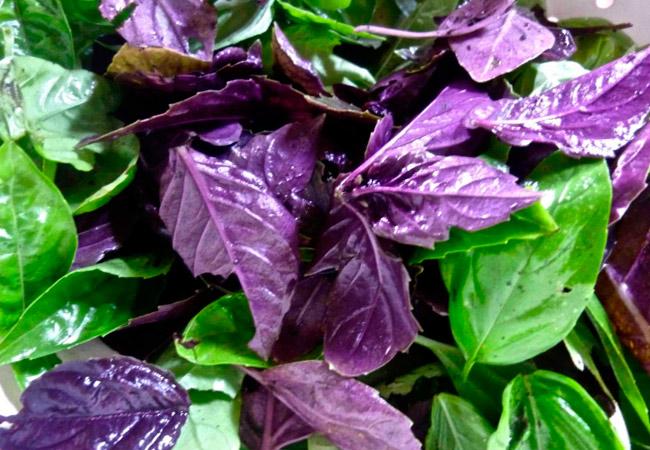
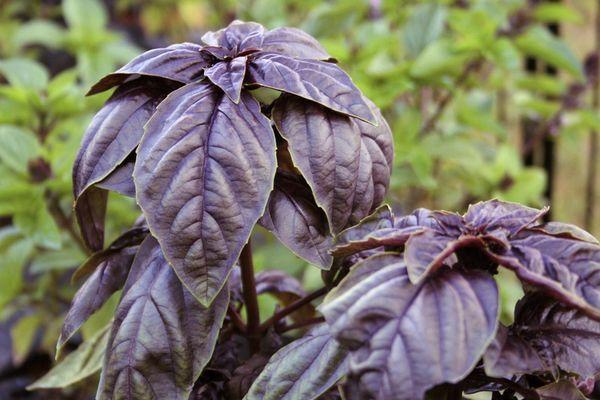
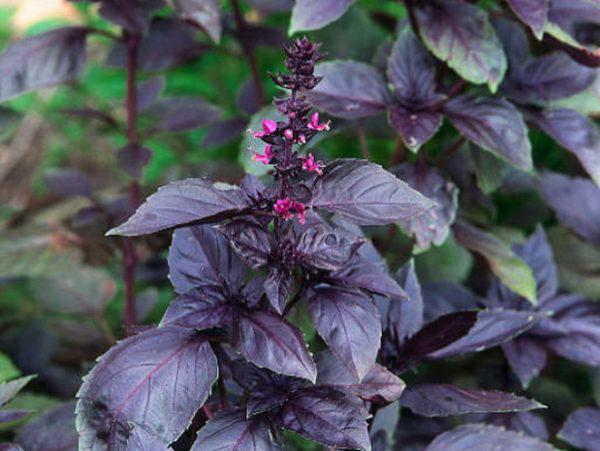
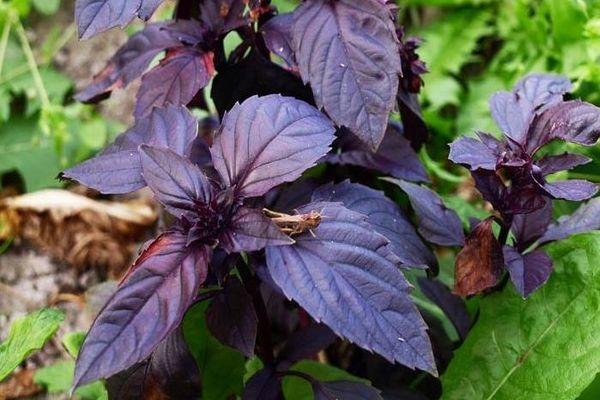
Today, there are quite a few varieties of purple basil. The plant gets its name from the unusual shade of its leaves. It belongs to the Lamiaceae family. It is an annual plant growing up to 50 centimeters tall. The bush bears numerous leaves, each a deep purple hue. The leaves are rich in nutrients, but they also have certain contraindications.
Chemical composition and caloric content
The plant contains a lot of water, ash, and carbohydrates. It also contains fiber and fat. Basil is rich in vitamins. The B vitamins are especially valuable. These include thiamine, choline, and riboflavin. Basil is also rich in folate, pantothenic acid, niacin, and pyridoxine.
Additionally, it contains beta-carotene and ascorbic acid. The plant also contains vitamins PP, E, and K. It also contains magnesium, potassium, and calcium. It also contains sodium and phosphorus. The caloric value of 100 grams of the herb is 25 kilocalories.
What are the health benefits of purple basil?
Basil's unique combination of beneficial substances allows it to be used for therapeutic purposes. The plant has pronounced antibacterial properties, reduces inflammation, and has an antioxidant effect. These unique properties classify basil as medicinal plants.
For men
Its beneficial properties for men include its ability to treat orchitis and prostatitis. The plant helps improve potency. Regular consumption of the herb can help prevent the development of diabetes and obesity associated with a sedentary lifestyle.
For women
The benefits of the plant for women are also beyond doubt:
- with systematic use of the herb, it is possible to normalize the appearance of nails, hair, and skin;
- Thanks to the presence of essential oils, basil helps clear the face of acne;
- Eating greens can help relieve menstrual pain, improve mood, and achieve a calming effect;
- Due to its high iron content, the spice successfully increases hemoglobin levels;
- Low calorie content allows basil to be used for weight loss.
Basil seeds are extremely beneficial. They help cleanse the body of waste and toxic elements and stimulate fat burning. Their high fiber content makes the plant more filling.
The best varieties
Today there are many varieties of purple basil, each with its own unique characteristics.
Baku
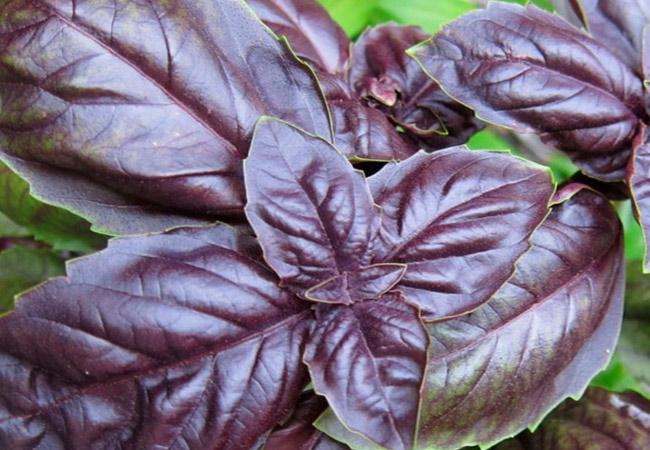
This variety boasts a rich purple hue. The aroma reveals hints of mint and clove, creating a unique, spicy blend of aroma and flavor.
Yerevan
This variety is often used in cooking. It has vibrant purple leaves with red hues. When in bloom, the bushes are covered with delicate pink flowers. The leaves can be trimmed several times per season.
Thai
This basil variety is characterized by a compact bush with serrated leaves. They have a spicy aroma with hints of cinnamon.
Pepper aroma
This annual plant has reddish leaves and a distinctive spicy aroma and flavor. For this reason, basil is widely used in cooking.
Caramel
This is one of the most aromatic varieties. It has a distinctive aroma, reminiscent of fruity caramel. The plant also has a slightly sweet flavor.
Ararat
This is a very aromatic vegetable variety. It is characterized by tall bushes with numerous branches. The leaves are greenish-purple and contain a lot of carotene. They also contain essential oils.
Red Ruby
This is a classic, time-tested variety. It boasts excellent ornamental qualities, high yields, and excellent flavor.
Opal
This common variety boasts vibrant purple-violet leaves and crimson flowers. These should be pinched off, which will promote better leaf development.
Dark opal
This variety is characterized by a rich aroma and red-purple leaves. Fresh basil is used in salads. Dried basil is widely used in marinades.
Philosopher
This variety produces a harvest quickly—just 45 days after planting. The greens are compact, and the bush grows to no more than 35 centimeters tall.
Sacred
This plant has a unique composition. The greens contain numerous antioxidants and are also rich in vitamins and minerals.
Purple Stars
This variety is considered mid-season. Its leaves are harvested 1.5 months after planting. The bushes reach 45 centimeters in height. The leaves are used to enhance the flavor of salads and other dishes.
Black
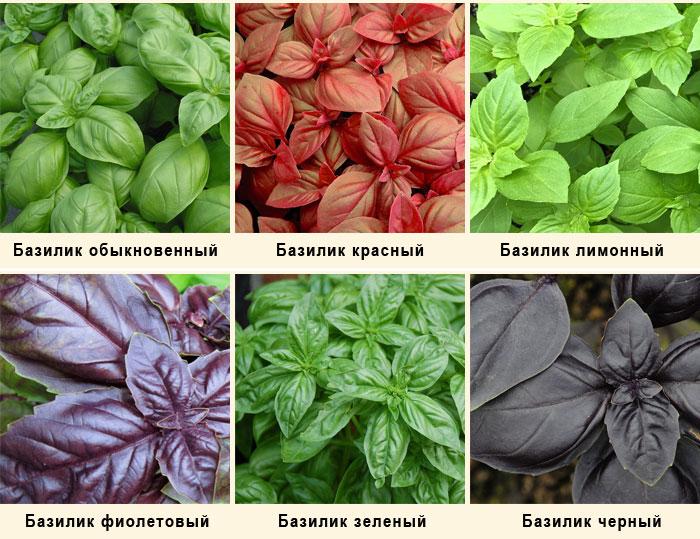
This variety has purple leaves with a slight cinnamon aroma. The plant is used for pickling and preserving.
Red
This annual herb has a wonderful aroma and is widely used in cooking. This type of basil has reddish-purple leaves.
Uses of purple basil
Basil is widely used in cooking and medicine. The plant has a unique composition. Therefore, it is used in various folk remedies for ear infections, inflammation, and appetite stimulation.
The spice is often used in cooking for preparing various dishes. dried basil Peppers, tomatoes, and eggplants are seasoned with this herb. This herb pairs well with dill, mint, and parsley.
Fresh leaves are added to various salads. Basil pairs harmoniously with tomatoes, which is why it's often added to ketchup.
What are the harmful effects of purple basil?
To prevent basil from causing harm to your health, it's important to follow the instructions for its use. The plant contains a large amount of essential oils. Therefore, excessive consumption of this spice is harmful to health. Basil infusions are not recommended for use during pregnancy, hypertension, or diabetes. A course of treatment with such remedies should not exceed three weeks.
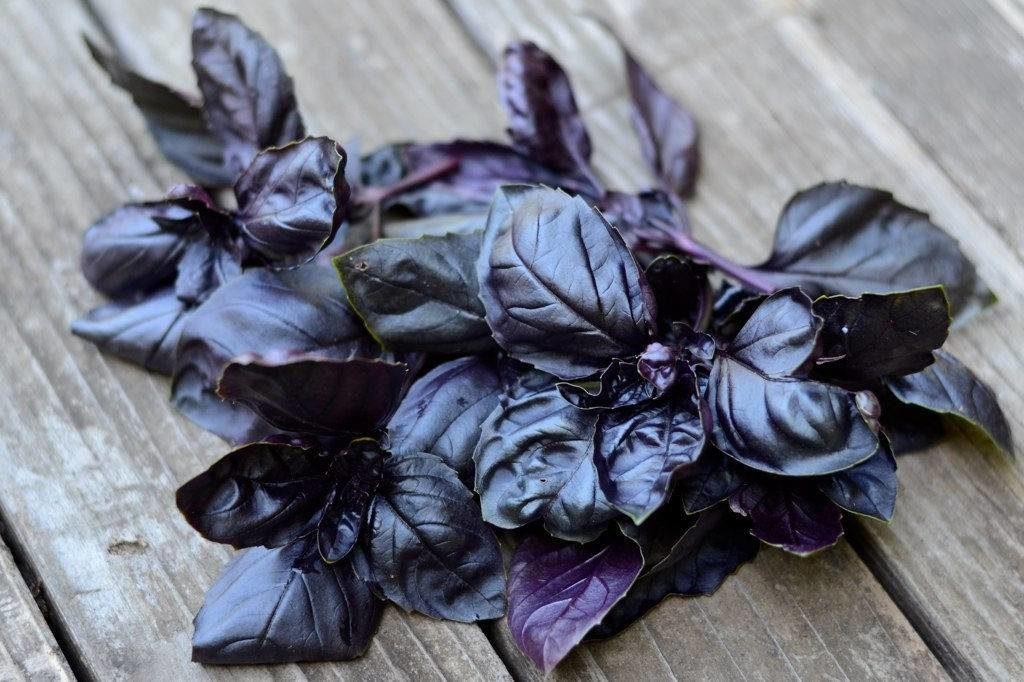
Contraindications for use
Before using basil for medicinal purposes, it's important to familiarize yourself with its contraindications. Herbal medications are not recommended during pregnancy. They are also contraindicated for people with a history of stroke or heart attack. Basil-based medications may worsen conditions such as diabetes or hypertension.
Agricultural technology for growing from seeds
The plant is often grown from seed. To do this, it's important to follow a few guidelines.
Selecting a place and time
Basil thrives in loose, fertile soil. It's important to choose a sunny, warm location. Avoid growing purple basil in clay soil. In southern regions, planting is recommended in mid- to late April. For temperate climates, mid- to late May is ideal.

Caring for seedlings
After planting the seeds, it's recommended to cover the bed with plastic film. Remove it when the first sprouts appear. This will provide the plants with sufficient air circulation and help them harden off.
Water the plants as needed. It's important to avoid overwatering or allowing the soil to dry out. As the seedlings grow, thin them out. Only the strongest plants should remain in the area.
Landing
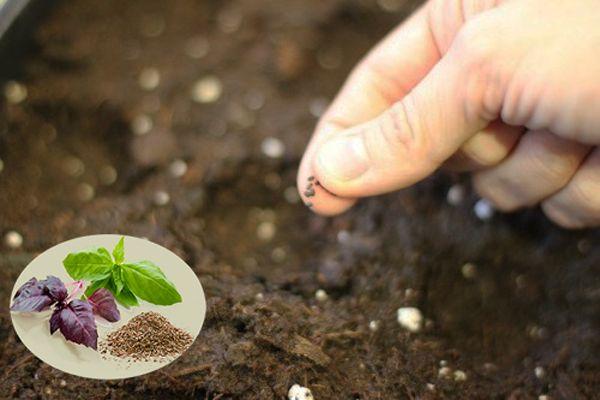
Before planting, soak the seeds in warm water. This will speed up germination and help kill pathogenic bacteria. Make shallow holes in the garden bed to plant the seeds, deepening them no more than 1 centimeter. Then, level the bed and water it.
Growing seedlings from seeds
This method is considered optimal for colder regions. To achieve good results, it is recommended to provide the seedlings with good care. They should be watered moderately and receive adequate light. When the seedlings have 4-5 leaves, they are transplanted into open soil. The bushes should be spaced 30 centimeters apart.
Take a look Also
Specifics of crop care
The plant requires careful care. It requires regular watering. This should be done when the top layer of soil has dried out. Basil also requires regular fertilization. Fertilizers should be applied at intervals of 25-30 days. Nitrogen-containing mineral fertilizers are commonly used. This substance stimulates leaf growth, which is essential for basil.
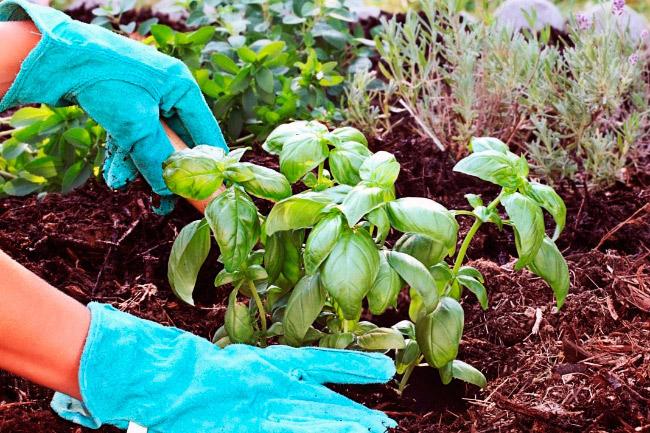
Beds containing this plant must be loosened. This is usually done after watering. Experts recommend regularly removing flower stalks and pinching the tops.
When and how to harvest?
Once the bush has grown, it's time to harvest. It's recommended to harvest basil individually, removing individual leaves. This should be done carefully to avoid uprooting the plant. Dry the leaves in the shade. Ensure adequate air circulation.
How to preserve purple basil for the winter
To preserve the aromatic leaves for the winter, they can be frozen, dried, or canned. Freezing is considered the most convenient option. To do this, pinch the leaves off the stems and rinse. As they dry, place them in the freezer.
Many people dry the plant's leaves. This is recommended in the spring, before flowering. To do this, separate the leaves from the stems and chop them. It's recommended to store the dried basil in a warm place. After drying, place the basil in cloth bags.
Purple basil has many varieties, each with its own distinct characteristics. This plant has a spicy aroma and contains numerous beneficial compounds, making it popular with many gardeners.
Related posts:
 Description of the 20 best basil varieties, what is the difference between green and purple
 The beneficial properties and contraindications of basil for men and women, and traditional medicine recipes
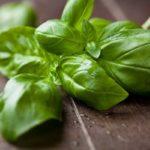 How to dry basil at home: uses, benefits, and when to harvest
 How to prepare basil for the winter at home, storage methods and rules
 What is basil and what does it look like, description of varieties and where it grows
 Methods for planting and propagating cherries at home
 Growing and caring for hazelnuts in open ground, rules for planting hazelnuts
 Conditions for growing mandarin at home and rules for caring for the tree